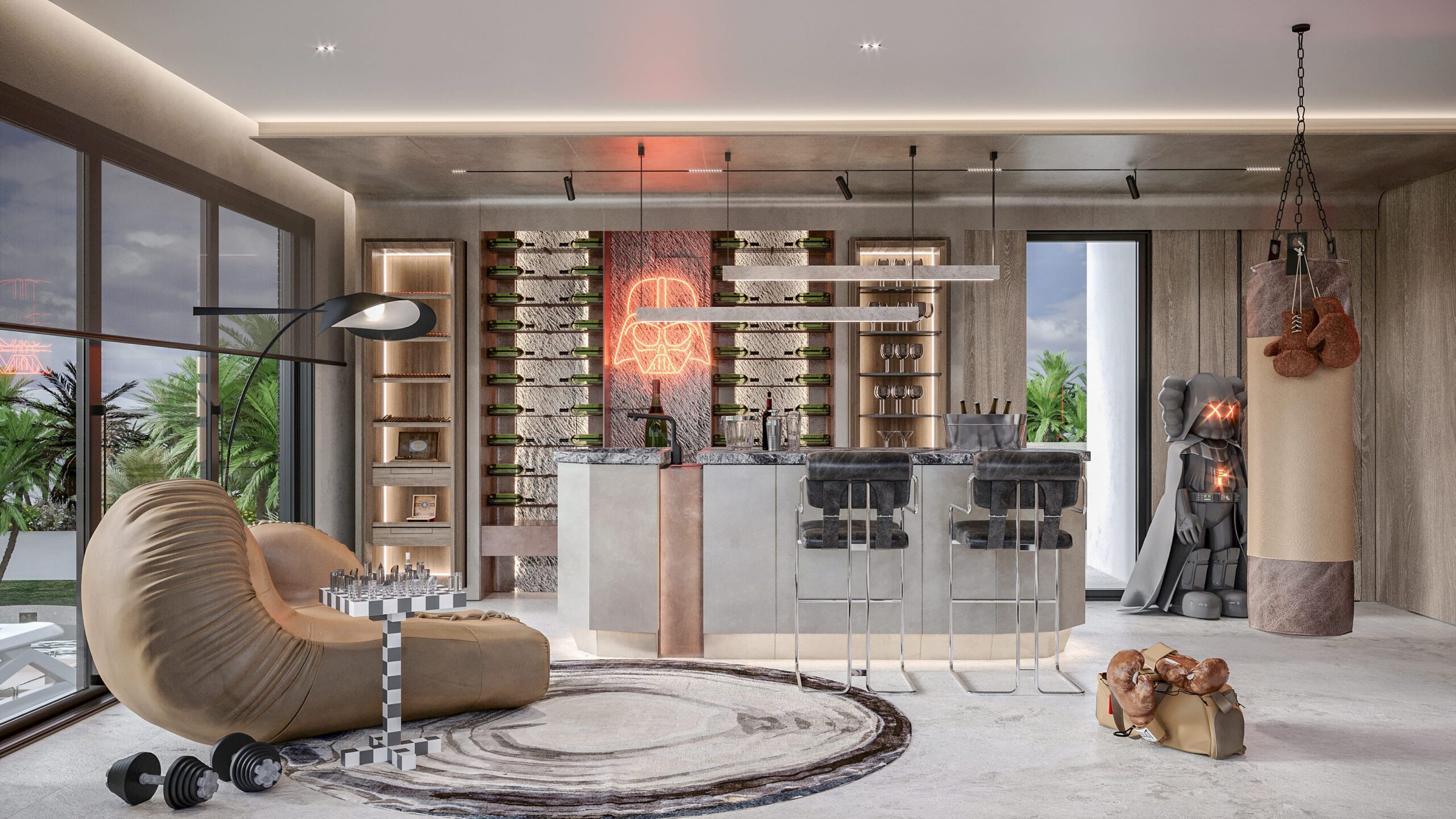
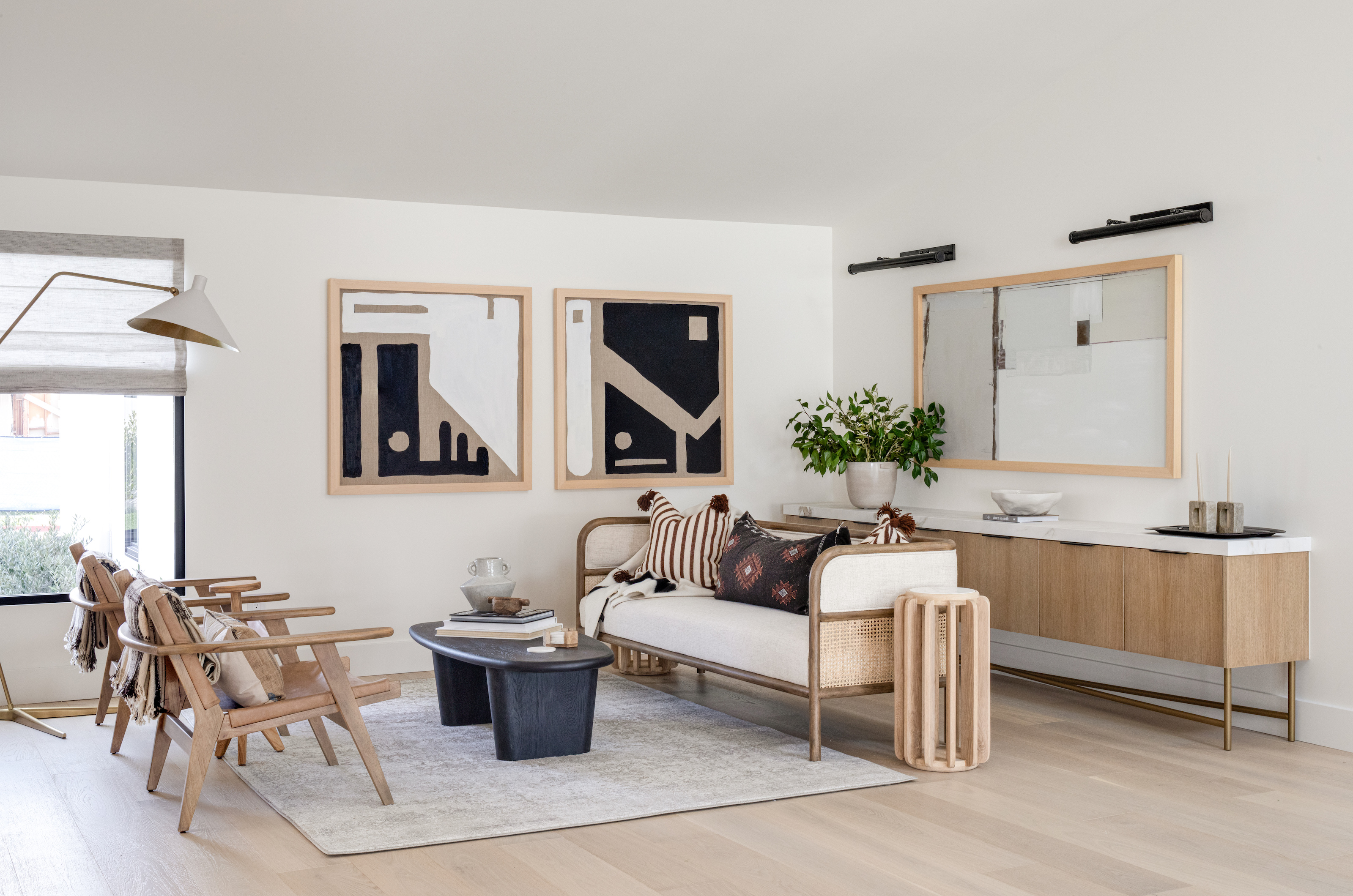
The essence of sophistication and spatial clarity lies in clean line interiors, where simplicity meets purpose and every element is meticulously curated. This design philosophy emphasizes linearity, geometric precision, and uncluttered surfaces to create interiors that are both serene and visually compelling. Minimalism with clean lines avoids superfluity while promoting flow, proportion, and harmony. Through deliberate selection of furniture, materials, and lighting, spaces achieve a refined equilibrium where functionality and aesthetics coexist seamlessly. Each detail contributes to a sense of order and elegance, transforming ordinary rooms into structured sanctuaries.
Embracing Linear Geometry
Linear geometry forms the backbone of clean line interiors. Straight edges, right angles, and precise contours define furniture, architectural elements, and storage solutions. Minimalist shelving, low-profile seating, and streamlined cabinetry enhance structural coherence while maintaining open sightlines. Even subtle asymmetry can create visual intrigue, balancing rigidity with dynamic rhythm. The careful orchestration of linear forms ensures that every object contributes to spatial clarity and visual continuity.
Neutral Palettes with Layered Hues
Color choices reinforce the sense of openness and calm in clean line interiors. Muted neutrals creamy whites, soft grays, and warm taupes form the foundation of the design. Layered variations of these tones, combined with occasional accent shades such as deep navy, terracotta, or olive, provide depth and contrast without overwhelming the space. Subtle tonal shifts emphasize architectural elements and highlight textures, enhancing the understated elegance that defines clean line interiors.
Strategic Lighting for Definition
Lighting accentuates linear forms and spatial rhythm. Natural light should be maximized through large windows, glass partitions, and reflective surfaces. Layered artificial lighting, including recessed fixtures, pendant lamps, and directional spotlights, creates dimension and highlights key features. Light can delineate zones, emphasize texture, and enhance perceived depth, transforming minimalist interiors into dynamic yet orderly spaces. Thoughtful illumination is essential for both functionality and aesthetic balance.
Functional and Geometric Furniture
Furniture should serve both utilitarian and aesthetic purposes. Modular seating, streamlined tables, and wall-mounted storage maintain openness while reinforcing linearity. Geometric forms, such as rectangular consoles, angular shelving, and symmetrical arrangements, enhance visual coherence. Multi-functional pieces, like ottomans with hidden storage or foldable desks, optimize space while preserving minimalism. Clean line interiors rely on carefully proportioned furniture to uphold clarity and balance.
Texture and Materiality
Even in minimalistic environments, texture introduces warmth and tactile interest. Polished stone, natural timber, brushed metals, and woven textiles provide sensory richness. Layering textures, such as a wool rug over timber flooring or linen cushions on sleek sofas, adds depth without cluttering the visual field. In clean line interiors, materials are chosen deliberately, ensuring that every surface contributes to both aesthetic refinement and functional harmony.
Curated Art and Accessories
Art and décor should be selective and precise. One oversized painting, sculptural object, or ceramic piece can act as a focal point, punctuating the design with sophistication. Accessories should balance form and function: minimalist lighting, elegant storage, or subtle decorative accents integrate seamlessly with the overall composition. Curated objects reinforce the visual narrative, ensuring that each addition enhances rather than disrupts spatial clarity.
Integrated Storage Solutions
Maintaining unobstructed surfaces is essential for clean line interiors. Concealed storage, recessed shelving, and built-in cabinetry allow for organization without compromising visual flow. Floating shelves, modular units, and wall-mounted solutions optimize space while keeping the interior uncluttered. Thoughtful storage reinforces the minimalist ethos, preserving harmony and allowing linear elements to dominate the visual narrative.
Connection with Nature
Incorporating natural elements enhances both tranquility and aesthetic sophistication. Indoor plants, timber accents, and stone detailing introduce organic forms that contrast subtly with strict geometry. Floor-to-ceiling windows or sliding doors connect interiors to the outdoors, amplifying light and providing a sense of expansiveness. Even modest natural interventions, like a potted plant or a wooden sculpture, can elevate the ambiance and soften rigid lines.
Flow and Spatial Coherence
Spatial flow is vital to achieving a clean line aesthetic. Unobstructed pathways, balanced sightlines, and well-proportioned furniture arrangements promote intuitive circulation and visual harmony. The choreography of elements, light, and textures ensures that each space feels ordered, expansive, and welcoming. Clean line interiors demonstrate that structure and simplicity can coexist with comfort and elegance, creating spaces that are both functional and visually inspiring.
About the Author


:max_bytes(150000):strip_icc()/elebash_1113_02-2000-d93cd8f43c274b0f8d95f2805c75a55d.jpg "Tropical Home Design with Island Vibes")
:max_bytes(150000):strip_icc()/Traditional-living-room-with-gilt-mirror-58bc74e83df78c353c0df95a.png "Classic Interior Style with Grand Accents")