
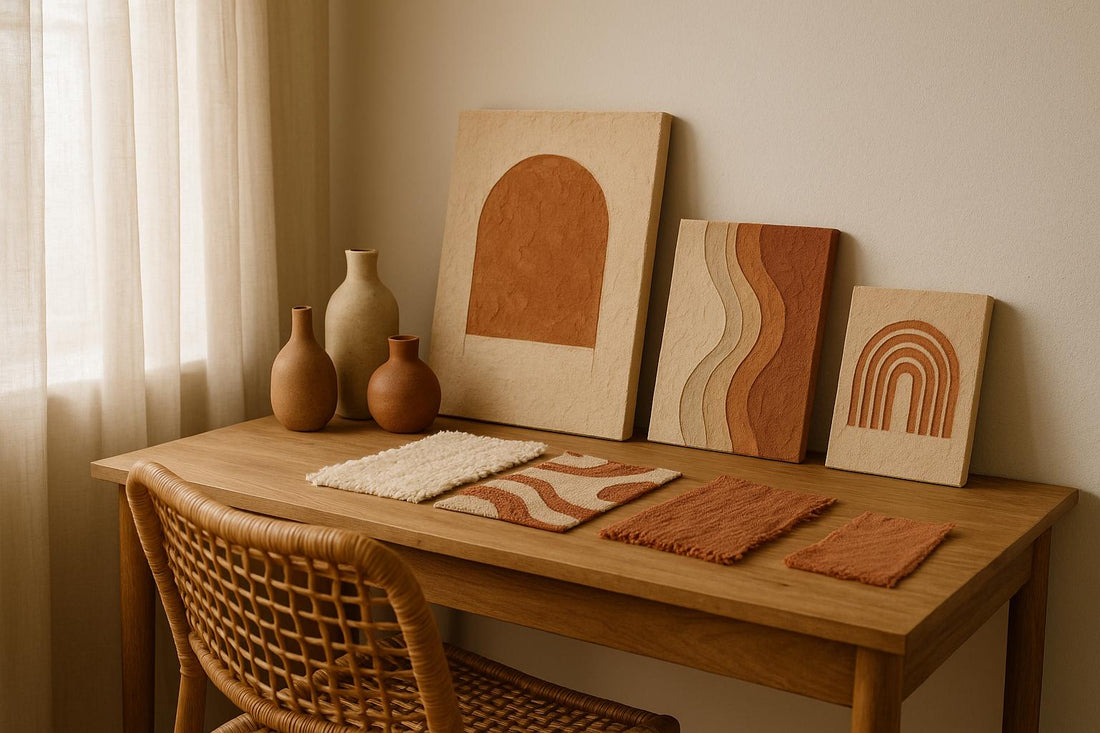
Creating a bohemian haven is a study in contrast, color, and tactility, where layered texture interiors take center stage to evoke depth and character. These designs embrace a fusion of fabrics, materials, and surfaces that interplay effortlessly, cultivating an environment that feels both eclectic and harmonious. The artistry lies in balancing visually stimulating elements with a sense of cohesion, allowing the room to breathe while engaging the senses through touch and sight.
Building a Strong Textural Base
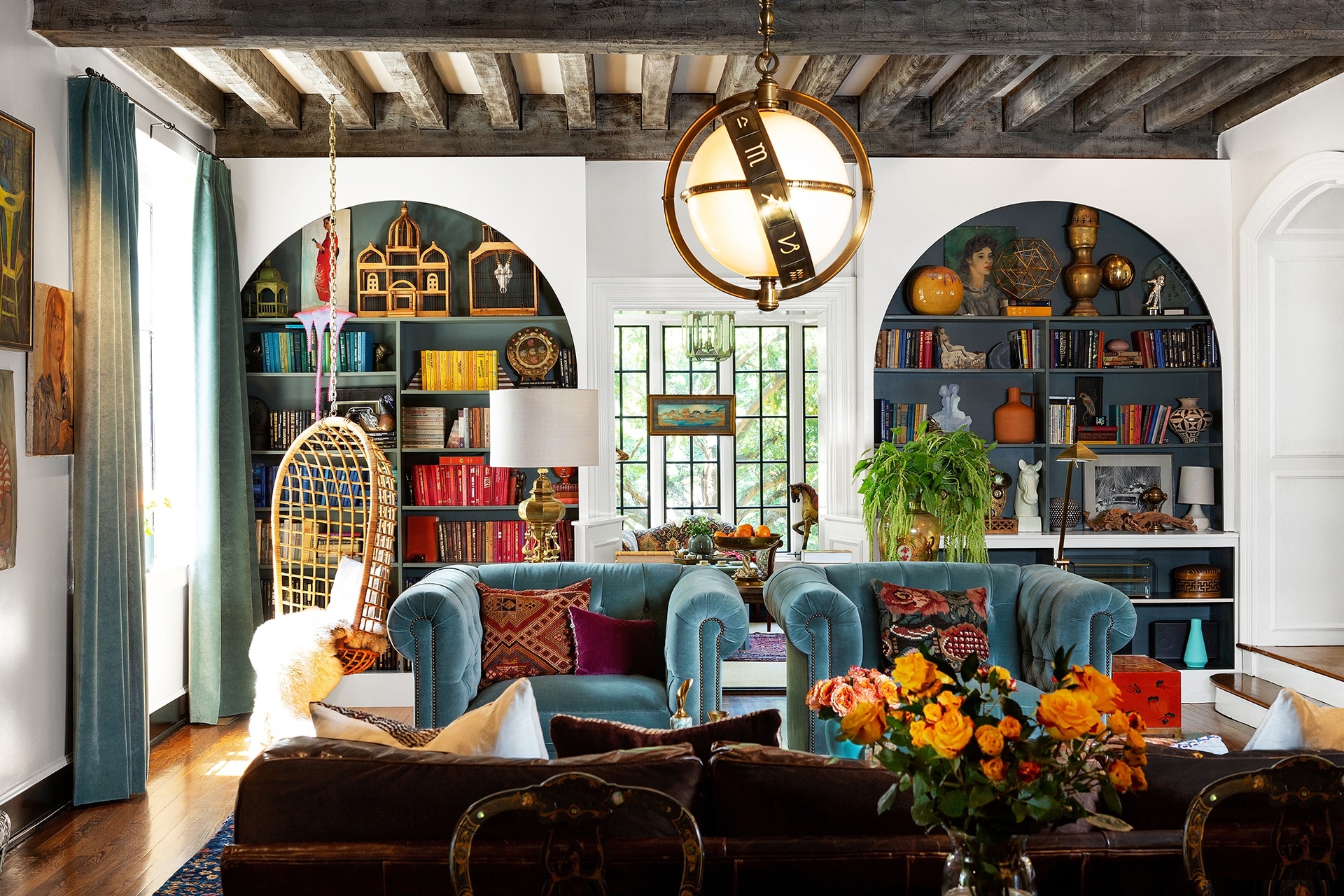
The foundation of any layered bohemian interior starts with the basics: flooring, walls, and major furniture pieces. Hardwood floors, natural stone, or polished concrete provide tactile interest beneath layered rugs and woven mats. Walls painted in earthy tones such as terracotta, ochre, or muted clay act as a canvas that enhances the richness of patterns and textures layered atop. Oversized sofas and armchairs upholstered in linen, cotton, or velvet anchor the space, offering both comfort and a visual counterpoint to intricate decorative elements. Layered texture interiors thrive on this initial grounding, establishing the base from which more intricate layers can emerge.
The Art of Layering Textiles
Textiles define the essence of layered bohemian interiors. Rugs, throws, cushions, and tapestries are carefully stacked and arranged to create a multidimensional environment. Moroccan kilims, handwoven rugs, and embroidered fabrics provide cultural richness and intricate detail. Mixing plush velvets with rustic jute or cotton enhances contrast, allowing each texture to stand out while contributing to a unified aesthetic. Throws draped casually across furniture or cushions arranged in clusters invite touch, reinforcing the intimate and tactile qualities of the space.
Harmonizing Colors with Texture
While textures dominate, color orchestrates harmony in bohemian interiors. Warm, earthy hues such as amber, burnt sienna, and deep terracotta form a rich base, while jewel tones and muted pastels add accents and visual intrigue. Layered texture interiors utilize these palettes to balance patterns and materials, ensuring the space feels vibrant without becoming chaotic. Subtle gradations of tone across textiles, wall treatments, and decorative accents help unify the myriad textures, creating a cohesive yet dynamic interior.
Integrating Natural Elements
Natural materials are essential in layered bohemian designs, adding warmth and grounding the eclectic mix of textures. Wooden furniture, rattan baskets, wicker accessories, and stone elements create an organic counterpoint to luxurious fabrics. Indoor plants further enhance textural diversity, their leaves providing contrast to woven surfaces and soft textiles. Layered texture interiors leverage these organic components to cultivate a multisensory experience that is both visually stimulating and soothing.
Eclectic Decorative Accents
Bohemian interiors celebrate individuality, and layered textures are enhanced through carefully curated decorative objects. Handcrafted ceramics, carved wooden artifacts, woven wall hangings, and patterned lanterns punctuate the room with personality. Grouping items in thoughtful vignettes or scattering them across surfaces introduces visual rhythm, allowing each object to contribute to the overall texture without overwhelming the space. Layered texture interiors achieve balance by integrating these eclectic pieces with an eye for proportion and harmony.
Lighting for Depth and Ambiance
Lighting plays a pivotal role in accentuating textures. Soft, diffused light highlights the intricacies of woven fabrics, embossed surfaces, and layered rugs. Warm-hued bulbs or lanterns enhance earthy tones, creating an intimate, inviting atmosphere. Layered texture interiors often employ multiple light sources pendants, floor lamps, and accent lighting to sculpt the space and draw attention to specific textural features, allowing the interplay of light and shadow to enrich the visual tapestry.
Furniture and Functional Layering
Furniture in bohemian interiors is both functional and a contributor to texture. Layered seating arrangements with floor cushions, poufs, and modular sofas create versatility while adding visual interest. Wooden or metal tables layered with textiles, decorative trays, and books enhance tactile variety. Layered texture interiors embrace this approach, ensuring that even practical elements contribute to the overall richness and depth of the space.
Patterns, Motifs, and Cultural Inflections
Patterns provide a visual texture that complements physical materials. Tribal motifs, floral embroideries, geometric prints, and abstract designs are integrated across rugs, textiles, and upholstery to create layered complexity. The careful juxtaposition of cultural motifs brings narrative depth and global flair to the interiors. Layered texture interiors achieve cohesion by aligning patterns with the broader color palette and tactile framework, creating spaces that feel curated rather than cluttered.
Creating a Multi-Sensory Experience
The hallmark of successful layered bohemian design is its ability to engage multiple senses simultaneously. Texture, color, pattern, and natural elements converge to produce an immersive experience. Layered rugs underfoot, soft throws against the skin, ambient lighting casting shadows across tactile surfaces all contribute to a room that is alive, comfortable, and endlessly engaging. Layered texture interiors thrive on this interplay, inviting exploration, relaxation, and inspiration in equal measure.
Balancing Eclecticism and Harmony
Ultimately, layered bohemian interiors must maintain a sense of equilibrium. While textures, patterns, and colors are abundant, careful curation prevents visual overload. Every element whether a woven rug, a carved artifact, or a plush cushion serves a purpose, contributing to the room’s layered narrative. Layered texture interiors succeed when eclectic elements and diverse materials coexist harmoniously, resulting in spaces that are both richly detailed and comfortably livable.
About the Author


:max_bytes(150000):strip_icc()/elebash_1113_02-2000-d93cd8f43c274b0f8d95f2805c75a55d.jpg "Tropical Home Design with Island Vibes")
:max_bytes(150000):strip_icc()/Traditional-living-room-with-gilt-mirror-58bc74e83df78c353c0df95a.png "Classic Interior Style with Grand Accents")