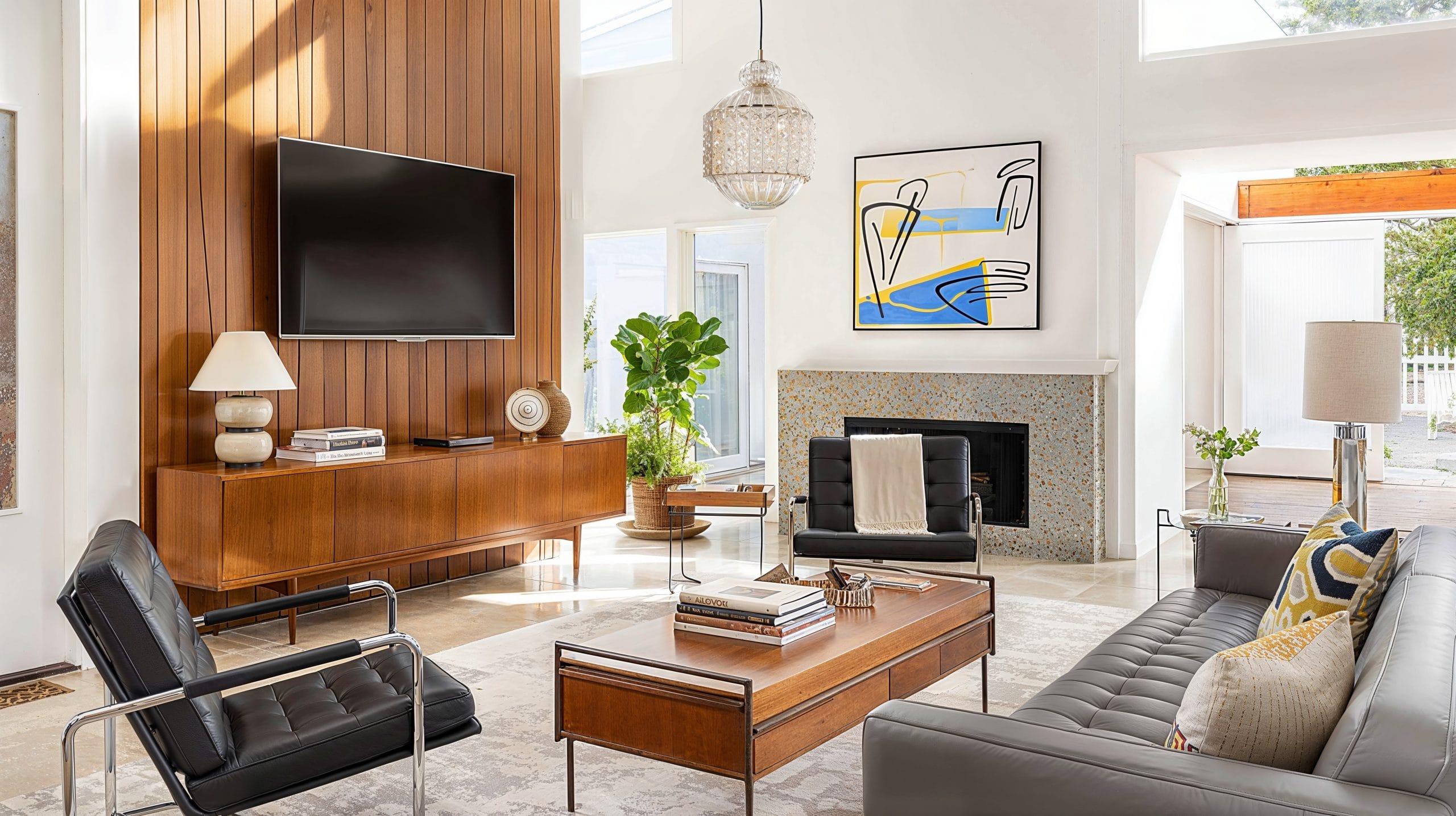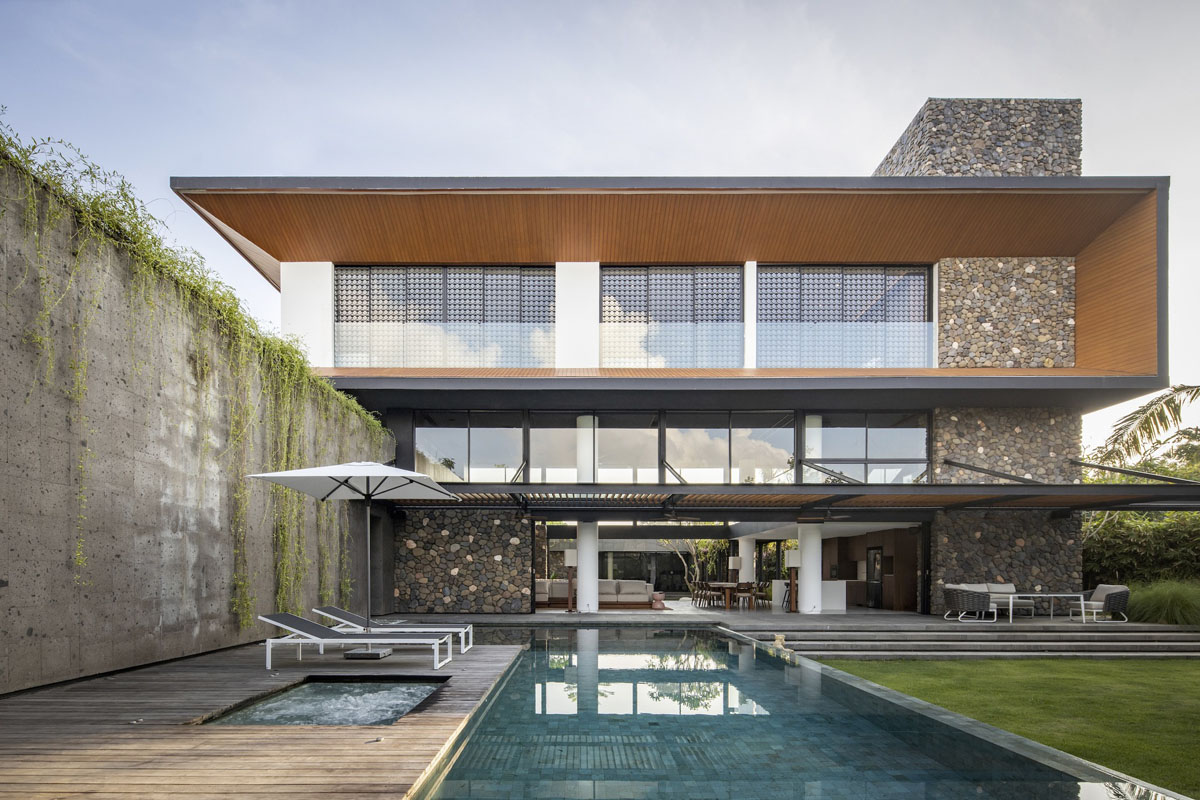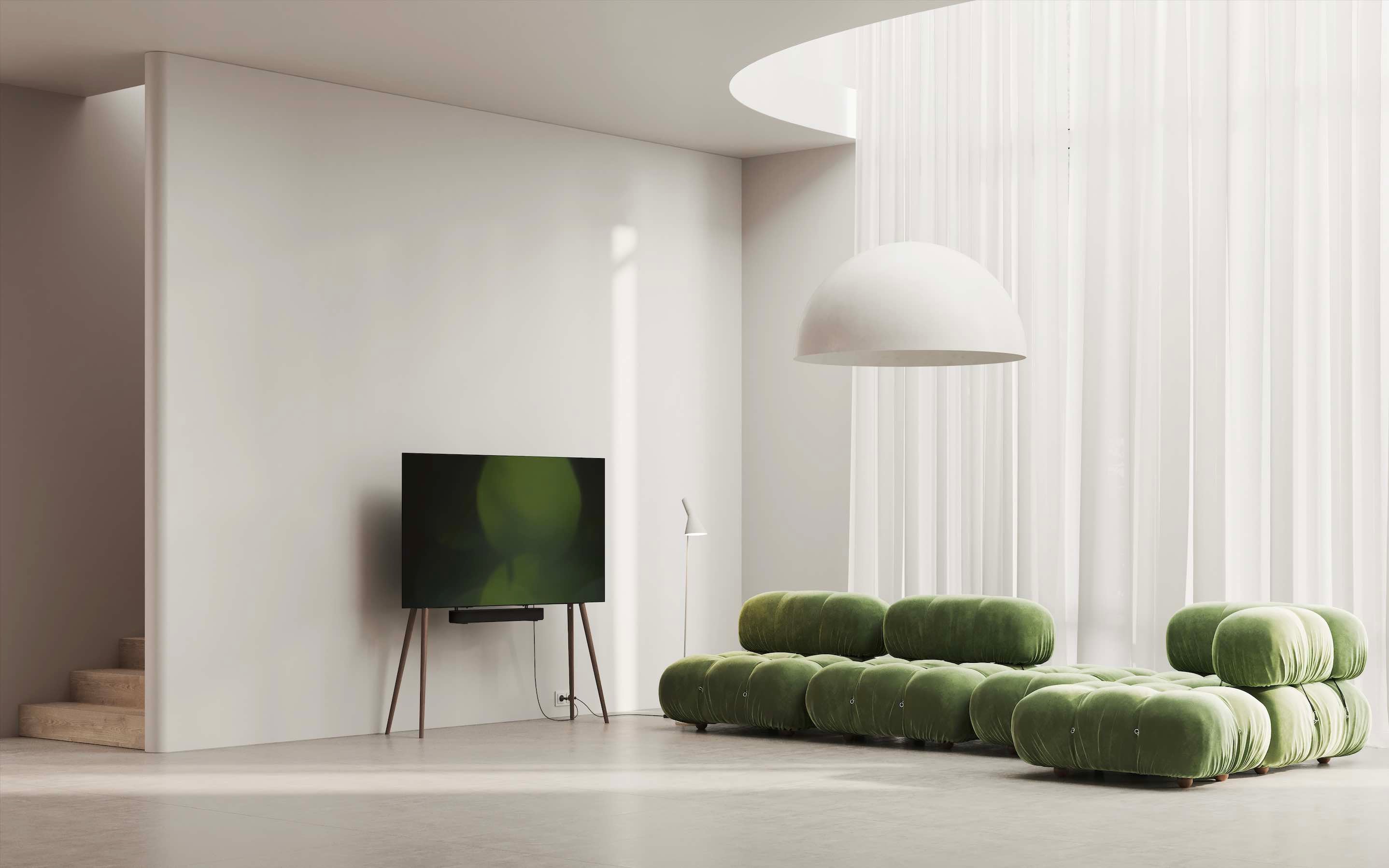
Creating airy, uplifting interiors begins with a bright space concept, where natural light, open layouts, and uncluttered design converge to enhance perception and mood. This minimalist approach prioritizes clarity, fluidity, and the intentional use of surfaces and materials to maximize brightness. Spaces designed with this concept feel expansive, energizing, and serene simultaneously. Light becomes both a functional and decorative element, accentuating textures, shapes, and architectural lines. The careful interplay of color, proportion, and materiality ensures interiors are luminous yet grounded, balancing aesthetic elegance with comfort and practicality.
Maximizing Natural Light
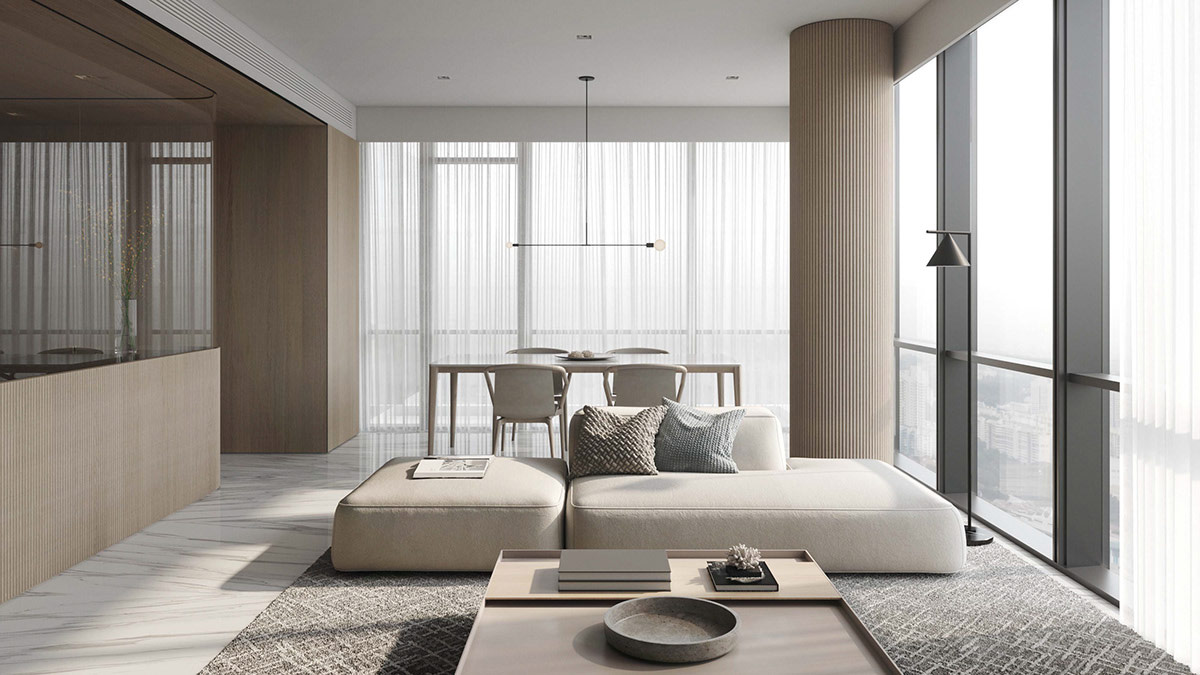
Natural light is the cornerstone of any bright space concept. Large windows, skylights, and glass doors allow sunlight to penetrate deep into the interior, creating warmth and vibrancy. Sheer or translucent window treatments diffuse light without obstructing it, while mirrors and reflective surfaces amplify luminosity and extend perceived space. Even small interventions, such as light-toned furniture or strategically placed glass elements, can significantly enhance brightness, making rooms feel more open and inviting.
Open-Plan Layouts
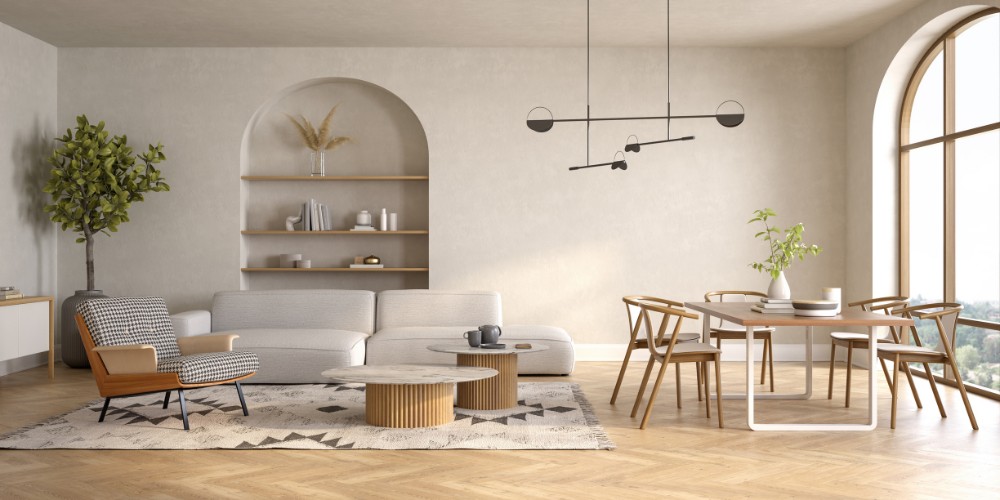
Spatial openness reinforces brightness by reducing visual barriers and promoting fluid circulation. Open-plan arrangements merge living, dining, and work areas seamlessly, allowing light to travel freely. Minimalist furniture with low profiles and clean lines maintains the sense of expansiveness. Floating shelves, wall-mounted storage, and modular seating help retain open sightlines while supporting functionality. In bright space concepts, spatial freedom is as crucial as lighting in creating an elevated atmosphere.
Neutral and Reflective Color Palettes
Color plays a pivotal role in reinforcing brightness. Soft whites, pale grays, creamy beiges, and muted pastels reflect light, enhancing the luminous effect. Occasional accent colors, such as muted blues, gentle terracotta, or soft greens, introduce visual interest without diminishing the sense of openness. Glossy or satin finishes on cabinetry, walls, or countertops further amplify light reflection, creating a sense of airiness and continuity throughout the space.
Minimalist Furniture and Geometric Precision
Furniture should be purposeful, low-profile, and geometrically coherent. Modular sofas, sleek dining tables, and minimalist shelving systems preserve open floor space while maintaining functional elegance. Geometric consistency in shapes and lines creates visual rhythm and contributes to the clarity of the room. Multi-functional pieces, like storage-integrated benches or extendable tables, provide practical solutions without compromising the minimalistic aesthetic essential for bright space concepts.
Texture and Materiality
Even in luminous interiors, texture adds depth and tactility. Light-toned wood, polished stone, glass, and linen introduce subtle contrast while maintaining visual coherence. Layering textures such as a soft rug over timber flooring or linen cushions on a sleek sofa prevents the room from appearing sterile. Thoughtful material choices enhance sensory richness, contributing to a bright space that is not only visually expansive but also comfortable and inviting.
Curated Art and Accessories
Art and decorative objects should be selective to maintain clarity and lightness. One large painting, a sculptural piece, or a few thoughtfully chosen decorative items can anchor the space without cluttering it. Accessories should combine aesthetic and functional roles, such as a minimal lamp, a vase, or a simple storage basket. The curation ensures visual balance, allowing the luminous environment to remain the focal point while enhancing subtle character.
Efficient Storage Solutions
Maintaining uncluttered surfaces is essential in bright spaces. Integrated storage, recessed shelving, and hidden compartments keep everyday items organized without disrupting the clean lines of the interior. Floating units and modular cabinetry allow for flexibility while preserving open pathways. Effective storage enhances both the aesthetic and functional qualities of a space, ensuring that brightness is not compromised by disorder.
Connection to the Outdoors
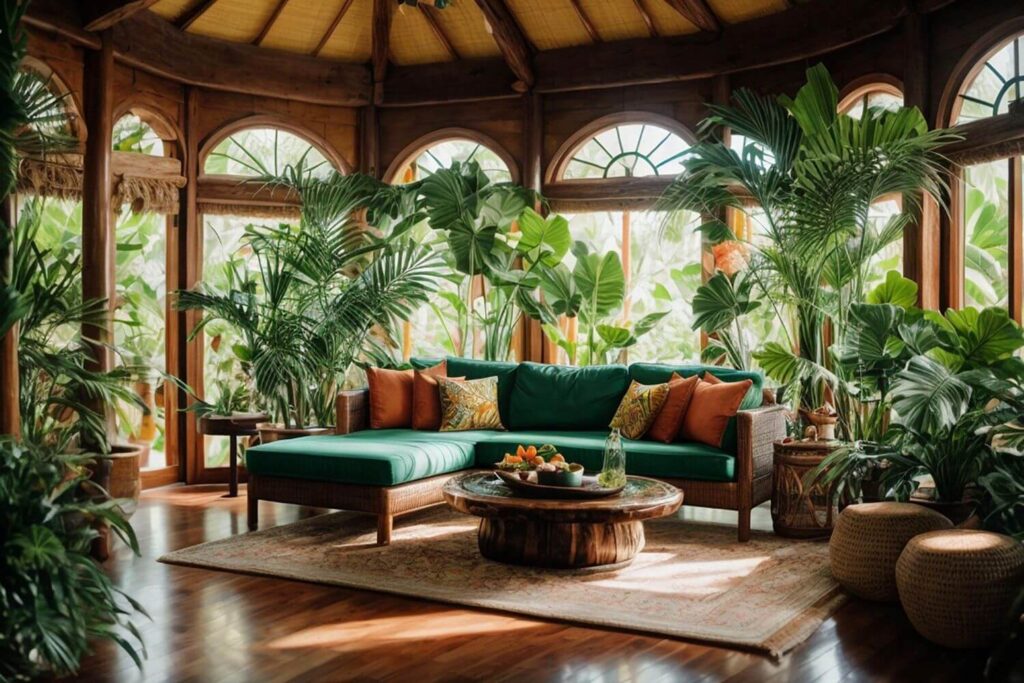
Bringing elements of the exterior environment inside reinforces luminosity and spaciousness. Floor-to-ceiling windows, glass doors, or terraces integrate views of greenery or cityscapes, increasing the sense of openness. Indoor plants or subtle natural materials, such as timber or stone accents, strengthen the connection to nature. This seamless integration of indoor and outdoor spaces enhances the vitality and serenity central to a bright space concept.
Lighting Layers
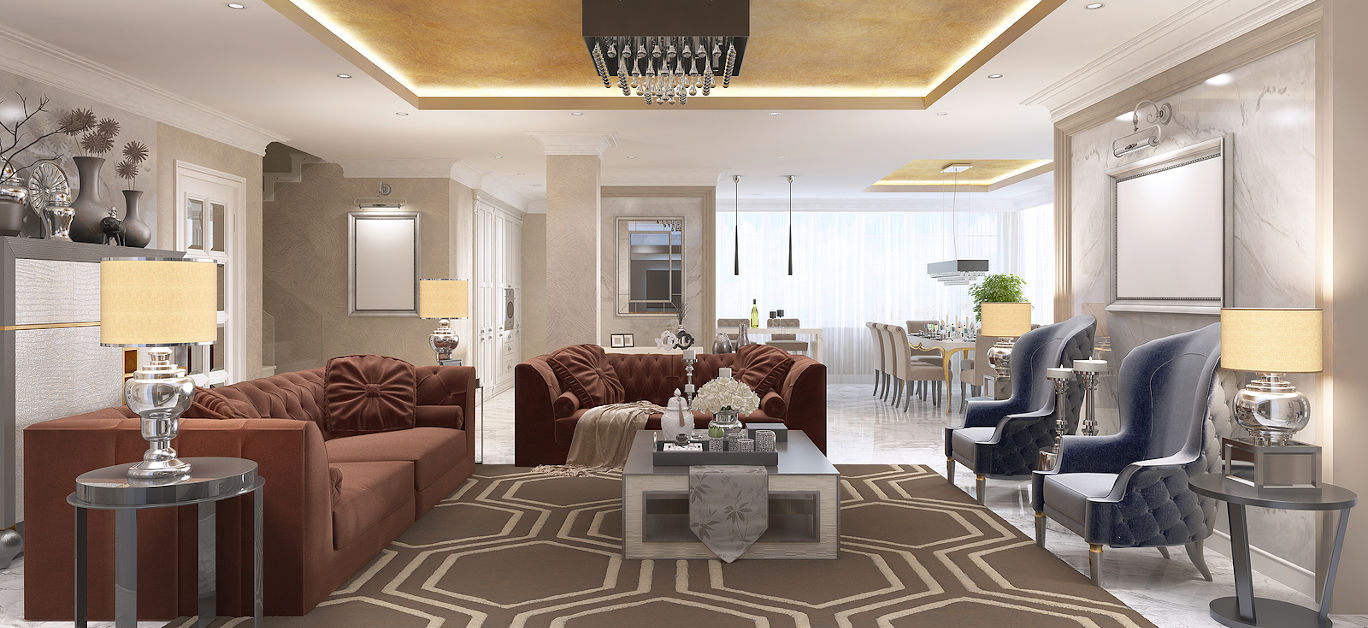
Beyond natural light, artificial lighting is crucial for maintaining brightness throughout the day. Layered illumination ambient, task, and accent lighting enhances function and highlights textures. Recessed ceiling lights, pendant fixtures, and wall-mounted sconces can define zones while keeping the visual field uncluttered. Warm-toned LED bulbs or dimmable options allow control over mood, ensuring spaces remain vibrant, comfortable, and adaptable.
Flow and Spatial Harmony
Intuitive circulation is fundamental for luminous interiors. Open pathways, balanced furniture arrangements, and uninterrupted sightlines facilitate movement and visual coherence. The careful orchestration of light, materials, and layout ensures that each room feels airy, inviting, and harmonious. Bright space concepts leverage spatial rhythm and clarity to create environments that are both functional and visually exhilarating, enhancing well-being while maintaining minimalist sophistication.
About the Author