
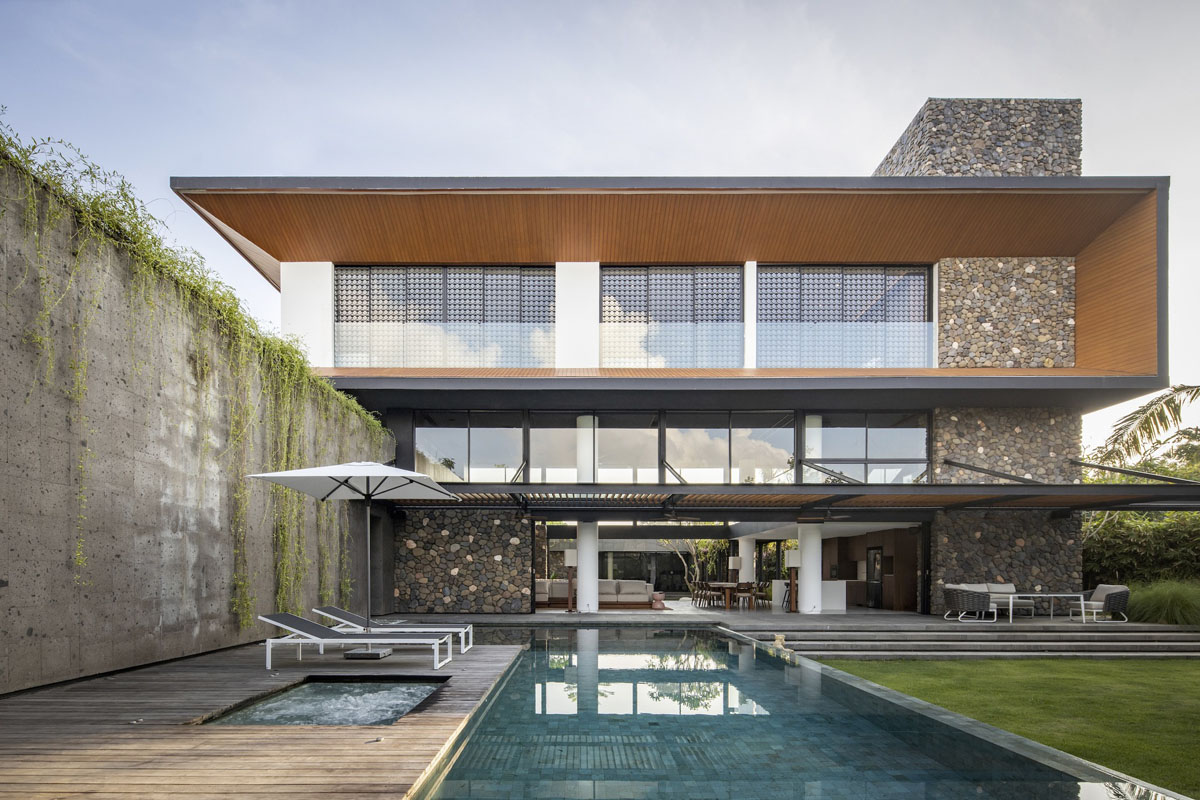
Embracing a Tropical escape design in home interiors transforms ordinary living spaces into serene sanctuaries reminiscent of exotic getaways. This design philosophy emphasizes harmony with nature, abundant natural light, and the infusion of textures and colors that evoke lush landscapes and coastal serenity. Tropical escape design is not merely about aesthetics; it embodies a lifestyle where relaxation, openness, and connection to the environment converge, offering an everyday retreat from urban pressures.
Harnessing Natural Light
A cornerstone of tropical escape design is the strategic use of natural light. Large windows, sliding glass doors, and open floor plans invite sunlight into the interiors, creating airy spaces that breathe. Light-drenched rooms enhance the vibrancy of tropical hues while fostering a sense of freedom and expansiveness. Sheer curtains or bamboo shades allow soft diffusion of sunlight, maintaining warmth and brightness without overwhelming the senses.
Incorporating skylights or strategically placed glass panels further intensifies light flow, illuminating interiors and highlighting architectural and decorative elements. Natural light also promotes energy efficiency, aligning with sustainable practices central to tropical home philosophy.
Integrating Indoor-Outdoor Living
Tropical escape design thrives on seamless indoor-outdoor connectivity. Patios, decks, and verandas act as extensions of living areas, blurring boundaries between the interior and the lush exterior landscape. Outdoor lounges adorned with rattan furniture, wooden decks, and potted greenery create intimate settings for relaxation and social interaction.
Water features such as small fountains or reflecting pools amplify tranquility, while greenery, including palms, ferns, and tropical blooms, enhances the immersive experience. Indoor plants mirror the outdoor environment, providing a continuous thread of nature that extends throughout the home.
Selecting Colors and Materials
Colors in tropical escape design draw inspiration from nature. Soft sandy tones, oceanic blues, muted greens, and coral accents emulate beaches, forests, and sunlit skies. These hues evoke a sense of calm while providing a versatile backdrop for furnishings and decor. Layering textures—woven rattan, bamboo, teak, and linen—adds tactile richness and complements the color palette.
Natural materials also contribute to the longevity and sustainability of interiors. Timber flooring, stone countertops, and organic fabrics enhance authenticity while reinforcing the connection to nature. Combining these elements with subtle metallic accents, such as brass or bronze fixtures, introduces a refined contrast without detracting from the tropical aesthetic.
Furniture and Layout
Furniture in tropical escape design balances comfort and elegance. Low-profile seating, modular arrangements, and multifunctional pieces support both relaxation and entertainment. Sofas with plush cushions, paired with wooden coffee tables and woven side chairs, evoke casual sophistication.
Open layouts prioritize fluidity, allowing movement between rooms and visual continuity. Minimal barriers, such as half walls or glass partitions, maintain separation without interrupting the sense of spaciousness. Furniture placement encourages interaction, while zones for privacy and solitude are subtly incorporated through alcoves or strategic plant arrangements.
Textiles and Accessories
Textiles play a vital role in enhancing tropical escape design. Linen, cotton, and jute fabrics contribute softness and texture while maintaining breathability in warm climates. Layered rugs, throw pillows, and curtains introduce patterns inspired by flora, fauna, and coastal motifs, reinforcing the immersive tropical environment.
Accessories such as handcrafted baskets, ceramic pottery, and woven trays reflect artisanal craftsmanship and regional character. Artworks depicting landscapes, ocean scenes, or abstract tropical patterns further personalize interiors, creating a narrative that resonates with the home’s escape ethos.
Embracing Outdoor Views
Framing and optimizing views is critical to achieving a tropical escape ambiance. Windows oriented toward gardens, pools, or natural landscapes enhance the sense of continuity and provide dynamic scenery that changes with light and seasons. Seating arrangements near these vantage points invite contemplation and relaxation, turning everyday moments into mini-retreats.
Balconies and terraces equipped with comfortable seating encourage connection to fresh air and natural sounds. Incorporating vertical gardens or trellises softens views while adding privacy, creating a microcosm of tropical immersion.
Fostering Tranquility and Wellness
The ultimate goal of tropical escape design is to cultivate spaces that promote tranquility and well-being. The combination of natural light, soothing colors, organic materials, and strategic greenery fosters a calming environment that reduces stress. Incorporating meditation corners, reading nooks, or small water features further enhances the restorative quality of interiors.
Airflow is also crucial; cross-ventilation and ceiling fans maintain comfort while reinforcing the connection with natural surroundings. By integrating elements that support sensory engagement—sight, touch, and sound—homes designed for tropical escapes create an immersive, holistic experience.
Subtle Technology Integration
While tropical escape design celebrates natural simplicity, modern conveniences can be incorporated unobtrusively. Automated lighting, climate control, and discreet audio systems enhance comfort without compromising the organic aesthetic. Smart home technology, when thoughtfully integrated, supports the lifestyle of ease and relaxation central to tropical escapes.
Final Thoughts
Tropical escape design transforms residences into sanctuaries that mirror the serenity and beauty of tropical landscapes. Through thoughtful attention to light, materials, furniture, and greenery, homes achieve a balance of comfort, elegance, and immersion in nature. Every element, from textures to spatial flow, contributes to a cohesive environment where relaxation and visual delight coexist, ensuring that daily living feels like a continuous tropical retreat.
About the Author

:max_bytes(150000):strip_icc()/elebash_1113_02-2000-d93cd8f43c274b0f8d95f2805c75a55d.jpg "Tropical Home Design with Island Vibes")


:max_bytes(150000):strip_icc()/Traditional-living-room-with-gilt-mirror-58bc74e83df78c353c0df95a.png "Classic Interior Style with Grand Accents")
