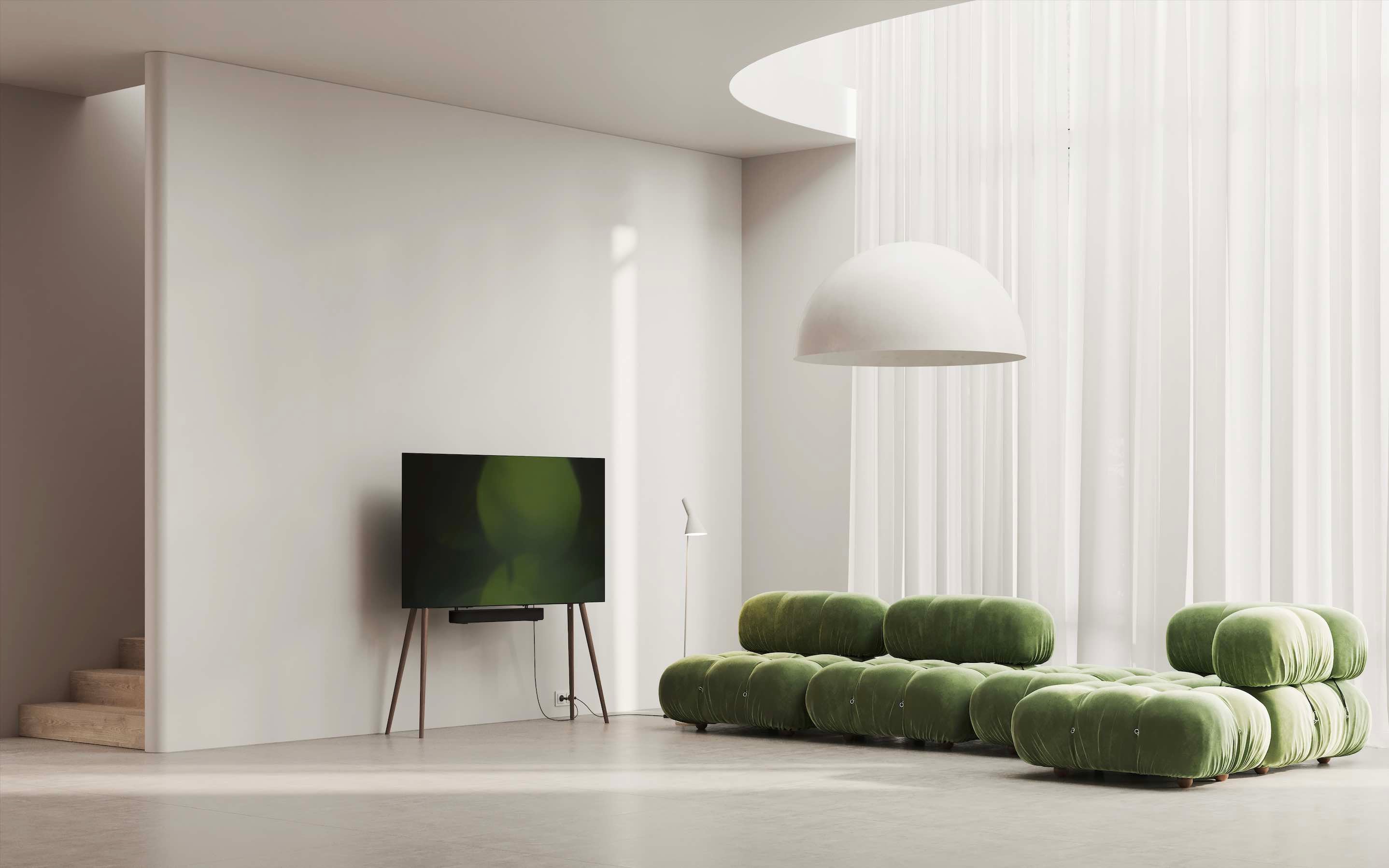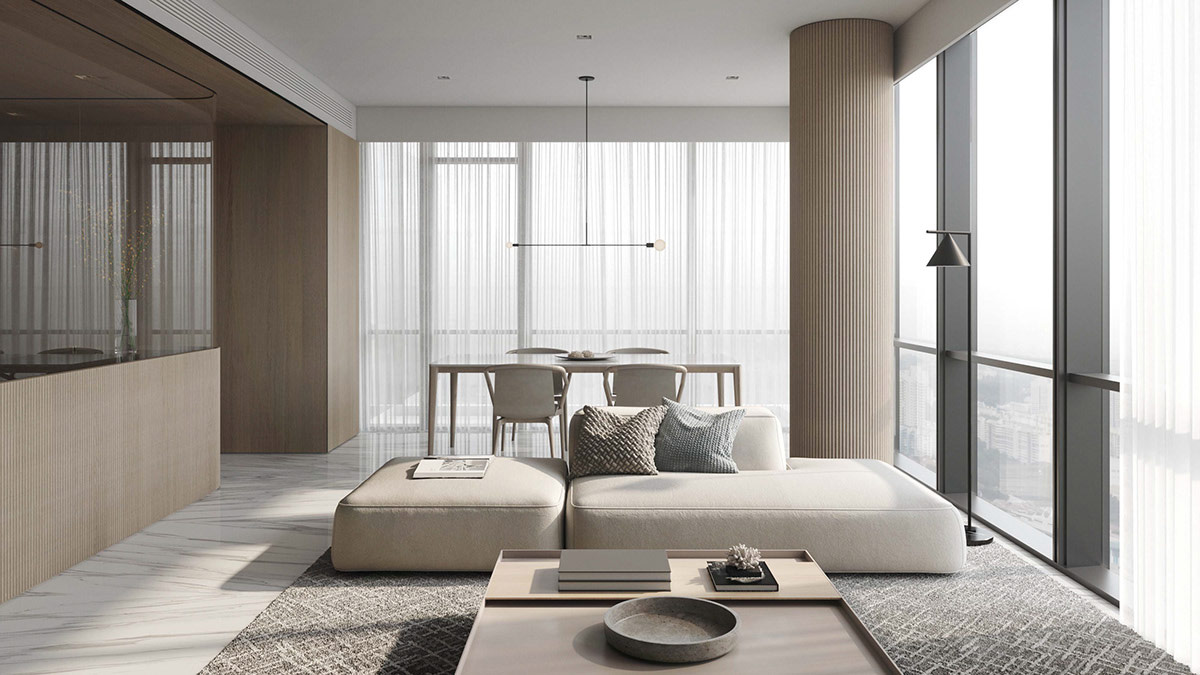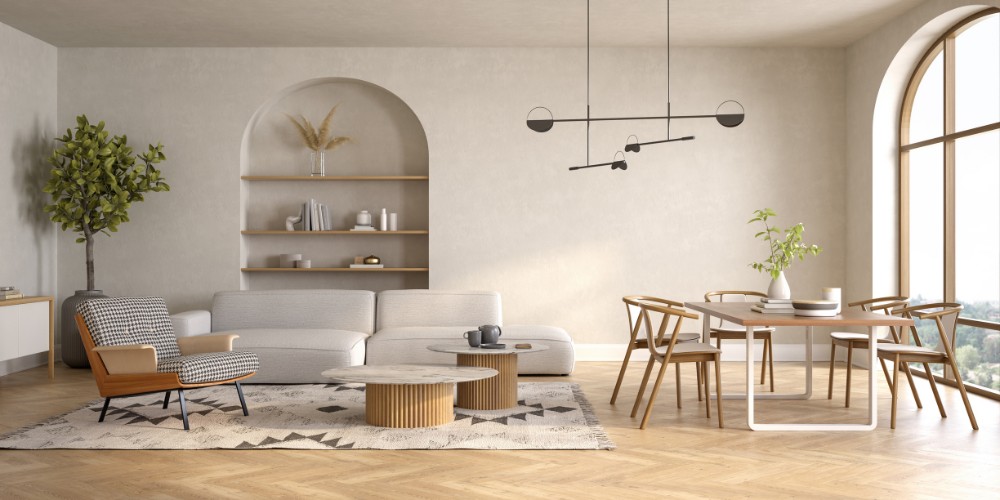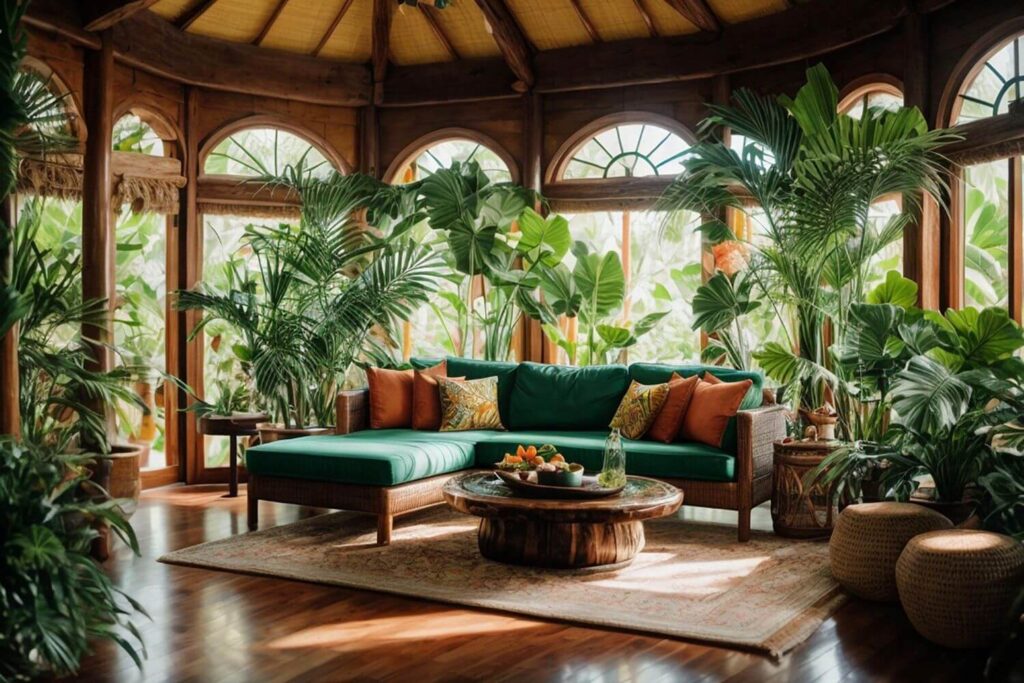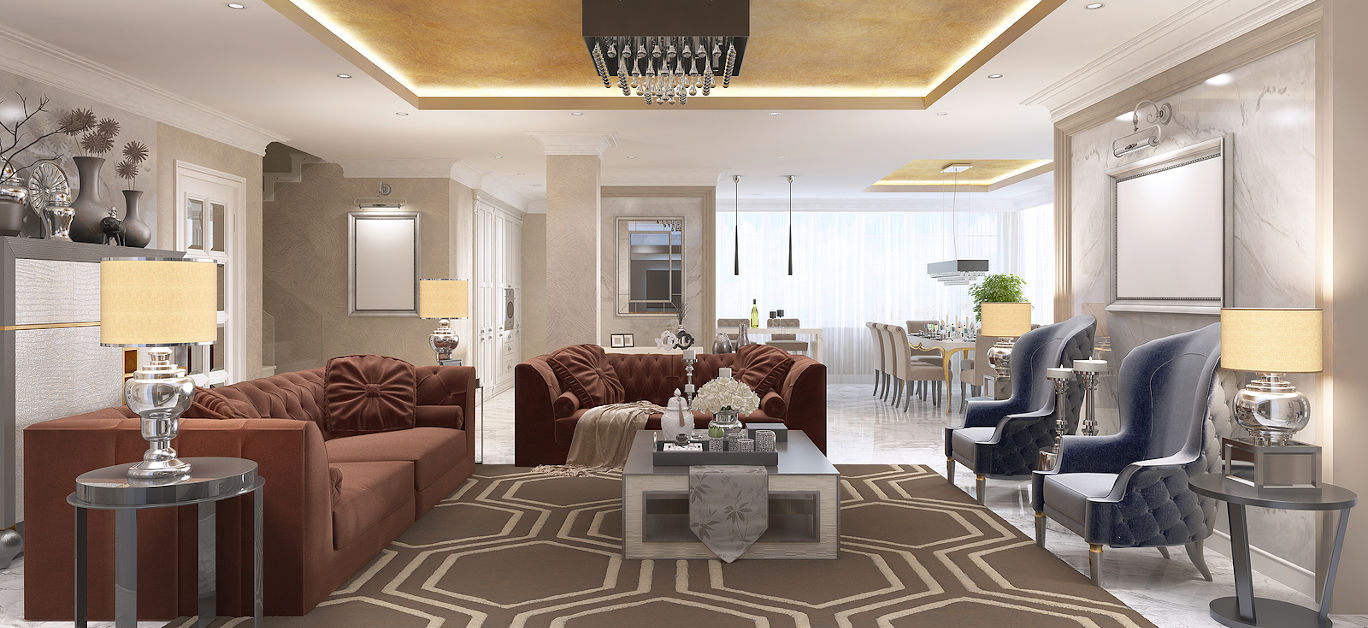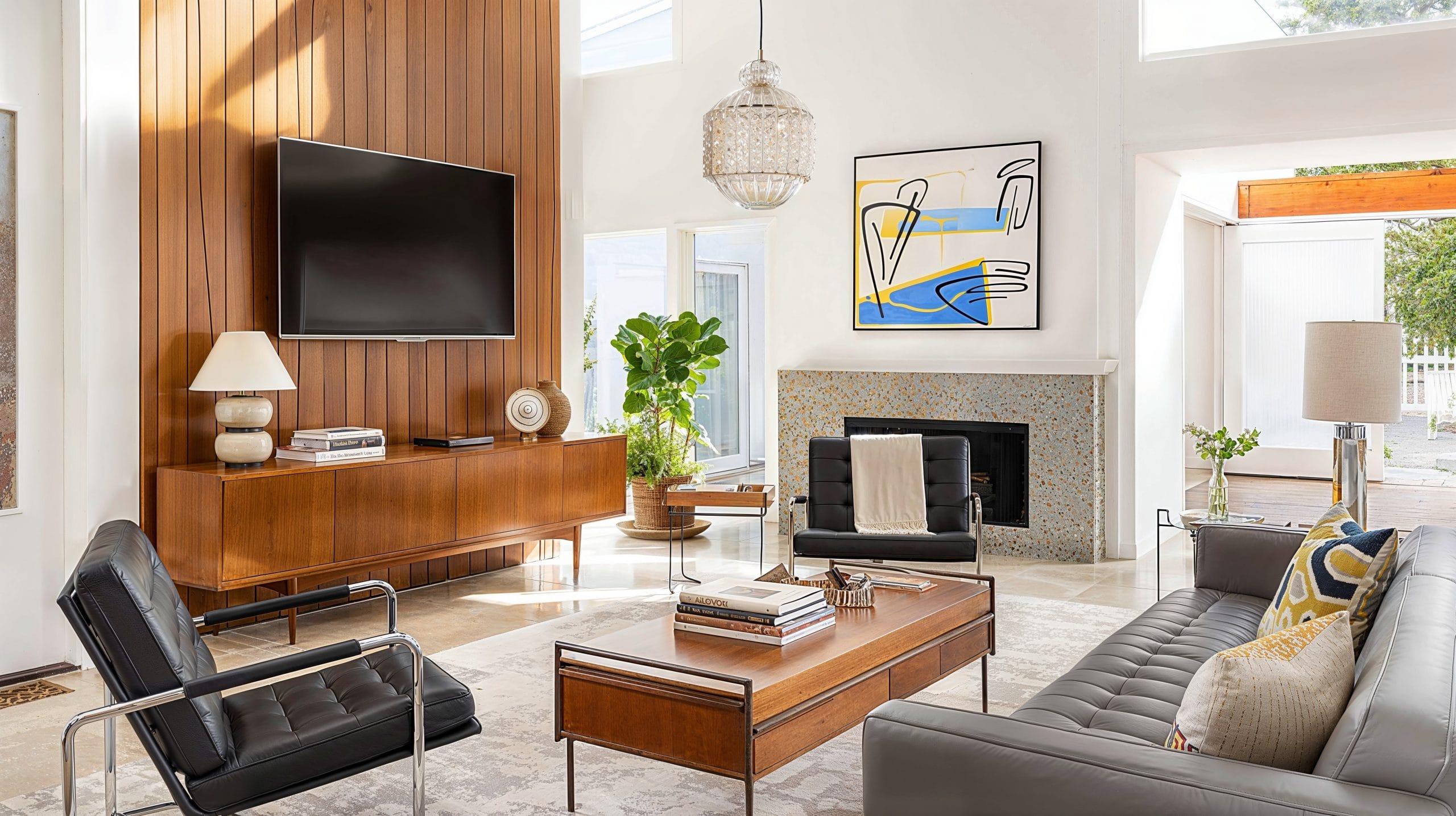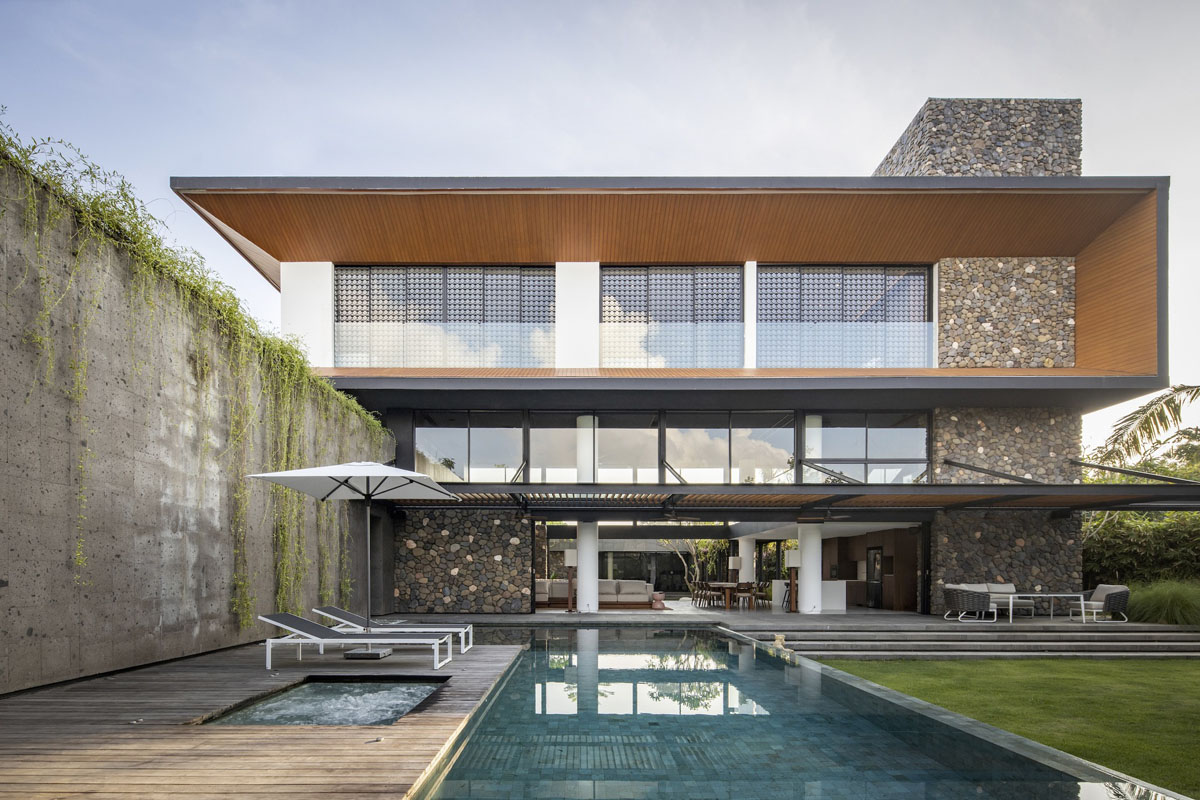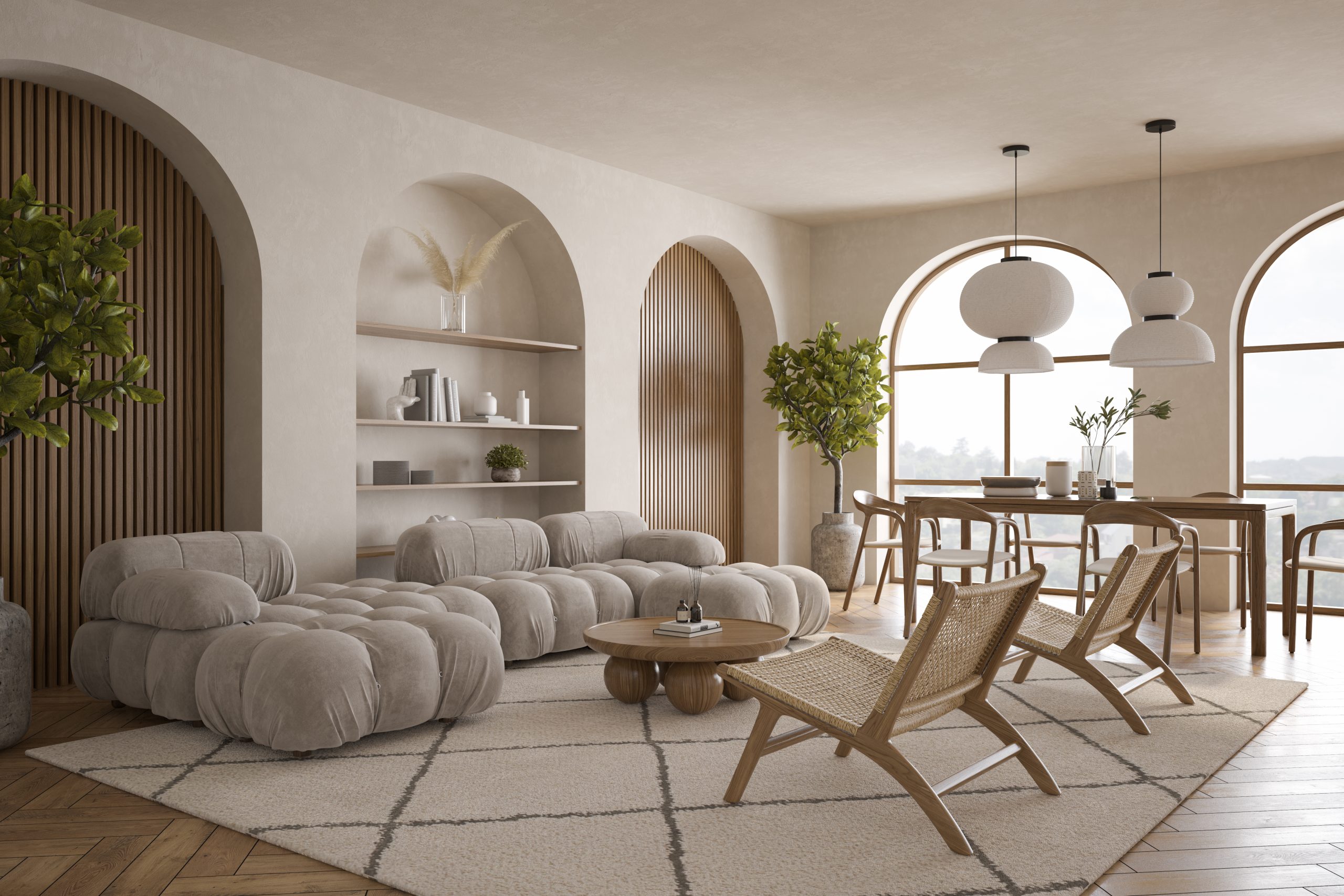
Creating a serene and harmonious home begins with a soft neutral accents approach, where muted tones, clean lines, and purposeful simplicity converge. This minimalist interior concept prioritizes clarity, light, and balance, allowing spaces to feel both inviting and expansive. Neutral shades form a subtle backdrop, while carefully chosen textures and complementary hues introduce warmth and dimension. The interplay between minimalism and soft, understated colors produces interiors that are timeless, calming, and aesthetically sophisticated.
Embracing Subtle Color Palettes
Soft neutrals form the foundation of this minimalist concept. Warm whites, soft beiges, pale grays, and gentle taupes create a tranquil environment that enhances natural light and emphasizes spatial clarity. These tones provide flexibility, allowing furnishings, textiles, and décor to stand out without overwhelming the room. Accent shades, such as muted blush, sage green, or powder blue, can be introduced sparingly to create depth and visual interest while maintaining overall harmony.
Maximizing Natural Light
Light is essential for enhancing soft neutral interiors. Large windows, skylights, and open layouts allow daylight to permeate spaces, highlighting textures and enhancing the warmth of muted tones. Sheer curtains or translucent panels diffuse sunlight evenly, softening shadows and creating a luminous ambiance. Reflective surfaces, such as polished wood, stone countertops, or subtle metallic accents, amplify natural light, making interiors feel airy and inviting.
Minimalist Furniture with Functional Elegance
Furniture should be streamlined, functional, and proportionate to the space. Low-profile sofas, modular seating, and simple wooden tables maintain openness while ensuring comfort and practicality. Geometric precision and balanced proportions enhance the flow and cohesion of rooms. Multi-functional pieces, like storage-integrated benches or extendable dining tables, allow flexibility without cluttering visual lines. The simplicity of furniture complements soft neutral accents, reinforcing a sense of tranquility.
Layering Textures for Warmth
Texture introduces depth and tactility to minimalist interiors. Soft textiles, including wool rugs, linen cushions, and velvet throws, create a comforting contrast against sleek surfaces. Natural materials, such as timber, stone, or woven fibers, enhance sensory appeal while maintaining minimalism. Layering textures prevents spaces from feeling sterile, ensuring that soft neutral accents feel both inviting and visually engaging.
Curated Décor and Art
Decorative elements should be intentional and sparing to preserve clarity and calm. One statement artwork, sculptural object, or elegant vase can act as a focal point without overwhelming the space. Accessories should balance aesthetics and utility: minimalist lighting, subtle ornaments, or handcrafted storage boxes maintain coherence. Strategic curation ensures that each element contributes to the overall visual narrative while enhancing the serenity created by soft neutral accents.
Integrated Storage Solutions
Effective storage is vital in maintaining minimalistic elegance. Concealed cabinets, floating shelves, and built-in compartments keep possessions organized while preserving open surfaces. Modular units optimize functionality without disrupting spatial flow. Proper storage allows rooms to maintain their airy and uncluttered quality, reinforcing the calming effect of soft neutral interiors.
Layered Lighting for Ambiance
Artificial lighting complements natural illumination to highlight textures and create warmth. Layered lighting, including ambient, task, and accent fixtures, ensures functionality and aesthetic appeal. Pendant lights over work areas, floor lamps near reading nooks, and recessed lighting along walls create a balanced atmosphere. Warm-toned bulbs enhance the subtlety of neutral hues, emphasizing softness and comfort throughout the space.
Connection to Nature
Incorporating natural elements enhances tranquility and visual interest. Indoor plants, timber finishes, stone accents, and woven accessories bring organic textures and colors that harmonize with soft neutral palettes. Access to outdoor views or natural elements increases perceived space, fosters serenity, and reinforces a sense of timelessness. Even subtle interventions, such as a small potted plant or a wooden sculpture, enrich the sensory experience of minimalist interiors.
Spatial Flow and Harmony
Flow is critical for ensuring calm and cohesion. Open pathways, balanced furniture arrangements, and uninterrupted sightlines facilitate intuitive movement. Spatial rhythm allows each zone to feel purposeful and comfortable while supporting visual continuity. Combining layout, light, and texture ensures that rooms feel inviting, expansive, and balanced, enhancing the overall impact of soft neutral accents.
Creating Timeless Appeal
Soft neutral interiors are inherently adaptable, providing a lasting aesthetic that evolves with personal style and trends. By prioritizing understated color, texture, and form, these interiors maintain relevance and sophistication over time. Each element, from material selection to lighting and décor, contributes to a cohesive, elegant, and serene environment that embodies the principles of minimalist design.
About the Author