Creating interiors that feel expansive yet functional begins with space maximizing ideas, where minimalism meets thoughtful planning and deliberate design. The principle focuses on reducing clutter, optimizing layouts, and utilizing multifunctional furniture to achieve openness without sacrificing comfort. Every element, from lighting to materiality, is curated to enhance the perception of space while maintaining elegance and harmony. In such interiors, efficiency and aesthetic clarity coexist, ensuring that rooms feel airy, organized, and visually sophisticated.
Open-Plan Layouts
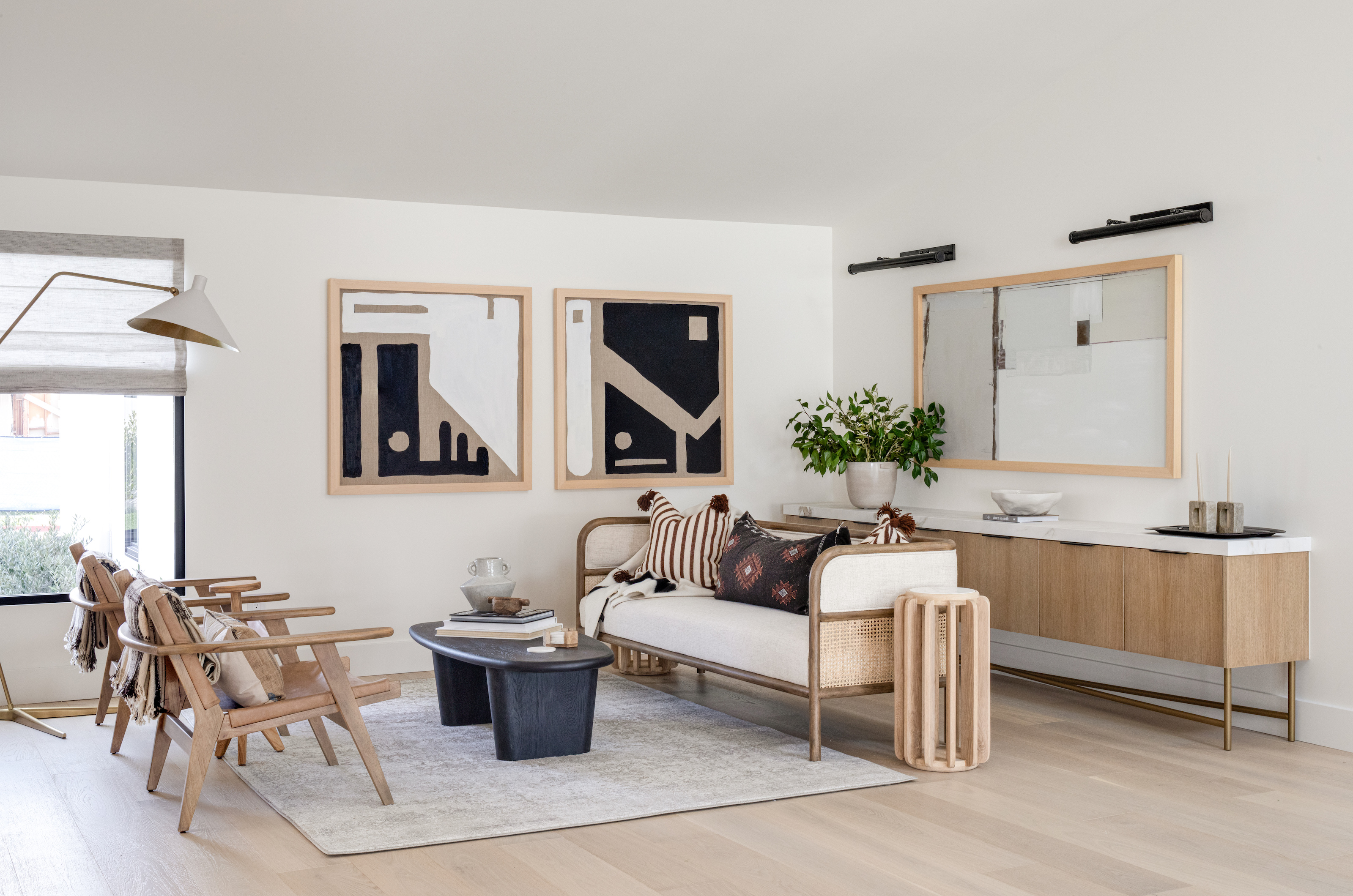
Open layouts are essential for maximizing space. Removing unnecessary partitions allows light and sightlines to travel freely, creating a sense of expansiveness. Furniture should be arranged to maintain flow and accessibility, with low-profile pieces that do not obstruct movement. By integrating living, dining, and work areas seamlessly, interiors feel cohesive, flexible, and multifunctional, embodying the essence of minimalist space maximizing ideas.
Multifunctional Furniture
Furniture that serves more than one purpose is a cornerstone of spatial efficiency. Storage-integrated seating, foldable tables, and modular shelving optimize usability without crowding the room. Extendable dining tables or sofas with hidden compartments allow interiors to adapt to varying needs. Each piece should blend functionality with aesthetic simplicity, reinforcing minimalism while maximizing the perception of space.
Vertical Utilization
Vertical space is often overlooked but is vital in small or constrained interiors. Tall shelving, wall-mounted storage, and suspended cabinets draw the eye upward, freeing floor space while adding practical storage. Lofted beds or elevated workstations can create additional usable areas below, enhancing functionality. By thinking vertically, interiors achieve a sense of volume and openness, central to effective space maximizing ideas.
Light and Color Strategies
Natural light amplifies spatial perception. Large windows, skylights, and glass doors illuminate interiors, enhancing depth and clarity. Sheer curtains or translucent panels diffuse sunlight, preventing glare while maintaining brightness. Neutral palettes, including soft whites, beiges, and muted grays, reflect light and visually expand space. Accents in subtle tones provide depth without compromising openness, supporting both aesthetic and functional goals.
Strategic Storage Solutions
Clutter diminishes both space and tranquility. Recessed shelving, under-bed storage, and built-in cabinetry keep possessions organized and out of sight. Floating units and modular systems preserve clean surfaces, reinforcing openness. Smart storage not only optimizes functionality but also contributes to the serene and expansive feel of minimalist interiors, making it a central component of space maximizing ideas.
Minimalist Décor
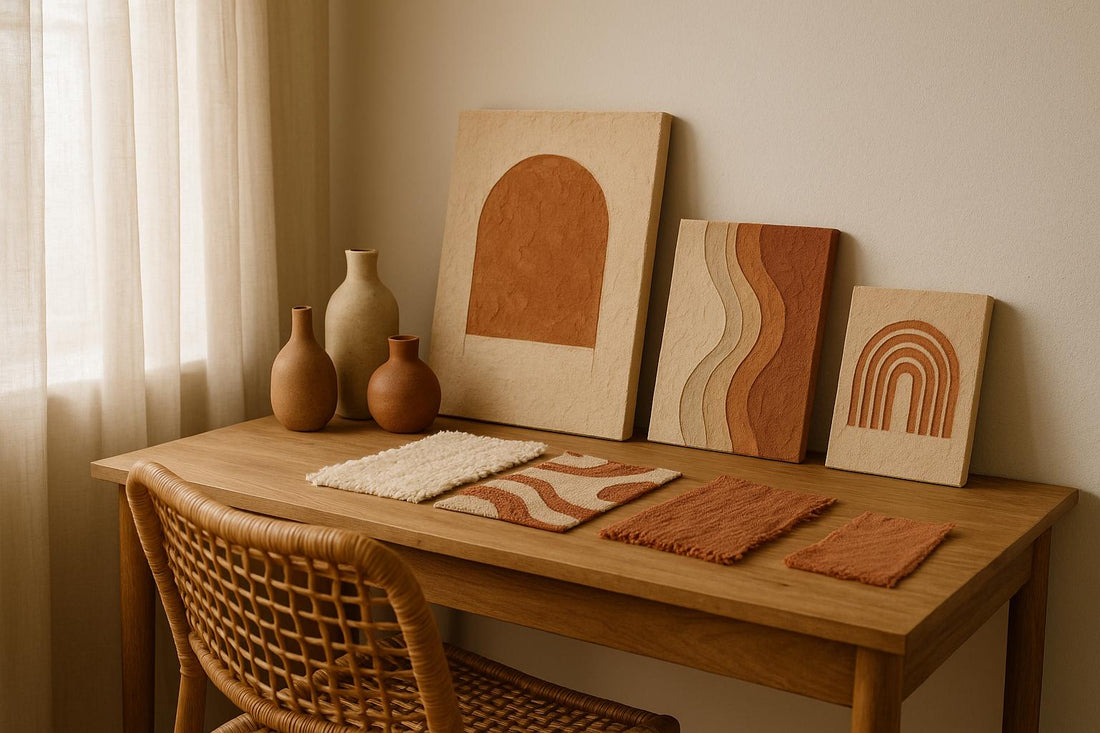
In maximizing space, decoration should be purposeful and restrained. One or two curated artworks, subtle sculptures, or minimal decorative objects maintain visual interest without overwhelming the room. Accessories should combine utility and style, such as elegant storage boxes or functional lighting. Minimalist décor enhances spatial clarity, allowing architecture and furniture to define the environment.
Layered Lighting
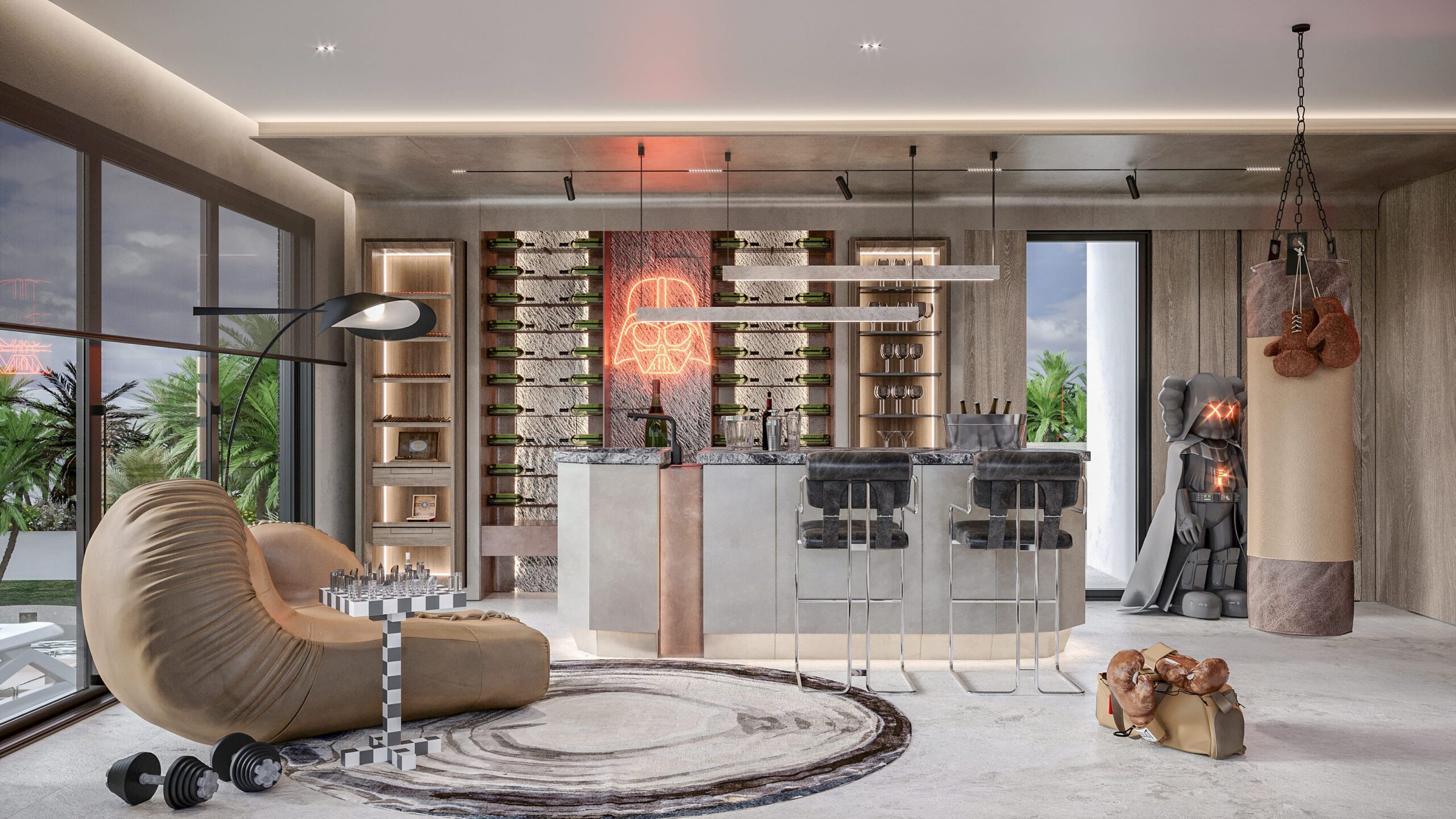
Artificial lighting complements natural light to enhance both function and perception. Ambient, task, and accent layers create depth and dimension. Recessed ceiling lights, pendant fixtures, and floor lamps establish zones while maintaining an uncluttered aesthetic. Proper lighting draws attention to textures, surfaces, and architectural lines, reinforcing the perception of expanded space.
Connection to Nature
Incorporating natural elements improves both ambiance and perceived space. Indoor plants, timber finishes, and stone accents introduce organic textures and visual contrast. Large windows connecting interiors to exterior landscapes extend the sense of openness. Even subtle interventions, like a potted plant or a wooden sculpture, enrich the spatial experience while maintaining minimalism.
Flow and Spatial Rhythm
Intuitive circulation enhances efficiency and spatial perception. Clear pathways, balanced furniture placement, and unobstructed sightlines allow for effortless movement. Each zone should feel purposeful while remaining flexible for different activities. Thoughtful flow ensures that minimalism and functional design coexist, making interiors feel expansive, harmonious, and adaptable.
Material Selection and Textural Balance
Materials contribute to both perception and functionality. Timber, stone, glass, and high-quality laminates introduce warmth and tactility while maintaining visual clarity. Textural layering, such as a soft rug over a sleek floor or linen cushions on a minimalist sofa, adds depth without overcrowding. Careful selection of materials ensures that interiors are inviting, refined, and efficient in the use of space.
Integrating Technology
Smart home technology can enhance space utilization without intruding visually. Automated lighting, climate control, and concealed entertainment systems reduce physical clutter while increasing convenience. Technology integrated discreetly supports both functionality and the minimalist aesthetic, reinforcing the principles of space maximizing ideas.
By combining thoughtful layout, multifunctional furniture, natural light, and carefully curated décor, minimalist interiors can feel far more spacious than their physical dimensions. Strategic use of verticality, storage, and materiality ensures every element contributes to a cohesive, airy, and efficient environment.
About the Author


:max_bytes(150000):strip_icc()/Traditional-living-room-with-gilt-mirror-58bc74e83df78c353c0df95a.png "Classic Interior Style with Grand Accents")