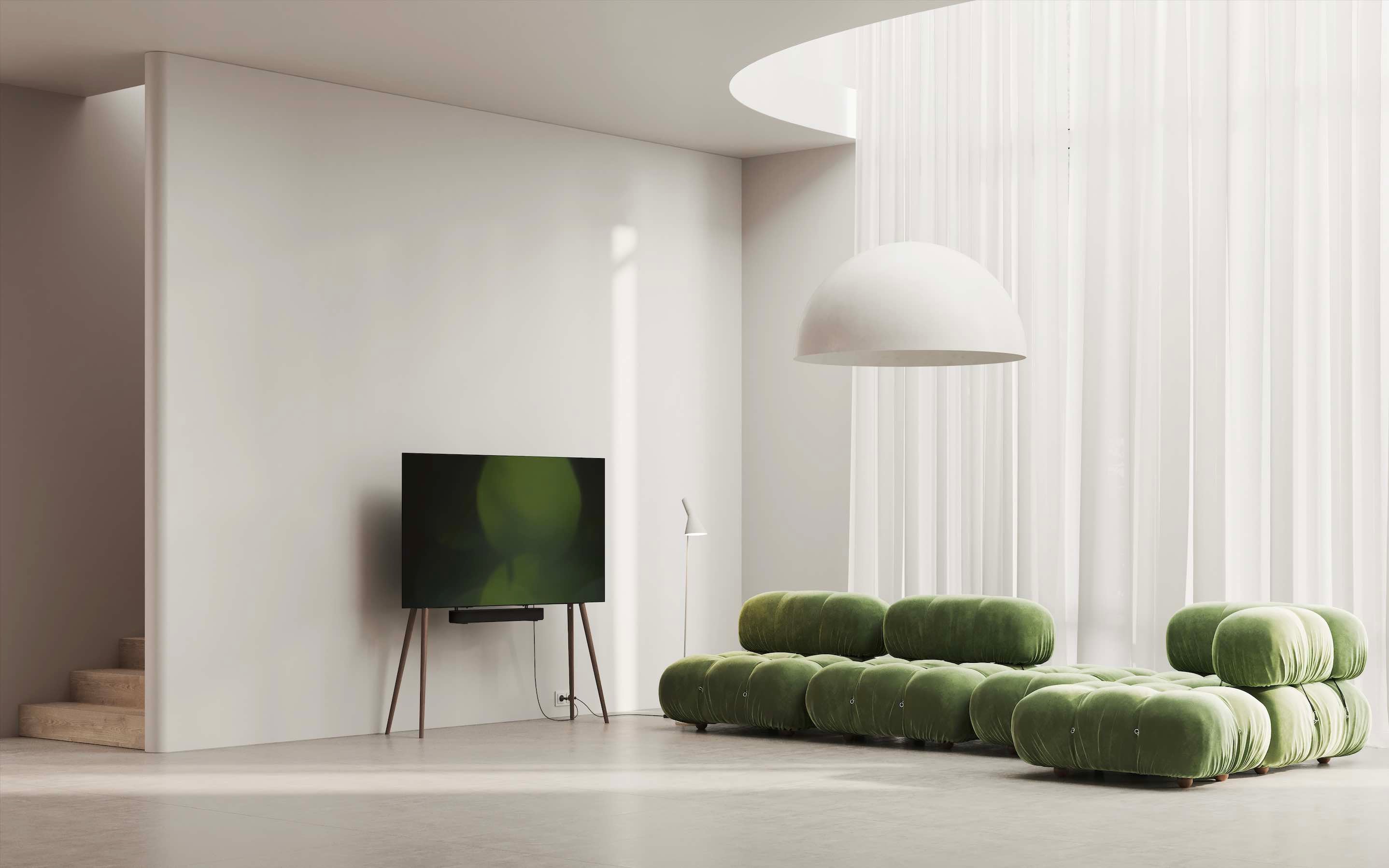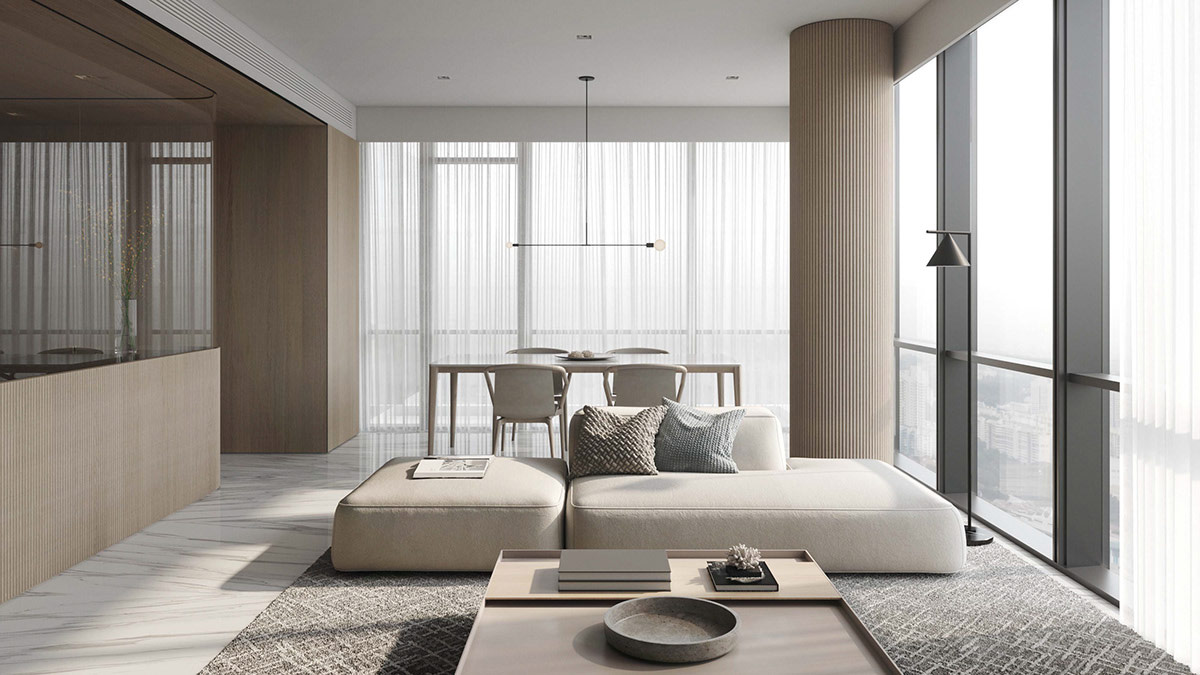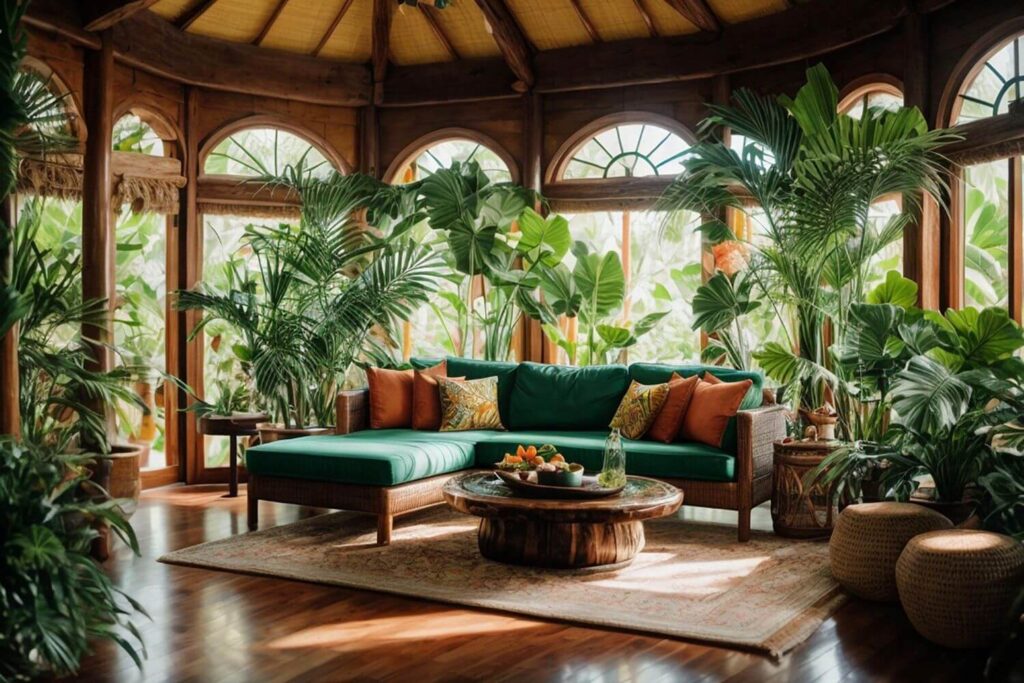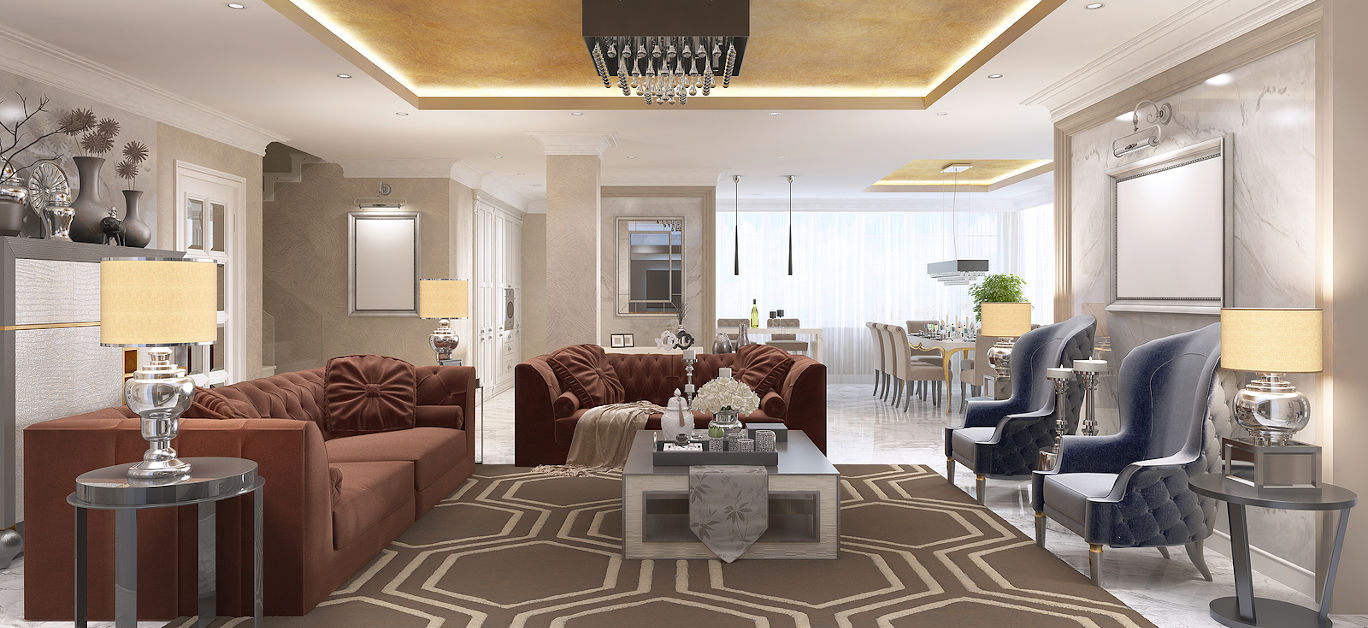
Integrating organic elements into modern spaces creates a serene and balanced environment, epitomized by natural touch interiors, where minimalism meets the tranquility of nature. This concept emphasizes simplicity, functionality, and the use of natural materials to craft spaces that feel both elegant and grounded. Clean lines, open layouts, and carefully curated textures allow the warmth and vitality of natural elements to emerge without overwhelming the minimalist framework. Each component, from furniture to finishes, contributes to a cohesive ambiance that nurtures calm, clarity, and connection with the environment.
Emphasizing Organic Materials
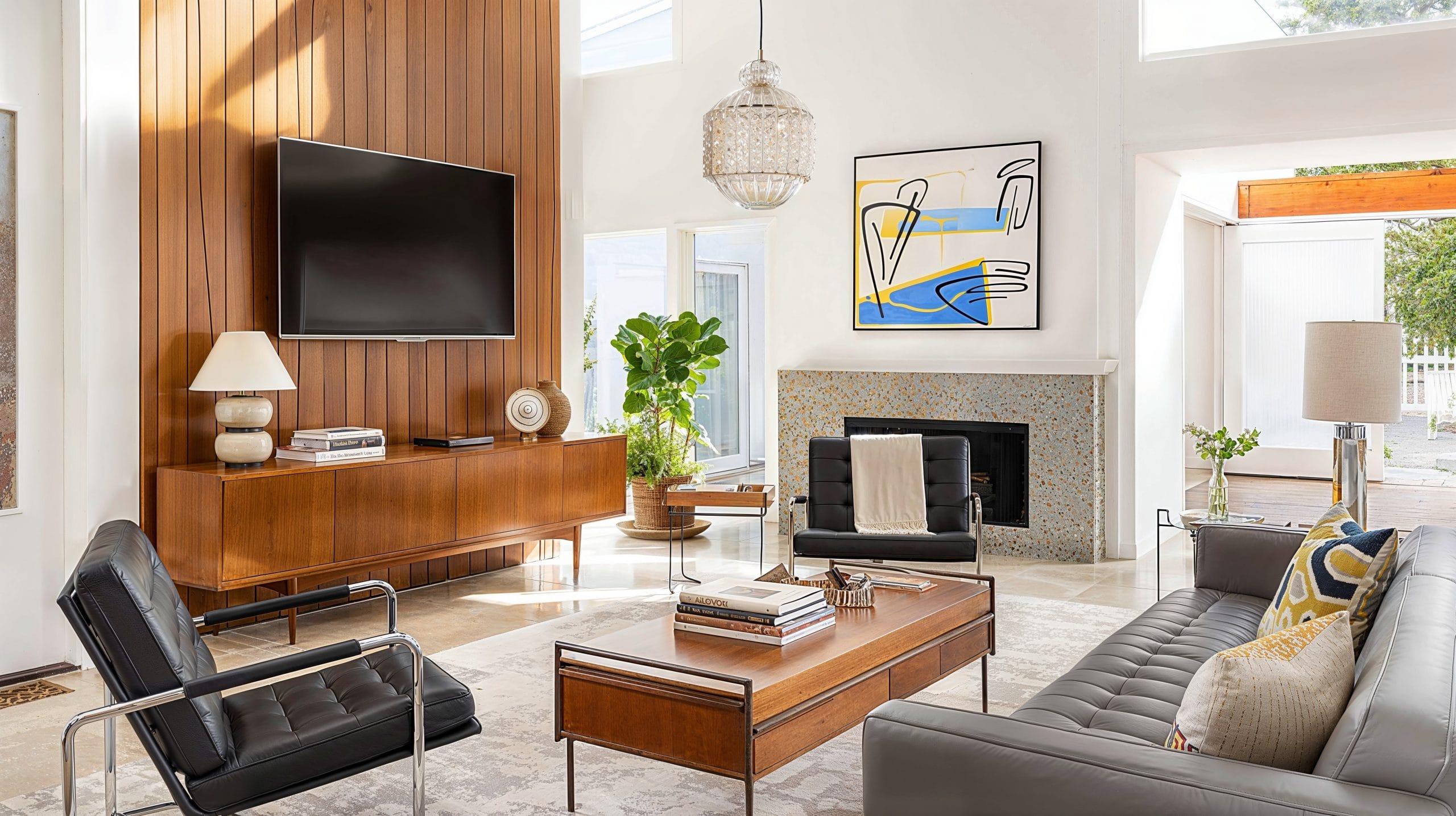
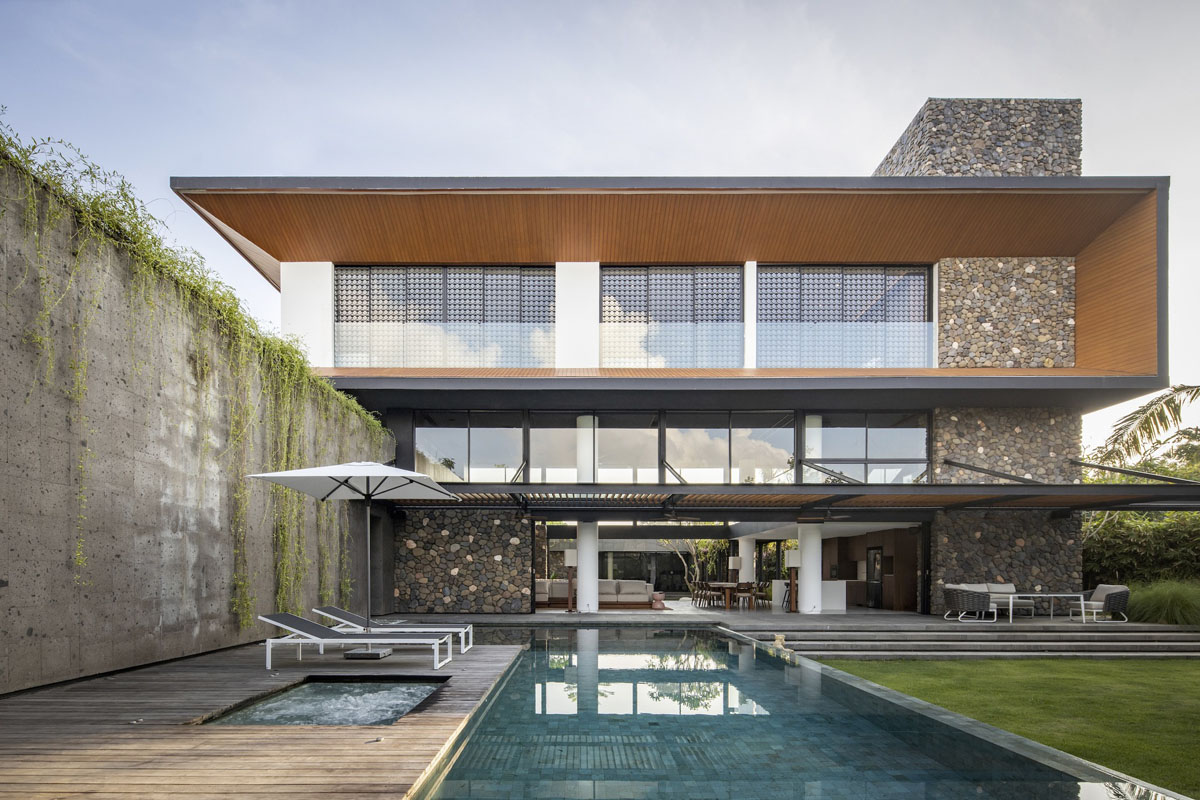
Materials are at the heart of natural touch interiors. Timber, stone, linen, cotton, and clay add tactile depth and visual warmth to otherwise minimalist settings. Exposed wooden beams, stone accent walls, or raw-edge furniture create focal points while maintaining visual restraint. Textural contrasts, such as a soft wool rug on a polished timber floor or linen cushions on a sleek sofa, enhance sensory experience without cluttering the space.
Neutral and Earthy Palettes
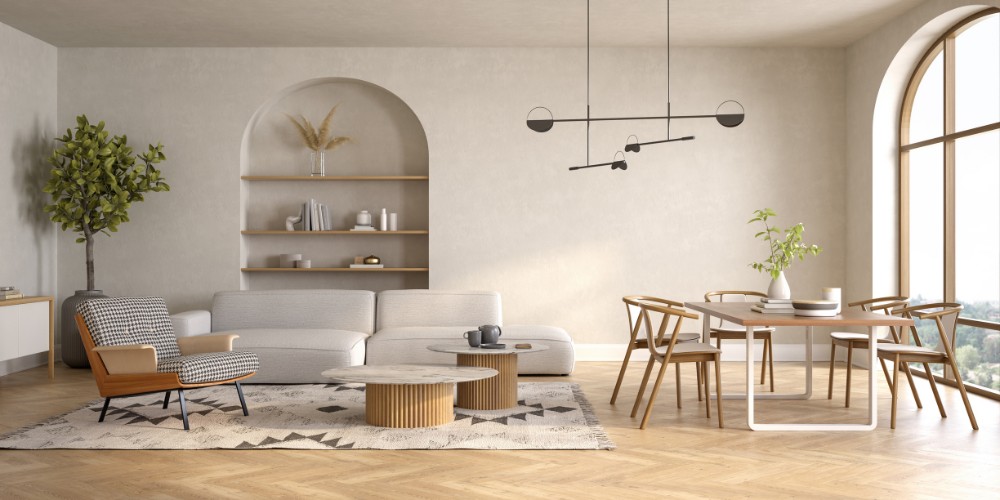
Color palettes in natural touch interiors lean toward muted, earthy tones. Warm beiges, soft grays, olive greens, and sandy taupes evoke a sense of serenity and timelessness. These colors reflect light, expand spatial perception, and harmonize with organic materials. Accent tones inspired by nature, such as terracotta, deep green, or muted ochre, provide subtle depth and visual intrigue while remaining understated.
Maximizing Natural Light
Light amplifies the effect of natural elements in minimalist interiors. Large windows, skylights, and glass doors bring in daylight, highlighting textures and enhancing warmth. Sheer curtains or translucent panels diffuse sunlight, preventing harsh contrasts while maintaining brightness. Reflective surfaces, including polished stone or glass tables, further distribute light and create the illusion of spaciousness.
Functional Furniture with Natural Influence
Furniture in natural touch interiors should combine simplicity with material integrity. Timber tables, rattan chairs, and leather seating maintain minimal lines while showcasing organic beauty. Multi-functional pieces, such as storage-integrated benches or modular shelving, support flexibility without compromising aesthetic coherence. Attention to proportion, scale, and craftsmanship ensures each element contributes to an atmosphere of calm and refinement.
Greenery and Biophilic Elements
Plants are essential in natural touch interiors, introducing life, color, and texture. Large potted plants, hanging planters, and small indoor shrubs create focal points while improving air quality and enhancing mood. Integrating greenery with minimal furniture and décor reinforces harmony, while strategically placed plants can delineate zones without interrupting spatial flow. Biophilic design strengthens the connection between interior spaces and the natural environment.
Textural Layering
Layering textures adds depth and comfort to minimalist interiors. Woven baskets, linen throws, soft rugs, and clay accessories provide tactile richness without visual clutter. Combining smooth, polished surfaces with raw, organic textures creates a balanced environment that is both visually stimulating and serene. Subtle textural interplay highlights natural materials and enhances the perception of warmth and livability.
Curated Decorative Elements
Decoration in natural touch interiors should be intentional and restrained. One or two sculptural objects, handcrafted ceramics, or natural fiber accessories can serve as focal points while maintaining spatial clarity. Avoiding excessive ornamentation allows the beauty of materials and forms to speak for themselves. Curated elements reinforce cohesion, ensuring the minimalist aesthetic remains clean yet inviting.
Integrated Storage Solutions
Maintaining order is crucial for clarity in minimalist spaces. Recessed shelving, floating cabinets, and modular storage solutions preserve open surfaces and unobstructed pathways. Hidden storage ensures functionality while maintaining the visual simplicity essential to natural touch interiors. Efficient storage supports tranquility by preventing clutter and allowing natural textures and forms to remain prominent.
Layered Lighting for Ambience
Artificial lighting complements natural daylight and enhances the warmth of materials. Layered illumination, including ambient, task, and accent lights, can highlight textures and natural elements. Pendant lamps over wooden tables, floor lamps near seating areas, and recessed ceiling lights establish zones of focus and relaxation. Warm, soft light emphasizes the organic qualities of materials and enhances spatial comfort.
Connection with Outdoor Spaces
Seamless integration with the outdoors strengthens the natural touch concept. Large windows, sliding glass doors, and terraces extend the interior into gardens or landscapes, increasing perceived space and reinforcing biophilic principles. Natural views provide a continuous connection to the environment, encouraging relaxation and mindfulness. Even subtle outdoor elements, such as potted plants or small stone installations visible through a window, enhance the sense of harmony.
Flow and Spatial Harmony
Maintaining fluid circulation is essential in natural touch interiors. Open pathways, balanced furniture placement, and clear sightlines allow for effortless movement. Each element, from textures to light to materials, contributes to a coherent and serene environment. Thoughtful orchestration of these elements ensures that minimalism and natural touches coexist, creating spaces that feel expansive, grounded, and timeless.
About the Author