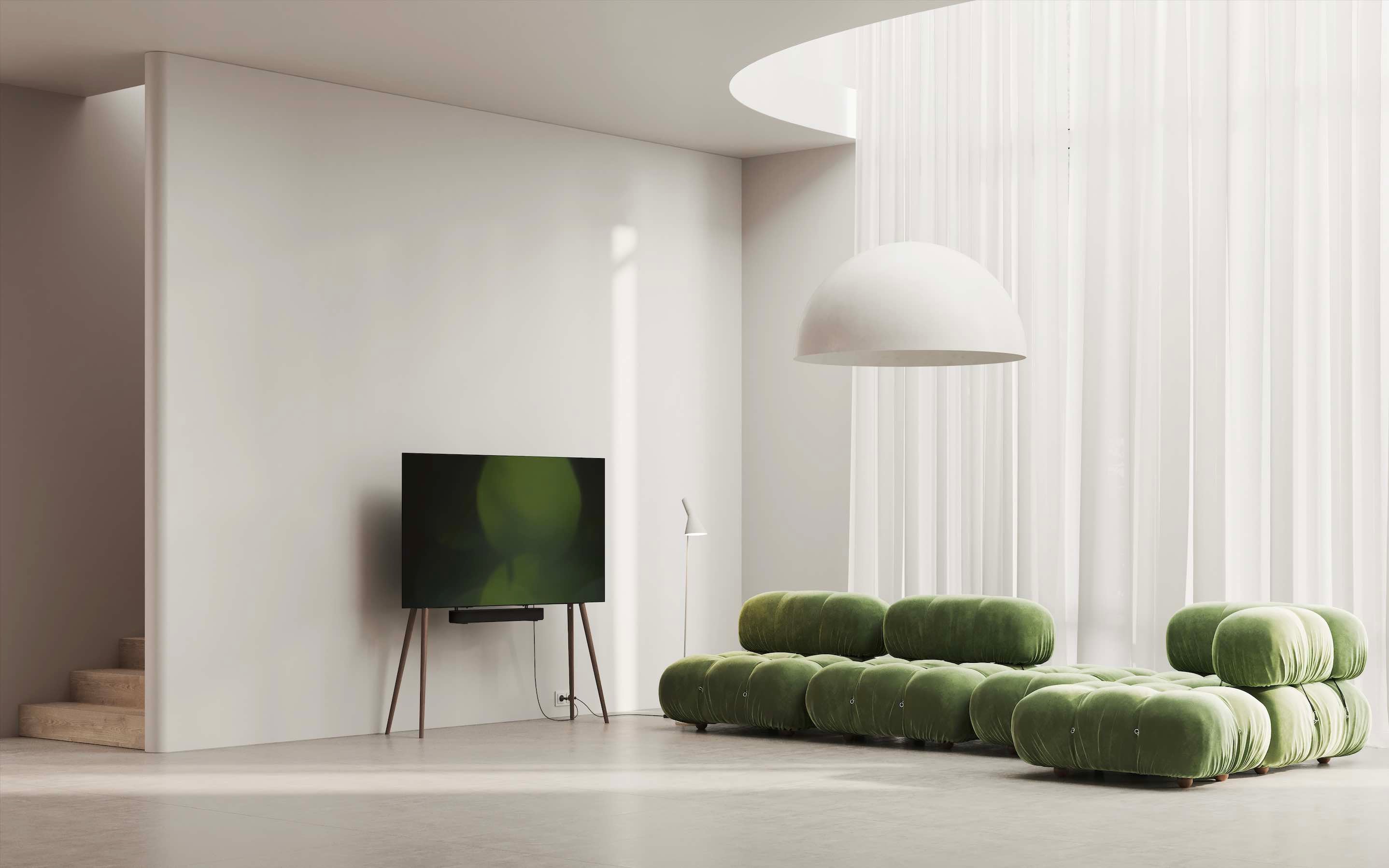
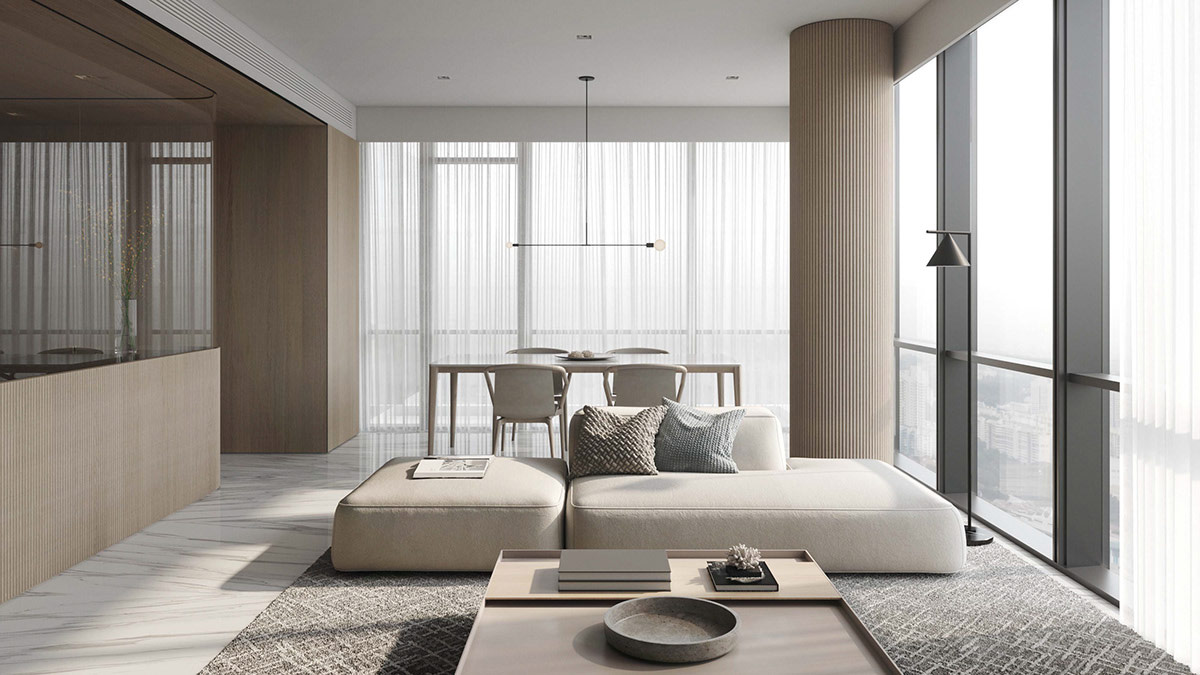
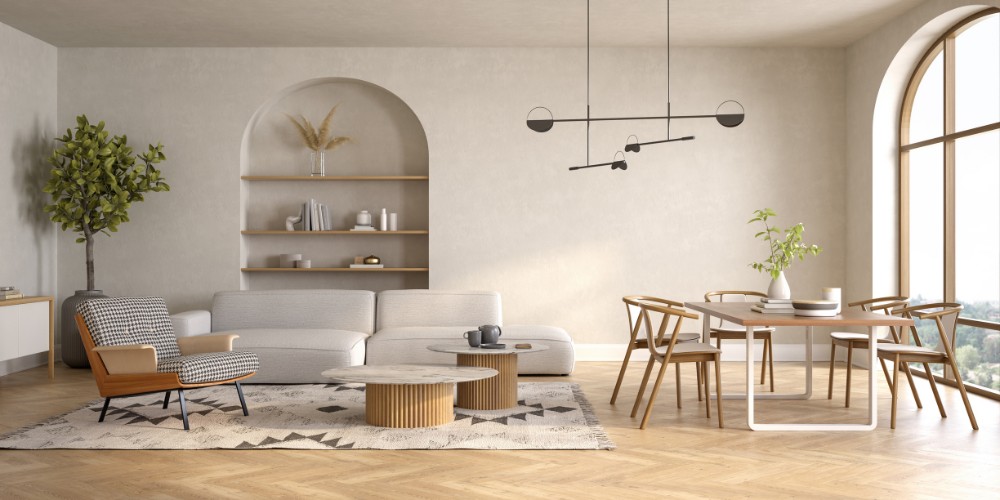
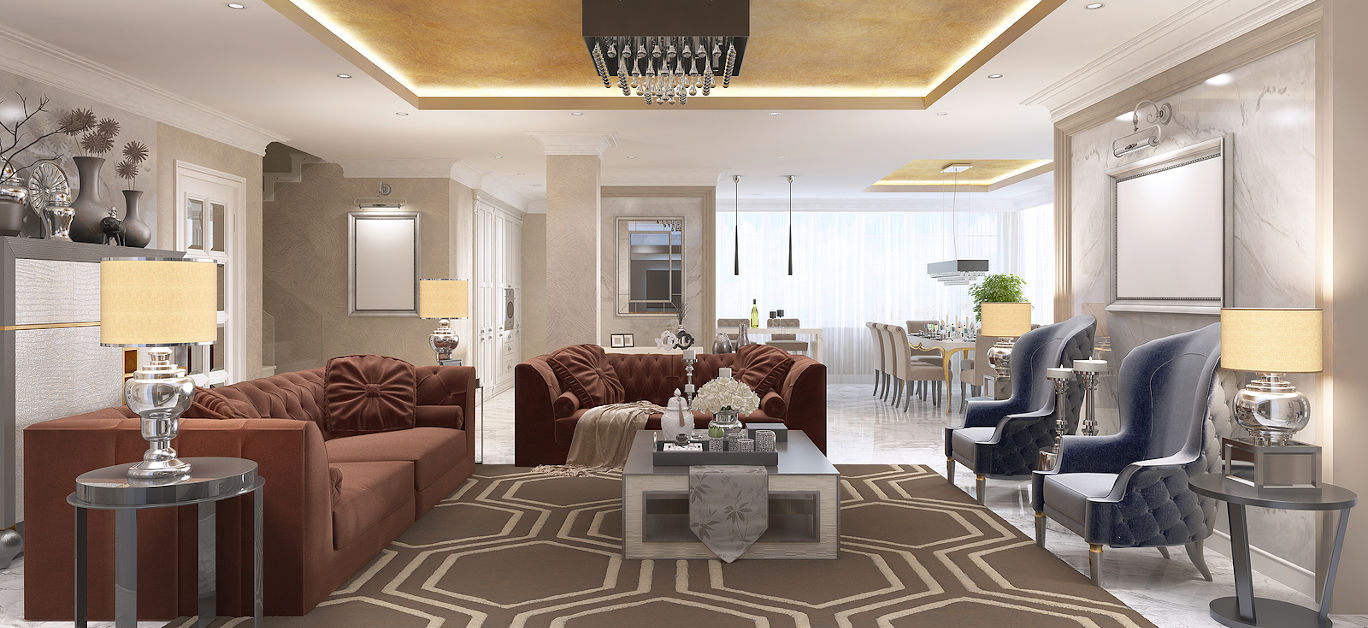
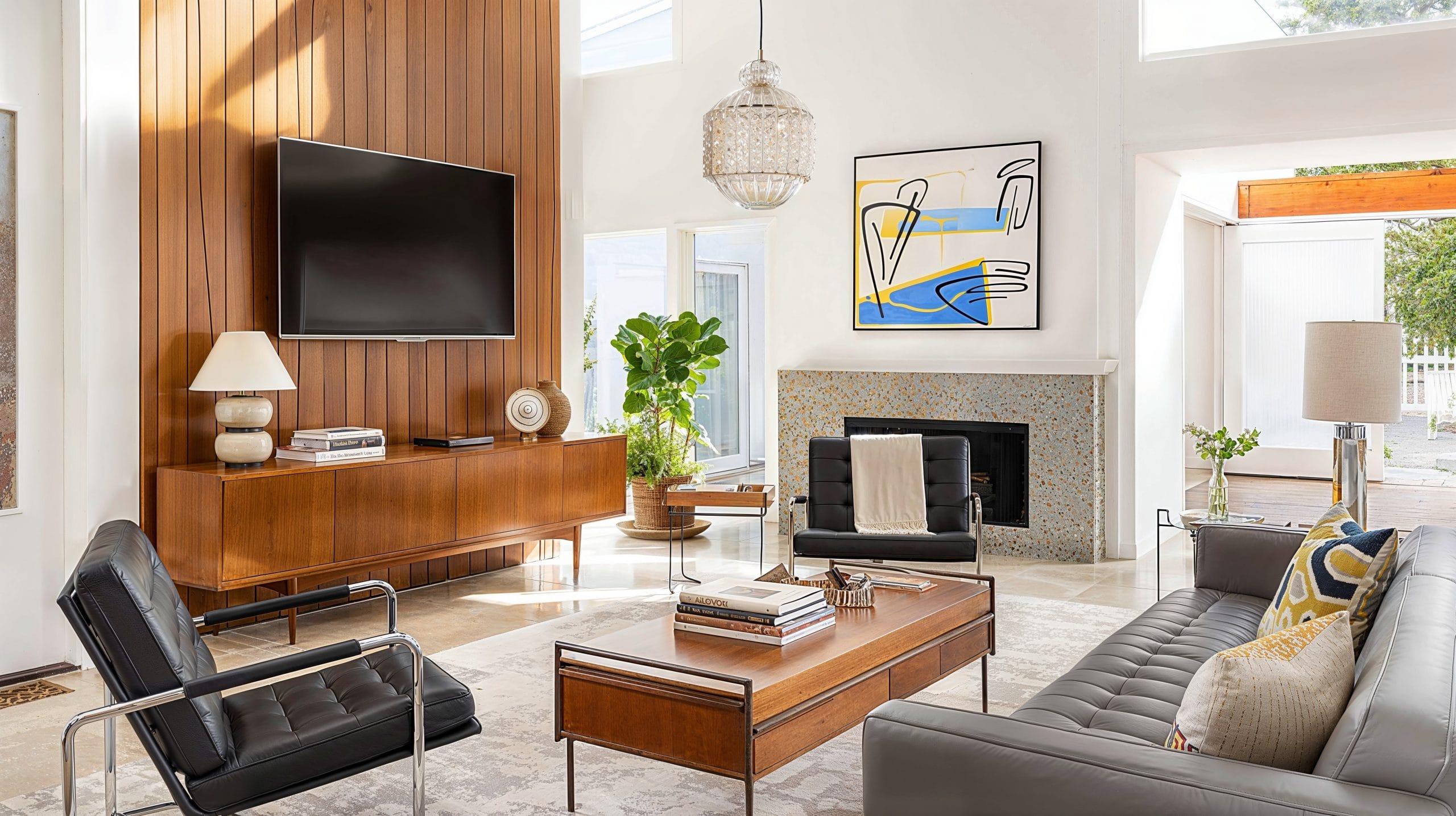
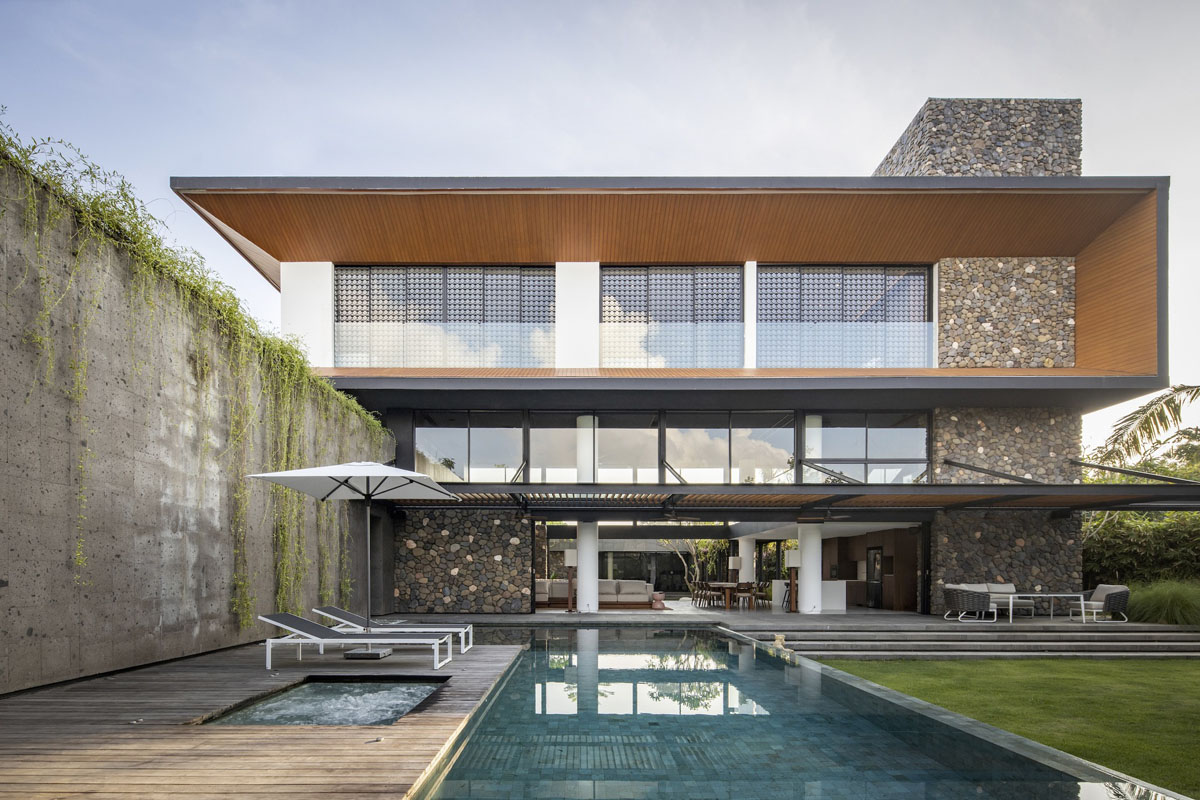
Achieving sophistication without ostentation is the hallmark of quiet luxury interiors, where minimalism meets refined elegance. This design philosophy emphasizes subtlety, restrained opulence, and meticulous attention to materiality, creating spaces that feel serene, elevated, and enduring. Every element is carefully curated, from furniture to finishes, to embody understated grandeur. Light, texture, and proportion are orchestrated to convey refinement without unnecessary embellishment, ensuring that interiors exude comfort, clarity, and timeless appeal.
Prioritizing Spatial Serenity
Open and uncluttered layouts are essential for quiet luxury interiors. Expansive sightlines, well-defined zones, and restrained furniture placement encourage visual calm and spatial fluidity. Low-profile seating, floating storage, and modular furniture maintain openness while providing function. By emphasizing spatial clarity, interiors feel expansive yet intimate, allowing architecture and curated elements to take center stage. Serenity is achieved through balance, proportion, and the avoidance of superfluous details.
Subdued and Sophisticated Color Palettes
Color is central to cultivating understated elegance. Neutral tones such as creamy whites, soft taupes, muted grays, and gentle beiges form a tranquil foundation. Deep accents, like charcoal, olive, or navy, may be introduced sparingly to provide depth and contrast. Layered tonal variations create visual richness without overwhelming the space. This deliberate approach ensures that quiet luxury interiors feel harmonious, inviting, and timeless, capable of remaining stylish across changing trends.
Material Selection and Textural Depth
Materials define the tactile and visual quality of luxury interiors. Polished wood, natural stone, brushed metals, and high-quality leather introduce depth and sophistication. Textural layering, such as a cashmere throw over a linen sofa or a stone surface juxtaposed with timber flooring, adds subtle interest while maintaining restraint. The careful combination of textures ensures that the minimalist approach does not appear austere, but rather refined and sensorially engaging.
Functional Elegance in Furniture
Furniture in quiet luxury interiors should blend form, comfort, and function. Clean-lined sofas, sculptural chairs, and understated consoles contribute to visual coherence while supporting practical needs. Multi-functional pieces, such as storage-integrated benches or extendable tables, optimize space without compromising elegance. Attention to proportion, scale, and craftsmanship ensures that each piece complements the overall aesthetic, reinforcing sophistication without ostentation.
Lighting to Enhance Ambience
Thoughtful lighting enhances both function and mood. Natural light should be maximized with expansive windows, glass doors, and reflective surfaces. Artificial lighting, including ambient, task, and accent layers, accentuates textures and architectural elements. Pendant lights, recessed fixtures, and floor lamps create zones of focus and warmth. Soft, warm illumination emphasizes the subtlety of materials and tonal variations, contributing to the serene and refined atmosphere of quiet luxury interiors.
Curated Art and Accessories
Minimalism does not preclude personality; rather, it relies on intentional curation. Artworks, sculptures, or bespoke decorative objects should be selected with precision, serving as focal points without overwhelming the room. Accessories such as elegant vases, understated lighting, or subtle decorative elements integrate seamlessly into the space. Curated pieces amplify sophistication while maintaining the restrained aesthetic central to quiet luxury.
Integrated Storage Solutions
Maintaining uncluttered surfaces is essential to achieving understated elegance. Built-in cabinetry, floating shelves, and recessed compartments allow possessions to remain organized without disrupting clean lines. Modular storage solutions optimize functionality while preserving visual serenity. The absence of clutter ensures that attention is drawn to craftsmanship, textures, and spatial proportion, reinforcing the principles of quiet luxury interiors.
Connection with Nature
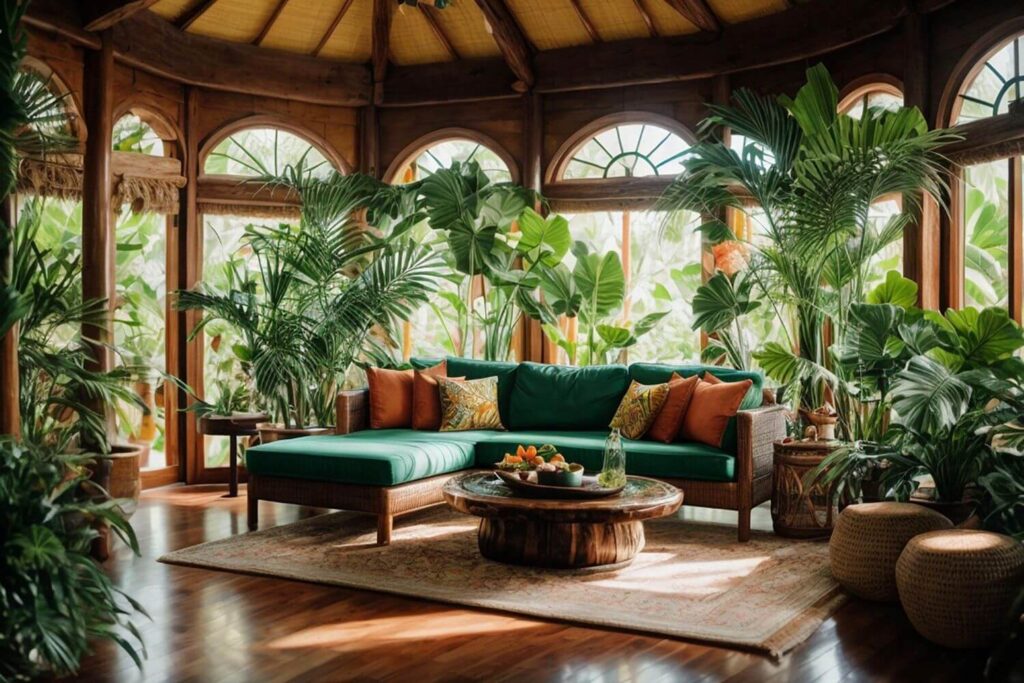
Natural elements enhance both calm and sophistication. Indoor plants, timber accents, stone detailing, and access to outdoor views introduce organic contrast to minimalist interiors. Floor-to-ceiling windows or terraces extend living spaces into nature, enhancing light and atmosphere. Even subtle natural interventions, such as a small planter or textured wood surface, enrich the sensory experience while reinforcing the understated elegance of quiet luxury interiors.
Flow and Spatial Cohesion
Spatial flow is vital for maintaining both functionality and aesthetic refinement. Open pathways, well-considered furniture placement, and balanced sightlines promote intuitive circulation. Each zone feels purposeful yet relaxed, supporting everyday life and formal entertaining alike. Thoughtful orchestration of layout, light, texture, and material creates interiors that exude calm, sophistication, and timeless appeal, demonstrating the enduring power of quiet luxury.
About the Author