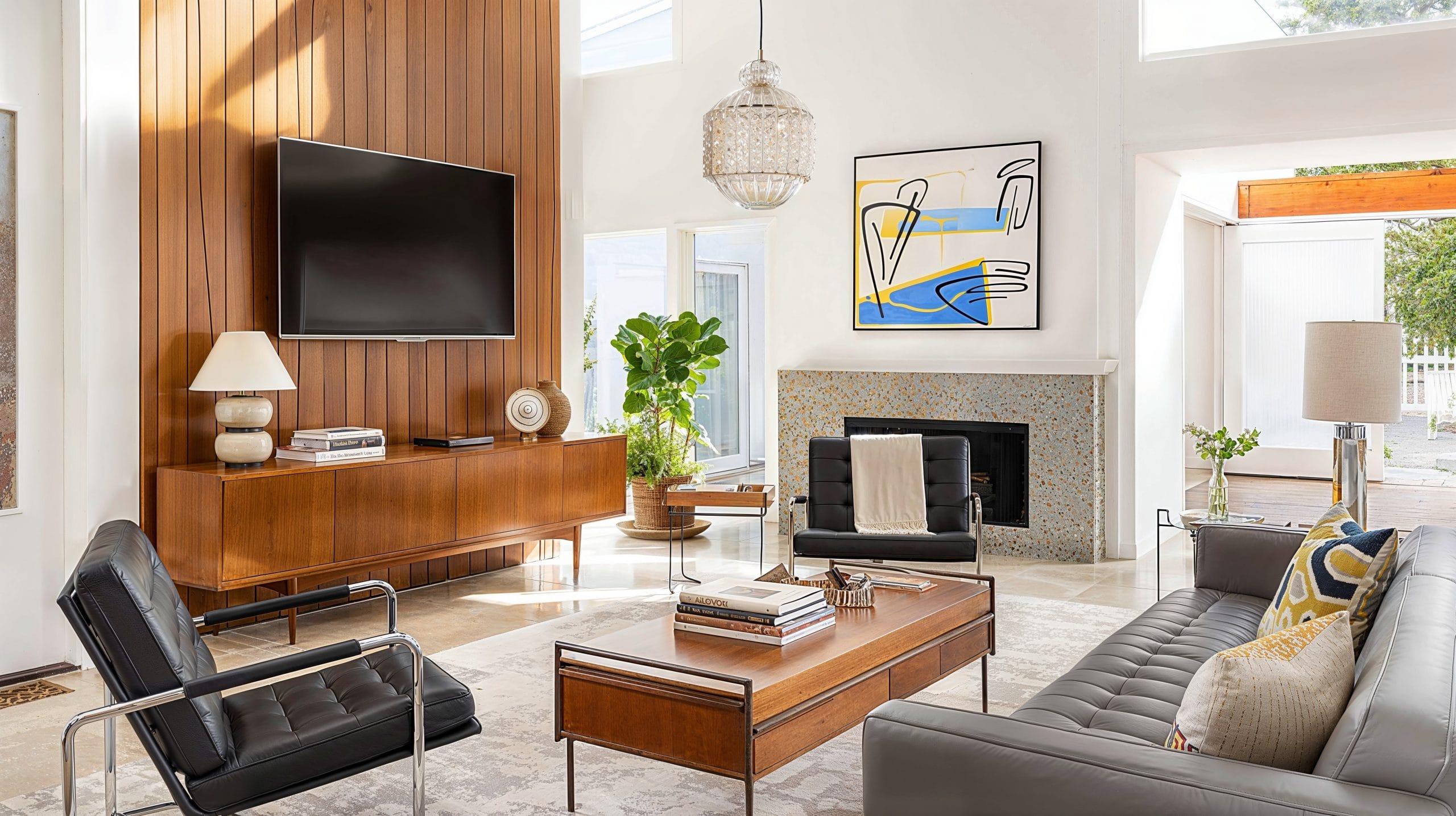
Creating a home that feels airy, expansive, and intimately connected with nature begins with Open concept living. This design philosophy emphasizes fluidity between spaces, allowing interiors to breathe while maintaining visual cohesion. Tropical homes benefit immensely from this approach, as the interplay of natural light, ventilation, and seamless spatial transitions evokes a sense of calm sophistication and effortless elegance. Incorporating open layouts transforms traditional boundaries into a continuous flow of functionality and aesthetic pleasure.
Maximizing Natural Light
Open concept living thrives on illumination. Large windows, sliding glass doors, and skylights invite sunlight to permeate every corner, creating a luminous and uplifting atmosphere. Natural light enhances the perception of space, making rooms feel more expansive while highlighting textures and colors inherent to tropical interiors.
Mirrors strategically placed across from windows reflect light, amplifying brightness and generating the illusion of additional depth. Light-filtering drapes or sheer panels soften the intensity of sunlight, creating a serene and inviting ambiance. The combination of abundant daylight and open spatial planning emphasizes airiness and strengthens the home’s connection to the outdoors.
Flow and Connectivity
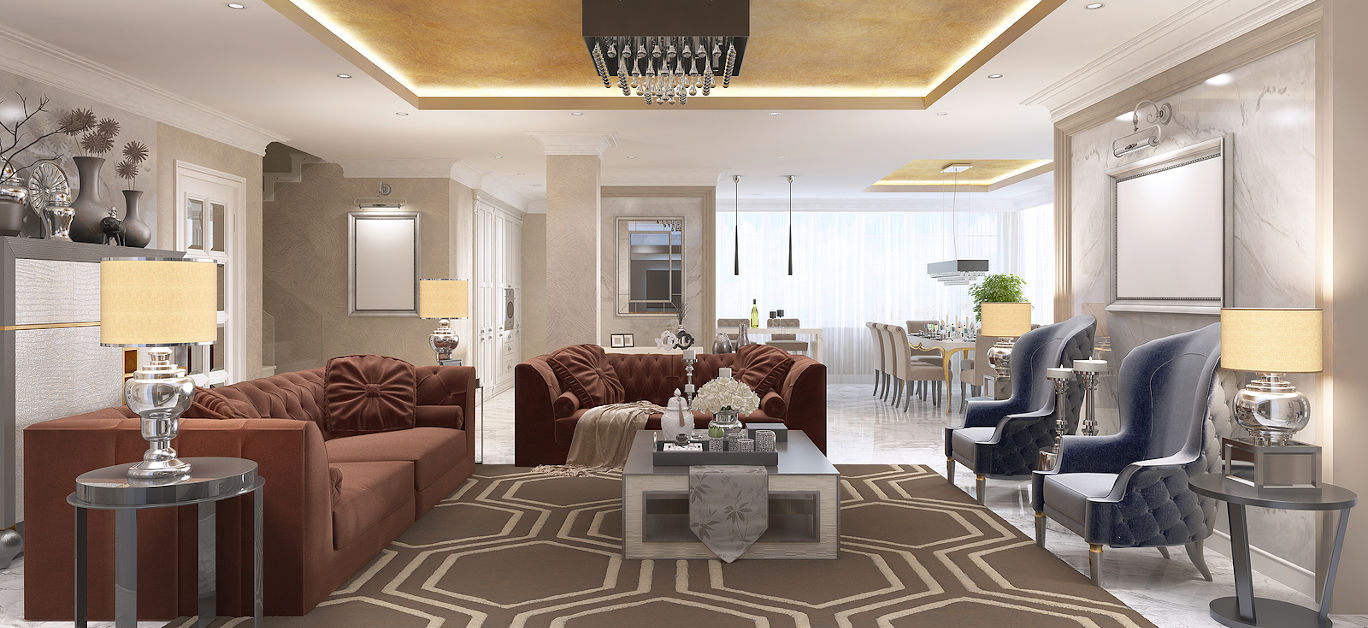
A hallmark of tropical design is seamless connectivity between living areas. Open concept layouts allow the kitchen, dining, and lounge spaces to interact without barriers, fostering both social cohesion and functional versatility. Furniture arrangements should support movement, with pathways unobstructed by bulky pieces. This thoughtful orchestration of space ensures that each area maintains its identity while contributing to a holistic sense of openness.
Visual continuity can be achieved through consistent flooring, harmonious color palettes, and unified materials. Using natural finishes like timber, stone, and woven fibers creates a tactile dialogue that guides the eye and links spaces cohesively. This cohesion reinforces the fluidity that is central to open concept tropical homes.
Harmonizing Interiors with Nature
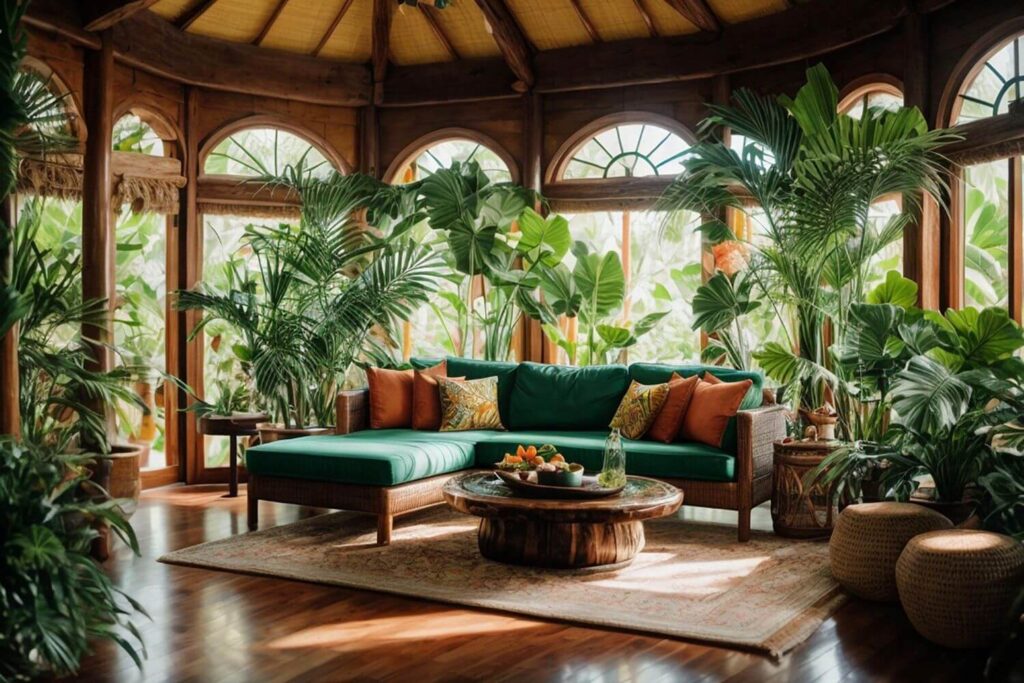
Integrating greenery is essential in tropical interiors. Strategically placed plants, vertical gardens, and potted palms bring vitality and tranquility to open layouts. Their presence bridges indoor spaces with outdoor surroundings, reinforcing the feeling of expansive, unconfined living. Organic textures and natural hues echo the environment outside, cultivating an immersive atmosphere of relaxation.
Open concept living also facilitates the incorporation of water elements, such as small fountains or reflective pools. The gentle sound of water enhances sensory depth while subtly delineating zones within the expansive layout. This interplay of natural materials and design reinforces the tropical ethos of harmony and serenity.
Spatial Zoning without Walls
Maintaining openness does not require sacrificing functional distinctions. Low partitions, furniture groupings, and area rugs can subtly define zones without enclosing them. A kitchen island, for example, can act as a spatial anchor, distinguishing cooking areas while still allowing visual connectivity with dining and living zones. Similarly, a strategically positioned sofa or console can demarcate lounging space while preserving uninterrupted sightlines.
This approach preserves the essence of open concept living, allowing spaces to remain airy and versatile while supporting practical daily routines. Flexibility is paramount, as it enables adaptation to social gatherings, leisure activities, and evolving lifestyle needs.
Emphasizing Light, Color, and Material
Color and material selection play a pivotal role in enhancing openness. Neutral hues, soft whites, sandy beiges, and muted greens reflect light and amplify spatial perception. Accents in tropical tones—like turquoise, coral, or deep foliage green—introduce vibrancy without overwhelming the fluidity of the design.
Natural materials reinforce tactile interest and cohesion. Timber floors, bamboo furnishings, rattan seating, and woven accents create visual rhythm, allowing the eye to traverse spaces smoothly. Textural layering enriches the open layout, providing depth while maintaining the light and airy feel characteristic of tropical homes.
Furniture Selection for Fluidity
In open concept living, furniture must balance functionality with unobtrusiveness. Lightweight, modular, or low-profile pieces ensure that the visual flow remains uninterrupted. Multipurpose furnishings, such as extendable dining tables or stackable stools, optimize flexibility and adaptability without compromising style.
Seating arrangements should encourage interaction while preserving openness. Avoiding oversized, bulky items ensures that pathways remain free, and sightlines are maintained. Strategic placement allows for comfortable conversation clusters while highlighting the spaciousness of the layout.
Blurring Indoor and Outdoor Spaces
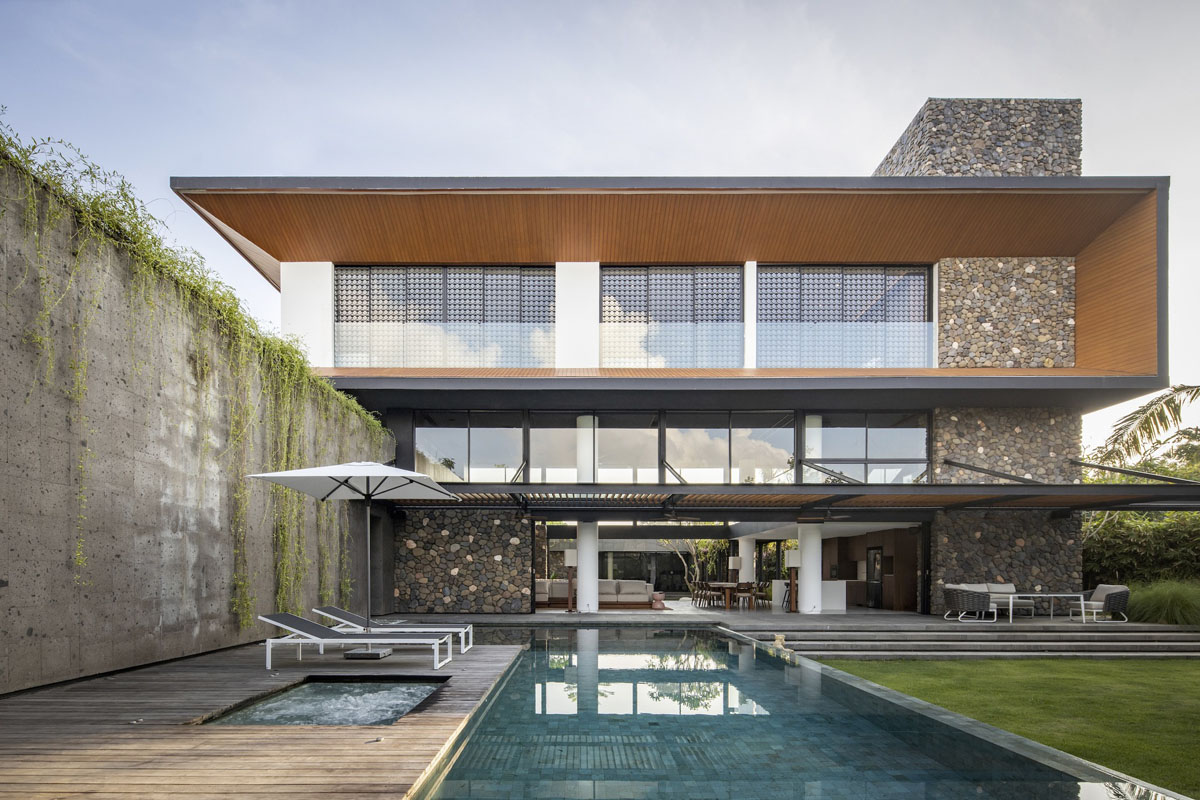
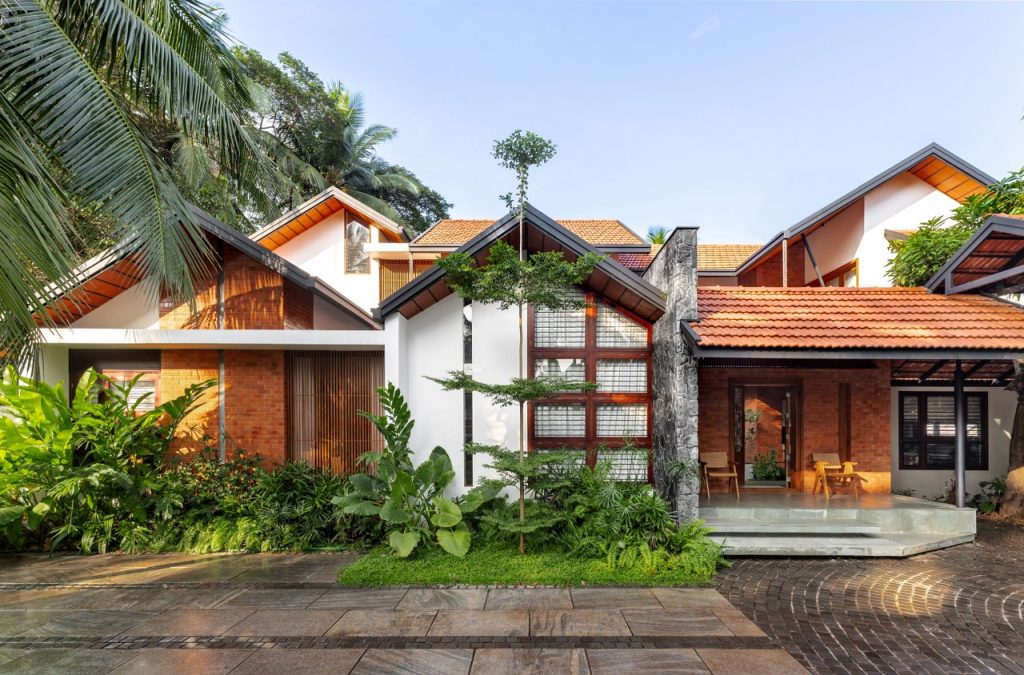
One of the greatest advantages of open concept living in tropical homes is the seamless integration of outdoor areas. Sliding or folding doors can open interior spaces to terraces, patios, or gardens, creating an extended living zone. Outdoor furnishings and materials echo indoor elements, promoting continuity and reinforcing the open, breezy aesthetic.
This connection not only enhances airflow and natural cooling but also maximizes engagement with the surrounding environment. Open concept layouts enable a home to feel expansive and harmonious, dissolving traditional boundaries between indoor comfort and outdoor vitality.
Final Considerations
Lighting, materiality, furniture, and greenery must all harmonize to realize the full potential of open concept tropical interiors. Each element contributes to an interconnected ecosystem of design that emphasizes freedom, movement, and sensory richness. Through careful planning and an understanding of spatial fluidity, tropical homes with open concept living become sanctuaries that celebrate light, nature, and effortless sophistication.
About the Author