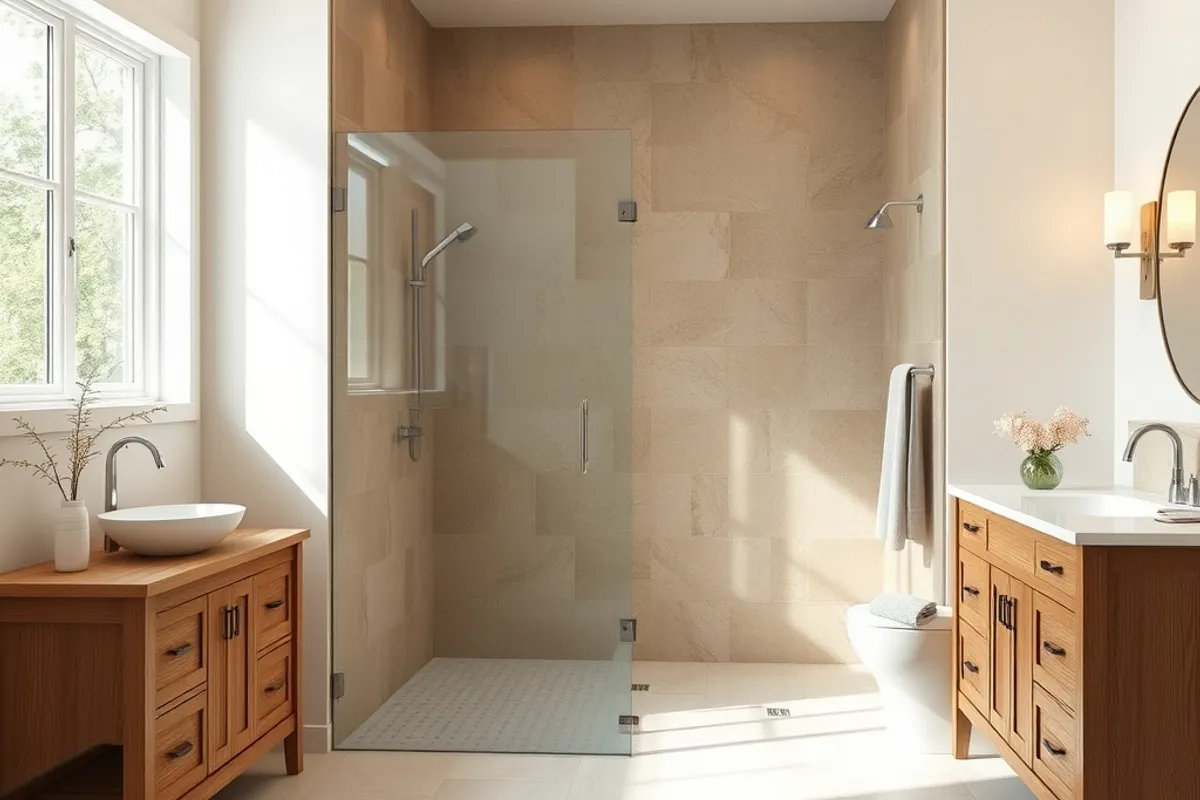
Set the budget by category
Split the budget into labour, fixtures, tile, waterproofing and contingency. Labour is usually the biggest share, and it rises quickly when the layout moves. Keep the toilet, sink and shower in their existing positions unless there is a strong reason to change. Every move adds drainage, supply and inspection work.
Set a contingency of 15 to 20 percent. Water damage is common behind old tiles, and a rotten subfloor is not a design decision. Our renovation guides explain the sequence, while the contractor section covers how to vet the crew.
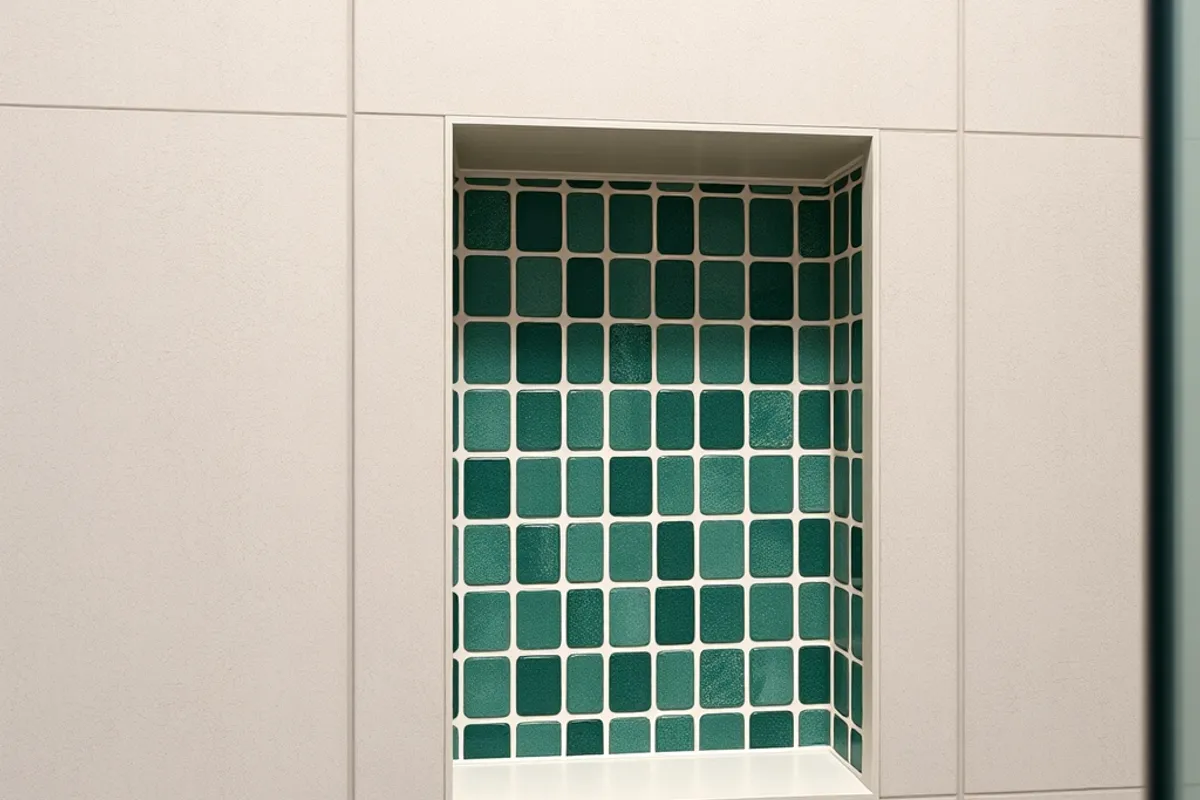
Tile the room, not the catalogue
Large-format tiles make a small bathroom look calmer and reduce grout lines. They also need a flatter wall, which can add prep time. A safe approach is large neutral tiles on the floor and walls, with a smaller patterned tile in the shower niche or behind the mirror. That gives the room a focal point without doubling the labour.
Choose a tile with a slip rating suitable for wet floors, especially if the household includes children or older adults. Matt finishes hide water marks better than polished ones. Buy 10 percent extra for cuts and future repairs, and keep a few spare tiles in the loft.
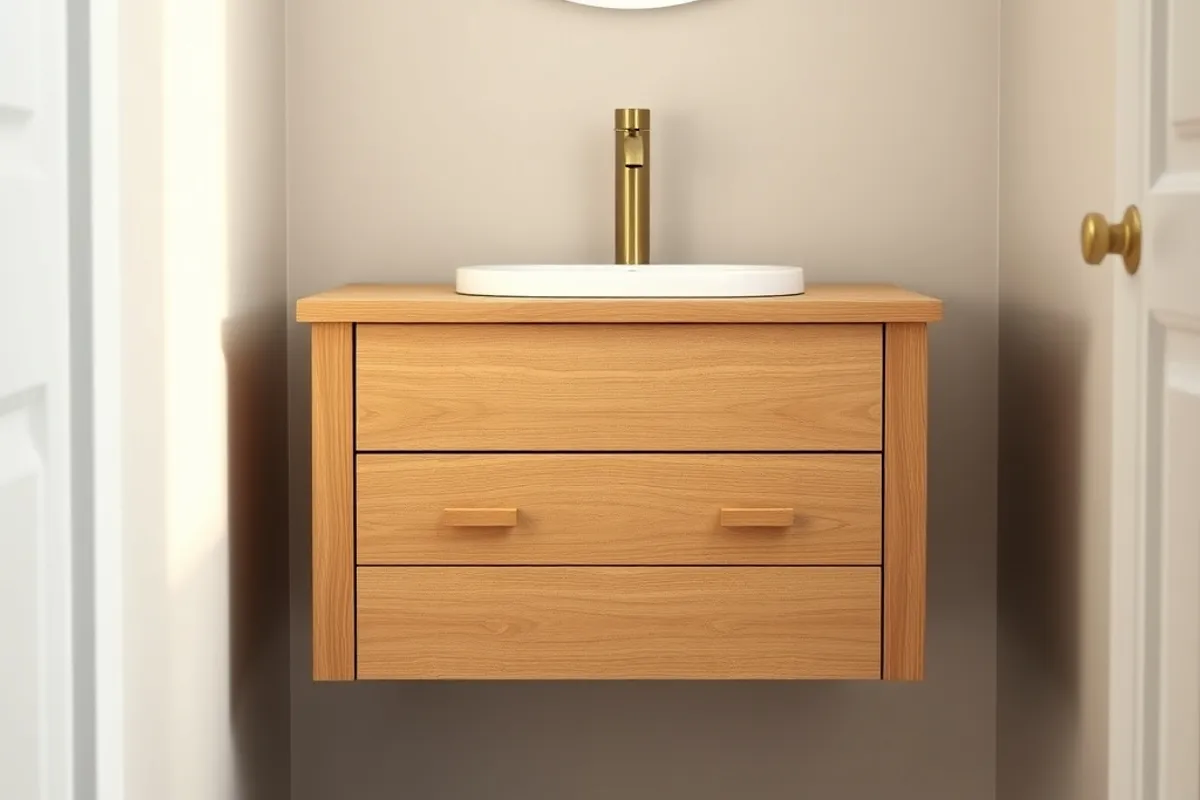
Vanity: buy the storage you need
A floating vanity makes a small room feel larger, but it loses the deep storage of a full cabinet. Choose based on what you actually keep in the bathroom, not on the photo. A wall-hung unit with two drawers often holds more than a pedestal sink and looks easier to clean underneath.
Check the pipework before ordering. A vanity with a drawer may not fit around existing plumbing. Allow space for the door to open and for a bin. If the room is tight, a shallow depth unit is better than a full-depth one that blocks the doorway.
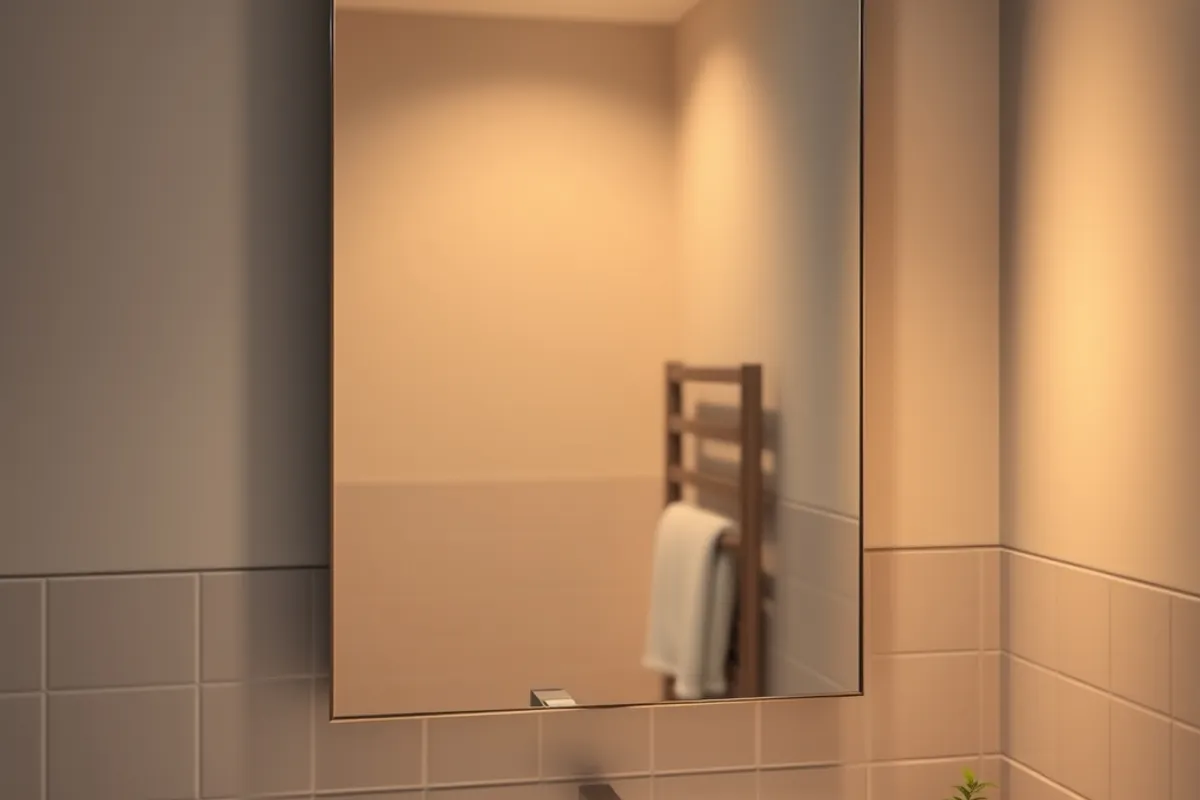
A bathroom is a small room with a large workload. Every surface has to survive water, heat and daily use.
Lighting that flatters and works
One central light above a mirror casts shadows on your face. Use a light on each side of the mirror at eye level, plus a ceiling light for the room. Add a dimmer if the room is used at night. Choose a colour temperature around 3000K for a warm but useful light, and make sure the fitting is rated for a bathroom zone.
An extractor fan with a built-in light can save ceiling space. Put the switch on a timer or humidity sensor so it runs long enough after a shower. A fan that stops the moment you leave the room is not removing the moisture.
Ventilation and waterproofing
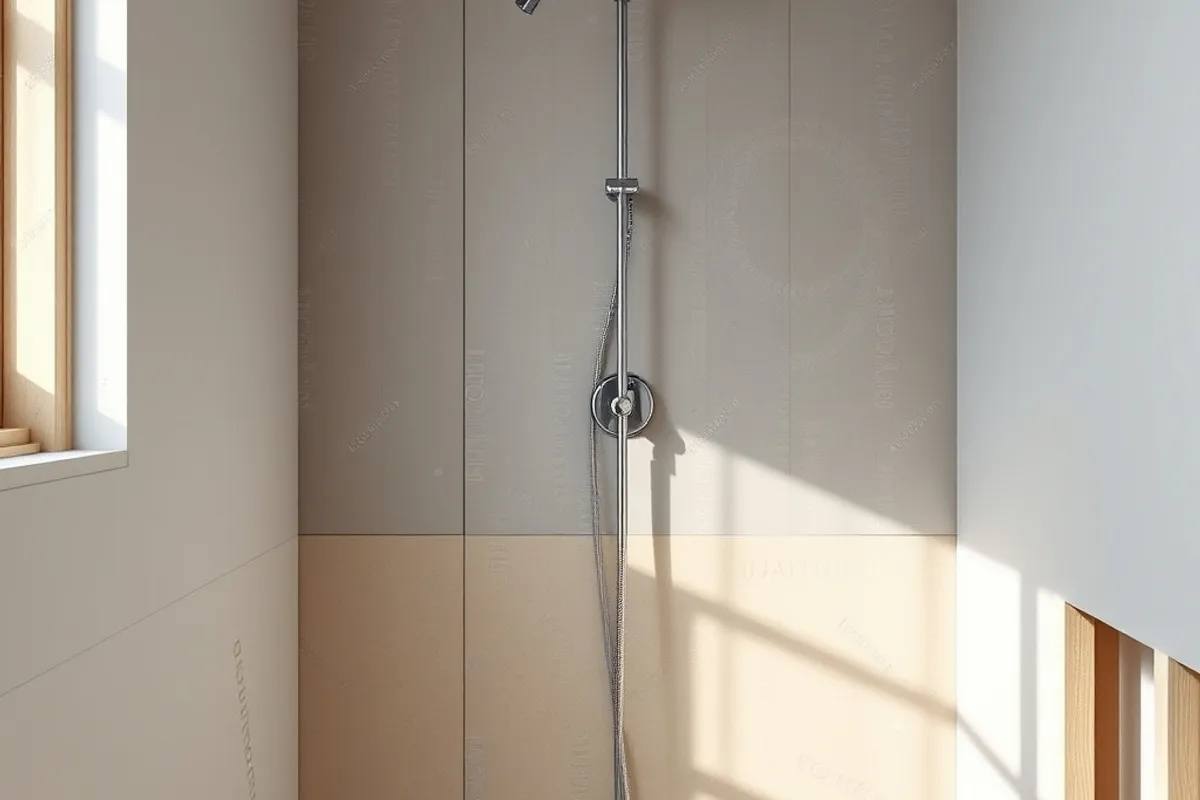
Waterproofing is the part you cannot see and must not skip. Cement board or a waterproof membrane behind the tile, a sloped shower floor and a properly sealed drain are the basics. A cheap waterproofing job fails quietly for a year and then appears as a stain on the ceiling below.
Check that the fan ducts outside, not into the attic. Insulate the duct in cold spaces to prevent condensation. Keep the bathroom door slightly open after a shower until the room dries. These small habits extend the life of paint and joinery more than an expensive tile choice.
Where to splurge and where to save
Splurge on the shower valve, the toilet and the fan. These are hard to replace and affect daily comfort. Save on decorative tiles, towel rails and accessories, which are easy to change later. A mid-range toilet from a known brand is usually a better buy than a designer seat on a cheap pan.
Consider a curbless shower if someone in the household has mobility needs. It costs more upfront and requires careful drainage, but it removes a step and makes the room easier to clean. If you are planning to age in place, this is the moment to do it.
Water, bills and the finishing order
Choose a low-flow shower head and a dual-flush toilet, but check the performance reviews rather than the label alone. The EPA's WaterSense program lists products that meet independent efficiency criteria. A cheap low-flow head that feels weak will be replaced, which wastes the saving.
Finish in this order: waterproofing, tiling, grouting, sanitaryware, electrical faceplates, silicone and paint. Keep the room ventilated for a week after the work. Then live with it for a month before adding shelves and accessories. The best bathroom is the one that is easy to clean, not the one with the most surfaces to dust.