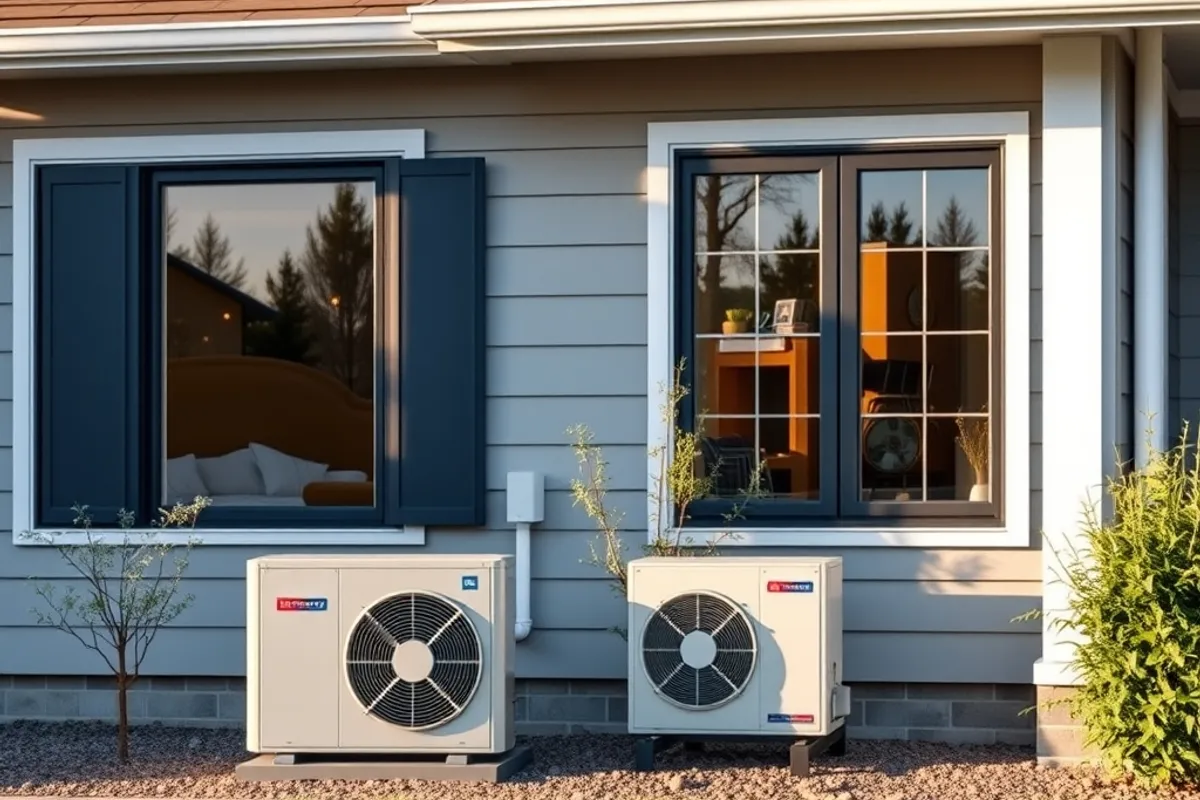
Start with an energy audit
Before buying anything, pay for a home energy audit. A good auditor uses a blower door and thermal camera to find where air actually leaks, which is rarely where owners guess. The visit costs roughly 300 to 700 dollars and often comes with a prioritized list. Some utilities subsidize the audit, so ask before booking.
The report matters more than the gadgets. If the attic is leaking and the ducts run through it, a new thermostat will not fix the bill. If the windows are old but the walls are uninsulated, the walls come first. Read the report as a sequence, not a menu. Our home improvement section explains how to turn that list into a realistic budget.

Air sealing and attic insulation
Air sealing is the best first purchase for most homes. Caulk and foam around penetrations, seal the attic hatch and close the gaps around recessed lights that are rated for contact. This is weekend work for a careful owner, and a contractor will typically charge 500 to 1,500 dollars for a thorough job.
Then add insulation to the recommended level for your climate. Blown-in attic insulation is fast, and the material is not expensive. The labour is the main cost. Do not compress existing insulation or cover vents. If the attic is damp, stop and fix the source first. Insulation over a wet roof deck traps moisture and creates a much larger repair later.

Heat pumps for heating and cooling
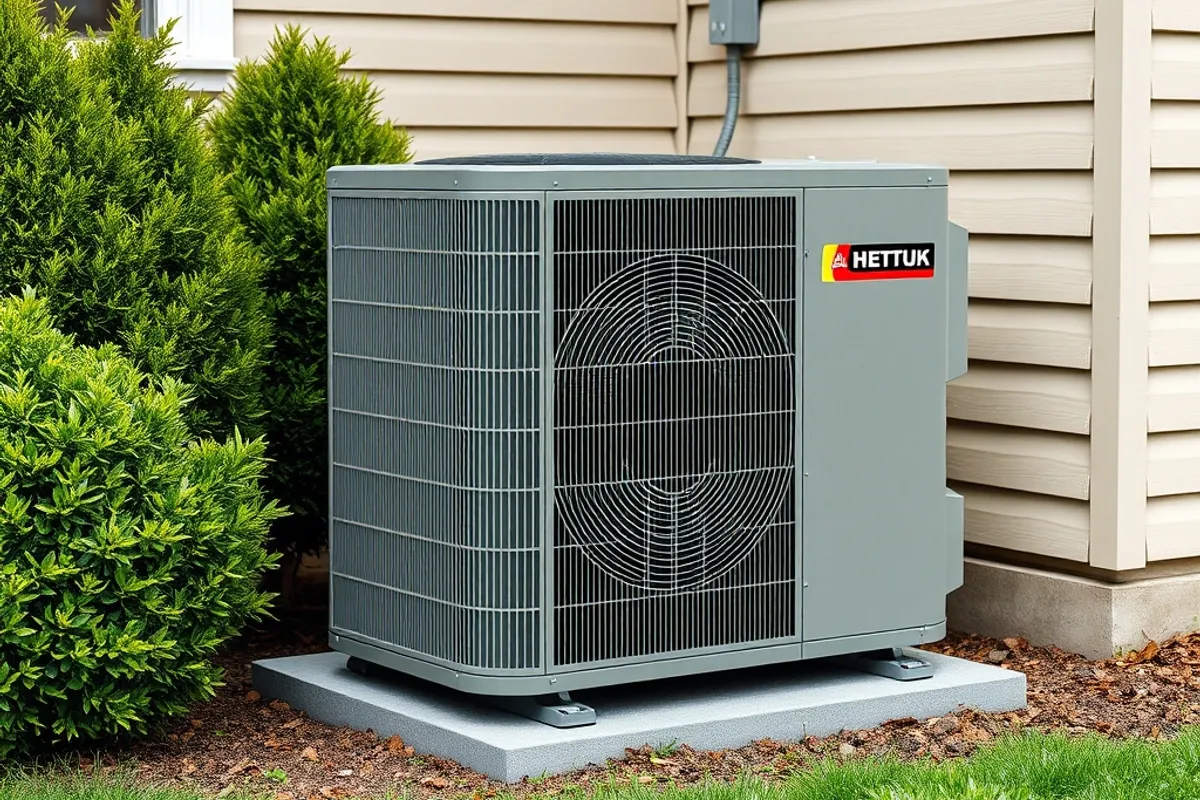
A modern cold-climate heat pump is the largest single upgrade on this list and the one with the biggest potential saving. It replaces both the furnace and the air conditioner in many homes. Installed cost in 2026 ranges from about 8,000 to 18,000 dollars before incentives, depending on size, ductwork and whether the electrical panel needs work.
Sizing decides everything. An oversized unit cycles on and off, which wastes energy and shortens its life. Ask for a room-by-room load calculation, not a guess based on the old equipment. Keep the existing ducts only if they are sealed and sized for the new airflow. In very cold regions, a cold-climate model with a backup element is a sensible belt-and-braces choice.
The cheapest kilowatt hour is the one you never use, and the second cheapest is the one you stop wasting through a draughty ceiling.
Windows: replace only what fails
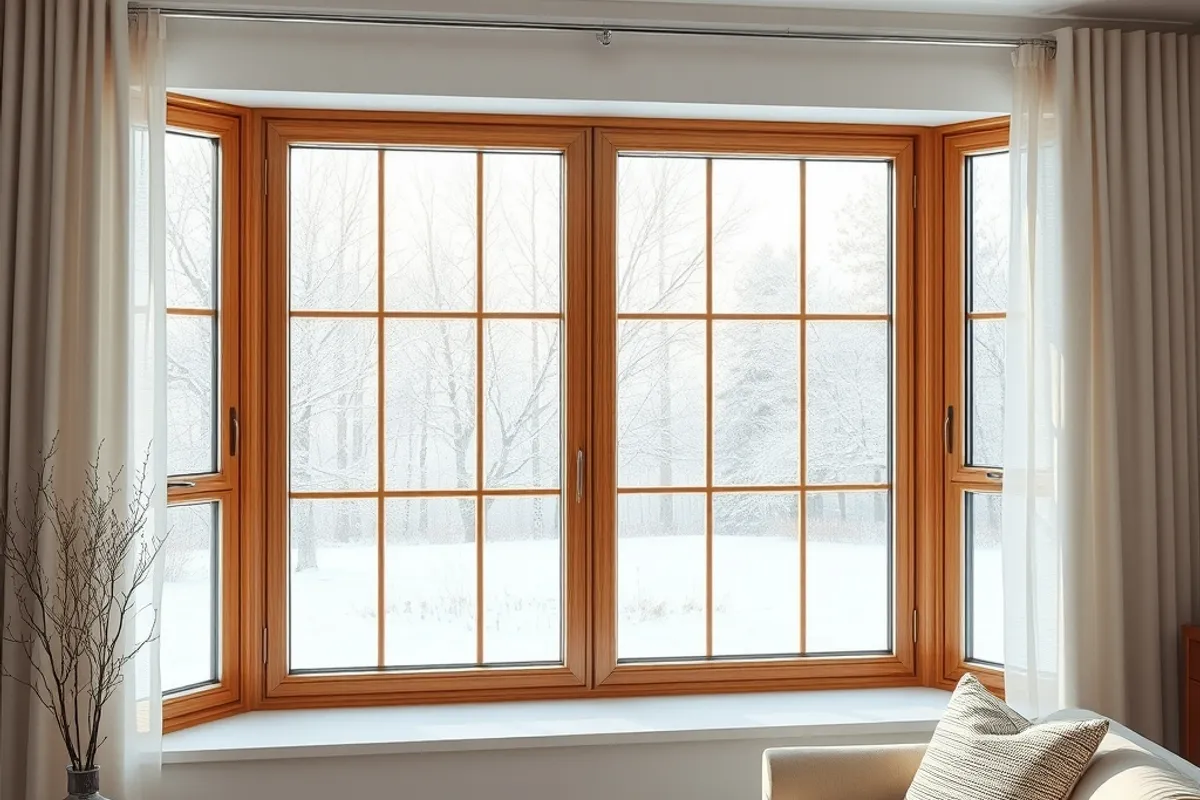
Windows are the upgrade owners ask about first and should often do last. A full replacement can cost 15,000 to 30,000 dollars and take decades to repay through energy savings alone. If the frames are sound and the glass is not failed, weatherstripping and interior storm panels deliver most of the comfort for a fraction of the price.
Replace a window when the seal has failed, the frame is rotten or the operation is unsafe. Choose a modest U-factor appropriate to your climate rather than the most expensive number on the label. Installation quality matters as much as the product, so insist on proper flashing and insulation around the frame. A perfect window fitted badly still leaks.
Water heating and smart controls
Water heating is often the second largest energy cost in a home. A heat pump water heater uses far less electricity than a resistance tank, but it needs space and a drain. Installed cost runs about 2,500 to 5,000 dollars before incentives. In a warm climate, a solar thermal system can make sense, though maintenance and roof space are real constraints.
Smart thermostats help only when the household is willing to use schedules. They are not magic. Set back the temperature while you are out, stop fighting over the setpoint and check the filter. A cheap programmable thermostat with a sensible schedule can match an expensive one on savings.
Solar and battery storage
Solar panels are a long-term purchase, not a quick win. A typical 6 kilowatt system costs 15,000 to 25,000 dollars before incentives and pays back through avoided bills over many years. The roof must be sound first. Shading, orientation and local electricity rates decide whether the numbers work.
A battery adds resilience but rarely pays for itself on energy arbitrage alone. Buy one if outages matter to you or if your utility has a useful time-of-use rate. Get three quotes, read the warranty on production rather than panel count, and check who owns the renewable energy credits. The Department of Energy's ENERGY STAR program lists efficient equipment and incentive guidance worth checking before you sign.
Incentives and the order of work
Incentives change often, so confirm the current rules before ordering equipment. Some programs require an energy audit first, and some pay only after installation. Keep every invoice and photograph the installation. A contractor who promises a rebate without paperwork is a warning sign.
Our order is simple: audit, air seal, insulate, then heating and cooling, then water heating, then solar. Each step makes the next one work better and may reduce the size of equipment you need. Do not finance a luxury window package while the attic hatch whistles. Efficiency is a sequence, and the boring first steps usually win.