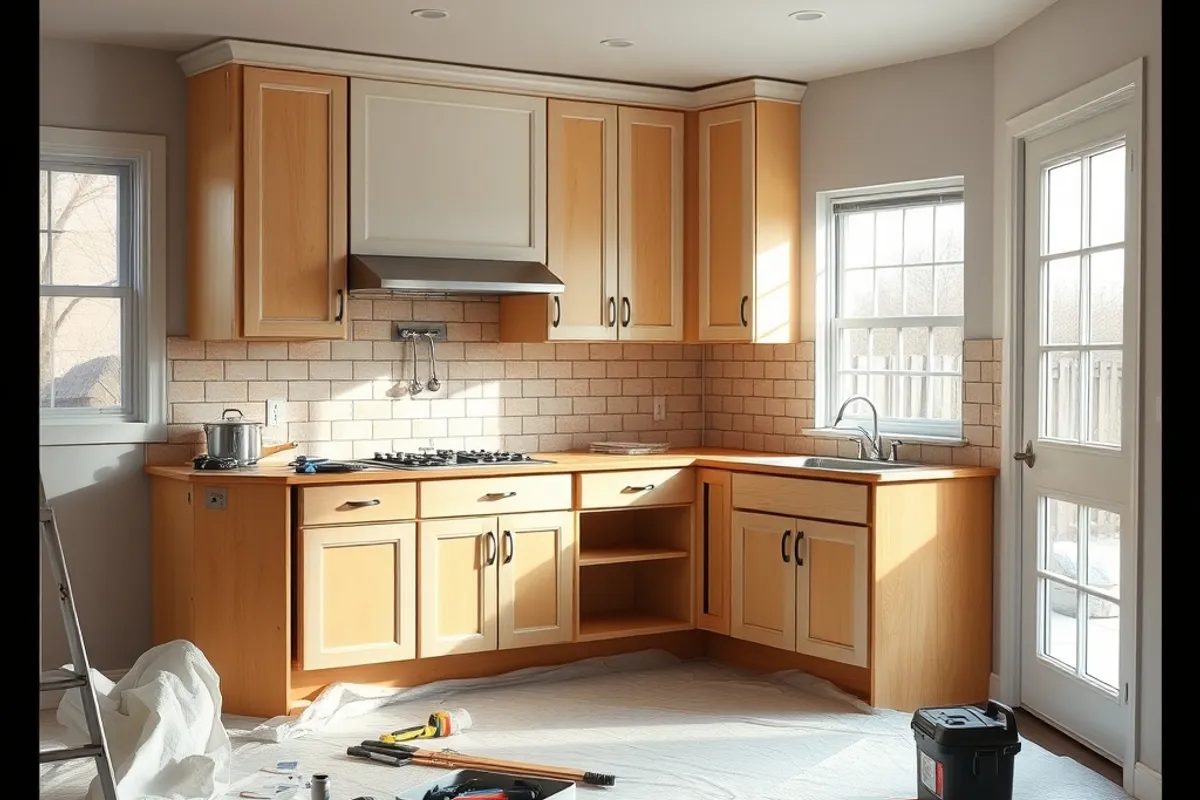
Write the scope before you call anyone
Decide what stays and what moves. Changing the sink, cooker and fridge positions adds plumbing, electrical work and possibly a new floor. A layout change can be worth it, but it should be a deliberate choice, not a side effect of a pretty drawing. List the appliances, cabinet style, worktop and flooring you want.
Set a budget with three numbers: the target, the comfortable maximum and the walk-away figure. Then add 15 percent for surprises. Older kitchens hide uneven walls, old wiring and water damage. Our contractor hub covers licences and contracts, and the renovation section helps with the construction sequence.

Look for kitchen-specific experience
A good general contractor can build a kitchen, but a crew that does several kitchens a year will anticipate the sequencing. Ask for three completed kitchens from the last two years and visit one if possible. Look at the cabinet alignment, the tile edges and how the appliances sit in their openings.
Check whether the company handles design in house or works with a designer. Neither is automatically better. What matters is that the drawings and the construction price describe the same room. A design that has not been priced by the builder is a wish, not a plan.

Ask about permits and inspections
Most kitchen work that moves plumbing, gas or electrical requires a permit. Ask who pulls it and who meets the inspector. A contractor who suggests skipping the permit to save time is transferring risk to you. Unpermitted work can complicate insurance and resale, even if it looks fine.
Get the permit number in writing and check that the inspections are scheduled at the right stages. Electrical rough-in must be inspected before the walls close. A crew that plans inspections only at the end is a crew that has done this before, and not in a good way.

The best kitchen contractor is the one who tells you what the job will really cost before you fall in love with the drawings.
Compare bids line by line
Ask for a bid broken into demolition, rough-in, cabinets, worktop, tile, painting, appliances and labour. A single lump sum makes comparison impossible and hides omissions. Check the allowances for materials: a low allowance for tile or lighting is a way to make a bid look cheaper than it is.
Compare the proposed schedule and the cabinet lead time. A contractor who promises eight weeks when the cabinets take twelve has not checked. Put the schedule in the contract with a reasonable buffer and agree what happens if a supplier delays.

Read the contract and payment schedule
The contract should list every material, the brand and model where relevant, the payment stages, the change-order process and the warranty. Progress payments should match completed work, not the calendar. Keep a final payment for the punch list and the final inspection.
Ask for lien waivers from subcontractors as payments are made. A lien waiver confirms that the supplier or trade has been paid and cannot claim against your property later. It is a boring document that prevents an expensive surprise. The National Kitchen and Bath Association publishes guidance on kitchen and bath projects that is useful when you review a proposal.
Plan the temporary kitchen
A remodel can take six to twelve weeks. Set up a temporary cooking area with a microwave, kettle, fridge and a plastic washing-up tub. Protect the floors and seal off dusty zones with plastic sheeting and zip doors. Decide where the family will eat and keep that space clear.
Order appliances and cabinets early, and confirm delivery dates in writing. Store boxes somewhere dry and inspect them on arrival. A damaged cabinet discovered on installation day can add weeks. If you are living in the house, agree daily cleanup rules with the crew before work starts.
Budget guardrails that actually hold
Separate the budget into must-have, nice-to-have and later. Must-haves are safety, plumbing, electrical and a working layout. Nice-to-haves are the special worktop, the integrated appliances and the designer light. Later is the second wall of cabinetry. When the first surprise appears, take money from the later list, not from the contingency.
Track every change in a single spreadsheet with the date, cost and who approved it. A kitchen can absorb 20 small changes without anyone noticing the total. Review the running total every week, and stop spending when it reaches your comfortable maximum. That discipline is what separates a finished kitchen from a permanent building site.