

Embracing Modern classic interiors allows homeowners to marry the timeless elegance of traditional design with contemporary sensibilities. This fusion balances ornate details, sophisticated proportions, and historical inspiration with modern functionality, minimalistic undertones, and a refined palette. The result is an interior that feels both enduring and fresh, respecting the legacy of classic aesthetics while appealing to current lifestyles.
Architectural Foundation
The architecture of modern classic interiors forms the backbone of sophistication. High ceilings, crown moldings, and paneled walls provide a nod to tradition, while streamlined trims and simplified archways prevent heaviness. Columns, pilasters, and coffered ceilings maintain grandeur but are rendered with subtle restraint. The interplay between ornate craftsmanship and pared-down elegance ensures the space resonates with timeless appeal yet feels airy and modern.
Harmonious Color Schemes
Color defines the character of modern classic interiors. Soft neutrals such as ivory, taupe, and warm greys establish a calming backdrop, while strategic pops of navy, emerald, or deep burgundy introduce drama. Metallic accents in gold, silver, or brushed bronze highlight focal points without overwhelming the senses. The palette is curated to create balance, allowing traditional elements to harmonize with contemporary interventions, enhancing the visual narrative of sophistication.
Statement Furniture
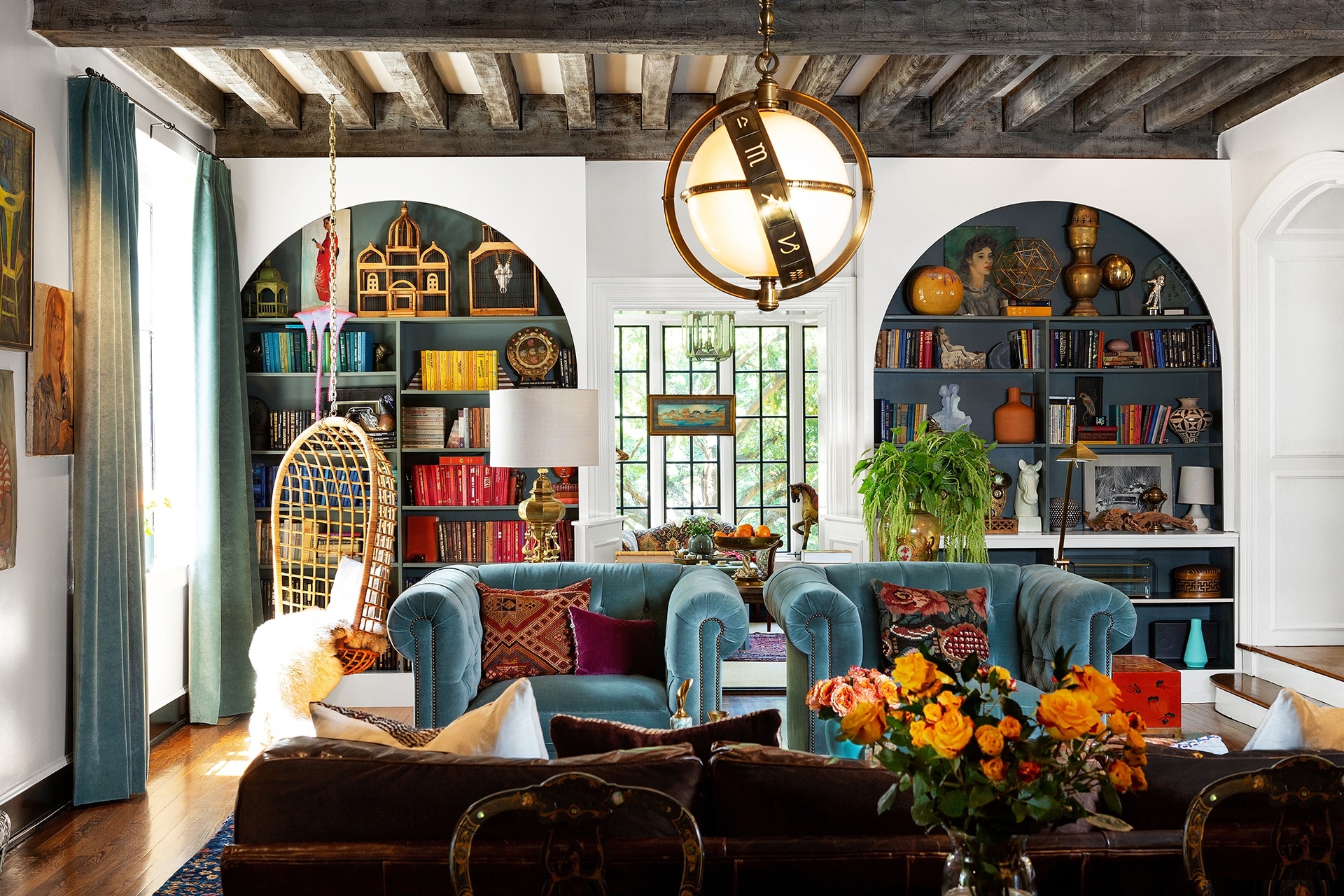
Furniture in modern classic interiors blends classical silhouettes with updated finishes. Tufted sofas, carved wooden armchairs, and elegant console tables are paired with minimalistic coffee tables or modular units. Upholstery in luxurious materials such as velvet, silk, or leather reinforces comfort while maintaining a polished aesthetic. Furniture becomes a dialogue between eras: refined in form yet contemporary in scale, ensuring spaces feel welcoming and visually dynamic.
Textures and Materials
Textural layering is key in modern classic interiors. Smooth marble, polished wood, and lacquered surfaces contrast with soft fabrics, plush rugs, and tactile wall treatments. Brass and chrome fixtures coexist harmoniously, and carefully chosen ceramics or glass objects punctuate spaces with understated elegance. Each material is selected for its ability to bridge classical opulence with modern simplicity, creating interiors that are rich yet approachable.
Lighting Design
Lighting serves both functionality and dramatics in modern classic interiors. Crystal or gilded chandeliers act as signature elements, while recessed lighting, sconces, and floor lamps provide layered illumination. Strategic lighting highlights architectural details, artwork, or bespoke furniture, accentuating the rhythm of the room. Through deliberate placement, lighting enhances depth, texture, and proportion, ensuring that the balance between classic refinement and contemporary sensibility is maintained.
Artwork and Accessories
Art and decorative objects define the personality of modern classic interiors. Large-scale paintings, abstract sculptures, and oversized mirrors can sit alongside traditional vases, porcelain figurines, or ornate frames. Accessories are curated thoughtfully, avoiding clutter while establishing rhythm and focal points. This combination fosters visual intrigue, offering spaces that are intellectually and aesthetically engaging without overwhelming the sense of calm elegance.
Flooring and Spatial Flow
Flooring grounds modern classic interiors, guiding circulation while reinforcing design intent. Hardwood floors with subtle grain, herringbone patterns, or polished marble establish timeless appeal, while area rugs add softness and define functional zones. The interplay between smooth surfaces and layered textures enhances spatial depth, allowing the interior to feel expansive, cohesive, and tailored to modern living.
Window Treatments
Window treatments merge luxury with functionality in modern classic interiors. Flowing draperies in silk or linen provide softness, while roman shades or blinds offer clean lines and light control. Decorative rods and subtle trims integrate traditional detailing without competing with minimalist furnishings. The result is an elegant balance, framing views, filtering sunlight, and contributing to the overall refinement of the space.
Balance Between Tradition and Modernity
The essence of modern classic interiors lies in equilibrium. Traditional elements—be they architectural, decorative, or textual—are tempered by contemporary simplicity. Symmetry guides arrangement, but asymmetrical accents introduce visual interest. This careful calibration ensures spaces are sophisticated without feeling rigid, inviting without compromising elegance, and visually stimulating without overwhelming the senses.
Layered Elegance
Layering defines the richness of modern classic interiors. Combining architectural detail, luxurious materials, statement furniture, and curated accessories produces depth and harmony. Each layer contributes to a cohesive narrative, creating interiors that are simultaneously historical and contemporary, dramatic yet intimate. The careful orchestration of form, texture, and proportion ensures a timeless appeal, achieving a modern classic aesthetic that resonates with discerning lifestyles.
About the Author


:max_bytes(150000):strip_icc()/Traditional-living-room-with-gilt-mirror-58bc74e83df78c353c0df95a.png "Classic Interior Style with Grand Accents")
:max_bytes(150000):strip_icc()/elebash_1113_02-2000-d93cd8f43c274b0f8d95f2805c75a55d.jpg "Tropical Home Design with Island Vibes")