Start with safety and the shut-off points
Find the water shut-off, the gas valve and the consumer unit before you start. Label them if they are not labelled already. Wear eye protection when cutting or drilling, and use a respirator for sanding old paint. Assume any wall may contain a cable or pipe until you have checked with a detector and, where possible, the drawings.
Do not remove a wall, alter a gas line or rewire a circuit unless you are qualified and allowed to do the work. Safety rules exist because houses hurt people. The Occupational Safety and Health Administration has practical safety guidance that applies to home workshops as much as job sites.

Project 1: Paint a room properly
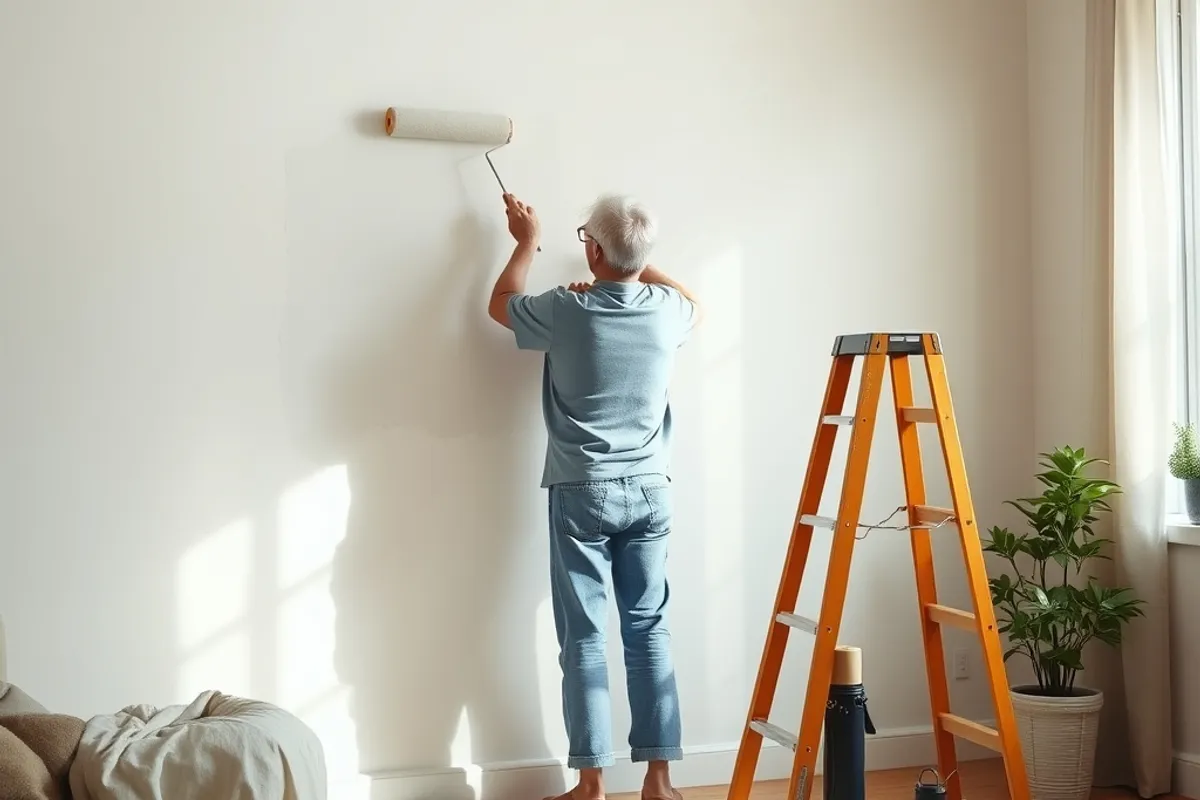
Painting is cheap and transforms a room, but most failures happen before the first coat. Fill holes, sand the edges, clean the walls and use painter's tape on the trim. Cover the floor and remove hardware rather than painting around it. Use a primer if the wall is bare plaster or has been repaired.
Cut in the edges with a brush, then roll in a W pattern before smoothing. Two thin coats beat one thick coat. Keep a small pot of the colour for touch-ups and write the colour code on the tin. Our renovation section has more finishing guides.
Project 2: Re-caulk the bathroom and kitchen
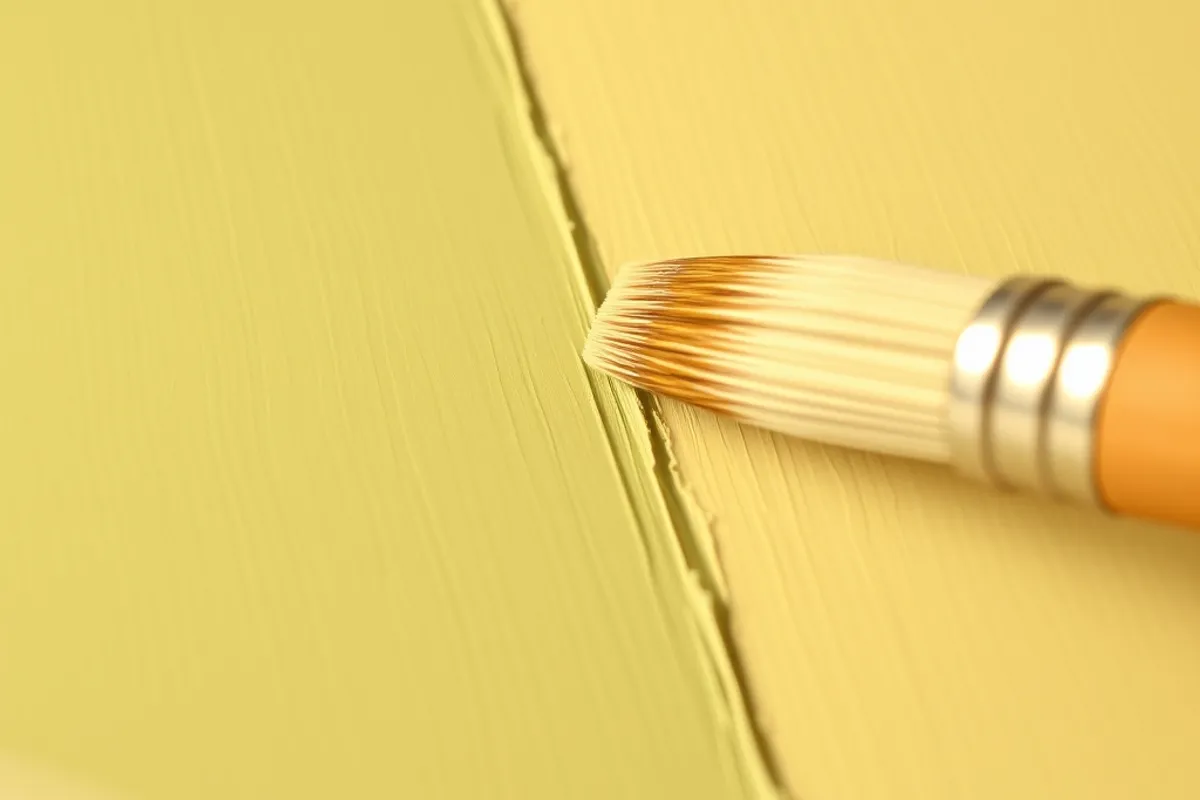
Old silicone collects mould and makes a clean room look tired. Remove it completely, clean the joint and dry it before applying new sealant. Use a mould-resistant silicone for wet areas and a paintable caulk for gaps between trim and walls. Do not seal over damp silicone; it will fail again.
Run a thin bead, smooth it with a tool or a wet finger, and remove the tape while the sealant is still wet. Leave it to cure for the time on the tube. This is a small job with a large visual return, and it protects the joints from water.
DIY is not about saving money on everything. It is about knowing which jobs you can finish safely and which ones will still be there next month.
Project 3: Build simple shelves
A floating shelf or a pair of bracketed shelves turns dead wall space into storage. Find the studs, use the right fixings for the wall type and check the load rating. A shelf loaded with books needs more support than one holding three plants. Keep the brackets level and hide the fixings if you can.
Paint or oil the shelf before installing it. Cut the timber in a well-ventilated area and sand the edges. If the wall is uneven, use a spacer or a scribed edge rather than forcing the shelf and cracking the plaster.
Project 4: Refresh grout and tiles
Grout can be cleaned, but failed grout should be replaced. Remove the old grout with a rake, avoid chipping the tile edges and vacuum the dust. Mix a small batch, push it into the joints and wipe the surface before it sets. Seal porous tile if the manufacturer recommends it.
Replacing a few cracked tiles is a bigger job than it looks. Matching the dye lot is difficult, and removing one tile can damage its neighbours. If the damage is isolated, a tile repair kit may be enough. If the substrate is moving, fix the cause before replacing the surface.
Project 5: Upgrade lighting and hardware
Changing a lampshade or a plug-in light is simple. Changing a fixed light requires the power off and the correct fitting for the location. If you are unsure, hire an electrician. The same applies to adding a socket or moving a switch. A licensed electrician is cheaper than a fire.
Cabinet handles, door knobs and house numbers are easy wins. Measure the hole spacing before ordering, especially for cabinet pulls. Keep the old hardware in a bag so you can put it back when you sell. Small changes look intentional when the finish matches across the room.
Project 6 to 10: The safe list
Other weekend jobs worth doing: seal a draughty window, install a smart thermostat that works with your system, build a shoe bench, plant a low-maintenance border and organise the loft with proper boarding. Each one is reversible or low-risk. None of them requires opening a gas line or removing a structural wall.
Know when to stop. If a job needs a permit, a specialist tool or a second pair of trained hands, call a professional. Our contractor hiring guide explains how to find one. DIY should leave you with a better house and all your fingers, not a permanent reminder of the weekend you underestimated a wall.