

The Timeless Allure of Classic Interior Style
In a world where design trends come and go, classic interior style stands as a beacon of enduring elegance. Rooted in tradition yet adaptable to modern sensibilities, this style transcends time, offering a sense of refinement and sophistication that never fades. Whether you’re drawn to the grandeur of French châteaux, the cozy warmth of English countryside homes, or the clean lines of traditional American interiors, classic design embraces a harmonious balance between form and function. It’s a style that invites you to slow down, appreciate craftsmanship, and surround yourself with beauty that feels both familiar and aspirational.
The Core Principles of Classic Interior Style
At its heart, classic interior design is about creating spaces that feel intentional, balanced, and timeless. Unlike fleeting trends, it draws from historical influences—such as Baroque, Rococo, Georgian, and Victorian aesthetics—while maintaining a sense of restraint and order. The key principles include:
- Symmetry and Balance: Classic interiors often feature symmetrical arrangements, from furniture placement to architectural details like doorways and windows. This creates a sense of harmony and order.
- Rich Materials and Textures: Natural materials like hardwood floors, marble, silk, and velvet are staples, lending depth and tactile appeal. These materials age gracefully, adding character over time.
- Layered Lighting: A mix of ambient, task, and accent lighting—such as chandeliers, sconces, and table lamps—enhances the warmth and functionality of the space.
- Ornate Detailing: Crown molding, wainscoting, and intricate millwork add architectural interest, while decorative elements like framed artwork and antique mirrors contribute to the overall aesthetic.
- Neutral Color Palettes with Pops of Color: Soft hues like ivory, taupe, and sage serve as a backdrop, while deeper tones like navy, burgundy, or forest green inject drama and richness.
Why Classic Style Remains Evergreen
One of the most compelling aspects of classic interior design is its ability to evolve without losing its essence. While contemporary styles often prioritize minimalism or industrial raw materials, classic interiors offer a sense of comfort and permanence. Here’s why it continues to captivate homeowners and designers alike:
- Emotional Connection: Classic spaces evoke nostalgia and warmth, often reminding us of cherished memories or idyllic settings from literature and history.
- Investment in Quality: High-quality craftsmanship and materials mean that classic furniture and decor retain their value, making them a wise long-term investment.
- Versatility: Classic style can be adapted to various tastes—whether through a more traditional approach with heavy drapes and antiques or a modern twist with cleaner lines and muted tones.
- Timeless Appeal: Unlike trend-driven designs, classic interiors don’t feel dated. They provide a sense of stability in an ever-changing world.
The Role of Antiques and Vintage Pieces
Antiques and vintage items are the soul of classic interior design. They tell stories, carry history, and bring a sense of authenticity to a space. Incorporating these pieces doesn’t mean your home has to resemble a museum; instead, they can be thoughtfully mixed with contemporary elements to create a layered, lived-in look. For example:
- Statement Furniture: A vintage Chesterfield sofa or a French bergère chair can anchor a living room, adding instant character.
- Decorative Accessories: Items like Persian rugs, brass candlesticks, or crystal decanters add texture and visual interest.
- Artwork: Oil paintings, portraits, or antique frames can serve as focal points, infusing the space with a sense of culture and sophistication.
When selecting antiques, focus on quality and condition. A well-maintained piece from the 19th or early 20th century will not only enhance your home’s aesthetic but also appreciate in value over time.
How to Incorporate Classic Style in Modern Homes
You don’t need a palatial estate to embrace classic interior design. With thoughtful planning, you can infuse your home with timeless elegance, regardless of its size or architectural style. Here’s how to blend classic elements with contemporary living:
1. Start with a Neutral Foundation
Begin with a neutral color palette for walls, floors, and large furniture pieces. Shades like warm beige, soft gray, or pale cream create a serene backdrop that allows classic details to shine. If you’re nervous about a space feeling too sterile, layer in textures through fabrics and finishes:
- Opt for linen or silk upholstery in neutral tones.
- Use jute or wool rugs to add warmth.
- Incorporate wood furniture with rich, natural finishes like mahogany or walnut.
2. Embrace Architectural Details
If your home lacks built-in molding or wainscoting, consider adding these elements to elevate the space. Even simple updates like replacing plain baseboards with craftsman-style trim or installing a chair rail can make a dramatic difference. For renters or those on a budget, removable wallpaper with classic damask or toile patterns can mimic the look of architectural detailing.
3. Mix Old and New
Classic style thrives on contrast. Pair a sleek, modern sofa with a vintage coffee table or hang a contemporary abstract painting above an antique mantel. The key is to maintain balance—let one element take center stage while the others play supporting roles. For instance:
- A modern dining table can be paired with heirloom-quality chairs.
- A minimalist bed frame can be dressed up with a tufted velvet headboard and linen bedding.
4. Focus on Lighting
Lighting is the unsung hero of classic design. A statement chandelier in a dining room or a pair of ornate sconces flanking a mirror can instantly elevate the space. Opt for fixtures with timeless designs, such as:
- Crystal chandeliers for a touch of glamour.
- Brass or wrought-iron wall sconces for a vintage feel.
- Table lamps with silk shades for soft, diffused lighting.
Avoid overly trendy fixtures—classic lighting should feel like a permanent fixture, not a temporary addition.
Classic Style by Room: Practical Ideas
Every room in your home offers an opportunity to showcase classic design. Here are some tailored ideas for key spaces:
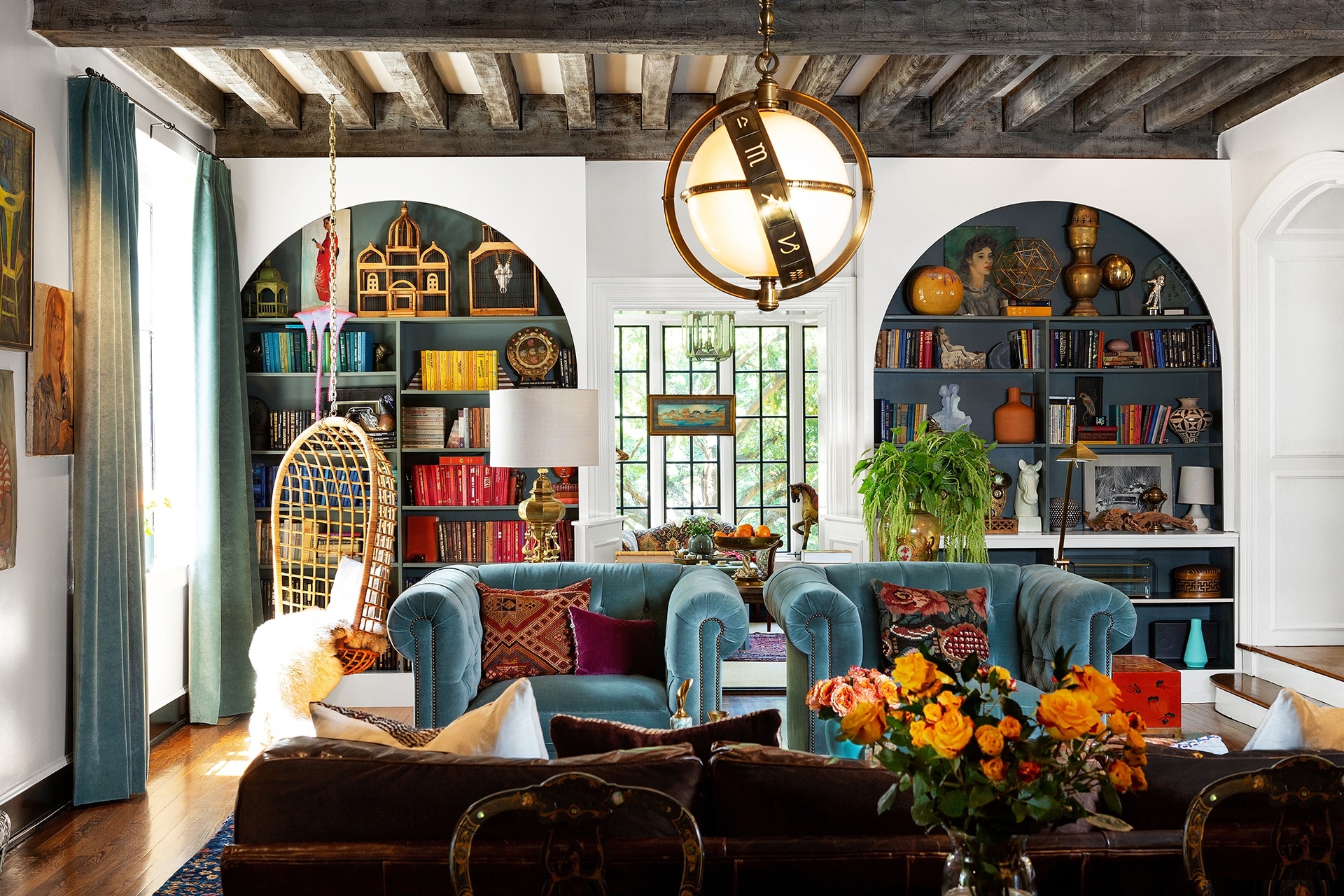
Living Room: A Sanctuary of Comfort and Refinement
The living room is where classic style truly shines. To create a space that feels both inviting and sophisticated:
- Seating: Arrange sofas and armchairs in a U-shape around a central focal point, such as a fireplace or coffee table.
- Fireplace: If you have one, make it the centerpiece with a marble mantel and a stylish screen. If not, consider a faux fireplace or a large mirror to reflect light.
- Window Treatments: Floor-length curtains in heavy fabrics like velvet or brocade add drama. Choose patterns like stripes, florals, or damask for added interest.
- Decor: Display a collection of books, a few framed prints, and a vase of fresh flowers. Keep surfaces uncluttered but layered with meaningful objects.
Dining Room: Where Elegance Meets Gathering
The dining room is a natural fit for classic design, as it’s a place for both everyday meals and special occasions. To achieve a timeless look:
- Table and Chairs: A large, solid wood table surrounded by upholstered chairs or slipcovered seats creates a welcoming atmosphere.
- Centerpiece: A floral arrangement, a vintage candelabra, or a decorative tray can anchor the table.
- Sideboard: A classic sideboard or buffet provides storage and serves as a surface for serving dishes or displaying china.
- Wall Art: Hang a large mirror or a series of framed botanical prints to enhance the room’s grandeur.
Bedroom: A Retreat of Tranquility and Luxury
The bedroom should feel like a personal sanctuary, blending comfort with classic elegance:
- Bed: A four-poster bed or a sleigh bed with upholstered detailing sets the tone. Dress it in crisp white linens or patterned duvets.
- Bedding: Layer in quilts, throws, and decorative pillows for added texture and color.
- Nightstands: Pair them with table lamps featuring ceramic or glass bases and linen shades.
- Rugs: A plush area rug, such as an Oriental or Persian design, adds warmth underfoot.
Kitchen: Timeless Functionality
Even kitchens can embrace classic style with a few thoughtful touches:
- Cabinets: Opt for Shaker-style or raised-panel cabinets in a neutral stain or paint color.
- Countertops: Marble or granite with classic veining patterns add luxury.
- Hardware: Brass or oil-rubbed bronze knobs and pulls enhance the vintage appeal.
- Backsplash: Subway tile with beveled edges or a classic herringbone pattern creates a timeless look.
Common Mistakes to Avoid
While classic style is forgiving, there are a few pitfalls to steer clear of to maintain its integrity:
- Overcrowding: Classic interiors thrive on balance. Avoid filling every surface with decor; instead, allow negative space to breathe.
- Ignoring Scale: Oversized furniture in a small room or tiny pieces in a grand space can disrupt harmony. Measure your room and choose pieces that fit proportionally.
- Skipping Maintenance: Classic style relies on well-kept materials. Dust and polish wood furniture regularly, and repair upholstery as needed to preserve its beauty.
- Following Trends Blindly: Just because a color or pattern is currently popular doesn’t mean it belongs in a classic space. Stick to timeless choices and add trends sparingly as accents.
The Future of Classic Style: A Lasting Legacy
As design trends cycle through minimalism, maximalism, and everything in between, classic interior style remains a constant. Its ability to adapt while retaining its core principles ensures its longevity. In an era where sustainability and craftsmanship are increasingly valued, classic design offers a counterpoint to disposable, fast furniture. It encourages us to invest in pieces that tell a story, to prioritize quality over quantity, and to create spaces that feel both personal and timeless.
Whether you’re renovating a historic home, furnishing a new build, or simply looking to infuse your space with a touch of elegance, classic interior style provides a roadmap to creating a home that feels as warm and inviting as it is refined. By embracing its principles—symmetry, rich materials, layered lighting, and thoughtful detailing—you can craft a space that not only stands the test of time but also reflects your unique sense of style.
In the end, classic interior design is more than just a style; it’s a philosophy. It’s about celebrating the past while living in the present, about finding beauty in the details, and about creating a home that feels like a sanctuary of elegance and comfort.
About the Author


:max_bytes(150000):strip_icc()/Traditional-living-room-with-gilt-mirror-58bc74e83df78c353c0df95a.png "Classic Interior Style with Grand Accents")
:max_bytes(150000):strip_icc()/elebash_1113_02-2000-d93cd8f43c274b0f8d95f2805c75a55d.jpg "Tropical Home Design with Island Vibes")