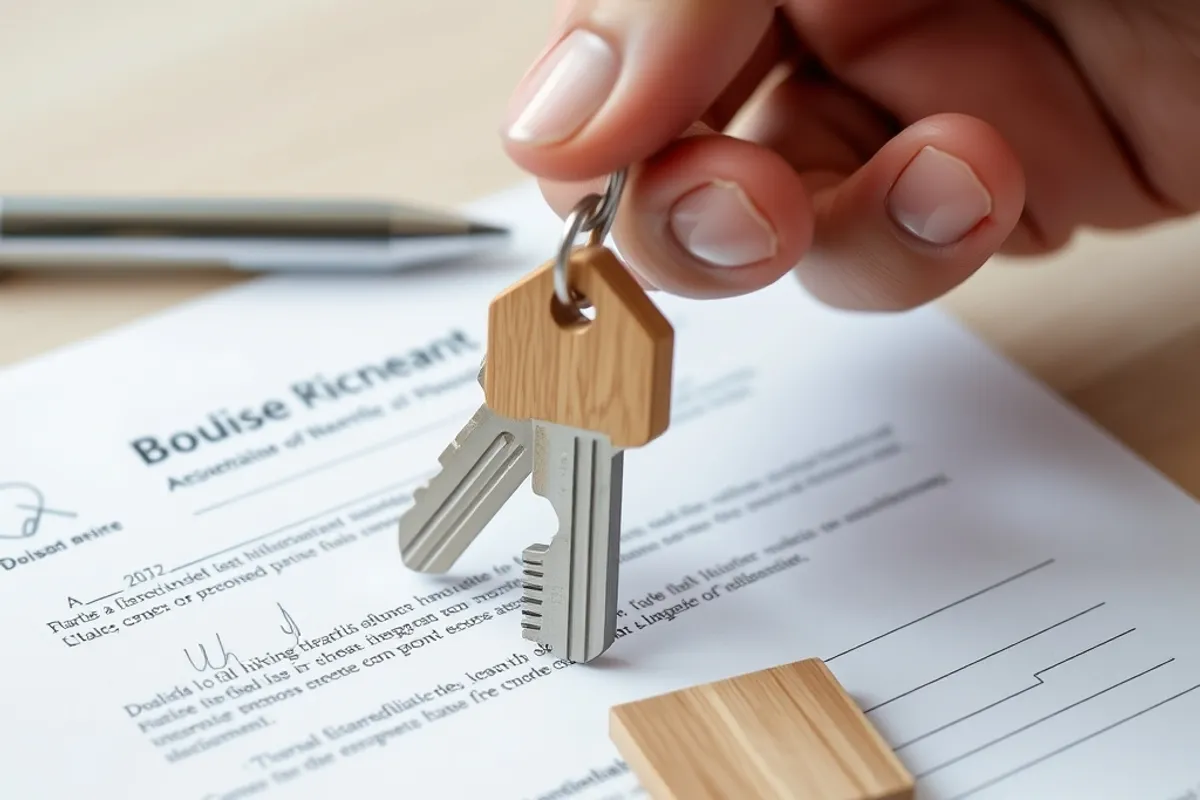
Step 1: Build the real budget
Start with the payment you can afford on a bad month, not the amount a lender says you can borrow. Add principal, interest, property tax, homeowner insurance, mortgage insurance if required, and a maintenance reserve of about 1 percent of the purchase price each year. Then add the cost of commuting, utilities and any HOA fee.
Keep a separate emergency fund. A new home will produce surprises, and a boiler failure in January is not a reason to use a credit card. Our real estate guides explain how to compare markets, while the contractor section helps you price the repairs that appear after inspection.

Step 2: Save for closing costs
Closing costs are the part first-time buyers underestimate. Lender fees, title insurance, appraisal, recording and prepaid taxes usually add up to 2 to 6 percent of the purchase price. On a 350,000 dollar home, that is a second down payment in miniature.
Ask for a loan estimate from at least two lenders and compare the total, not the interest rate alone. A low rate with high fees can cost more over the years you plan to stay. Do not drain every account to close. Keep enough cash to move, buy a bed and fix the first thing that breaks.

Step 3: Get a full pre-approval
A pre-qualification is a conversation. A pre-approval is a lender reviewing your income, assets and credit. In a competitive market, sellers treat the second one seriously. Have the documents ready: payslips, tax returns, bank statements and proof of any gift funds.
Do not open new credit or move large sums without telling the lender. Underwriting looks at the whole picture, and unexplained transfers can delay closing. If a family member is helping, ask the lender how to document the gift properly before the money moves.
The right first home is not the one you fall for on a Saturday. It is the one that still fits your budget on a Tuesday, after taxes and insurance.
Step 4: Choose the neighbourhood first
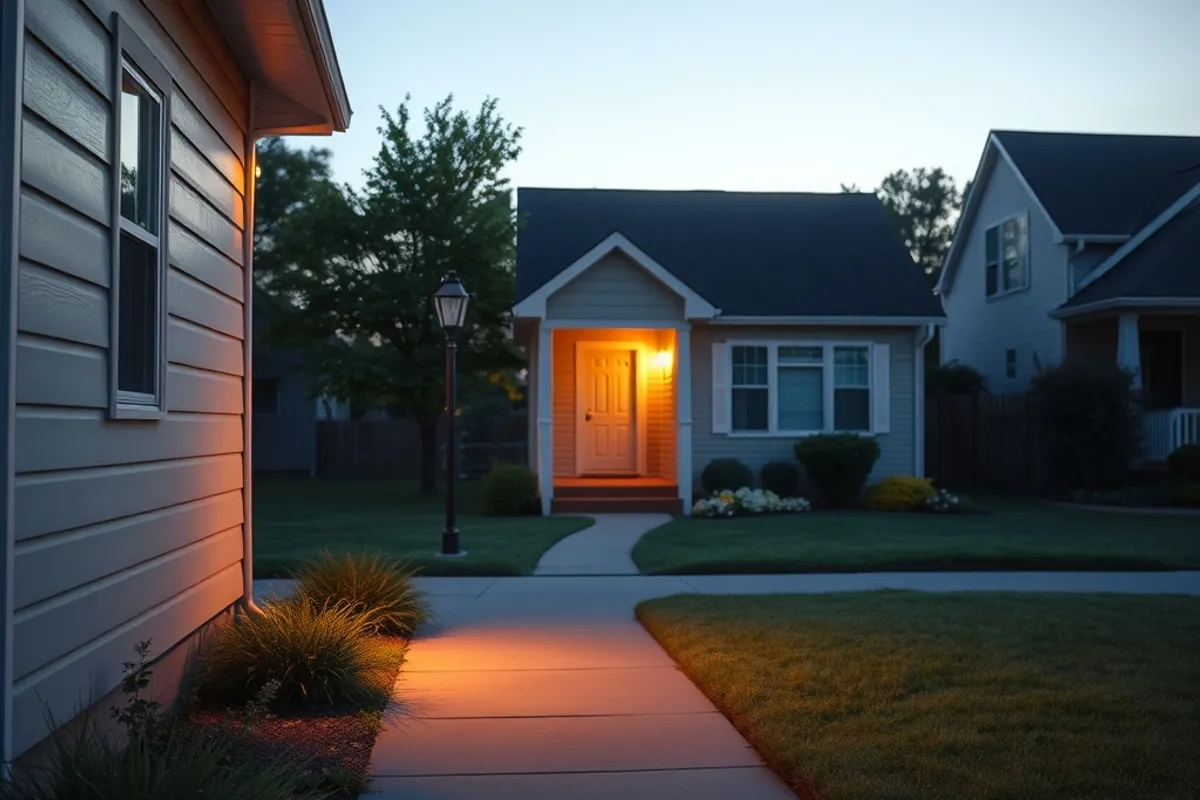
Visit at different times of day and on a weekend. Check parking, noise, foot traffic and how long it takes to reach work. Look at the condition of neighbouring roofs and gardens. Those clues tell you more about the street than a staged listing photo.
Research taxes, school boundaries and planned construction. A new road or warehouse can change the value of a quiet street. Walk to the nearest shop and test the route in rain. If the area feels wrong at 8pm, it will still feel wrong after you move in.
Step 5: Make an offer with room to breathe
Your agent should show you comparable sales, not just asking prices. An offer is more than a number: it includes closing date, inspection contingency, financing contingency and sometimes a repair allowance. Do not waive an inspection to win a bidding war unless you fully understand the risk.
A small escalation clause can help in a competitive market, but cap it before you sign. Know your walk-away number and stick to it. The house you lose today is not the last house on the market. Emotional bidding is how buyers end up house-poor.
Step 6 to 8: Inspect, negotiate, insure
Attend the inspection if you can. The report is long, but the walkthrough tells you which problems are urgent. Separate maintenance from deal-breakers. A missing handrail is a weekend job; a failing foundation is a negotiation. Ask for a credit rather than a repair when you want control over the work.
Then arrange homeowner insurance before closing. In 2026, insurance availability varies sharply by region, and a property near water or wildfire risk may need a specialist policy. Compare replacement cost coverage, not just the premium. A cheap policy that undervalues the rebuild is not a saving.
Step 9 and 10: Close and settle in
Read the closing disclosure at least three days before signing. Compare it with the loan estimate and ask about every line that changed. Bring identification and proof of funds. Once the keys are yours, change the locks, test the smoke alarms and locate the water shutoff valve.
Wait a month before starting major renovations. Living in the house reveals what actually matters. The Department of Housing and Urban Development has a plain-language guide to buying a home that is worth reading before you shop. Then make a list, price it, and do one project at a time.