Introduction & Background
Interior design is a reflection of personal taste, cultural history, and aesthetic values. Among the many styles that have shaped home decor over the centuries, classic interior design stands out as a testament to enduring beauty and refined sophistication. This style draws inspiration from European traditions, particularly those of the 18th and 19th centuries, blending elegance with comfort to create spaces that feel both timeless and welcoming. In an era where trends come and go with increasing speed, classic interior design offers a sense of stability and grace that resonates with those seeking a refined living environment. Whether in grand estates or cozy apartments, the principles of classic design continue to inspire homeowners and designers alike, proving that true elegance never truly fades.
Concept & Overview
Classic interior design is rooted in symmetry, proportion, and a deep appreciation for craftsmanship. It emphasizes the use of high-quality materials, such as hardwoods, marble, and fine fabrics, to create spaces that exude luxury and timelessness. Unlike contemporary styles that often prioritize minimalism and clean lines, classic interiors embrace ornate details, rich textures, and a harmonious balance of form and function. This style is not confined to a single era but rather draws from various periods, including Baroque, Rococo, and Neoclassical influences. The goal is to create a space that feels both grand and intimate, where every piece of furniture and decor contributes to an overall sense of elegance and order.
Key Features & Highlights
- Symmetry and Balance: Classic interiors often feature symmetrical arrangements, with furniture and decor placed evenly on either side of a central focal point, such as a fireplace or a grand chandelier.
- Rich Color Palette: Deep, warm colors like burgundy, navy, forest green, and gold are staples of classic design, creating a luxurious and inviting atmosphere.
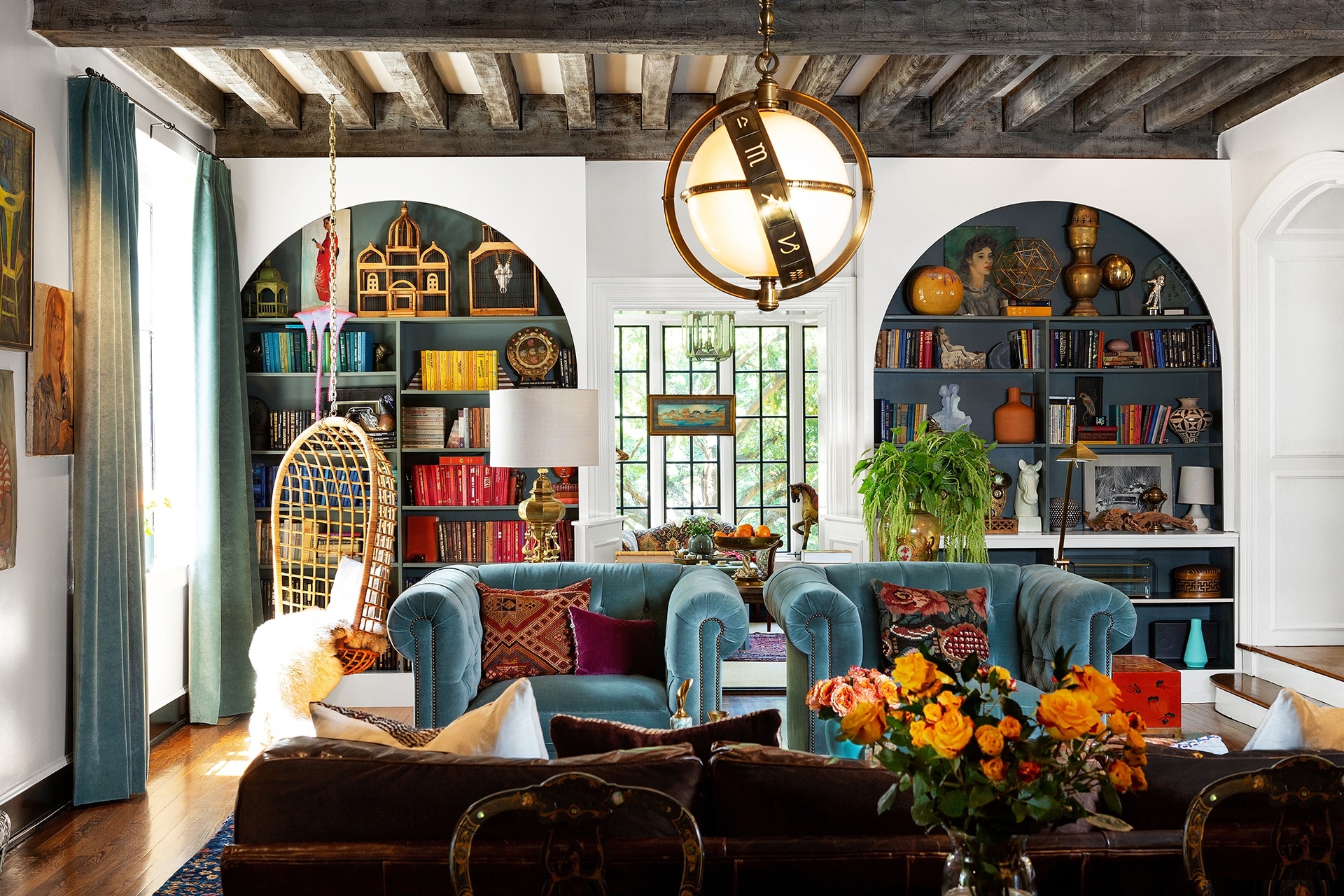
- Ornate Details: Crown moldings, wainscoting, and intricate woodwork add depth and character to walls and ceilings, while decorative elements like chandeliers, sconces, and mirrors enhance the space’s grandeur.
- Quality Furniture: Classic interiors prioritize well-crafted, durable pieces with timeless designs, such as Chesterfield sofas, wingback chairs, and four-poster beds. Upholstery in velvet, silk, or brocade is common.
- Antique and Vintage Accents: Incorporating antique furniture, framed artwork, and vintage rugs adds a sense of history and authenticity to the space, bridging the past with the present.
- Natural Materials: Marble, granite, hardwood floors, and stone fireplaces are frequently used to ground the space in natural beauty and durability.
- Layered Lighting: Classic interiors often feature multiple light sources, including chandeliers, table lamps, and wall sconces, to create a warm, layered glow that enhances the room’s elegance.
Frequently Asked Questions / Pros & Cons
What defines classic interior design compared to other styles?
Classic interior design is defined by its emphasis on symmetry, proportion, and high-quality materials. Unlike modern or contemporary styles, which often favor minimalism and simplicity, classic interiors embrace ornate details, rich textures, and a sense of grandeur. This style draws from historical European influences, creating spaces that feel both luxurious and timeless. While modern design may prioritize functionality and clean lines, classic design prioritizes elegance, craftsmanship, and a connection to the past.
Is classic interior design suitable for small spaces?
Yes, classic interior design can be adapted to small spaces with careful planning. The key is to focus on proportion and balance, avoiding clutter while still incorporating key elements like symmetrical furniture arrangements, mirrors to reflect light, and light-colored walls to create an illusion of space. Opting for multifunctional furniture and smaller-scale classic pieces can help maintain the style’s elegance without overwhelming the room.
What are the pros and cons of choosing a classic interior style?
Pros:
- Timeless appeal that never goes out of style.
- High-quality materials and craftsmanship ensure durability and longevity.
- Creates a sense of sophistication and luxury in any space.
- Versatile enough to blend with other styles for a personalized look.
Cons:
- Higher upfront costs due to the use of premium materials and furniture.
- Can feel overly formal or rigid if not balanced with softer elements.
- Maintenance may be more demanding, especially for antique or delicate pieces.
- May not suit those who prefer a minimalist or ultra-modern aesthetic.
Practical Guidance & Solutions
If you’re inspired to bring classic elegance into your home, start by identifying the core elements that resonate with you. Begin with a neutral base, such as cream or beige walls, and layer in rich colors through textiles, artwork, and furniture. Invest in key pieces that define the style, like a Chesterfield sofa or a four-poster bed, and complement them with antique or vintage accents to add character. Pay attention to lighting, as layered sources like chandeliers, sconces, and table lamps will enhance the room’s warmth and depth.
For those working with limited space, focus on symmetry and proportion to create a balanced look. Use mirrors to reflect light and make the room feel larger, and opt for furniture with slender legs or smaller scales to maintain an airy feel. If budget is a concern, consider mixing classic pieces with more affordable reproductions or focusing on smaller updates like crown molding or a statement chandelier.
Finally, don’t be afraid to blend classic elements with contemporary touches to create a personalized space. A classic sofa paired with modern abstract art or a sleek coffee table can bridge the gap between old and new, resulting in a space that feels both timeless and uniquely yours.
Conclusion
Classic interior design is more than just a style; it’s a celebration of craftsmanship, history, and elegance. In a world where trends fade quickly, classic interiors offer a sense of permanence and grace that resonates across generations. Whether you’re drawn to the grandeur of Baroque opulence or the refined simplicity of Neoclassical design, the principles of classic style provide a foundation for creating spaces that feel both luxurious and inviting. By embracing symmetry, quality materials, and thoughtful details, you can transform any home into a sanctuary of timeless beauty. As you embark on your design journey, remember that true elegance lies not in chasing fleeting trends, but in curating a space that reflects your personal taste while honoring the enduring charm of classic design.
About the Author


:max_bytes(150000):strip_icc()/Traditional-living-room-with-gilt-mirror-58bc74e83df78c353c0df95a.png "Classic Interior Style with Grand Accents")