

Introduction & Background
In an era where sleek, minimalist interiors dominate home design trends, there is a quiet renaissance taking place. Traditional interior design is experiencing a revival, not as a relic of the past, but as a timeless expression of elegance that continues to inspire modern living. This movement celebrates the rich craftsmanship, warm textures, and classic aesthetics that defined earlier centuries. More than mere nostalgia, it represents a deep appreciation for heritage and a desire to infuse spaces with a sense of history and soul. As homeowners increasingly seek authenticity in their surroundings, traditional design offers a comforting balance between grandeur and intimacy, making it a compelling choice for both heritage homes and contemporary dwellings.
Concept & Overview
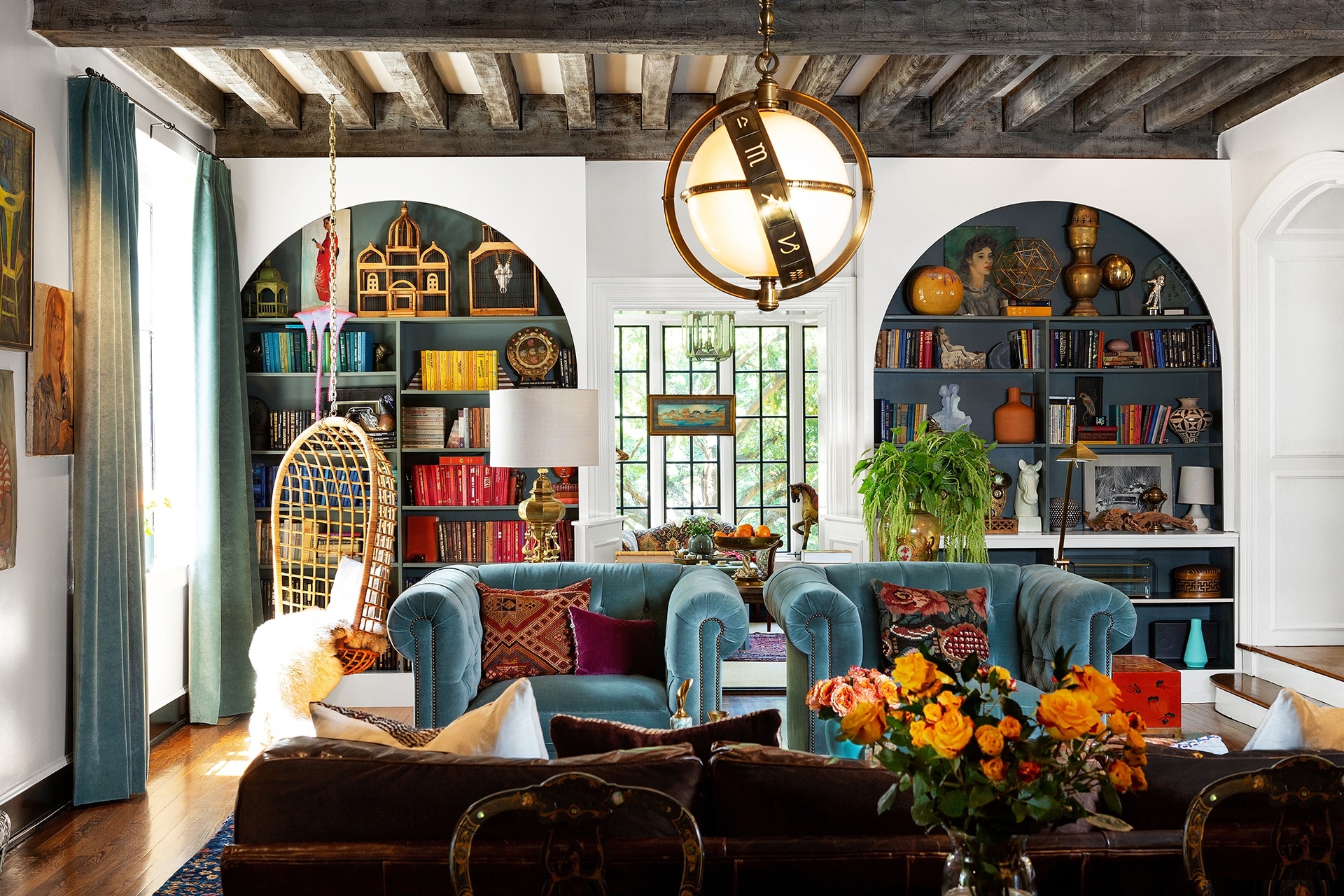
Traditional interior design draws from European styles that flourished between the 17th and early 20th centuries, including Victorian, Georgian, and Colonial influences. At its heart, this style emphasizes symmetry, proportion, and rich detail, creating interiors that feel both refined and lived-in. Unlike modern minimalism, which often favors clean lines and neutral palettes, traditional design embraces ornate moldings, layered fabrics, and a warm color palette grounded in earth tones and deep hues. Furniture pieces are typically made of solid wood, with intricate carvings and plush upholstery, while decorative elements such as chandeliers, framed art, and antique fixtures play a central role in storytelling. This approach is not about rigid replication of historical styles, but about capturing their essence, adapting their principles to suit contemporary needs and lifestyles.
Key Features & Highlights
- Rich Color Palettes: Traditional interiors often feature deep, warm colors like burgundy, forest green, navy blue, and gold, creating a sense of depth and coziness.
- Ornate Moldings and Trim: Crown moldings, wainscoting, and chair rails are hallmarks of the style, adding architectural character and elegance to walls and ceilings.
- Solid Wood Furniture: Furniture crafted from mahogany, cherry, oak, or walnut with hand-carved details and sturdy construction is favored for its durability and timeless beauty.
- Layered Textiles: Heavy drapes, silk or velvet upholstery, and intricately patterned rugs contribute to a layered, tactile environment that invites relaxation.
- Symmetrical Layouts: Rooms are often arranged symmetrically, with furniture and decor placed in balanced pairs to create harmony and order.
- Antique and Vintage Accents: Decorative items such as antique mirrors, brass candlesticks, and porcelain figurines add layers of history and character.
- Grand Lighting Fixtures: Crystal chandeliers, brass sconces, and ornate table lamps serve as focal points, combining function with opulent design.
- Framed Art and Portraits: Walls are adorned with oil paintings, family portraits, and framed prints, reflecting a love for storytelling through art.
Frequently Asked Questions / Pros & Cons
What defines traditional interior design?
Traditional interior design is defined by its use of classic architectural elements, rich materials, and a warm, layered aesthetic inspired by historical European styles. It emphasizes symmetry, craftsmanship, and timeless elegance rather than trendy minimalism.
Is traditional design suitable for modern homes?
Absolutely. Many homeowners blend traditional elements with contemporary spaces to create a transitional style. For example, pairing classic chandeliers with modern furniture can bridge the gap between old and new seamlessly.
What are the benefits of traditional interior design?
- Creates a sense of warmth and comfort.
- Emphasizes quality craftsmanship and durability.
- Offers a timeless appeal that does not quickly go out of style.
- Provides flexibility to incorporate personal heritage and memories.
Are there any drawbacks to traditional design?
Traditional interiors can require higher maintenance due to delicate fabrics and woodwork that may need regular care. They can also feel overly ornate or dark if not balanced with lighter elements. Additionally, authentic antique pieces may come with a higher price tag compared to mass-produced modern furniture.
Practical Guidance & Solutions
To successfully incorporate traditional design into your home, start by identifying the key elements that resonate with you. If ornate moldings feel overwhelming, consider adding subtle wainscoting or paneling instead. Choose a primary color palette that reflects your personality, and layer in textures gradually. For those on a budget, focus on statement pieces like a vintage-style sofa or a classic area rug, and build up over time. To prevent a space from feeling too heavy, balance dark woods and rich fabrics with lighter tones in art, windows, and flooring. When selecting furniture, prioritize quality and craftsmanship, even if it means choosing one or two high-quality items over several cheaper ones. Finally, accessorize thoughtfully with meaningful objects, family heirlooms, and art that tells your story, ensuring your home feels both elegant and deeply personal.
Conclusion
Timeless elegance is not about living in the past, but about honoring it in a way that enriches the present. Traditional interior design offers more than just aesthetic appeal, it provides a sense of continuity, warmth, and identity. In a world of constant change and fleeting trends, it stands as a testament to the enduring power of craftsmanship and beauty. By reviving the soul of traditional design, we create spaces that are not only visually stunning but emotionally resonant. Whether through the grandeur of a formal parlor or the quiet charm of a cozy reading nook, traditional interiors remind us that true elegance is everlasting, and home is where the heart finds its most authentic expression.
About the Author


:max_bytes(150000):strip_icc()/Traditional-living-room-with-gilt-mirror-58bc74e83df78c353c0df95a.png "Classic Interior Style with Grand Accents")
:max_bytes(150000):strip_icc()/elebash_1113_02-2000-d93cd8f43c274b0f8d95f2805c75a55d.jpg "Tropical Home Design with Island Vibes")