
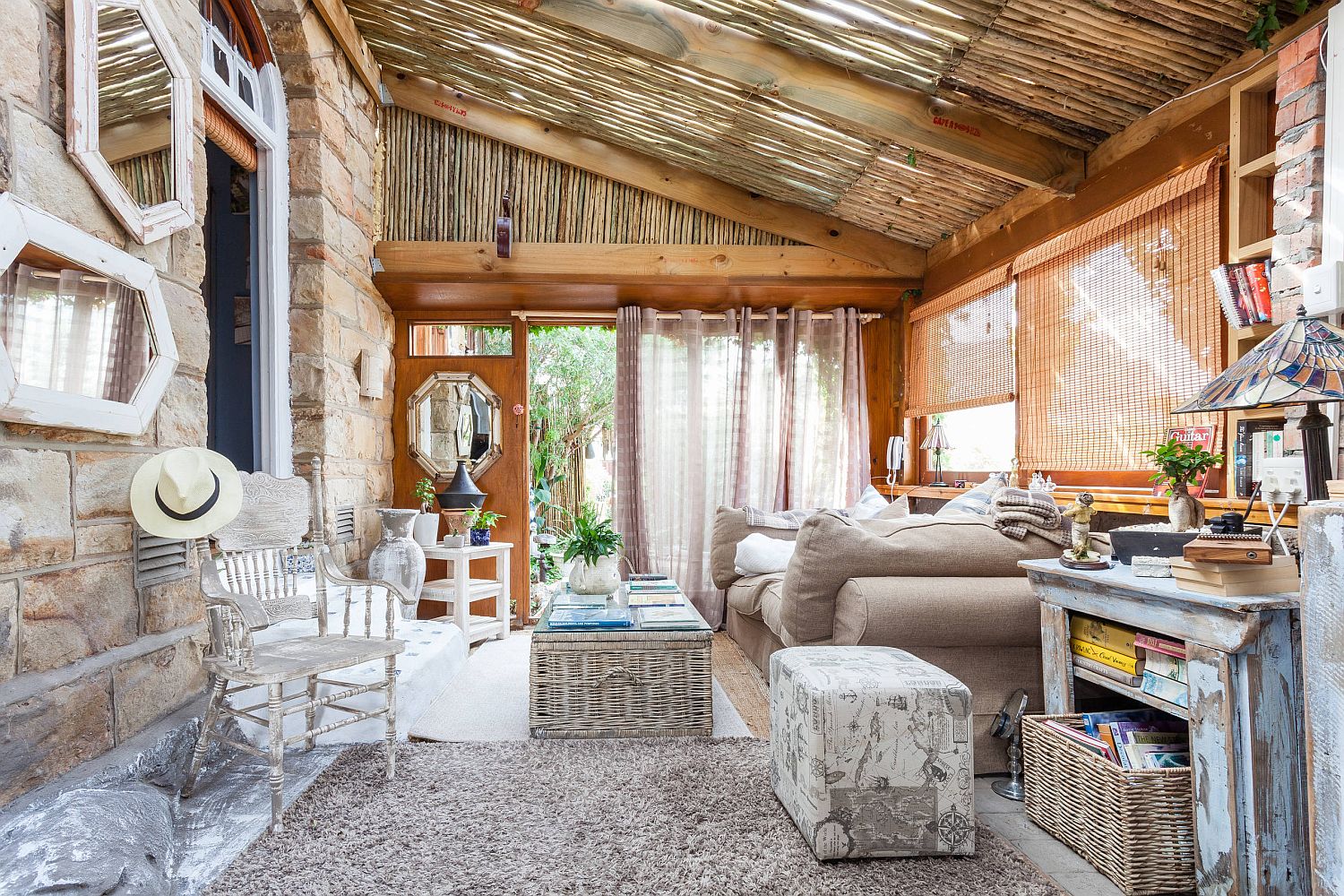
Tropical home design thrives on warmth, organic textures, and an ambiance reminiscent of distant coastlines and lush forest landscapes. Within this serene yet expressive framework lies the opportunity to introduce Exotic accent style, creating a home environment that feels vibrant, cultured, and full of personality. This integration forms a visual symphony where natural elements meet curated artistic details, elevating the overall aesthetic into something truly captivating.
Natural Materials as the Foundation of Character
Tropical interiors rely heavily on materials sourced directly from nature. Wood, bamboo, and rattan establish the overarching identity of the home. Their tactile qualities produce a lived in feeling that fosters comfort and ease. Reclaimed timber adds an element of rustic appeal, while polished woods offer sophistication. When paired with stone or clay accents, these materials create depth and reinforce the grounding atmosphere that tropical homes are known for.
Rattan furnishings often take center stage in living areas, their woven patterns casting subtle shadows that enhance the room’s visual interest. Bamboo screens and jute rugs complement these elements, providing additional texture without overwhelming the senses. Every surface becomes an opportunity to engage with nature, both visually and physically.
Harmonizing Indoor and Outdoor Environments
One of the most compelling qualities of tropical home design is its seamless connection to the outdoors. Large windows, open terraces, and sliding glass panels blur the boundaries between interior and exterior worlds. This fluidity allows natural breezes to move freely throughout the home, reducing the need for mechanical cooling and fostering a tranquil atmosphere.
Outdoor spaces, such as shaded patios or lush garden nooks, become extensions of the main living areas. They serve as multifunctional environments where residents can lounge, dine, or entertain. The presence of tropical flora amplifies this experience, offering shade, color, and a mesmerizing sense of immersion in nature.
Light as a Design Element
Natural light influences the emotional tone within tropical homes. Abundant sunlight fills the rooms, bringing warmth and enhancing architectural details. Designers often incorporate clerestory windows and carefully angled openings to create dynamic patterns of light. This steady interplay between brightness and shadow adds a sense of movement and vitality.
Soft diffused lighting during late afternoon hours can transform spaces into soothing retreats. The atmosphere becomes calm, reflective, and deeply connected to the rhythms of the natural environment. This interplay of illumination shapes the home’s character without the need for excessive artificial fixtures.
Introducing Cultural Artifacts for Global Flair
The use of culturally inspired décor plays a vital role in elevating the tropical interior. Carved wooden statues, vibrant woven textiles, and hand painted ceramics introduce artistic individuality. These artifacts serve as visual stories that reflect global influences, enriching the interior environment.
Incorporating these elements requires a thoughtful approach. Careful placement prevents visual clutter and ensures each piece stands out. A single carved panel or artisanal textile can become a focal point that transforms an otherwise simple room into one filled with personality and intrigue.
Color Palettes That Evoke Coastal and Jungle Landscapes
Color selection shapes the emotional cadence of tropical homes. Soft neutrals, reminiscent of sand and seashells, create a calm backdrop that supports more elaborate accents. Shades of ivory, taupe, and muted beige maintain a sense of balance while highlighting organic materials.
Deeper hues can also play a role. Moss green, burnt terracotta, and ocean blue provide contrast and enrich the overall palette. These colors introduce warmth and depth, especially when paired with tropical plant life or intricate décor pieces. The result is a visually engaging space that feels naturally harmonious.
Botanical Arrangements as Living Décor
Plants are essential components of tropical home design. They provide a rhythmic contrast to structured furniture and introduce a sense of vitality. Large species such as palms, monstera, and philodendron excel at filling vertical space, while cascading vines soften architectural lines.
Botanical arrangements also influence indoor air quality, promoting healthful living. Their presence generates a connection to outdoor environments even when one is seated indoors. This sense of immersion enhances the overall serenity of the home.
Luxury Through Textural Layers
Textiles contribute significantly to comfort and elegance. Linen drapery, cotton upholstery, and handwoven throws elevate interior spaces with their softness and breathability. Their lightweight nature suits tropical climates, offering comfort without retaining heat.
Patterns inspired by nature, such as palm leaf prints or handcrafted batik, introduce subtle artistry. When used sparingly, they enrich the décor without overpowering the primary aesthetic. These tactile layers create an inviting environment that feels luxurious yet grounded.
Spatial Flow and Architectural Ease
Spatial fluidity is a defining attribute of tropical home architecture. Open floor plans allow rooms to interact harmoniously, making the home feel expansive and unified. Minimal interior barriers encourage light and airflow to circulate freely.
Curved pathways, high ceilings, and strategically placed openings add sophistication. These features work together to ensure effortless movement throughout the home, creating an experience that feels intuitive and restful.
About the Author

:max_bytes(150000):strip_icc()/elebash_1113_02-2000-d93cd8f43c274b0f8d95f2805c75a55d.jpg "Tropical Home Design with Island Vibes")


:max_bytes(150000):strip_icc()/Traditional-living-room-with-gilt-mirror-58bc74e83df78c353c0df95a.png "Classic Interior Style with Grand Accents")