
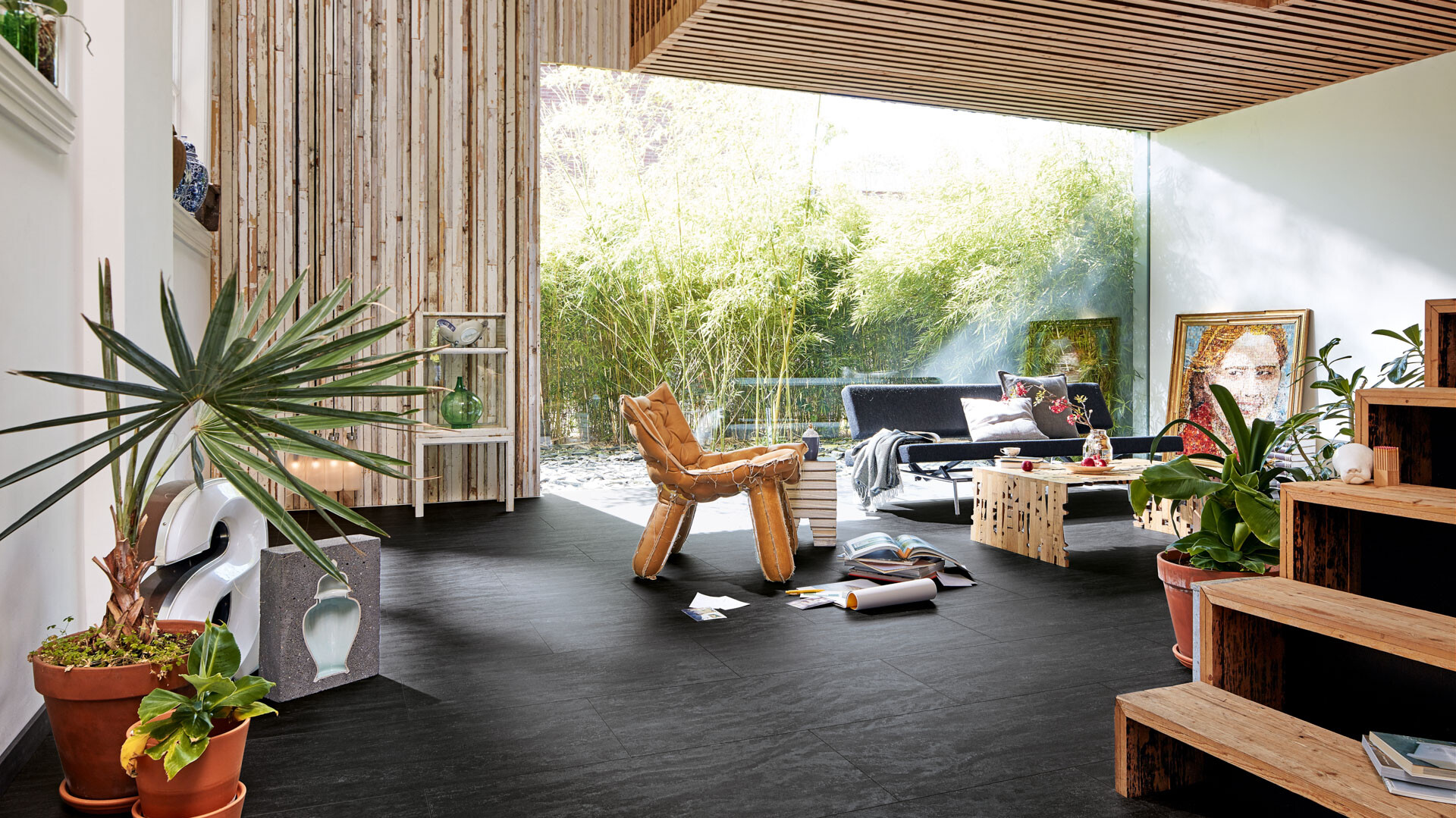
Tropical home design invites a refreshing sense of harmony by embracing natural elements and organic textures. Spaces influenced by tropical aesthetics feel open, restorative, and invigorating, especially when they incorporate lush green touches that elevate their visual allure. The use of greenery, rich wood tones, and soft natural fibers creates an immersive environment that feels both serene and sophisticated. Every detail, from the choice of plants to the placement of textures, plays a role in defining an interior that resonates with nature’s calming presence.
Embracing Natural Materials
A tropical inspired home relies heavily on materials drawn from the natural world. Wood, in all its variations, anchors spaces with warmth and character. Homeowners often select teak, acacia, or bamboo to bring depth to their surroundings. These materials possess organic irregularities that add visual movement, transforming what might be a plain surface into a tactile experience. Rattan and seagrass contribute additional texture, enhancing the relaxed but refined atmosphere that tropical interiors are known for.
Textiles also play a crucial role. Fabrics such as cotton and linen breathe effortlessly, allowing air to move freely around the room. Their lightweight nature softens incoming light, creating a subtle glow that complements the tropical concept. Combined with soft, neutral tones, these fabrics help shape interiors that feel grounded yet airy, giving the space a harmonious balance.
Color Palettes Inspired by Nature
Color serves as the foundation of tropical interior design. Neutrals such as sand, ivory, and warm beige establish a soothing base. These shades mimic coastal landscapes, offering a quiet backdrop for more vibrant elements to shine. Greens, ranging from muted sage to saturated emerald, create visual depth and evoke the presence of flourishing vegetation. The interplay of color encourages a sense of tranquility that mirrors outdoor environments.
Accents in terracotta, amber, or ocean blue can bring further dimension. When used purposefully, these hues generate energy without overwhelming the room. They act as tonal markers that guide the eye across different areas, connecting spaces through subtle chromatic cues.
Spatial Flow and Airiness
The arrangement of furniture is essential in maintaining the tropical theme. Open layouts promote ease of movement and encourage natural ventilation. Avoiding overcrowded configurations helps maintain an atmosphere of calm. Furniture with open frames or woven designs enhances the feeling of spatial lightness, allowing air and light to circulate without obstruction.
Strategic placement also allows the interior to feel cohesive. Creating distinct zones for lounging, dining, or reading can establish structure, while still preserving the relaxed ambiance associated with tropical living. Each zone serves as an opportunity to reinforce the overarching theme through carefully chosen materials or patterns.
Botanical Elements as Focal Points
Plants form the heart of tropical home design, shaping the room’s personality and bringing nature indoors. Varieties like monstera, philodendron, and calathea offer sculptural forms that act as living art pieces. Their expansive leaves lend a sense of scale that complements the broader natural theme. When arranged thoughtfully, plants can soften sharp edges, frame architectural features, or highlight decorative accents.
Vertical gardens or hanging planters are excellent additions for maximizing greenery while conserving floor space. These installations introduce layers of visual interest, shifting naturally as the light changes throughout the day. The dynamic presence of plants reinforces the desired tropical atmosphere with minimal effort.
Textures that Elevate the Environment
Texture enriches tropical interiors in subtle yet impactful ways. Smooth wooden surfaces contrast pleasantly with woven furnishings. Soft area rugs made from natural fibers introduce warmth underfoot. This interplay between surfaces helps create a multidimensional environment that feels immersive and tactile.
Patterns inspired by tropical flora or coastal motifs further enhance the overall aesthetic. Leaf silhouettes, botanical prints, or water inspired patterns can be integrated into cushions, throws, or wall art. When used sparingly, these designs add depth without overwhelming the tranquility of the space.
Lighting that Enhances Serenity
Lighting plays a defining role in shaping the mood. Large windows encourage an influx of sunlight, reinforcing the connection to the outdoors. Sheer curtains allow brightness to flow through while diffusing any harsh glare. In the evening, warm toned lamps and soft uplighting replicate the gentle transitions of twilight.
Fixtures crafted from natural materials continue the organic theme. Woven shades, wooden lamp bases, or stone accents contribute to the sense of unity. Each light source should serve a purpose, whether illuminating a reading nook or casting a gentle glow across the living area.
Enhancing Comfort through Ventilation and Freshness
In any tropical design, airflow is essential. Proper ventilation maintains comfort and prevents interiors from feeling stagnant. Ceiling fans with natural finishes or strategically placed windows enhance circulation. Cross breezes can invigorate the space, carrying subtle shifts in air that enhance the sensory experience.
Integrating water inspired elements, such as small indoor fountains or decorative bowls, can also add freshness. These features introduce auditory tranquility that complements the visual appeal of the interior.
About the Author

:max_bytes(150000):strip_icc()/elebash_1113_02-2000-d93cd8f43c274b0f8d95f2805c75a55d.jpg "Tropical Home Design with Island Vibes")


:max_bytes(150000):strip_icc()/Traditional-living-room-with-gilt-mirror-58bc74e83df78c353c0df95a.png "Classic Interior Style with Grand Accents")