
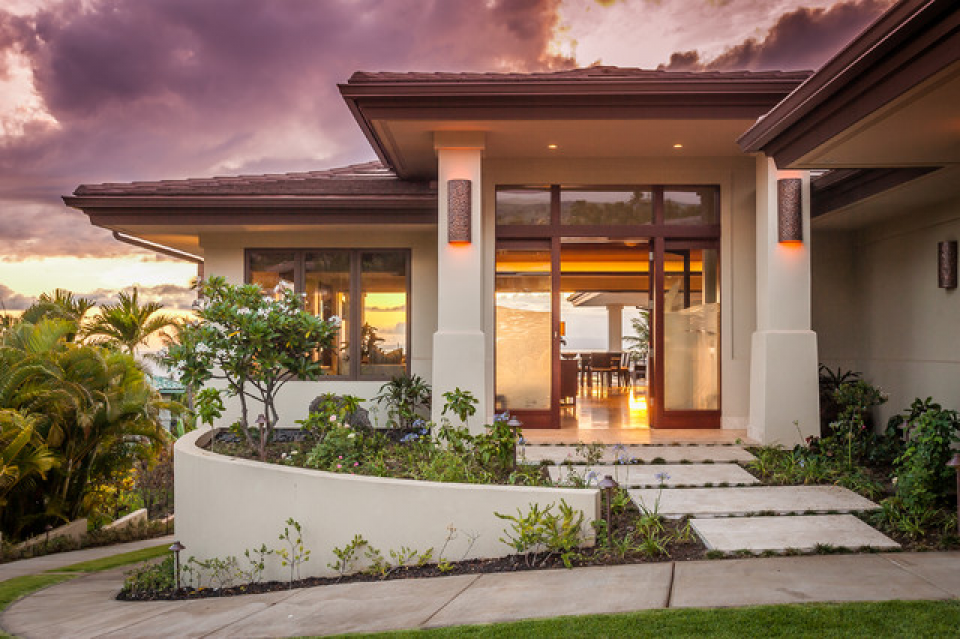
Tropical homes capture an atmosphere of comfort, serenity, and refined simplicity. The essence of Natural elegance design emerges through the interplay of organic textures, soothing colors, and architectural choices that prioritize harmony with the environment. This aesthetic encourages a seamless relationship between indoor and outdoor spaces, transforming the home into a sanctuary where gentle breezes and warm sunlight feel like part of the interior landscape.
Embracing Organic Materials for Lasting Beauty
A tropical home thrives on materials that originate directly from nature. Timber, rattan, bamboo, and stone establish a foundation of authenticity. Their inherent imperfections add depth and character to the space. Surfaces crafted from these elements age gracefully, developing patinas that elevate the overall visual narrative. Soft variations in tone and grain bring dynamism while maintaining a cohesive theme.
Large wooden beams or sculpted timber furniture serve as focal points that exude quiet grandeur. Meanwhile, woven textures create a tactile ambiance that enriches the sensory experience of each room. The use of natural fibers for rugs, blinds, and upholstery underscores the desire for an environment that feels grounded. Together, these components create a home that is both inviting and enduring.
Creating Airy Interiors with Thoughtful Layouts
Spatial planning plays a crucial role in shaping a tropical home. Rooms are configured to encourage fluid circulation, allowing natural airflow to guide comfort throughout the day. Wide openings, sliding doors, and oversized windows act as conduits for ventilation. These elements prevent stagnation and reduce reliance on artificial cooling.
Ceiling heights are often extended to produce a sense of expansiveness. This vertical dimension draws the eye upward and prevents the space from feeling confined. Strategically placed voids, mezzanines, and open corridors amplify transparency within the home. The intentional minimization of barriers helps maintain visual connection between rooms while emphasizing spatial coherence.
Minimal ornamentation ensures that attention remains on proportion and form rather than clutter. Each area feels curated, yet never austere. This balance is essential, allowing comfort to coexist with sophistication across the home.
Integrating Nature into the Living Experience
Nature is not merely an accessory in tropical design. It is an integral part of the environment. Lush greenery is introduced through indoor plants, vertical gardens, and open courtyards. These living elements purify the air and soften the crisp lines of architectural structures.
Water features, whether in the form of small ponds or reflective pools, contribute to a calming auditory backdrop. Their gentle motion introduces tranquility and enriches the sensory palette of the home. Natural light enters freely, casting dynamic shadows that shift throughout the day. This interplay between light and foliage adds an ever changing visual rhythm that enhances the dwelling.
Outdoor terraces and verandas extend the living space, creating transition zones that bridge interior comfort with exterior vibrancy. The integration of sheltered seating areas encourages relaxation while maintaining a strong connection to the surrounding landscape.
Curating a Calming, Refined Color Palette
Color selection influences the emotional tone of a tropical home. Soft neutrals form the base, with white, beige, and warm cream promoting clarity and calm. These hues reflect sunlight effectively, intensifying brightness and creating a refreshing ambiance.
Accents are drawn from earth and foliage. Shades of moss, sand, terracotta, and muted green bring subtle variation without overwhelming the senses. These colors echo the environment and support a theme of quiet refinement. Occasional darker tones, such as espresso or charcoal, can be used sparingly to anchor the palette. Their presence adds depth and contrast while maintaining harmony.
By relying on restrained chromatic combinations, the design cultivates serenity and prevents visual fatigue. This palette ensures that the tropical interior remains timeless rather than trendy.
Furnishings That Celebrate Comfort and Simplicity
Furniture in a tropical home aims to balance ease and style. Pieces are selected for their functionality, craftsmanship, and understated beauty. Low profile seating, wooden loungers, and woven accent chairs contribute to a relaxed yet polished look.
Upholstery is typically chosen for breathability, favoring linen, cotton, or other natural fabrics. These materials help regulate temperature and elevate comfort. Their understated textures complement the broader design language of the home.
Décor remains intentionally limited. Handcrafted ceramics, botanical arrangements, and artisanal table pieces add personality without overcrowding surfaces. Each item feels purposeful, contributing to an atmosphere that is curated yet never contrived.
Enhancing the Home with Thoughtful Lighting
Lighting plays a defining role in tropical design. Natural illumination is prioritized, but artificial lighting adds essential layers after sundown. Warm toned fixtures are preferred to mimic the softness of sunlight. Pendant lights made from bamboo or woven fibers contribute organic charm and diffuse illumination gently.
Floor lamps with minimalist silhouettes enhance corners without drawing excessive attention. Ambient, task, and accent lighting are combined to create a dynamic yet cohesive visual environment. The emphasis is on warmth, subtlety, and the celebration of texture through shadow and glow.
About the Author

:max_bytes(150000):strip_icc()/elebash_1113_02-2000-d93cd8f43c274b0f8d95f2805c75a55d.jpg "Tropical Home Design with Island Vibes")


:max_bytes(150000):strip_icc()/Traditional-living-room-with-gilt-mirror-58bc74e83df78c353c0df95a.png "Classic Interior Style with Grand Accents")