Introduction & Background
In a world where individuality is celebrated more than ever, traditional interior design rules often feel restrictive. People today seek spaces that reflect their unique personalities, experiences, and passions. Eclectic interiors offer the perfect solution by blending diverse styles, eras, and cultural influences into a cohesive and personal sanctuary. Unlike rigid design philosophies that prioritize uniformity, eclectic interiors thrive on contrast, harmony, and storytelling. They invite homeowners to curate their surroundings with intention, creating a home that doesn’t just look beautiful but also feels deeply meaningful.
This design approach has gained popularity as more people embrace global travel, digital connectivity, and cultural diversity. Eclectic interiors allow for creative freedom, making each space one-of-a-kind. Whether you’re drawn to vintage charm, modern minimalism, or bohemian flair, eclecticism encourages you to mix and match elements that resonate with you. The result is a home that tells your story, evoking memories, dreams, and inspirations at every turn.
Concept & Overview
Eclectic interiors are rooted in the principle of harmonious diversity. They are not about random mixing but rather about thoughtful curation where each piece has a purpose and contributes to the overall narrative of the space. The core idea is to create balance through contrast, ensuring that different styles, textures, and colors coexist in a way that feels intentional rather than chaotic.
Unlike maximalism, which often leans toward abundance for its own sake, eclecticism is about finding common threads that tie varied elements together. These threads could be color palettes, materials, or thematic motifs. For example, a mid-century modern sofa might sit comfortably next to an antique Persian rug if they share a warm, earthy tone. The key lies in selecting pieces that complement rather than compete with one another, resulting in a space that feels curated and cohesive.
Key Features & Highlights
- Diverse Influences: Eclectic interiors draw from multiple design styles, cultures, and historical periods. This could include elements from Scandinavian simplicity, Moroccan patterns, Japanese minimalism, or industrial edges, all blended seamlessly.
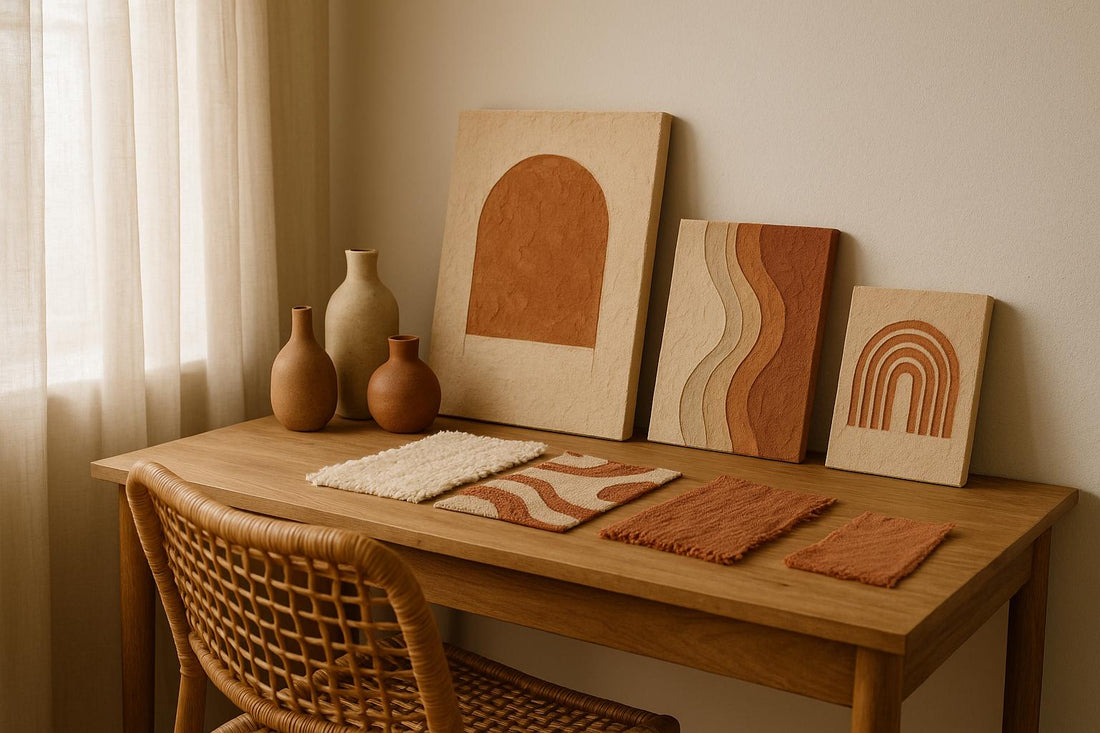
- Bold Color Palettes: While neutral tones provide balance, eclectic spaces often feature vibrant or unexpected color combinations. Think jewel tones paired with muted pastels or deep blues contrasted with warm terracotta.
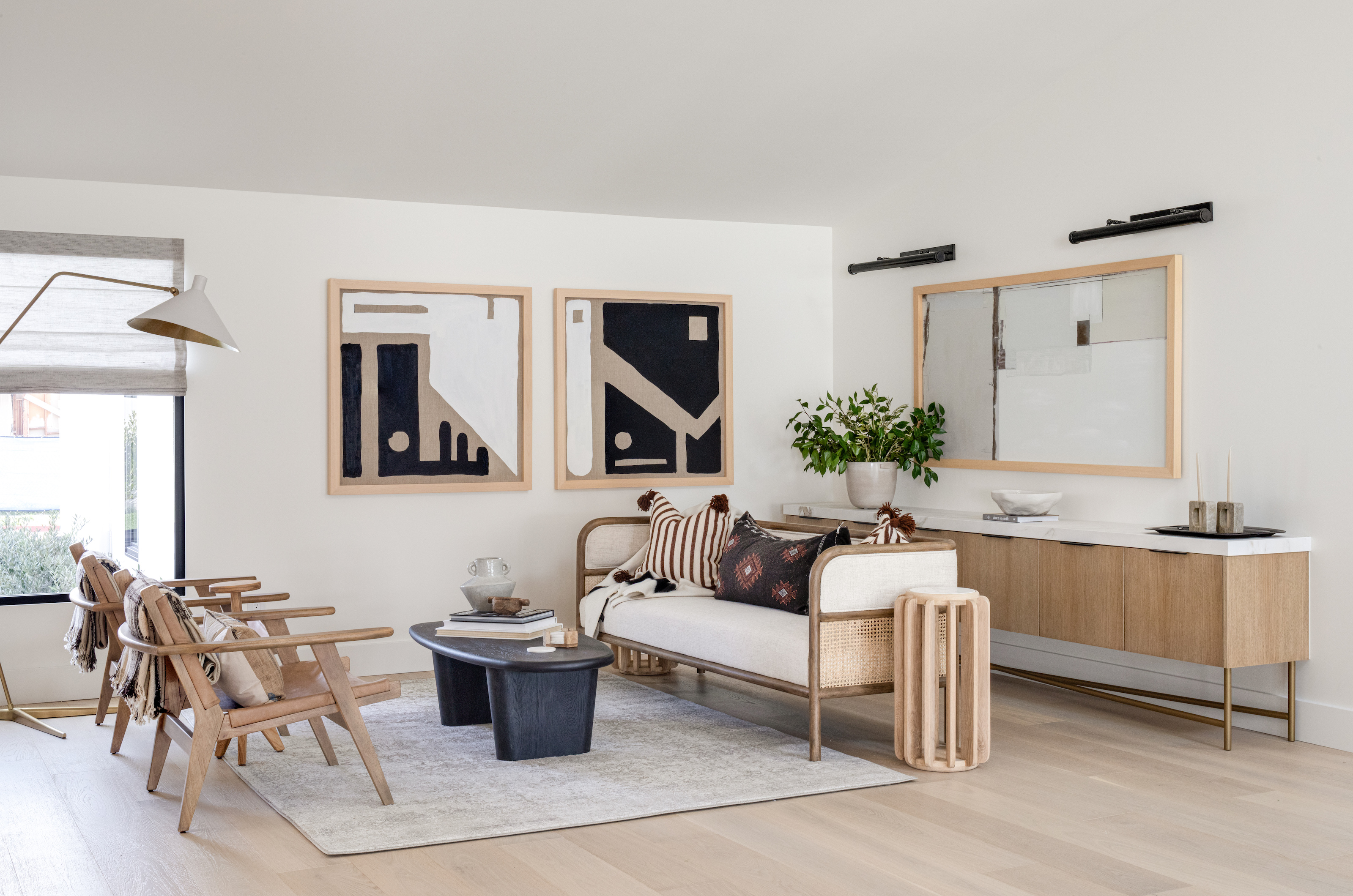
- Layered Textures: Texture plays a crucial role in eclectic design. Mixing materials like velvet, rattan, metal, wood, and glass adds depth and visual interest, making the space feel dynamic and tactile.
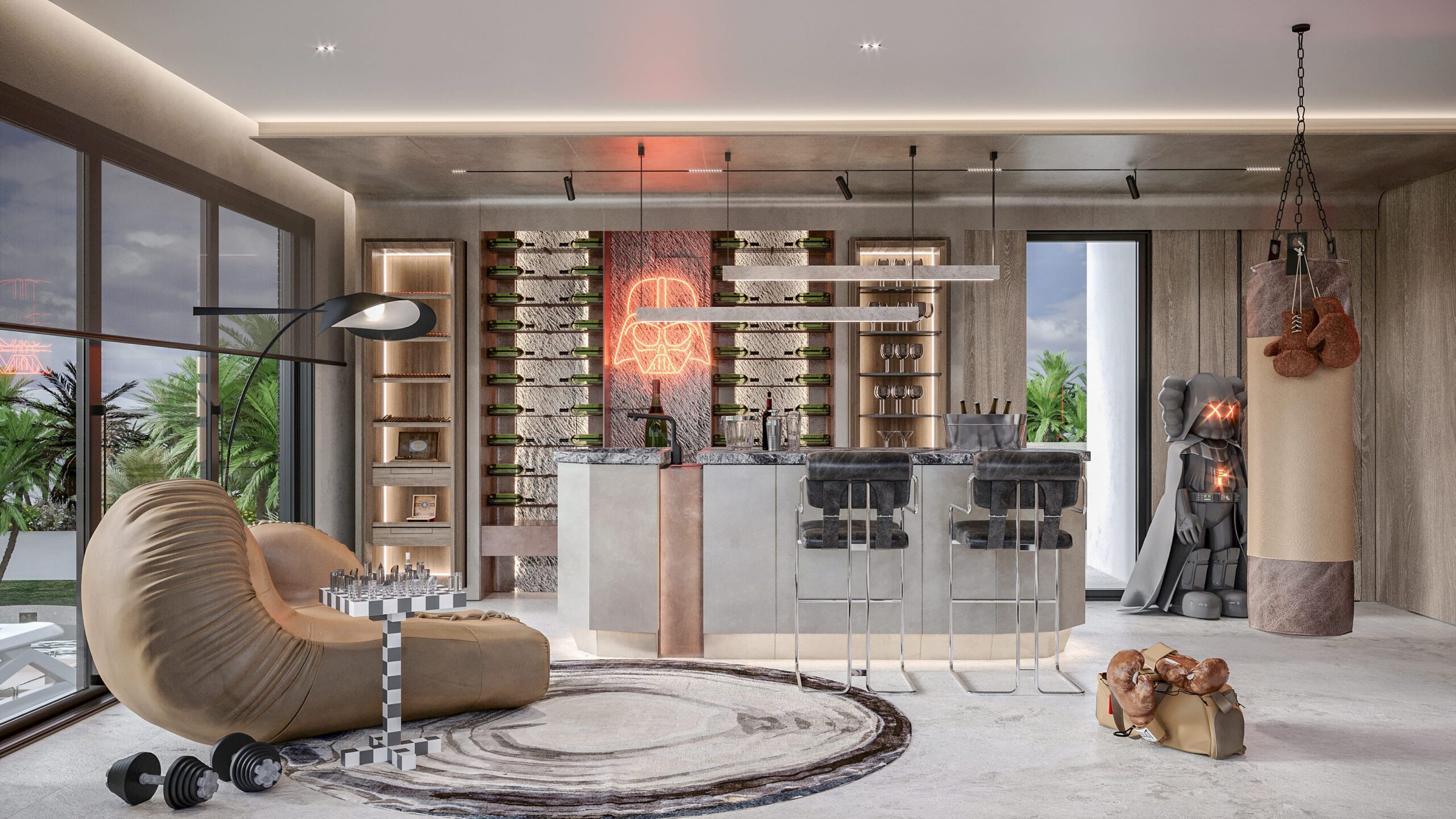
- Personal Artifacts: Eclectic interiors are deeply personal. They often include travel souvenirs, family heirlooms, and handmade items that carry sentimental value, turning the home into a gallery of meaningful objects.
- Unconventional Furniture: Furniture pieces in eclectic spaces may defy traditional categorization. A vintage trunk might serve as a coffee table, while a brightly painted cabinet could double as a room divider. The focus is on function and character rather than trends.
- Artistic Expression: Walls in eclectic homes are often adorned with an eclectic mix of artwork, photographs, and wall hangings. This could include abstract paintings, vintage posters, or even a gallery wall of black-and-white family portraits.
Frequently Asked Questions / Pros & Cons
What exactly defines an eclectic interior, and how does it differ from other design styles?
An eclectic interior is defined by its intentional mixing of different styles, eras, and cultural influences to create a cohesive yet diverse space. Unlike traditional or contemporary styles that stick to specific rules, eclecticism embraces flexibility and personal expression. While maximalism focuses on abundance for aesthetic impact, eclecticism prioritizes harmony and balance through thoughtful curation. The difference lies in the approach: eclectic design seeks a narrative, while maximalism may lean toward visual overload for its own sake.
Is an eclectic interior more expensive to achieve than other styles?
Not necessarily. While eclectic interiors can involve unique or antique pieces, they don’t always require high-end purchases. Thrift stores, flea markets, and DIY projects can be excellent sources for affordable, one-of-a-kind items. The key is to invest in pieces that truly resonate with you rather than chasing expensive trends. Over time, an eclectic space can be built gradually, making it a budget-friendly option for those who prioritize creativity over cost.
How do you avoid making an eclectic space look cluttered or chaotic?
The secret to a successful eclectic interior lies in restraint and repetition. Start with a neutral base, such as walls in a muted tone or large furniture pieces in simple designs. Then, introduce variety through smaller decor items, textiles, and artwork. Repeating colors, materials, or shapes throughout the space creates a sense of cohesion. For example, if you introduce a bold patterned rug, tie it into the room with throw pillows or curtains in complementary colors. The goal is to create rhythm, not randomness.
Can eclectic interiors work in small spaces?
Absolutely. Eclectic design isn’t limited by square footage. In fact, small spaces can benefit from the layered textures and personal touches that define eclecticism. The key is to be strategic with furniture placement and avoid overcrowding. Opt for multi-functional pieces, like a storage ottoman or a wall-mounted shelf, to maximize space. Mirrors can also help create the illusion of a larger room while adding a decorative element. The trick is to curate selectively rather than filling every inch of space.
What are the potential drawbacks of an eclectic interior?
One of the main challenges is achieving balance. Without careful planning, an eclectic space can feel overwhelming or disjointed. Another potential drawback is resale value, as overly personalized interiors may not appeal to all buyers. Additionally, sourcing the right mix of pieces can take time and effort, requiring patience and a keen eye for detail. However, these challenges can be mitigated with thoughtful planning and a clear vision for the space.
Practical Guidance & Solutions
Creating an eclectic interior begins with a clear vision. Start by identifying the elements that inspire you. Do you love the clean lines of Scandinavian design? The warmth of vintage textiles? The boldness of African prints? Gather images, colors, and textures that resonate with you, and use them as a reference point. This mood board will guide your decisions and ensure cohesion.
Begin with a neutral foundation. Walls painted in soft tones or large furniture pieces in simple designs provide a canvas for your eclectic elements. Next, layer in textures and patterns. Introduce a mix of materials like wood, metal, and fabric through rugs, curtains, and upholstery. Don’t shy away from mixing patterns, but keep the scale varied to avoid overwhelming the space. For example, pair a large floral print with smaller geometric patterns to create visual interest.
Incorporate personal artifacts that tell your story. Whether it’s a collection of vintage cameras, a gallery wall of travel photos, or a handwoven basket from a recent trip, these items add depth and meaning to your space. Remember, the goal is to create harmony through contrast, so balance bold pieces with quieter elements. If a statement chair catches your eye, balance it with a minimalist side table or a neutral-toned sofa.
Finally, edit and refine. Eclectic interiors thrive on careful curation, so don’t hesitate to remove items that no longer fit your vision. The best spaces evolve over time, so allow yourself the freedom to adjust and refine as you go. Embrace the process, and enjoy the journey of creating a home that is uniquely yours.
Conclusion
Eclectic interiors are more than just a design trend; they are a celebration of individuality and creativity. By blending diverse styles, textures, and personal artifacts, you can create a home that not only looks stunning but also tells your story in a way that feels authentic and inspiring. The beauty of eclecticism lies in its flexibility, allowing you to evolve your space as your tastes and experiences change. Whether you’re drawn to the warmth of vintage charm, the boldness of global influences, or the simplicity of modern design, eclectic interiors offer endless possibilities for self-expression. So, embrace the freedom to mix, match, and experiment, and let your home become a reflection of the extraordinary life you lead.
About the Author