How we ranked these projects
We looked at six common renovations and asked three questions. What does a mid-range version cost in 2026? How much of that cost comes back at resale? And how likely is the job to run into hidden damage once walls open? A project that returns 70 percent but doubles in price halfway through is not a good project, however glossy the brochure.
Our cost ranges come from published 2026 trade data and quotes gathered in 12 metro areas. Resale estimates use recent comparable sales rather than wishful percentages. The result is a practical order of work for owners who plan to stay at least three years. If you are earlier in the process, our renovation guides cover planning and permits, while the home improvement hub collects the buying advice for each stage.

Kitchen refresh: the reliable payback
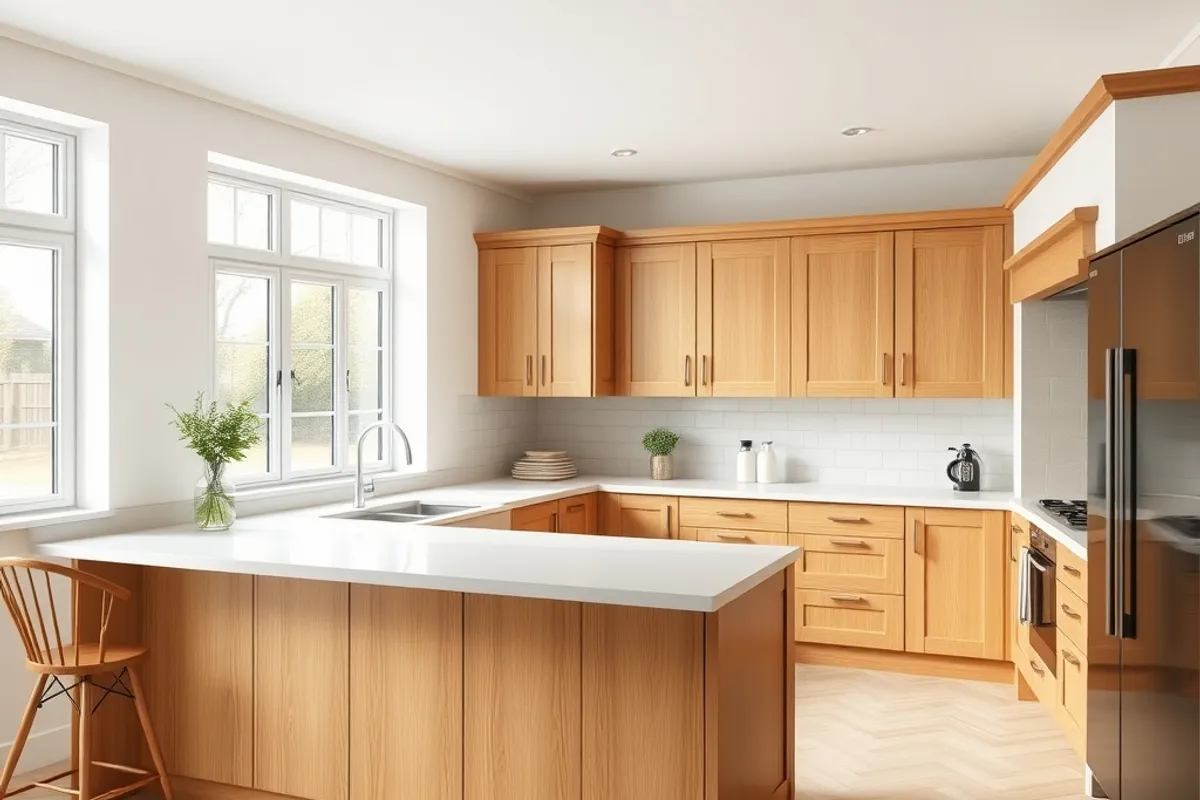
A full kitchen rebuild is expensive, but a controlled refresh is still the best value in the house. Replace doors and drawer fronts, repair the cabinet boxes, add a solid worktop and improve lighting. In our test homes, that package cost between 9,000 and 18,000 dollars and changed how the room functioned far more than the price suggests.
The mistake is moving plumbing or knocking down a wall without a clear reason. Every relocation adds trades, inspections and time. Keep the sink, cooker and fridge in place if you can. Spend on the worktop and the tap, because hands touch them every day, and save on open shelving that collects grease. Buyers notice a clean layout and quiet drawers long before they notice an expensive splashback.
Bathroom updates that stay in budget
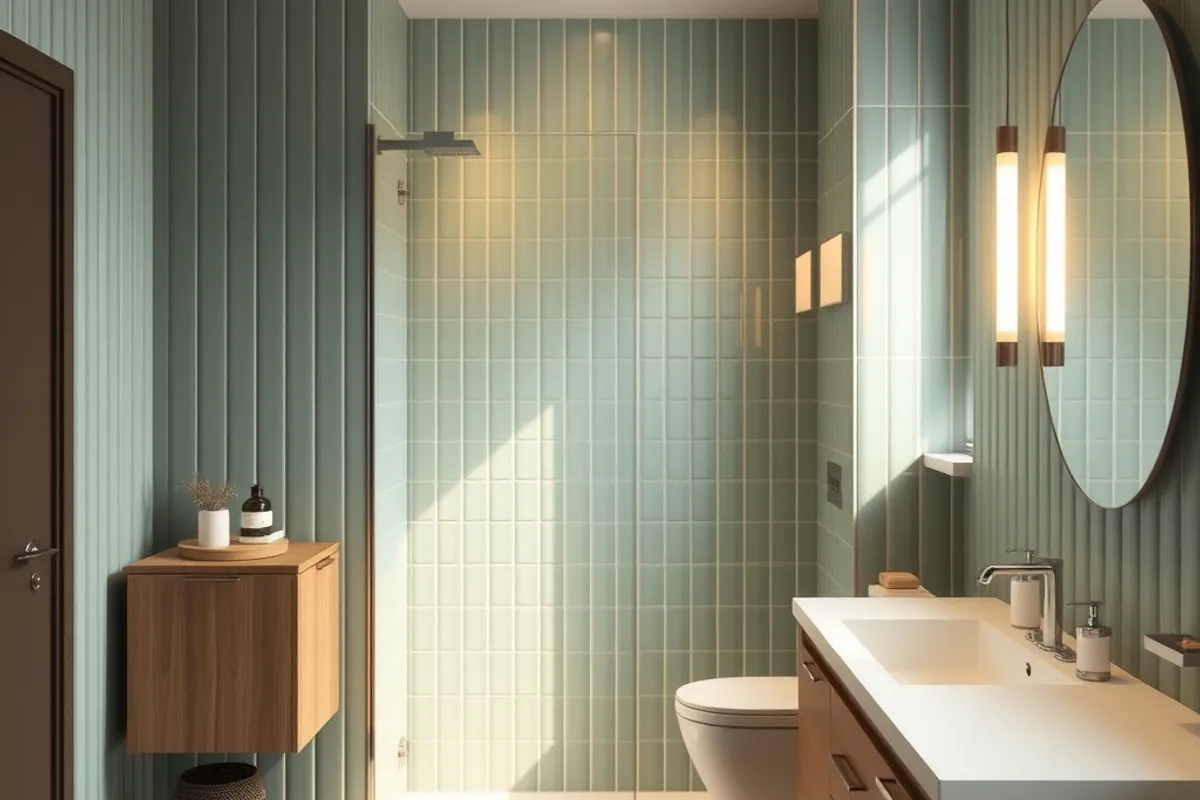
A bathroom earns its money through daily use. A mid-range update with a new vanity, better lighting and a walk-in shower typically returns most of its cost at resale, and it removes the tired grout line that makes a whole house feel older. The trap is tile. Beautiful small-format tile can double labour, so choose a larger format for the walls and keep the interesting pattern for one wall.
Ventilation is not optional. A fan that is too small leaves moisture on the ceiling and paint at the edges. Size the fan to the room and duct it outside, not into the loft. If the floor is sound, keep it. Replacing a good subfloor just to change the colour is the fastest way to turn a 12,000 dollar job into a 20,000 dollar one. Our bathroom renovation picks go deeper on fixtures and finishes.
A renovation pays you twice: once when the house sells, and every month you live in a room that finally works.
Attic insulation and air sealing
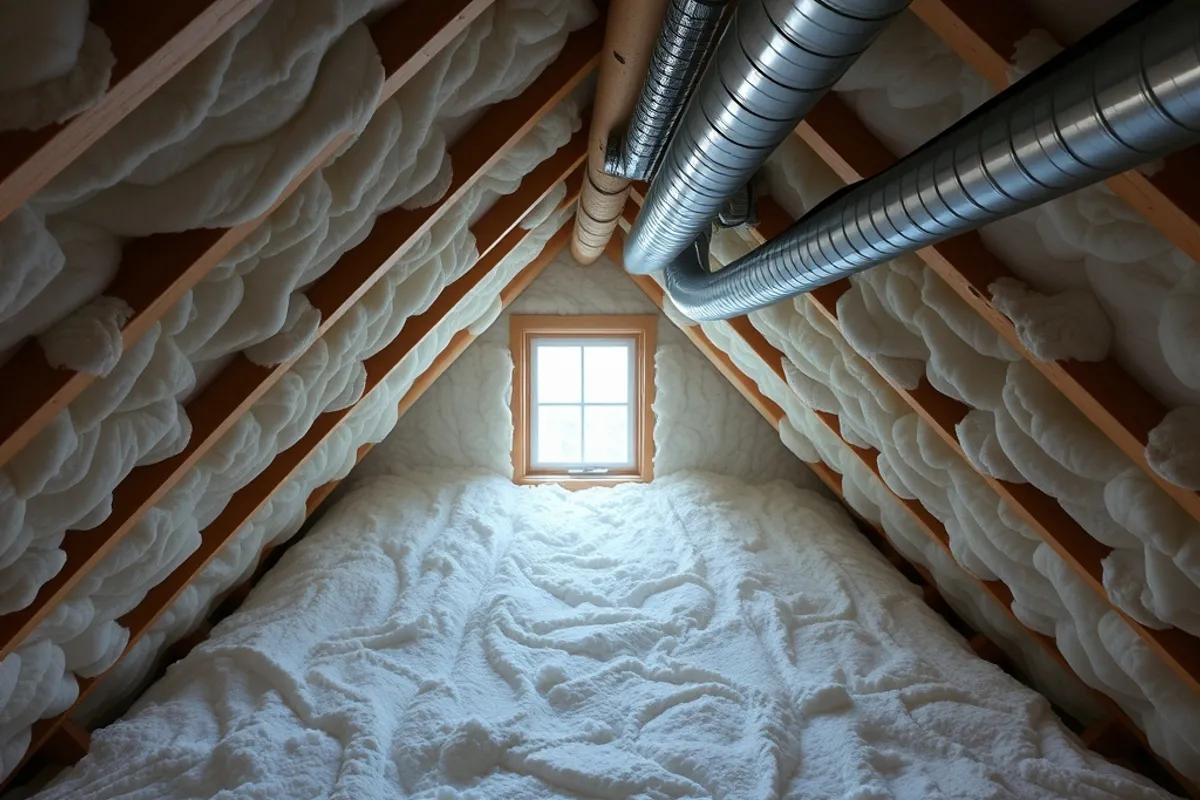
Insulation is the least photogenic project on this list and often the best financial one. Most older homes lose heat through the attic floor and through gaps around pipes, wires and recessed lights. Air sealing those gaps before adding insulation can cut drafts immediately. In a 1,800 square foot house, the work usually lands between 1,500 and 4,000 dollars before incentives.
The payback depends on climate and fuel. Colder regions see faster savings, but even mild regions benefit because the same work keeps heat out in summer. Do not cover a damp attic or block the soffit vents. Fix the roof leak first. A cheap insulation job over a moisture problem simply hides it until the ceiling stains appear.
Entry doors and curb appeal
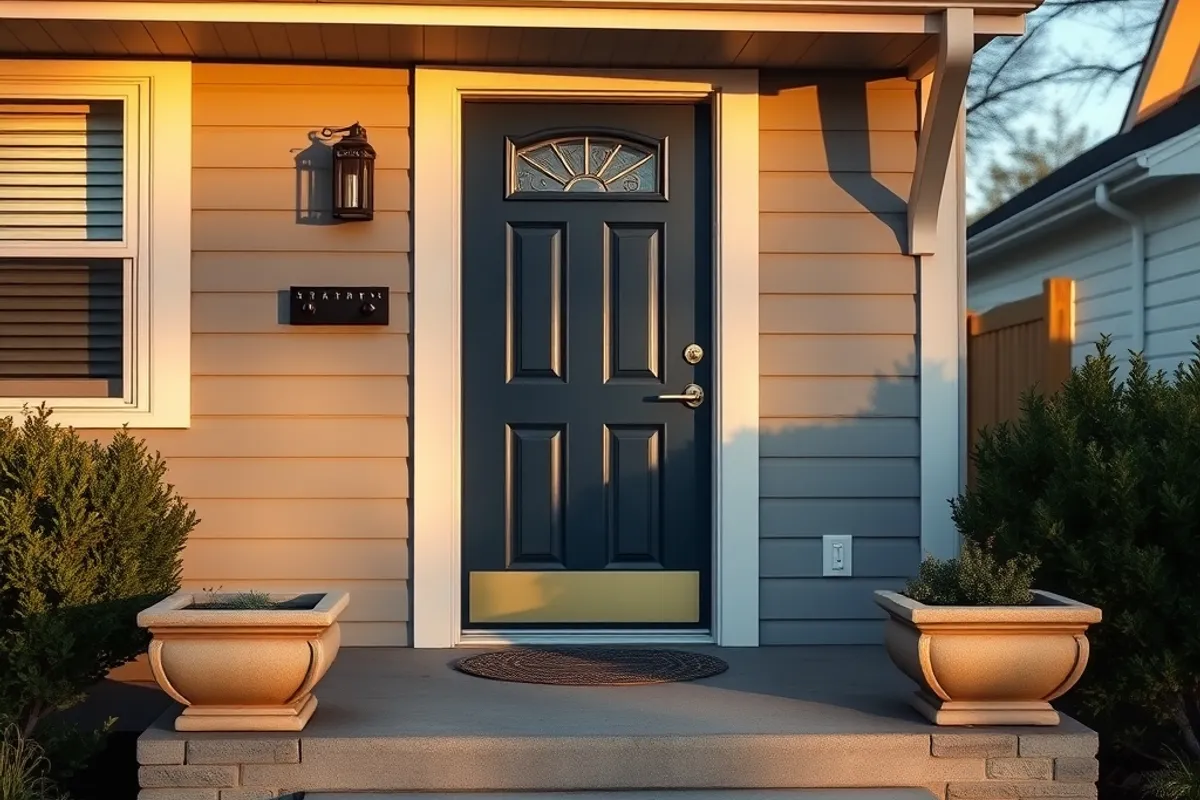
A new front door is a small project with a large effect. It improves security, cuts drafts and gives the house a clear face from the street. Steel and fibreglass doors sit in the middle of the price range and hold up better than timber in wet climates. Paint the trim at the same time, because a new door beside flaking trim looks worse than the old one did.
Curb appeal is not only decoration. Clean gutters, a working porch light and a path that drains away from the house prevent expensive water problems. Planters and house numbers cost little and photograph well. If the budget is tight, paint the door and fix the steps before buying anything else.
Decks, patios and outdoor living
Outdoor space returns value when it is usable, not when it is merely large. A modest deck with safe steps and a sensible connection to the kitchen beats an elaborate platform that bakes in the afternoon sun. Composite boards cost more upfront and need less maintenance, which matters if you plan to stay. Pressure-treated timber is cheaper and fine when sealed regularly.
Check the permit rules before you dig. Decks above a certain height, and almost any structure attached to the house, usually need approval. A patio is often simpler because it sits lower and does not attach to the structure. Leave room for drainage and do not build tight against the wall.
What to skip and how to budget
Skip the swimming pool, the basement cinema and the garage conversion unless you personally need them. Those projects can cost a fortune and narrow the pool of future buyers. Also skip cosmetic work that fights the house, such as adding a second style of window or a bold exterior colour that clashes with the street.
Hold a contingency of at least 15 percent, more for older homes. Pay for a proper scope in writing and never pay the full contract upfront. The National Association of Realtors publishes housing and remodeling research that is a useful reality check on payback claims. Finally, do one project at a time. Two half-finished rooms are worth less than one finished room and a plan.