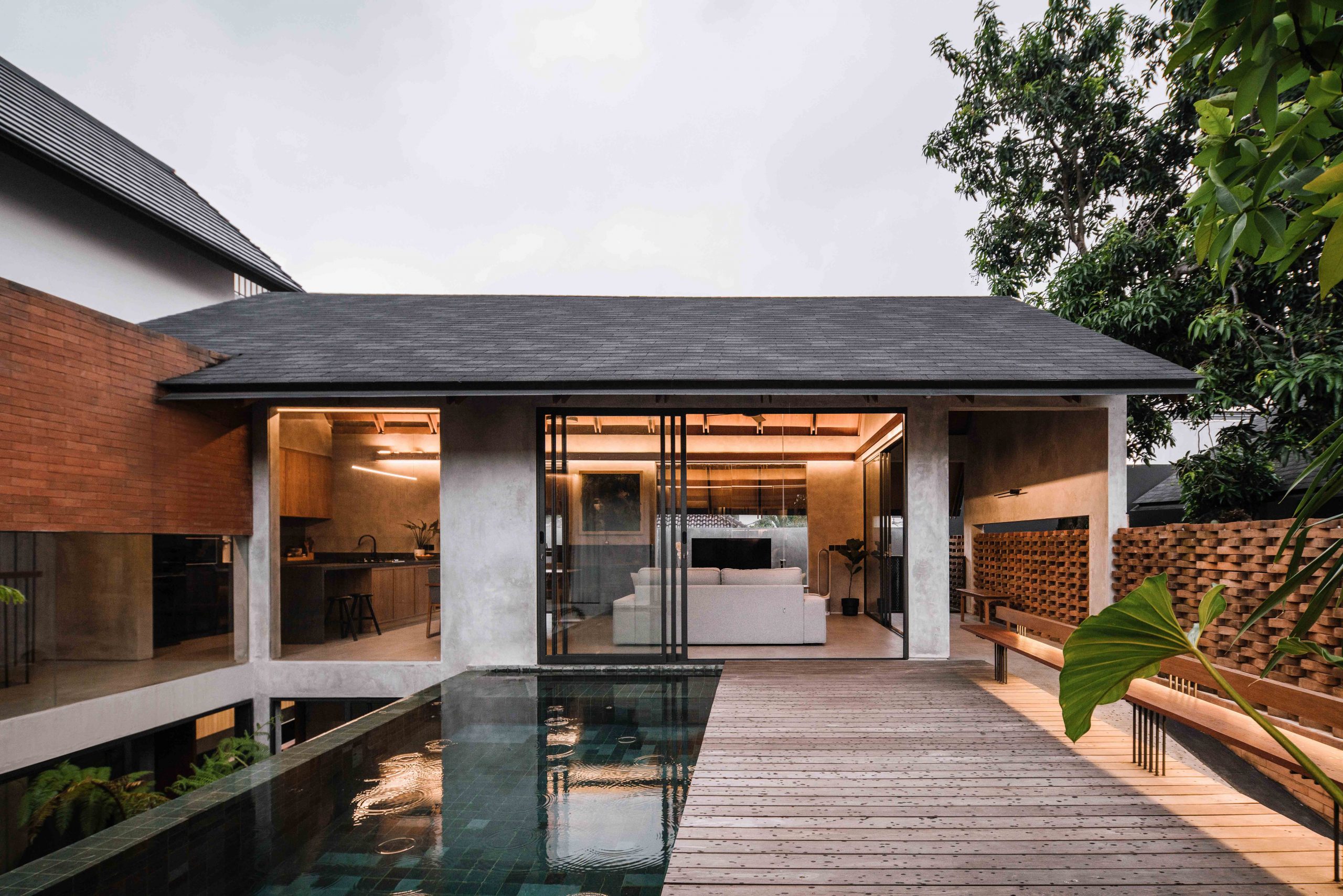
The Timeless Allure of Traditional Interior Design
In an era where minimalism and sleek, modern aesthetics dominate the design landscape, traditional interior design stands as a testament to enduring elegance and rich heritage. Rooted in history and inspired by centuries of craftsmanship, traditional interiors evoke a sense of warmth, comfort, and sophistication that transcends fleeting trends. Unlike their contemporary counterparts, which often prioritize clean lines and open spaces, traditional design embraces ornate details, rich textures, and a harmonious blend of classic elements. Whether through the grandeur of Victorian opulence, the refined simplicity of Colonial charm, or the rustic warmth of farmhouse aesthetics, traditional interiors offer a timeless appeal that continues to captivate homeowners and designers alike.
The Foundations of Traditional Interior Design
At its core, traditional interior design draws from a variety of historical styles, each with its own unique characteristics and cultural influences. Some of the most prominent styles include:
- Victorian (1837–1901): Known for its elaborate ornamentation, dark wood furnishings, and rich fabrics, the Victorian style reflects the opulence of the Industrial Revolution. Intricate moldings, tufted upholstery, and layered window treatments are hallmarks of this era.
- Colonial (17th–18th century): Inspired by European settlers in America, Colonial design features symmetry, simple lines, and functional furniture. Pieces often include turned legs, raised paneling, and a neutral color palette with accents of deep reds or greens.
- French Country (17th–18th century): This style blends rustic charm with refined elegance, characterized by natural materials like stone and wood, soft color palettes, and vintage-inspired accessories. Think exposed beams, distressed finishes, and delicate floral patterns.
- Art Deco (1920s–1930s): A departure from the ornate Victorian style, Art Deco embraces bold geometric shapes, sleek lines, and luxurious materials like chrome, glass, and lacquer. It exudes a sense of glamour and modernity while still feeling rooted in tradition.
- Transitional (1950s–present): A fusion of traditional and contemporary elements, the transitional style strikes a balance between classic and modern. It often features neutral color schemes, clean-lined furniture with subtle details, and a mix of textures to create a cohesive yet timeless look.
What unites these diverse styles is a commitment to craftsmanship, symmetry, and a sense of history. Traditional interiors often incorporate handcrafted furniture, natural materials, and a curated selection of antiques that tell a story. Unlike mass-produced modern pieces, these elements carry a sense of authenticity and soul, making them not just functional but also deeply meaningful.
Why Traditional Design Endures: The Psychology of Timelessness
The enduring popularity of traditional interior design can be attributed to several psychological and emotional factors. In a fast-paced world where trends come and go, traditional spaces offer a comforting sense of stability and nostalgia. For many, these interiors evoke memories of childhood homes, familial gatherings, or even fictional worlds from literature and film. The familiarity and warmth they provide act as a counterbalance to the cold, impersonal nature of modern minimalism.
Moreover, traditional design is inherently tactile. The use of natural materials like wood, stone, and linen engages the senses in a way that contemporary materials often cannot. The weight of a solid wood dining table, the smooth coolness of marble countertops, or the plush softness of a velvet sofa all contribute to a sensory experience that is both grounding and luxurious. This emphasis on tactility fosters a deeper connection to one’s surroundings, making a traditional interior feel like a sanctuary rather than just a backdrop.
Another key reason for the timelessness of traditional design is its adaptability. While rooted in history, these interiors are not static; they can evolve to suit contemporary lifestyles. A Victorian parlor can be reimagined with modern lighting and updated textiles, while a Colonial home can incorporate open shelving and streamlined furniture for a more functional space. This versatility ensures that traditional design remains relevant, allowing homeowners to honor the past while embracing the present.
Key Elements of Traditional Interior Design
To create a traditional interior that feels both authentic and inviting, certain design elements are essential. These components work together to establish a cohesive aesthetic that is both elegant and livable. Here are the foundational elements to consider:
- Furniture: Traditional furniture is often characterized by its proportion, symmetry, and craftsmanship. Pieces like Chesterfield sofas, wingback chairs, Chester drawers, and farmhouse tables are staples. Wood finishes tend to be dark—think mahogany, cherry, or walnut—though lighter woods are also used in styles like French Country or Scandinavian-inspired traditional.
- Color Palette: Traditional interiors typically feature rich, warm hues that create a cozy and inviting atmosphere. Deep jewel tones like emerald green, sapphire blue, and burgundy are common, often paired with neutral shades like cream, beige, or taupe. Whites and off-whites are used for trim and ceilings to enhance the sense of space and light.
- Textiles: Fabrics play a crucial role in traditional design, adding layers of texture and comfort. Velvet, silk, brocade, and damask are frequently used for upholstery, drapes, and pillows. Patterns like florals, damask, toile, and chintz are classic choices that bring a sense of history to the space.
- Architectural Details: Moldings, wainscoting, coffered ceilings, and fireplace mantels are all hallmarks of traditional interiors. These details add depth and character to a room, creating a sense of grandeur and permanence. Even in more modest spaces, simple crown molding or chair rails can elevate the design.
- Lighting: Lighting in traditional interiors is often ornate and functional, serving as both a source of illumination and a decorative statement. Chandeliers, sconces, and table lamps with crystal, brass, or wrought iron details are popular choices. Layered lighting—combining ambient, task, and accent lighting—ensures the space is both practical and atmospheric.
- Accessories and Decor: Traditional interiors are never bare; they are filled with meaningful and curated objects. Think antique mirrors, framed oil paintings, porcelain vases, and vintage rugs. These items tell a story and add personality to the space. Symmetry is key, with pairs of vases, candles, or artwork arranged on mantels or console tables.
By incorporating these elements thoughtfully, a traditional interior can achieve a balance between elegance and livability. The goal is not to create a museum-like space but rather a home that feels both grand and welcoming, where every piece has a purpose and a history.
Rediscovering Tradition in the Modern Home
While traditional interior design has deep historical roots, it is far from obsolete. In fact, there has been a resurgent interest in classic styles as homeowners seek to create spaces that feel both timeless and personal. This revival is driven by a desire for authenticity, craftsmanship, and a break from the homogeneity of mass-produced, cookie-cutter interiors. Whether through a full-scale restoration of a historic home or subtle nods to traditional design in a contemporary space, there are countless ways to integrate these timeless elements into modern living.
Blending Old and New: The Art of Fusion Design
One of the most exciting trends in interior design today is the fusion of traditional and modern styles. This approach, often referred to as “transitional” or “modern traditional,” allows homeowners to enjoy the best of both worlds— the warmth and character of traditional design with the clean lines and functionality of contemporary living. The key to successful fusion is balance: ensuring that neither style overwhelms the other.
Here are some strategies for blending old and new:
- Start with a Neutral Base: Use a neutral color palette for walls, floors, and large furniture pieces to create a blank canvas. Soft grays, beiges, or whites can serve as the backdrop for more ornate traditional elements.
- Mix Furniture Styles: Pair a sleek, modern sofa with a classic wingback chair or a mid-century coffee table with a traditional sideboard. The contrast between the two styles can create visual interest and depth.
- Incorporate Vintage Accents: A single antique piece, such as a Persian rug, a vintage mirror, or an heirloom chandelier, can anchor a room and infuse it with traditional charm. These pieces add history and a sense of place.
- Play with Scale: In a modern space, oversized traditional elements can create drama, while smaller antique pieces can add warmth. For example, a large-scale traditional chandelier in a minimalist dining room can become a statement focal point.
- Use Technology Discreetly: Modern conveniences like smart lighting or hidden speakers can be integrated into traditional spaces without disrupting the aesthetic. For instance, a vintage-style lamp with a modern LED bulb can provide both form and function.
Fusion design is not about creating a pastiche of styles but rather about curating a space that feels cohesive and intentional. When done well, it results in interiors that are both stylish and deeply personal, reflecting the homeowner’s unique tastes and lifestyle.
Sustainability and Traditional Design
In an age of environmental consciousness, traditional interior design offers a sustainable alternative to the disposable nature of fast furniture. The emphasis on quality craftsmanship, durable materials, and heirloom pieces means that traditional interiors are built to last—not just a few years, but generations. By investing in well-made furniture and natural materials, homeowners can reduce waste and support ethical practices in manufacturing.
Moreover, traditional design encourages the use of vintage and antique pieces, which not only adds character but also reduces the demand for new, resource-intensive production. Thrifting, upcycling, and restoring old furniture are all practices that align with sustainable living and resonate with those who appreciate the beauty of imperfection and history.
For those interested in incorporating sustainable practices into traditional design, consider the following:
- Choose Reclaimed Materials: Opt for reclaimed wood for flooring, beams, or furniture. Salvaged barn wood, for example, can add rustic charm while reducing the environmental impact of new lumber.
- Support Local Artisans: Commission custom pieces from local craftsmen who use sustainably sourced materials. This not only ensures quality but also supports small businesses and reduces carbon footprints associated with shipping.
- Prioritize Natural and Non-Toxic Finishes: Use water-based paints, natural oils, and waxes for finishes to create a healthier indoor environment. Avoid synthetic materials that off-gas harmful chemicals.
- Invest in Timeless Pieces: Choose furniture and decor that can evolve with changing tastes. A well-crafted traditional sofa or dining table can be reupholstered or repainted to suit new preferences, extending its lifespan.
By embracing these principles, traditional interior design becomes not just a style choice but a lifestyle commitment to sustainability and mindful living.
Creating Your Own Traditional Sanctuary
Whether you live in a historic home or a modern apartment, it’s possible to infuse your space with the timeless elegance of traditional design. The key is to start small, focus on quality, and let your personal story guide the process. Here are some practical steps to help you create a traditional sanctuary that feels authentic and inviting:
Start with the Essentials
Begin by identifying the core elements that define traditional design for you. Do you love the opulence of Victorian detailing, the rustic charm of French Country, or the refined simplicity of Colonial aesthetics? Once you have a sense of the style you’re drawn to, focus on these foundational pieces:
- Furniture: Invest in key furniture pieces that embody the traditional style you admire. A four-poster bed, a Chesterfield sofa, or a farmhouse dining table can anchor a room and set the tone for the rest of the decor.
- Color Palette: Choose a color scheme that reflects the mood you want to create. Warm, earthy tones like deep reds, golds, and greens evoke coziness, while softer neutrals like cream and beige create a more understated elegance.
- Textiles:
Layer in textiles that add texture and warmth. Start with larger pieces like area rugs and drapes, then add smaller accents like throw pillows, blankets, and upholstery.
Remember, traditional design is about layering and depth. It’s okay to start with the basics and build gradually as your budget and taste evolve.
Incorporate Meaningful Details
Traditional interiors are enriched by the stories and memories they hold. To make your space feel truly personal, incorporate elements that have significance to you or your family:
- Heirlooms and Antiques: Display family heirlooms, such as a grandmother’s clock, a vintage quilt, or a collection of silverware. These pieces add a sense of history and continuity.
- Vintage Finds: Thrift stores, flea markets, and estate sales are treasure troves for unique traditional pieces. Look for items like brass candlesticks, ceramic vases, or framed botanical prints.
- Handmade Touches: Incorporate handmade elements like needlepoint pillows, woven baskets, or hand-painted ceramics. These items add a personal touch and support artisanal craftsmanship.
- Nature-Inspired Decor: Bring the outdoors in with elements like fresh flowers, dried botanicals, or framed pressed leaves. Traditional design often celebrates nature, and these details can enhance the organic feel of the space.
By focusing on meaningful details, you can create a traditional interior that feels uniquely yours— a space that not only looks beautiful but also tells your story.
Embrace Imperfection and Patina
One of the most charming aspects of traditional design is its celebration of imperfection. Unlike modern interiors, which often prioritize flawless surfaces and uniformity, traditional spaces embrace the beauty of patina—the mellowed, aged look that comes with time. A slightly worn leather armchair, a distressed finish on a wooden dresser, or the faded elegance of an antique rug all add character and depth to a room.
To embrace this aesthetic, consider the following:
- Choose Distressed Finishes: Opt for furniture with worn edges, soft contours, or a weathered look. Pieces like a farmhouse table with a scrubbed finish or a leather Chesterfield sofa that develops a rich patina over time can add authenticity to your space.
- Mix Old and New: Don’t be afraid to pair brand-new items with vintage pieces. The contrast between the two can create a dynamic and layered look. For example, a new upholstered chair in a classic fabric can sit alongside an antique side table.
- Let Time Do Its Work: If you’re restoring an old piece of furniture, consider leaving some imperfections intact. A repaired scratch or a faded finish can add to the piece’s history and charm.
By embracing imperfection, you create a traditional interior that feels lived-in, loved, and full of character.
The Future of Traditional Design: A Lasting Legacy
As we move further into the 21st century, traditional interior design continues to evolve, proving its resilience and adaptability. While some may dismiss it as outdated or overly ornate, the resurgence of craftsmanship, sustainability, and a desire for meaningful spaces suggests that traditional design is here to stay. It offers a counterpoint to the transient nature of trends, providing a sense of permanence and connection in an increasingly digital world.
Looking ahead, traditional design is likely to continue blending with contemporary aesthetics, creating new hybrid styles that honor the past while embracing the future. The rise of “quiet luxury” and the appreciation for slow living further reinforce the appeal of traditional interiors, which prioritize comfort, quality, and thoughtfulness over fast, disposable design.
Moreover, traditional design has the power to foster community and connection. Handcrafted furniture, local artisans, and vintage markets all contribute to a sense of shared heritage and cultural continuity. In a world that often feels fragmented and disconnected, these elements offer a tangible link to the past and a vision for the future.
For those considering a traditional interior, the message is clear: this is not a design choice that will fade with time. Instead, it is an investment in beauty, craftsmanship, and longevity—one that will continue to inspire and delight for generations to come.
Final Thoughts: Why Traditional Design Matters
In a world that often prioritizes speed, efficiency, and the new over the old, traditional interior design stands as a reminder of the enduring value of craftsmanship, history, and beauty. It challenges us to slow down, to appreciate the tactile and the timeless, and to create spaces that nourish the soul as much as they serve a practical function.
Whether you’re drawn to the grandeur of Victorian opulence, the rustic simplicity of French Country, or the refined balance of transitional design, traditional interiors offer a sanctuary from the chaos of the modern world. They are spaces that tell stories, evoke memories, and provide comfort in an ever-changing landscape.
As you embark on your own journey to rediscover the elegance of traditional design, remember that the goal is not perfection but authenticity. Let your space reflect your story, your tastes, and your values. Surround yourself with pieces that bring you joy, that connect you to the past, and that stand the test of time. In doing so, you’re not just creating a home—you’re preserving a legacy.
About the Author


:max_bytes(150000):strip_icc()/Traditional-living-room-with-gilt-mirror-58bc74e83df78c353c0df95a.png "Classic Interior Style with Grand Accents")