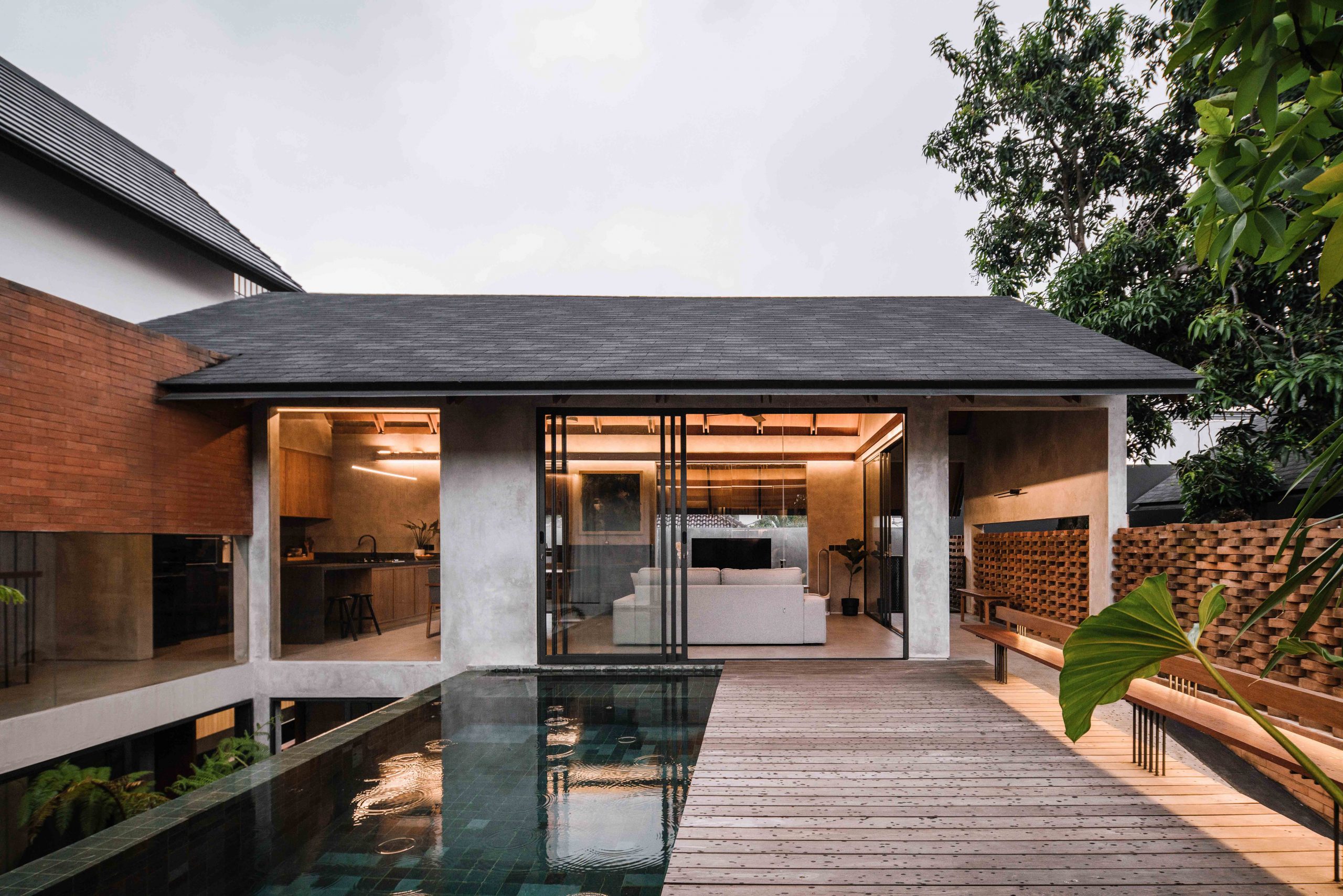
Industrial interiors exude an authenticity that is both rugged and sophisticated. The allure of exposed brick walls, weathered metal beams, and reclaimed wood speaks to a history that is tactile and unrefined. Spaces designed around raw charm design embrace imperfection, transforming urban dwellings into environments that celebrate material honesty and architectural storytelling. This approach allows interiors to feel grounded, authentic, and visually compelling without relying on ornate embellishments or excessive ornamentation.
Celebrating Structural Elements
One of the defining features of industrial interiors is the conscious revelation of structural components. Ceilings stripped to bare concrete, steel columns left exposed, and visible ductwork create a rhythm that guides the eye throughout the space. Large windows with blackened metal frames not only illuminate interiors but also forge a connection to the exterior urban landscape. Concrete floors provide both durability and visual neutrality, serving as a canvas for layered furnishings. By accentuating what is often hidden, raw charm design establishes a sense of architectural honesty.
Material Contrasts
Industrial interiors thrive on the interplay of contrasting materials. Reclaimed timber introduces warmth against the austere backdrop of concrete and steel. Polished surfaces can be paired with rough-hewn textures to create tension and balance. Oxidized metals, distressed leather, and stone surfaces contribute to a palette that is tactile and visually complex. These juxtapositions invite a sensory experience that engages both touch and sight, reinforcing the authenticity inherent in raw charm design.
Furniture with Purpose
Furniture in industrial interiors is chosen for both utility and character. Modular shelving units, solid wood tables, and leather seating with natural patina anchor rooms while complementing the architectural framework. Multi-functional pieces such as foldable desks or movable kitchen islands allow interiors to adapt to shifting spatial demands. Minimalist lines and durable materials ensure longevity, while textural contrasts, like a soft rug under a rugged metal chair, temper the industrial austerity. Functional design becomes a narrative, showcasing practicality and aesthetic coherence.
Lighting as a Feature
Lighting in industrial interiors serves as both functional necessity and aesthetic statement. Pendant fixtures with exposed filaments, track lighting along steel beams, and oversized floor lamps accentuate structural elements while casting sculptural shadows. The interaction of light with varied surfaces reflective metals, matte concrete, and textured textiles creates depth and dynamism. Adjustable lighting schemes allow spaces to shift moods seamlessly, from intimate evenings to vibrant social gatherings, reinforcing the adaptability intrinsic to raw charm design.
Textural Layering and Color
Color palettes in industrial interiors are often restrained, favoring muted shades of gray, brown, and charcoal. These subdued hues form a backdrop that emphasizes texture over overt decoration. Strategic touches of deep mustard, rust, or navy provide visual punctuation without compromising the understated aesthetic. Layered textiles woven rugs, velvet throws, and linen cushions introduce softness and tactile richness. This layering transforms spaces that might otherwise feel cold into interiors that are simultaneously inviting and visually arresting.
Artistic and Industrial Accents
Decorative elements in industrial interiors often draw from sculptural, vintage, or mechanical inspirations. Oversized wall art, repurposed machinery, and metal sculptures create focal points without diminishing architectural integrity. Items sourced from industrial contexts, such as factory signage or aged tools, imbue interiors with narrative depth. These accents reinforce the authenticity of raw charm design, grounding the space in history while allowing for contemporary interpretation.
Integrating Nature
Plants provide an organic counterpoint to the austerity of industrial interiors. Succulents in concrete planters, hanging greenery, and tall leafy plants soften hard surfaces while creating visual interest. The juxtaposition of organic forms with rigid geometric structures generates a dynamic tension that enlivens interiors. Beyond aesthetics, greenery contributes to air quality and well-being, ensuring that raw charm design is not only visually compelling but also responsive to human needs.
Storage and Spatial Clarity
Open storage solutions exemplify the functional elegance of industrial interiors. Reclaimed wooden shelving supported by steel frames, wire baskets, and vintage lockers double as organizational tools and design features. Visible storage celebrates the utility of everyday items while maintaining a curated, intentional appearance. By integrating storage into the overall design, interiors retain a sense of order without sacrificing authenticity or aesthetic integrity.
Versatility in Urban Spaces
Industrial interiors are particularly suited to urban lofts and apartments, where open floor plans demand spatial adaptability. High ceilings, expansive windows, and durable finishes allow for flexible living arrangements that can evolve with lifestyle needs. Acoustic challenges are mitigated through textiles, soft furnishings, and thoughtful furniture placement. Every element, from lighting to material selection, contributes to an environment that is both functional and expressive, a true embodiment of raw charm design.
Timeless Industrial Appeal
The enduring attraction of industrial interiors lies in their ability to harmonize history with modernity. They celebrate structural honesty, material authenticity, and practical functionality, while embracing warmth and comfort through textural and decorative interventions. By integrating exposed architecture, robust furnishings, nuanced lighting, and layered textiles, interiors achieve a sense of balance that is both visually striking and profoundly human. Raw charm design transforms spaces into narratives, capturing the imagination while remaining grounded in everyday utility.
About the Author