Introduction & Background
Industrial chic design has surged in popularity among homeowners and interior designers alike, offering a bold, raw aesthetic that transforms ordinary spaces into stylish, functional havens. Originating from the repurposing of old factories and warehouses, this design style embraces the beauty of exposed materials, utilitarian elements, and a minimalist approach. The industrial chic trend is more than just a passing fad; it reflects a growing appreciation for authenticity, sustainability, and the charm of imperfection. Whether you live in a loft apartment or a suburban home, incorporating industrial elements can add character and depth to your space, creating an environment that feels both modern and timeless.
Concept & Overview
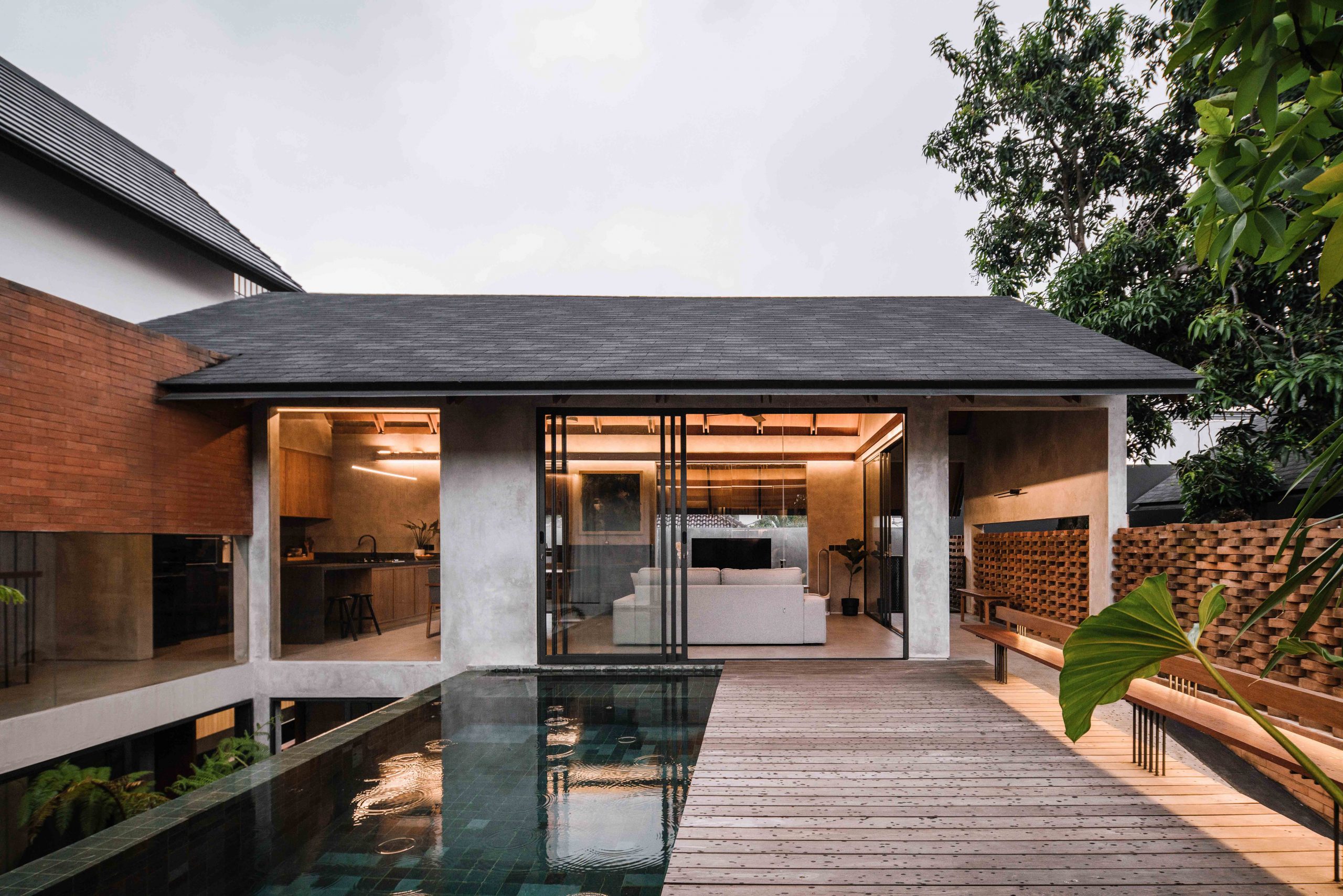
Industrial chic is characterized by its emphasis on raw, unfinished materials and a no-frills attitude toward decor. The style draws inspiration from industrial environments, such as warehouses, workshops, and factories, where functionality often takes precedence over ornamentation. At its core, industrial chic celebrates the beauty of exposed brick, weathered wood, concrete floors, and metal fixtures. These elements are often left in their natural state or minimally treated to highlight their textures and imperfections. The color palette is typically neutral, with shades of gray, brown, black, and white dominating the space. Lighting plays a crucial role as well, with vintage-inspired fixtures like Edison bulbs and cage pendant lights adding warmth and character. The result is a space that feels edgy, sophisticated, and effortlessly cool.
Key Features & Highlights
- Exposed Materials: Brick walls, concrete floors, and steel beams are staples of industrial chic design. These materials are left in their raw state to showcase their natural textures and durability.
- Open Floor Plans: Large, open spaces are a hallmark of this style, allowing for seamless flow and a sense of spaciousness. This layout is often complemented by high ceilings and large windows.
- Neutral Color Palette: The color scheme revolves around shades of gray, black, white, and brown. These tones create a cohesive backdrop that enhances the raw beauty of industrial materials.
- Vintage & Industrial Lighting: Lighting fixtures such as Edison bulbs, cage pendants, and metal shades are essential. They not only provide illumination but also serve as statement pieces.
- Repurposed Furniture: Furniture with a utilitarian look, such as metal stools, reclaimed wood tables, and vintage leather chairs, adds to the industrial aesthetic. These pieces often feature distressed finishes or visible hardware.
- Minimalist Decor: Industrial chic embraces simplicity, so decor is kept to a minimum. Decorative elements are often functional, such as metal shelving, pipe racks, or abstract art with geometric designs.
- Industrial Textiles: Fabrics like linen, canvas, and leather are commonly used for upholstery, curtains, and rugs. These materials add warmth and texture to the otherwise stark environment.
Frequently Asked Questions / Pros & Cons
What defines industrial chic design?
Industrial chic design is defined by its use of raw, unfinished materials such as exposed brick, concrete, steel, and wood. The style emphasizes functionality, minimalism, and a neutral color palette, often incorporating vintage-inspired fixtures and repurposed furniture. It draws inspiration from industrial spaces like factories and warehouses, creating a look that is both rugged and refined.
Is industrial chic suitable for small spaces?
Yes, industrial chic can work well in small spaces if you focus on key elements like exposed materials and minimalist decor. Using light colors, strategic lighting, and multifunctional furniture can help maximize the sense of space. However, too many heavy materials like dark metals or thick textiles can make a small room feel cramped.
What are the main pros of industrial chic design?
- Durability: Industrial materials like metal, concrete, and reclaimed wood are extremely durable, making them ideal for high-traffic areas.
- Timelessness: The raw, neutral aesthetic of industrial chic is versatile and can easily adapt to changing trends over time.
- Sustainability: Repurposing old materials and furniture reduces waste, making this style an eco-friendly choice.
- Bold Statement: Industrial chic creates a strong visual impact, making it perfect for those who love a statement-making interior.
What are the potential cons of industrial chic design?
- Cold Aesthetic: The use of metals and concrete can make a space feel cold or unwelcoming if not balanced with warm textiles and lighting.
- High Cost: Genuine industrial materials like steel beams or reclaimed wood can be expensive, especially if custom pieces are required.
- Limited Privacy: Open floor plans and large windows, common in industrial spaces, may not provide enough privacy for some homeowners.
- Maintenance: Exposed materials like brick and concrete may require more upkeep to keep them looking their best over time.
Practical Guidance & Solutions
How to incorporate industrial chic into your home
Start by identifying the key elements of industrial chic that resonate with you. If you love the look of exposed brick but don’t have it in your home, consider using brick veneer panels or even a faux brick wallpaper to achieve the effect. For a more affordable alternative to steel beams, look for metal-look decorative panels or furniture with metal accents. When it comes to lighting, seek out vintage-inspired fixtures that complement the industrial aesthetic without overwhelming the space.
Balancing warmth and rawness
One of the challenges of industrial chic is preventing the space from feeling too cold. To add warmth, layer in textures like wool throws, linen curtains, or a plush area rug. Wooden furniture, especially pieces with a distressed finish, can also soften the look. Consider adding plants to bring a touch of nature indoors, which can help balance the rawness of industrial materials. Soft, warm lighting from table lamps or floor lamps can further enhance the cozy feel of your space.
Choosing the right furniture
Furniture in an industrial chic space should be both functional and stylish. Look for pieces with clean lines, metal frames, or reclaimed wood. A large dining table with a metal base and a wood top can serve as a focal point, while bar stools with metal legs can add to the industrial vibe. Avoid overly ornate or bulky furniture, as it can clash with the minimalist aesthetic of industrial chic.
Accessories that enhance the style
Accessories in an industrial chic space should be minimal but impactful. Consider adding abstract art with geometric designs, metal sculptures, or vintage signs. Functional accessories like metal shelving, pipe racks, or a pegboard wall can also enhance the industrial feel while serving a practical purpose. If you love the look of industrial lighting, opt for fixtures that double as decor, such as cage pendant lights or exposed bulb chandeliers.
Conclusion
Industrial chic design offers a unique blend of raw beauty and modern sophistication, making it a versatile choice for any home. By embracing exposed materials, vintage-inspired elements, and a minimalist approach, you can create a space that feels both stylish and functional. Whether you’re drawn to the durability of industrial materials or the timeless appeal of this aesthetic, industrial chic provides endless opportunities to transform your space into a haven of raw, rustic brilliance. With a thoughtful approach and a balance of warmth and rawness, you can achieve an industrial chic interior that reflects your personality and stands the test of time.
About the Author