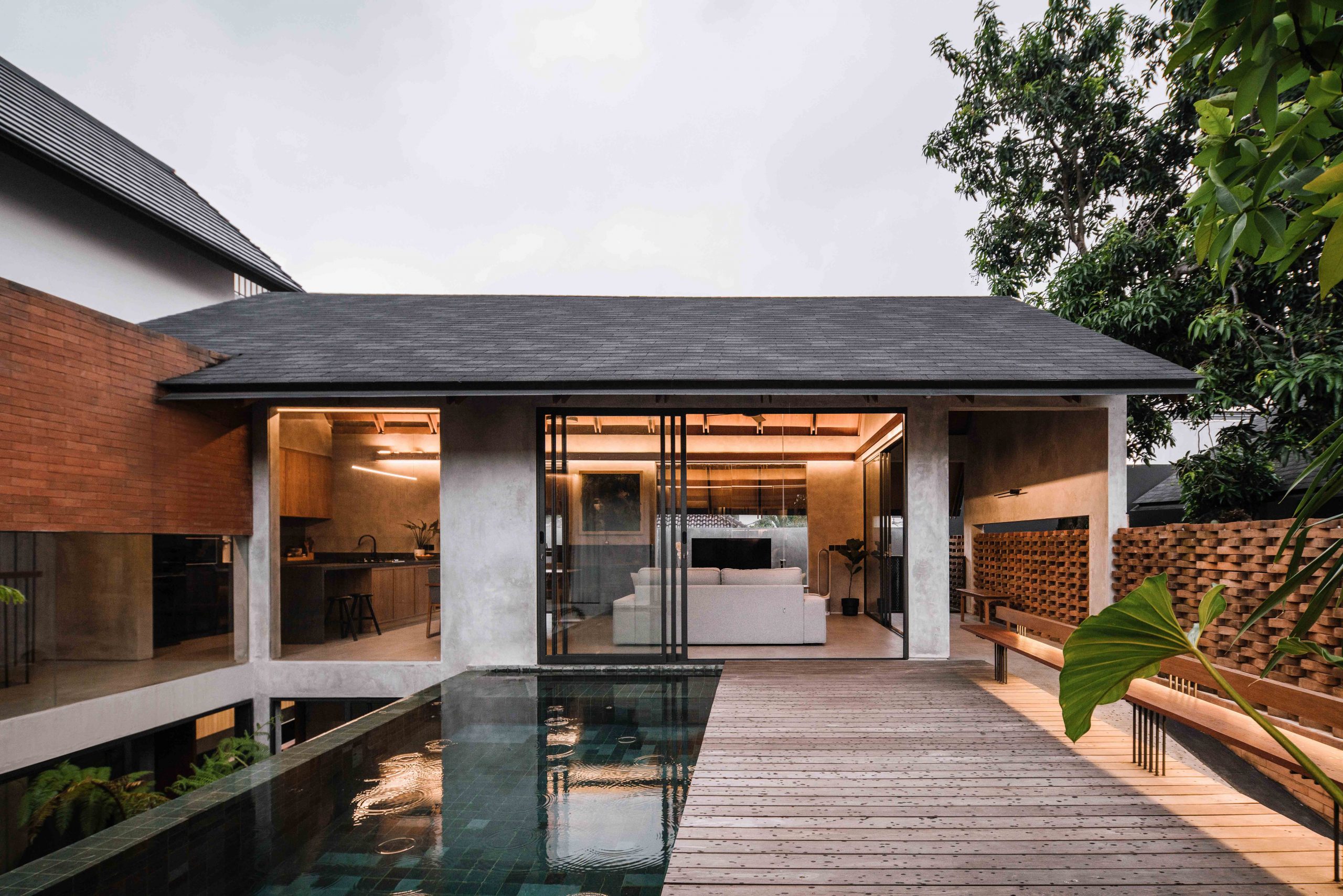
Industrial interiors often evoke rawness, minimalism, and architectural rigidity, yet a thoughtful approach can transform these spaces into inviting, livable environments. Incorporating a cozy industrial style softens structural austerity while retaining the signature character of exposed steel, concrete, and brick. By blending warmth, texture, and functionality, industrial interiors become spaces that are both robust and comfortable, merging modern urbanism with tactile intimacy.
Embracing Architectural Honesty
At the heart of industrial interiors lies the celebration of structure. Exposed beams, ductwork, and concrete ceilings provide rhythm and visual intrigue. Brick walls, left raw or washed with muted tones, create textural backdrops that anchor the room. In cozy industrial style interiors, these elements are highlighted but tempered with warmth through lighting, textiles, and furniture. Natural light from large industrial windows enhances openness, casting gentle shadows that accentuate textures and contribute to a welcoming atmosphere.
Layered Materials for Warmth and Depth
Material selection defines the tactile and visual experience in cozy industrial interiors. Brushed metals, polished concrete, and steel elements provide structure and authenticity. Layering these with reclaimed wood, soft textiles, leather, and woven fabrics introduces warmth and comfort. The contrast between hard and soft surfaces engages multiple senses, turning industrial minimalism into a more inviting, human-centric environment. Thoughtful material interplay is central to the identity of cozy industrial style, balancing ruggedness with approachability.
Furniture that Combines Function and Comfort
Furniture in cozy industrial interiors is chosen for both utility and warmth. Low-profile sofas, leather armchairs, steel-framed tables, and wooden shelving units define zones while contributing to comfort. Modular and multifunctional pieces allow flexibility for social, work, or leisure activities without disrupting the aesthetic cohesion. In cozy industrial style, furniture enhances both spatial flow and tactile experience, reinforcing the balance between architectural authenticity and human comfort.
Lighting to Enhance Ambience
Lighting transforms industrial spaces into welcoming environments. Pendant lamps with warm metallic finishes, adjustable track lighting, and floor lamps with soft diffusers highlight structural elements while softening shadows. Light interacts differently with various surfaces: metals reflect and scatter illumination, wood absorbs warmth, and textiles diffuse gentle glow. In cozy industrial style interiors, layered lighting creates a dynamic yet soothing atmosphere, enhancing both functionality and emotional resonance.
Color Palettes and Textural Balance
Colors in cozy industrial interiors emphasize depth and warmth while complementing structural materials. Deep grays, earthy browns, and muted taupes form the foundation, while accent shades such as terracotta, olive, or ochre introduce visual warmth. Layered textures through rugs, throws, and upholstery further soften the aesthetic, making the environment feel lived-in and inviting. Color and texture are essential in cozy industrial style, guiding attention, defining zones, and enhancing spatial comfort.
Curated Decorative Accents
Decorative interventions enhance personality and reinforce mood in cozy industrial interiors. Sculptural metal pieces, handcrafted ceramics, vintage objects, and textured artwork punctuate spaces without overwhelming them. Each element is carefully curated to complement structural features, maintain visual balance, and enrich tactile experience. In cozy industrial style, decoration is purposeful, providing subtle points of interest while enhancing intimacy and warmth.
Integrating Natural Elements
Nature plays a pivotal role in tempering industrial rigidity. Indoor plants, potted greenery, wooden planters, and organic textiles introduce softness, contrast, and vitality. Organic forms create dynamic tension against geometric structures, enhancing both aesthetic appeal and psychological comfort. Cozy industrial style leverages natural elements to bridge the gap between cold materials and warm, inviting living spaces, fostering connection to the environment and human well-being.
Functional Storage and Organization
Storage solutions in cozy industrial interiors combine practicality with aesthetic integration. Open shelving with wood and steel frames, minimalist cabinets, and woven baskets provide organization without visual clutter. Items are displayed thoughtfully, balancing accessibility and beauty. Functional storage in cozy industrial style interiors ensures that spaces remain orderly, enhancing usability while reinforcing the textural and material narrative of the design.
Spatial Flexibility and Flow
Open floor plans, high ceilings, and modular layouts characterize industrial interiors and are key to achieving cozy functionality. Zones for relaxation, work, and social interaction can coexist without disrupting openness. Acoustic balance is achieved through rugs, curtains, and soft furnishings, enhancing comfort and intimacy. In cozy industrial style, spatial design prioritizes both adaptability and human-centric flow, ensuring that the space feels livable and cohesive.
Timeless Appeal of Cozy Industrialism
The enduring charm of cozy industrial interiors lies in their ability to merge architectural authenticity with tactile comfort. Exposed structures, layered textures, curated furniture, and natural elements converge to create environments that are robust yet inviting. Cozy industrial style transforms industrial minimalism into a warm, practical, and visually compelling experience, making spaces simultaneously sophisticated and approachable.
About the Author