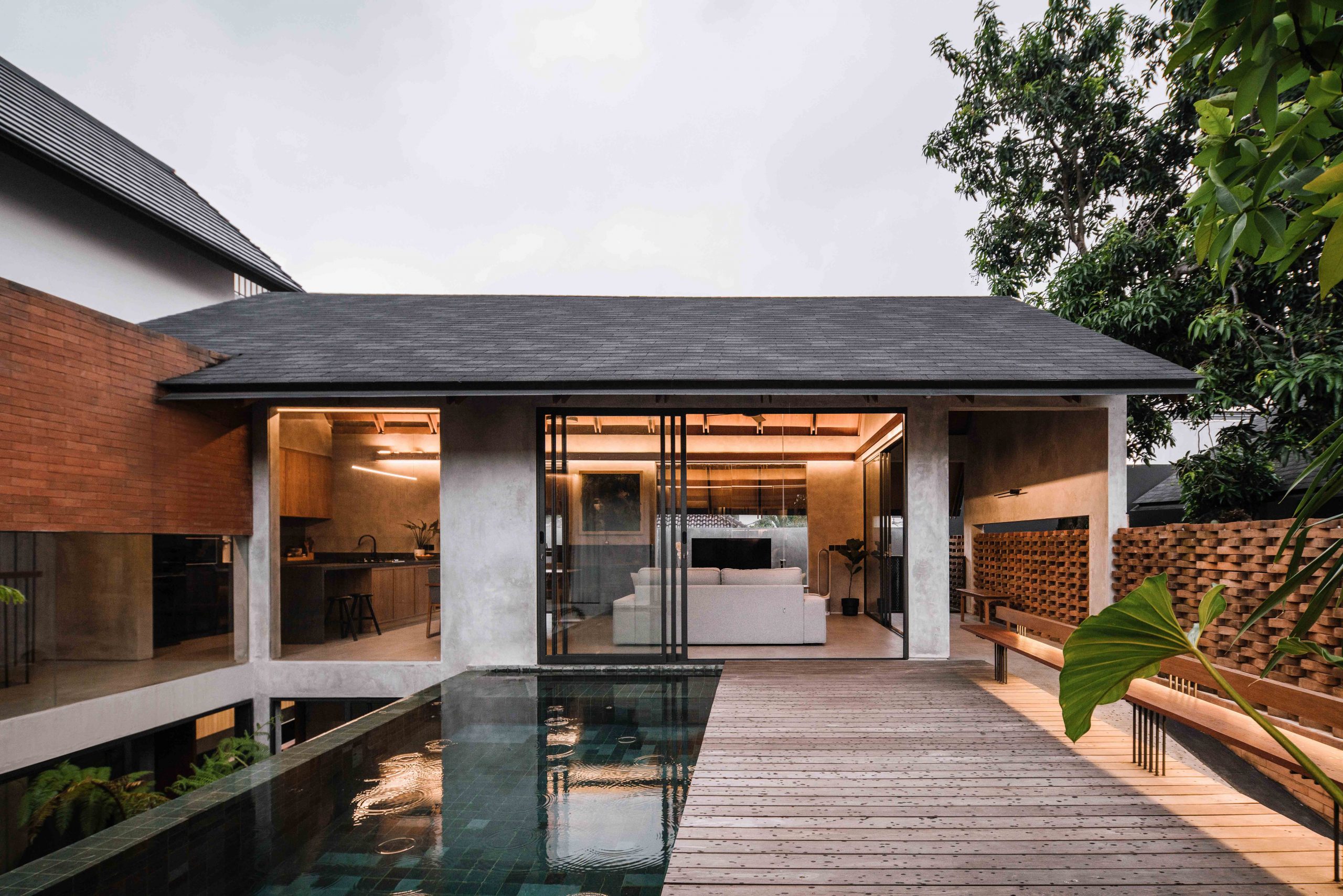
Industrial interiors are defined by their raw authenticity and architectural honesty, and the fusion of timber and metal elevates this aesthetic to a new level of sophistication. Combining warm natural textures with cool, structural elements results in interiors that are both grounded and visually striking. By embracing wood steel interiors, designers create environments that balance strength with warmth, transforming open spaces into layered, tactile, and inviting settings that celebrate material interplay.
Structural Elements as Design Anchors
Exposed steel beams, ductwork, and concrete ceilings form the backbone of industrial interiors, establishing rhythm and structural clarity. Wood, whether reclaimed or carefully selected for grain and tone, softens these rigid elements, adding depth and visual warmth. Brick or stone walls provide texture while complementing the juxtaposition of steel and wood. Large industrial-style windows allow natural light to enhance both materials, illuminating grain patterns and metallic surfaces, reinforcing the balance at the core of wood steel interiors.
Material Layering for Depth
The interplay of wood and steel is central to achieving visual and tactile richness. Polished metals contrast with aged timber, oxidized copper and iron add depth, and textured fabrics provide softness against hard surfaces. Material layering creates sensory engagement, inviting touch and exploration. In wood steel interiors, every surface contributes to the narrative, transforming the environment from purely functional into a dynamic spatial experience that feels simultaneously industrial and inviting.
Furniture with Architectural Integrity
Furniture in industrial interiors often merges utility with sculptural presence. Steel-framed tables, wooden workbenches, and leather seating with metallic accents anchor the room while reinforcing structural motifs. Modular and multifunctional pieces allow flexibility, adapting to work, leisure, and social requirements without compromising aesthetic coherence. In wood steel interiors, furniture becomes a continuation of the architectural dialogue, integrating seamlessly with beams, floors, and ceilings to reinforce both rhythm and visual balance.
Lighting to Highlight Material Contrasts
Lighting is instrumental in accentuating the textures and tonal contrasts between wood and steel. Pendant lamps with metallic finishes, track lighting along beams, and floor lamps with subtle diffusers enhance surfaces and spatial perception. Light interacts differently with each material: metals reflect and scatter brightness, while wood absorbs light to enhance warmth and highlight grain patterns. Thoughtful lighting ensures that wood steel interiors remain dynamic, emphasizing both functional and aesthetic elements within the space.
Color Palettes and Textural Nuances
Industrial interiors often rely on neutral palettes to highlight the interplay of materials. Shades of gray, charcoal, beige, and earthy browns provide a subdued backdrop, allowing metallic glints and timber hues to become focal points. Accent colors in rust, navy, or deep green can introduce subtle energy without overwhelming the space. Layered textiles woven rugs, linen throws, and leather cushions soften structural rigidity and enhance sensory engagement. In wood steel interiors, color and texture work in concert to create harmony and visual depth.
Decorative Elements and Curated Accents
Decorative interventions in industrial interiors complement structural and material elements without detracting from the architectural narrative. Sculptural metal pieces, reclaimed artifacts, oversized wall art, and handcrafted wood objects create focal points while reinforcing spatial rhythm. In wood steel interiors, curated accents underscore the dialogue between organic warmth and industrial precision, enriching the narrative and providing visual points of interest that guide the eye through the space.
Integrating Nature and Organic Contrasts
Plants and organic materials bring balance to industrial interiors. Succulents in concrete planters, hanging greenery, and indoor trees introduce life and soften the rigidity of steel and stone. Organic shapes create dynamic tension against geometric lines, enhancing comfort and livability. In wood steel interiors, natural elements harmonize with materials, reinforcing the tactile and sensory richness that defines the aesthetic.
Functional Storage Solutions
Storage solutions in industrial interiors often serve dual roles: practical organization and visual reinforcement of material themes. Open shelving with steel frames and wooden surfaces, wire baskets, and minimalist cabinets allow items to be displayed deliberately, maintaining visual order. In wood steel interiors, storage becomes part of the spatial narrative, blending utility with design while reinforcing material contrasts.
Spatial Flexibility and Flow
High ceilings and open floor plans are hallmarks of industrial design, providing flexibility for diverse functions. Wood and steel elements can delineate zones without partitions, guiding movement while maintaining visual openness. Acoustic considerations are addressed with textiles, rugs, and strategic placement of furniture. Every intervention—from material selection to furniture arrangement—supports functional adaptability while enhancing the cohesive visual language central to wood steel interiors.
Timeless Industrial Elegance
The enduring appeal of wood steel interiors lies in their ability to combine structural authenticity, material warmth, and architectural sophistication. Exposed beams, natural timber, brushed metals, and curated decor create environments that are simultaneously robust and inviting. By integrating wood and steel thoughtfully, industrial spaces achieve a layered, tactile aesthetic that is timeless, functional, and visually compelling, celebrating the harmonious interplay of strength and warmth in every corner of the interior.
About the Author