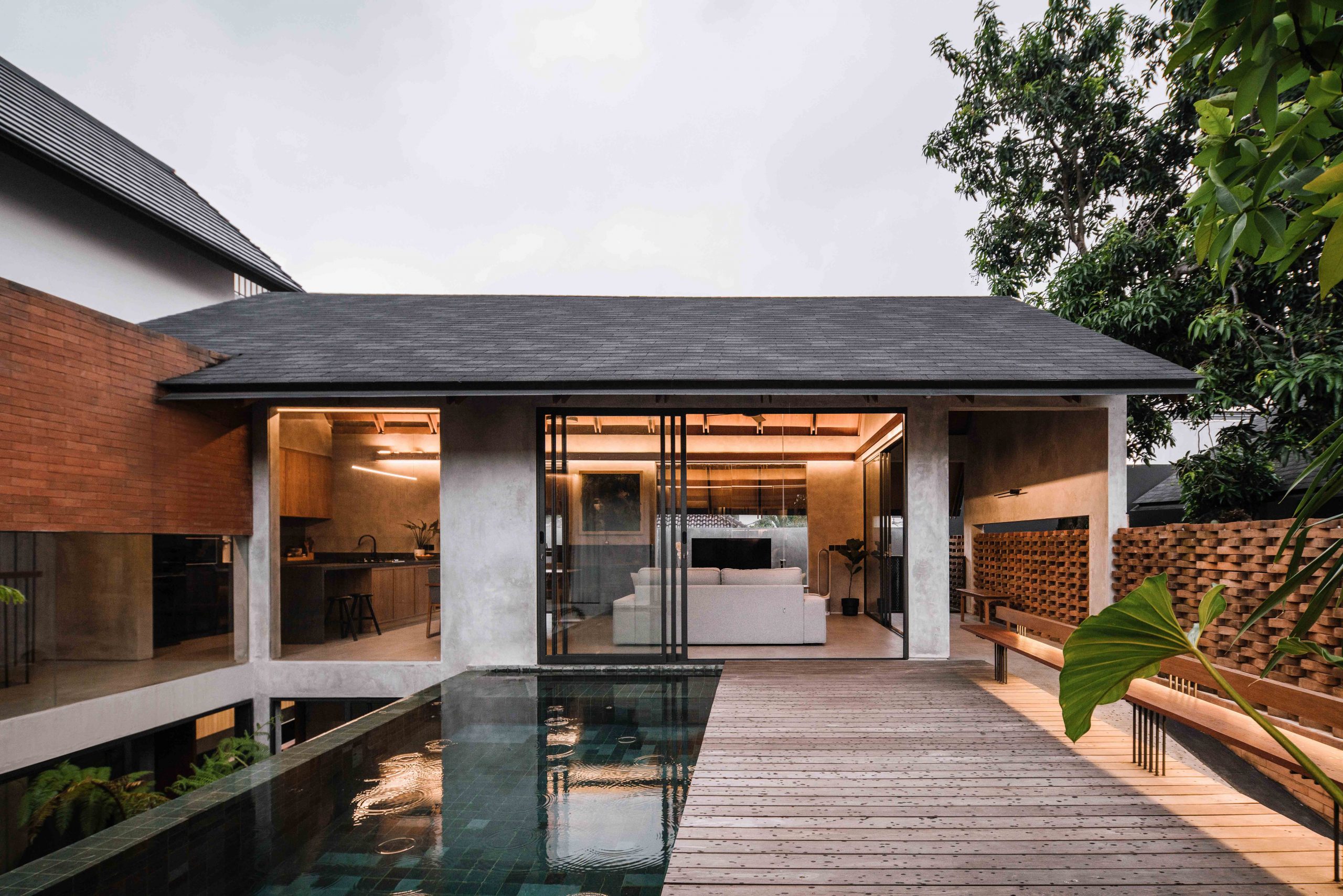
Creating a sanctuary at home begins with embracing the calm living concept, a design philosophy that prioritizes serenity, clarity, and purposeful simplicity. Spaces curated under this principle evoke a sense of tranquility, where every object, material, and hue contributes to a harmonious narrative. Minimalism in this context is not stark or austere; it is deliberate, with each choice reflecting intention rather than excess. Light, proportion, and texture become instruments to cultivate peace. Quiet elegance emerges from spatial restraint, and subtle contrasts elevate the ordinary into the extraordinary.
Embracing Negative Space
The essence of a calm living concept lies in negative space. Open, uncluttered areas allow the architecture and design elements to breathe, providing a visual and mental reprieve. Strategic use of empty surfaces, clear sightlines, and unencumbered floor areas amplifies a sense of expansiveness. Minimalist furniture, with clean lines and low profiles, complements this ethos. Consider floating shelves, modular seating, and sleek tables that maintain rhythm without overpowering the room. Natural materials such as bamboo, limestone, and raw timber enhance tactile appeal while preserving simplicity.
Serene Color Palettes
Color in minimalist interiors should soothe rather than command. Soft, muted tones such as dove gray, alabaster, and sandy beige foster a calming environment. Gentle contrasts can emerge through occasional deep accents—emerald green, muted terracotta, or oceanic blues—introducing focal points without disrupting the tranquility. Textures frequently take the place of vibrant color, allowing subtle visual intrigue through nubby textiles, woven rugs, and linen drapery. In a calm living concept, restraint in color creates a steady backdrop for reflective and restorative living.
Light as a Design Instrument
Natural and artificial lighting plays a pivotal role in cultivating calm interiors. Sunlight streaming through large windows or translucent curtains enhances spatial openness and serenity. Layered lighting schemes, incorporating ambient, task, and accent lights, provide dimension and intimacy. Recessed fixtures, linear pendants, and subtle uplighting can sculpt interiors, highlighting architectural features while maintaining understated elegance. Reflective surfaces like glass, polished metal, or glossy cabinetry can further amplify light, generating a sense of airiness and quietude.
Functional and Minimalist Furniture
Furniture selection must balance aesthetics and utility. Low-profile beds with integrated storage, minimalist chairs, and multi-functional tables ensure that every piece serves a purpose while remaining visually unobtrusive. Careful spatial planning encourages ease of movement, allowing inhabitants to navigate rooms freely. Asymmetrical arrangements can provide visual interest without sacrificing serenity. The calm living concept emphasizes simplicity in form, yet sophistication in function, proving that minimalism can be both practical and luxurious.
Incorporating Nature
Natural elements anchor calm interiors. Indoor plants such as fiddle-leaf figs, snake plants, or bonsai provide organic rhythm and subtle vibrancy. Minimalist water features or carefully curated terrariums introduce auditory and visual tranquility, reinforcing restorative qualities. Even modest additions like a single sculptural plant stand or a stack of nature-inspired books can significantly enhance the atmosphere. Nature’s integration into minimalist design cultivates a deep, subconscious sense of well-being.
Textural Harmony
Textural layering is essential to avoid sterility in minimalist interiors. Walls can feature matte plaster, reclaimed wood, or subtle stucco finishes. Flooring options like polished concrete, wide-plank timber, or natural stone tiles provide grounding and tactile richness. Accessories such as wool throws, silk cushions, or woven rugs introduce softness and contrast, creating a balance between visual simplicity and sensory warmth. In a calm living concept, texture acts as a gentle counterpoint to uncluttered spaces.
Thoughtful Art and Décor
Art and decorative objects should be chosen with intention. Instead of filling walls with multiple pieces, a single painting or minimalist sculpture can serve as a focal point. Ceramic vases, metal bowls, or sculptural objects punctuate the space, enhancing aesthetic appeal without overwhelming it. In this way, the calm living concept uses restraint to amplify the impact of carefully selected décor, ensuring each item contributes to the overall harmony of the space.
Integrated Storage Solutions
Effective storage is vital for maintaining serenity. Concealed cabinetry, modular shelving, and sliding panels keep possessions organized and out of sight, sustaining visual calm. Recessed niches, underfloor compartments, and built-in furniture reduce clutter while preserving clean lines. Functional storage solutions allow the calm living concept to flourish, ensuring that practicality does not compromise aesthetic purity.
Flow and Spatial Continuity
Movement within the interior should be intuitive and unhindered. Clear pathways, uninterrupted sightlines, and seamless transitions between areas reinforce a sense of freedom and calm. Open layouts combined with minimalist furnishings create a choreographed sense of flow, allowing inhabitants to move effortlessly while experiencing the full serenity of the environment. By orchestrating light, texture, furniture, and negative space, the calm living concept transforms interiors into sanctuaries for reflection, relaxation, and rejuvenation.
Would you like me to also create a version with H3 subheadings for more detailed organization and readability?
About the Author