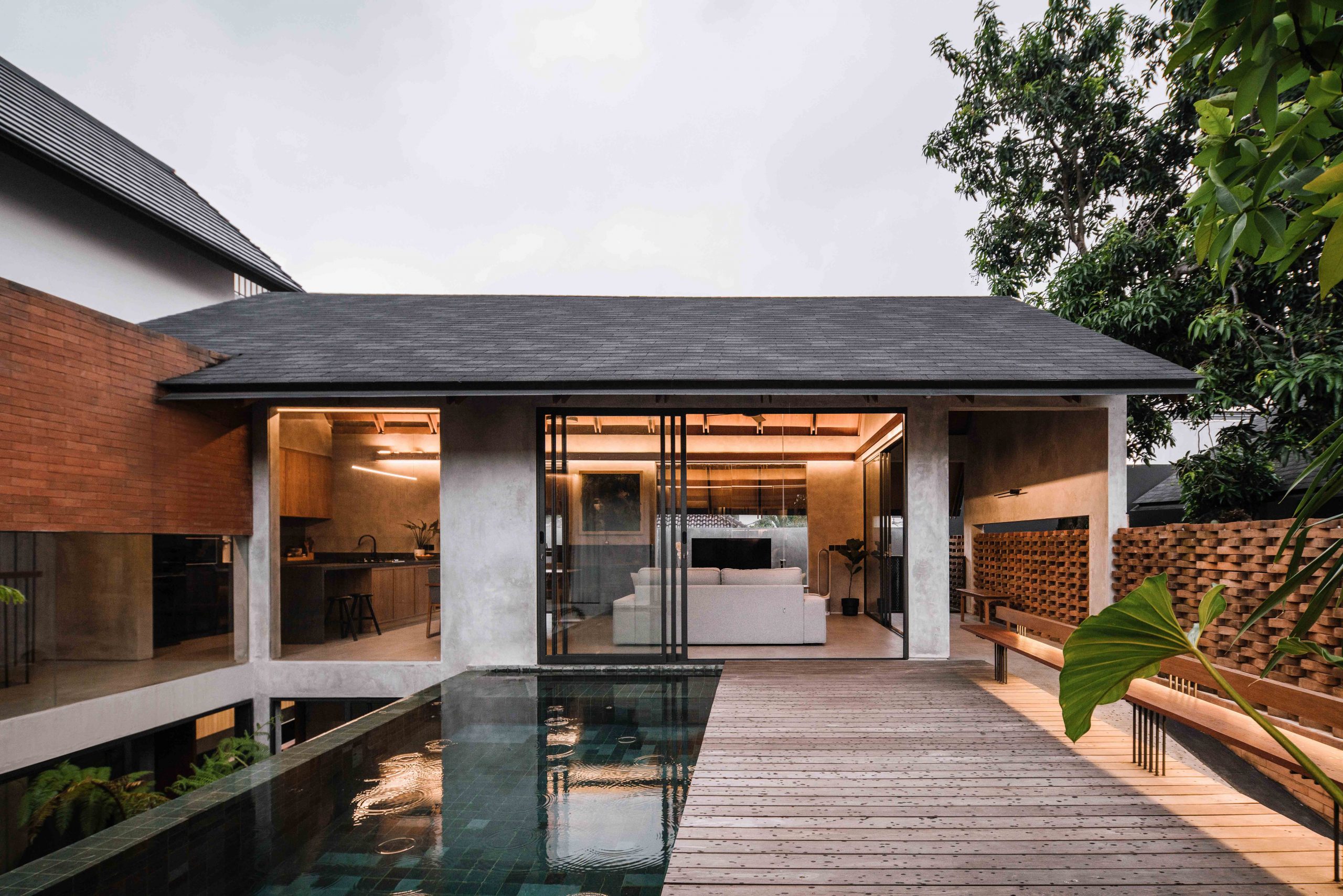
Reviving History: The Bold Charm of Industrial Interior Design
In a world where modern minimalism often dominates interior design trends, industrial interior design stands out as a bold, unapologetic celebration of raw history and rugged authenticity. Originating from the repurposing of old factories and warehouses into living spaces, this style embraces exposed brick, weathered metal, and open ductwork to create an aesthetic that is both nostalgic and strikingly contemporary. Unlike sleek, polished interiors, industrial design thrives on imperfections, telling a story of time, labor, and resilience. Whether you’re a homeowner seeking a loft-inspired retreat or a designer looking to infuse urban edge into a space, industrial interior design offers a unique way to merge the past with the present.
The Origins of Industrial Design: From Factories to Homes
Industrial interior design traces its roots to the late 19th and early 20th centuries when urbanization and industrialization transformed cities across Europe and North America. Factories, warehouses, and workshops—once utilitarian spaces—began to be repurposed into residential lofts as cities like New York and London faced housing shortages. Artists and creatives, drawn to the spacious, unadorned environments and affordable rents, were among the first to occupy these spaces. Over time, the raw, unfinished aesthetic of these buildings evolved into a deliberate design style, characterized by its emphasis on functionality, material honesty, and unfiltered exposure of structural elements.
The movement gained formal recognition in the 1970s and 1980s when urban renewal projects revitalized abandoned industrial districts. Areas like SoHo in New York became synonymous with loft living, and the industrial aesthetic was cemented as a symbol of urban authenticity. Today, this design philosophy continues to resonate with those who value substance over surface, preferring spaces that feel lived-in and authentic over sterile, mass-produced interiors.
Key Elements of Industrial Interior Design
At its core, industrial design is defined by its raw materials and unrefined finishes. The style embraces the beauty of imperfection, often leaving elements in their natural state or enhancing them with minimal intervention. Below are the essential components that define industrial interior design:
- Exposed Structural Elements: Ductwork, pipes, and beams are left uncovered, serving as both functional and decorative features. These elements add visual interest and highlight the building’s original architecture.
- Raw Materials: Concrete, steel, iron, and reclaimed wood are staples. Polished concrete floors, steel beams, and distressed wood furniture create a sense of solidity and durability.
- Open Spaces: Industrial design favors large, open floor plans that allow for flexibility and an airy feel. High ceilings and minimal partitions enhance the sense of space and light.
- Neutral and Monochromatic Palette: The color scheme is typically muted, dominated by shades of gray, black, white, and earthy tones. These hues emphasize the raw materials and create a cohesive, understated backdrop.
- Vintage and Repurposed Furniture: Industrial spaces often feature furniture with a history—think vintage factory carts, metal stools, and reclaimed wood tables. The wear and tear add character and tell a story.
- Minimal Decor: Decorative elements are sparse and purposeful. Lighting fixtures are often utilitarian, such as exposed bulbs, cage pendants, or Edison-style lamps. Artwork, when present, is bold and graphic.
Why Industrial Design Appeals to Modern Lifestyles
In an era where sustainability and authenticity are increasingly valued, industrial interior design offers a compelling alternative to disposable, mass-produced decor. Here’s why this style resonates with today’s homeowners and designers:
- Sustainability: Using reclaimed materials and salvaged fixtures reduces waste and lowers the environmental impact of interior design. Industrial design encourages repurposing over replacement.
- Durability: The materials used in industrial design—steel, concrete, and iron—are built to last. This makes the style ideal for high-traffic areas or homes where longevity is a priority.
- Versatility: Industrial design can be adapted to various spaces, from urban lofts to suburban homes. It blends seamlessly with other styles, such as rustic, Scandinavian, and even contemporary, allowing for creative personalization.
- Urban Edge: For those living in city environments, industrial design brings a touch of grit and authenticity to their homes, reflecting the energy of urban life.
- Low Maintenance: The simplicity of the design means fewer decorative items to clean or replace. The materials used are often easy to maintain, making it a practical choice for busy lifestyles.
How to Incorporate Industrial Design into Your Space
Whether you’re starting from scratch or looking to incorporate industrial elements into an existing space, there are several ways to embrace this bold aesthetic. Here’s a step-by-step guide to infusing your home with industrial charm:
Start with the Foundation
If you’re working with a blank canvas, begin by emphasizing the structural elements of your space. Expose any hidden beams or ductwork, and consider using polished concrete or stained wood flooring for an authentic industrial look. If your space already has high ceilings or an open floor plan, highlight these features to enhance the industrial vibe.
Choose the Right Materials
Select materials that reflect the industrial aesthetic. For walls, consider leaving brick exposed or using a textured plaster finish. For furniture, opt for pieces made from metal, reclaimed wood, or weathered leather. Don’t shy away from mixing materials—pair a steel table with a wooden chair, or combine concrete with soft textiles for contrast.
Focus on Lighting
Lighting is a crucial element in industrial design. Look for fixtures that are functional and exposed, such as:
- Exposed bulb string lights or Edison-style bulbs
- Metal cage pendants or barn-style lighting
- Industrial-style floor lamps with metal arms
- Track lighting with a raw, unfinished look
These fixtures not only provide illumination but also serve as statement pieces in their own right.
Incorporate Vintage and Repurposed Items
Industrial design thrives on items with a story. Hunt for vintage furniture at flea markets or salvage yards, or repurpose everyday objects into decor. For example:
- Use an old factory cart as a side table
- Turn wooden pallets into wall shelves
- Repaint an antique metal locker and use it as storage
- Incorporate vintage signage or machinery parts as wall art
The key is to embrace the imperfections and let the items tell their own narrative.
Balance with Softer Elements
While industrial design celebrates rawness, it’s important to balance it with softer elements to create a livable space. Add warmth with textiles like wool throws, linen curtains, or leather upholstery. Incorporate greenery with potted plants or hanging gardens to soften the hard lines of the design. Even a splash of color—such as deep red or navy blue—can add depth and contrast to an otherwise neutral palette.
Industrial Design in Different Rooms
Industrial design can be adapted to various rooms in your home, each offering unique opportunities to express the style’s bold character. Here’s how to approach it in different spaces:
Living Room
The living room is the heart of the home and an ideal space to showcase industrial design. Start with a large sectional sofa in a neutral fabric, paired with a metal coffee table or a reclaimed wood dining table. Add a statement lighting fixture, such as a chandelier made from exposed bulbs or a cage pendant. Use open shelving to display vintage books, industrial decor, or potted plants. For walls, consider hanging metal art, framed vintage posters, or a gallery of black-and-white photographs.
Kitchen
Industrial kitchens are all about functionality and raw materials. Opt for stainless steel appliances and a butcher block countertop for a modern-meets-vintage look. Install open shelving with metal brackets to display dishes and glassware. Choose a dining table with a distressed wood top and metal legs, and pair it with mismatched chairs for an eclectic touch. Add warmth with a rug made from jute or a leather runner on the table.
Bedroom
For a bedroom with industrial charm, focus on creating a cozy yet rugged retreat. Invest in a metal bed frame with a minimalist design, or repurpose an old iron bed for added character. Use concrete or reclaimed wood for the headboard, and layer the bed with neutral linens and a wool blanket. Add texture with a leather or faux fur throw. For lighting, choose a bedside lamp with an industrial design, such as one with a metal base and exposed bulb.
Bathroom
Industrial bathrooms often feature concrete sinks, metal fixtures, and exposed pipes. If you’re remodeling, consider a concrete vanity or a freestanding tub with clawfoot feet. Use subway tile for the shower or backsplash, and opt for a matte black or brushed nickel faucet. Add warmth with a wooden mirror frame or a woven basket for storage. For lighting, choose a sconce with a cage design or a pendant light with an Edison bulb.
Common Mistakes to Avoid
While industrial design is celebrated for its boldness, it’s easy to go overboard and create a space that feels cold or unfinished. Here are some common mistakes to avoid:
- Overdoing the Metal: While metal is a staple of industrial design, using it excessively can make a space feel sterile. Balance metal elements with softer materials like wood or textiles.
- Ignoring Scale: Industrial spaces often have high ceilings and large windows, so furniture and decor should be appropriately scaled. Avoid cramming a small apartment with oversized industrial pieces.
- Forgetting Comfort: Industrial design can sometimes prioritize aesthetics over comfort. Ensure your space includes cozy seating, plush rugs, and warm textiles to make it inviting.
- Skipping the Personal Touch: Industrial design thrives on authenticity, so don’t be afraid to incorporate personal items or eclectic decor. A space that feels too staged will lose its charm.
- Neglecting Lighting: Poor lighting can make even the most stylish industrial space feel dull. Invest in a mix of ambient, task, and accent lighting to highlight the design’s features.
The Future of Industrial Design: Evolving Trends
While industrial design has its roots in the past, it continues to evolve, adapting to contemporary needs and preferences. Here are some emerging trends that are shaping the future of this style:
- Sustainable Industrial: As sustainability becomes a priority, expect to see more eco-friendly materials, such as recycled steel, reclaimed wood, and low-VOC paints, incorporated into industrial design.
- Biophilic Industrial: The integration of natural elements, such as living walls, indoor plants, and organic textures, is becoming more popular. This trend softens the harshness of industrial spaces while enhancing well-being.
- Minimalist Industrial: A growing movement toward minimalism is influencing industrial design, with a focus on clean lines, uncluttered spaces, and a restrained color palette. This approach emphasizes quality over quantity.
- Hybrid Industrial: Industrial design is increasingly blending with other styles, such as Scandinavian, bohemian, and mid-century modern. These hybrid spaces offer a fresh take on the classic industrial aesthetic.
- Tech-Integrated Industrial: Smart home technology is being seamlessly integrated into industrial spaces, with discreet devices that complement the raw aesthetic. Think hidden speakers, automated lighting, and minimalist thermostats.
Final Thoughts: Embracing the Industrial Spirit
Industrial interior design is more than just a trend—it’s a testament to the beauty of imperfection, the value of history, and the power of raw materials. By embracing this style, you’re not just decorating a space; you’re curating a narrative of resilience, authenticity, and creativity. Whether you live in a converted warehouse or a suburban home, industrial design offers a way to infuse your surroundings with character and purpose.
As you embark on your industrial design journey, remember that the key to success lies in balance. Pair rawness with warmth, functionality with comfort, and history with modernity. Let your space tell a story—not just through the materials you choose, but through the way you live within it. In a world that often prioritizes perfection, industrial design reminds us that the most beautiful spaces are the ones that feel real, lived-in, and unapologetically bold.
About the Author