

The Power of Simple Interior Design: Small Changes, Big Impact
Interior design doesn’t always require major renovations or hefty budgets to transform a space. In fact, some of the most effective design choices are the simplest ones—small tweaks that can refresh a room’s look, improve functionality, and even boost your mood. Whether you’re renting an apartment, living in a compact home, or just looking for affordable ways to refresh your space, focusing on subtle yet impactful changes can make a world of difference. The key is to work with what you have while introducing intentional elements that elevate the overall aesthetic.
Why Small Changes Make a Big Difference
Our environments shape our daily experiences, yet many of us underestimate how much even minor adjustments can influence our well-being. A cluttered countertop can feel overwhelming, while a well-placed mirror can make a room feel twice as spacious. Similarly, a fresh coat of paint or rearranging furniture can breathe new life into a tired space. These changes don’t require professional expertise or expensive materials—just a little creativity and attention to detail. By focusing on intentional simplicity, you can create a home that feels both stylish and serene without breaking the bank.
Five Simple Interior Design Tips for Maximum Impact
1. Refresh with Paint: Color as a Mood Booster
One of the most cost-effective ways to transform a room is with a fresh coat of paint. Color has a profound effect on our emotions—cool blues can promote calmness, while warm yellows can energize a space. If you’re unsure where to start, consider painting an accent wall in a bold hue or opt for a neutral tone to create a blank canvas for other decor. Even changing the color of a single door or piece of furniture can make a surprising difference. For renters or those on a budget, peel-and-stick wallpaper or removable decals offer a temporary yet stylish alternative.
Before diving in, test paint samples in different lighting conditions to see how they look throughout the day. Natural light can dramatically alter the appearance of a color, so observe how it changes from morning to evening. If you’re working with a small space, lighter shades can make the room feel more open, while darker tones add depth and coziness. Remember, the goal isn’t perfection but creating a space that feels harmonious and uplifting.
2. Declutter and Organize: The Foundation of Good Design
No matter how stylish your furniture or decor is, a cluttered space will always feel chaotic. Decluttering is one of the simplest yet most powerful ways to improve your home’s interior. Start by removing items you no longer use or love—donate, recycle, or sell what doesn’t serve a purpose. Once you’ve pared down, focus on smart storage solutions that keep everyday essentials organized and out of sight. Baskets, bins, and shelving units can help maintain a tidy look while adding texture and visual interest.
For a functional yet aesthetically pleasing approach, group similar items together. For example, store books on a single shelf or keep bathroom toiletries in a matching tray. The less visual noise there is, the more your carefully chosen decor will stand out. Additionally, incorporating multi-functional furniture—like ottomans with hidden storage or a sofa bed—can help maximize space in smaller homes while reducing clutter.
3. Layer Lighting: Set the Right Mood
Lighting is often an overlooked element in interior design, but it plays a crucial role in how a space feels. Relying solely on overhead lighting can create a harsh, uninviting atmosphere. Instead, layer different light sources to add depth and warmth. Start with ambient lighting, such as a ceiling fixture or natural light from windows, then incorporate task lighting for specific activities (like a desk lamp or under-cabinet lights in the kitchen). Finally, add accent lighting, such as floor lamps, string lights, or LED strips, to highlight artwork, architectural features, or cozy reading nooks.
Consider the color temperature of your bulbs as well. Warm white lights (2700K-3000K) create a cozy, intimate feel, while cooler tones (3500K-4100K) are better suited for task-oriented spaces like kitchens or home offices. Dimmable lights offer flexibility, allowing you to adjust the mood depending on the time of day or occasion. Even swapping out outdated light fixtures for a modern pendant or sconce can instantly elevate a room’s design.
4. Update Hardware and Fixtures: Tiny Details, Big Upgrade
Sometimes, the smallest details have the most significant impact. Swapping out old cabinet knobs, drawer pulls, or faucet handles can give your kitchen or bathroom a fresh, modern look without a full renovation. These hardware pieces come in various styles, from sleek matte black to brushed gold or minimalist chrome, allowing you to tailor the aesthetic to your space. Similarly, replacing outdated light switches, outlet covers, or even doorknobs can make a room feel more cohesive and intentional.
For a cohesive look, try to stick to one finish throughout your home. For example, if you choose matte black hardware for your kitchen cabinets, carry that same finish into the bathroom for a harmonious transition between rooms. This attention to consistency creates a polished, high-end feel without the hefty price tag. If you’re on a tight budget, even a fresh coat of spray paint can transform old fixtures into something entirely new.
5. Play with Textiles and Soft Furnishings
Textiles are an easy and affordable way to inject personality and comfort into a space. Swapping out throw pillows, blankets, rugs, or curtains can completely change the vibe of a room. For example, adding a plush area rug can define a seating area and add warmth, while patterned throw pillows can introduce color and texture. In bedrooms, layering different bedding textures—like linen sheets, a velvet duvet cover, or a chunky knit throw—creates a luxurious, inviting look.
When selecting textiles, consider the room’s existing color palette and choose pieces that complement rather than compete with it. For a cohesive look, stick to a consistent color scheme or introduce one or two bold patterns as accents. Additionally, don’t underestimate the power of a well-placed mirror to bounce light around a room, making it feel larger and brighter. A large floor mirror or a gallery of smaller mirrors can serve as both a functional and decorative element.
Quick Wins for Instant Transformation
If you’re short on time but eager to refresh your space, try these quick and easy ideas that require minimal effort but deliver maximum impact:
- Swap out hardware: Replace old cabinet knobs or drawer pulls with new ones in a modern finish.
- Update light switches and outlets: Sleek, modern covers can instantly modernize a room.
- Add greenery: A single statement plant or a small herb garden can bring life and freshness to any space.
- Rearrange furniture: Sometimes, simply moving a sofa or chair to a different wall can improve flow and functionality.
- Change your bedding: Fresh sheets, a new duvet cover, or a cozy throw can make your bedroom feel like a hotel suite.
- Update window treatments: Swapping heavy drapes for sheer curtains or roller blinds can brighten a room.
- Incorporate mirrors: A well-placed mirror can make a room feel twice as large.
Final Thoughts: Embrace the Power of Simplicity
Interior design doesn’t have to be complicated or expensive to be effective. By focusing on small, intentional changes, you can create a home that feels both stylish and functional without the need for a full-scale remodel. Whether it’s a fresh coat of paint, a decluttering session, or a few strategic lighting updates, these simple tweaks can have a profound impact on how your space looks and feels.
Remember, the goal is to create a home that reflects your personality and supports your lifestyle—not to achieve perfection. Start with one or two changes that excite you, and build from there. Over time, these small investments in your space will pay off in both aesthetics and comfort, proving that sometimes, less really is more.
About the Author


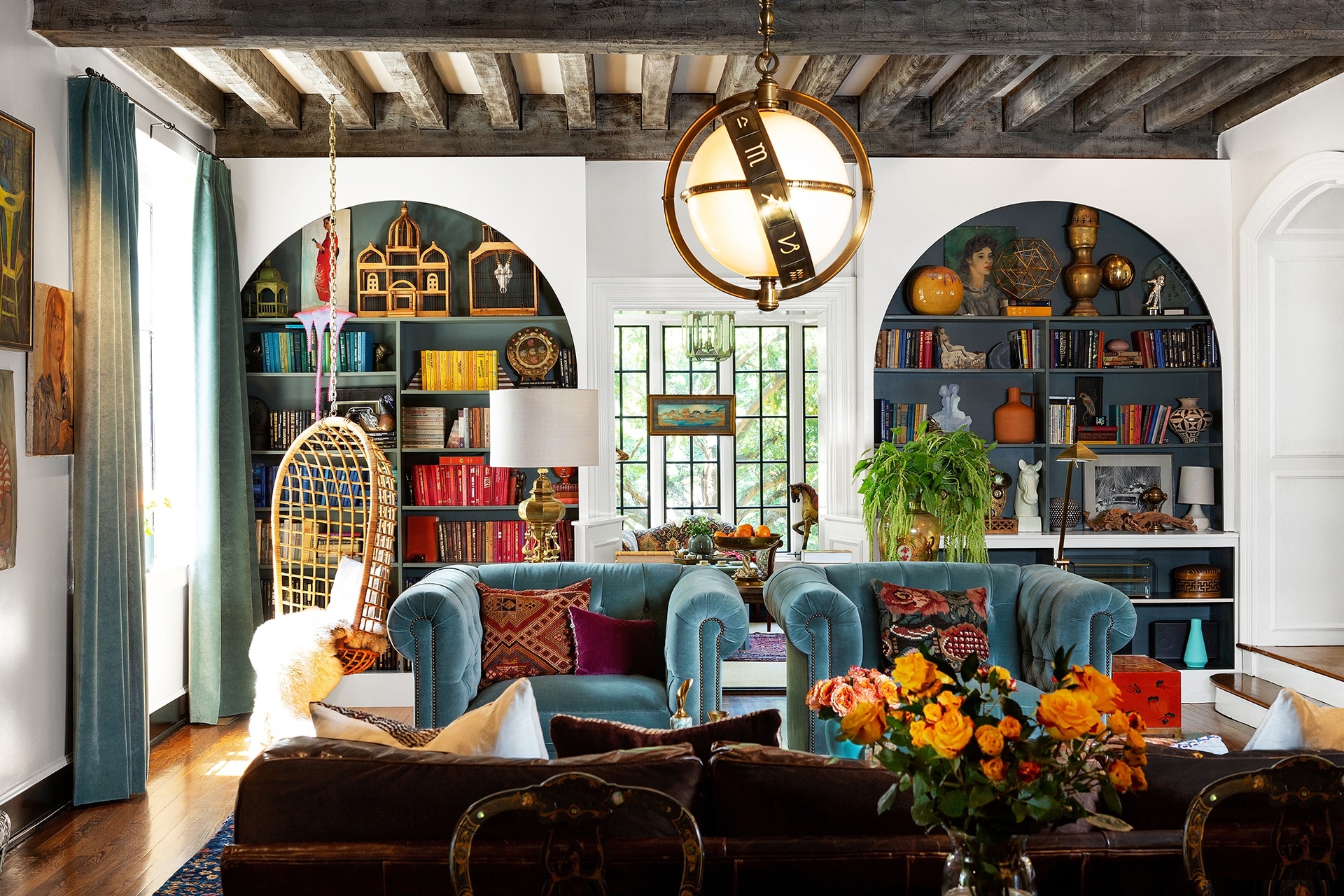
:max_bytes(150000):strip_icc()/elebash_1113_02-2000-d93cd8f43c274b0f8d95f2805c75a55d.jpg "Tropical Home Design with Island Vibes")
:max_bytes(150000):strip_icc()/Traditional-living-room-with-gilt-mirror-58bc74e83df78c353c0df95a.png "Classic Interior Style with Grand Accents")