

The Art of Sky-High Elegance: Transforming Your Loft Into a Dreamy Sanctuary
There’s something undeniably magical about living above the city, where the rhythm of the streets fades into a hushed serenity. Lofts, with their soaring ceilings, exposed brick, and industrial charm, offer a blank canvas unlike any other space. But turning a raw, utilitarian loft into a dreamy sanctuary requires more than just a coat of paint—it demands a thoughtful blend of creativity, functionality, and a touch of whimsy. Whether you’re a minimalist at heart or a maximalist in spirit, the key lies in striking a balance between grandeur and comfort. Let’s explore how to elevate your loft into a space that feels both aspirational and deeply personal.
1. Embrace the Raw With a Touch of Refinement
One of the most alluring aspects of a loft is its inherent rawness—exposed beams, towering windows, and weathered concrete that tell a story of its industrial past. Instead of hiding these elements, celebrate them. Let the architectural bones shine by keeping the space open and uncluttered. However, refinement doesn’t mean erasing character; it means adding layers that soften the edges without sacrificing authenticity. Think of it as a dialogue between the rough and the refined—where a sleek modern sofa sits atop a reclaimed wood floor, or a minimalist dining table contrasts with a vintage chandelier.
Consider these ways to harmonize the old with the new:
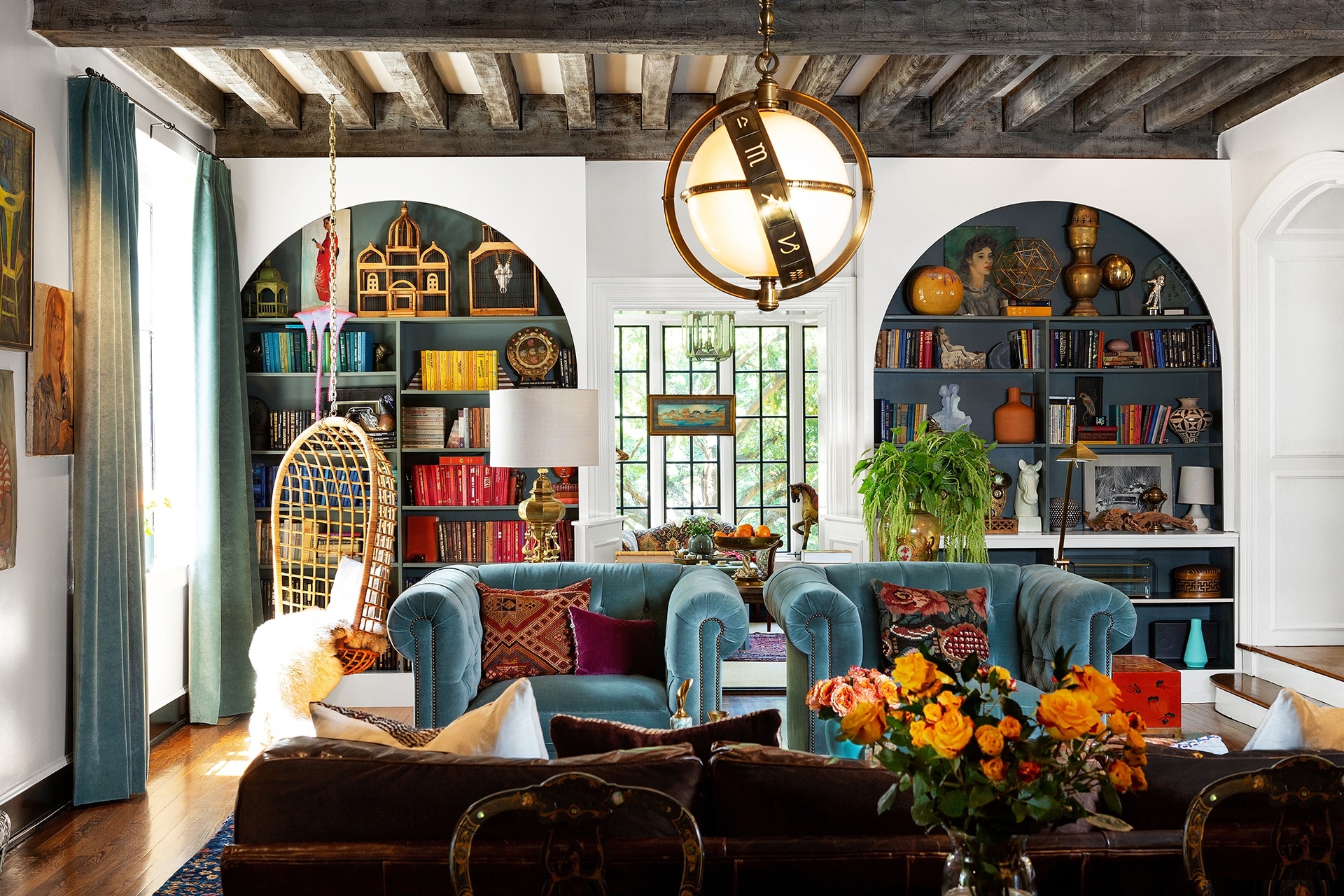
- Exposed beams: Leave them visible and pair them with warm lighting to draw the eye upward, emphasizing the height of your space.
- Concrete floors: If your loft has them, polish them to a subtle sheen or soften them with large, plush rugs in neutral tones.
- Industrial details: Incorporate metal accents—think ladder shelves, pipe railings, or a steel-framed bed—to keep the loft’s energy intact.
2. Play With Scale and Proportion
Lofts are defined by their scale—those soaring ceilings can feel both exhilarating and daunting. The trick is to use furniture and decor that complement the space without overwhelming it. Oversized items can look lost in a loft, while too many small pieces can make the room feel fragmented. Instead, opt for a few statement pieces that anchor the space and create a sense of intimacy amid the vastness.
Here’s how to master scale in your loft:
- Choose statement furniture: A grand sectional, a four-poster bed, or a dining table that seats six or more can ground the room and make it feel cozy.
- Layer lighting: A single overhead light will leave your loft feeling stark. Instead, mix floor lamps, table lamps, and pendant lights to create depth and warmth.
- Use vertical space: Tall bookshelves, wall-mounted storage, and artwork hung high can draw the eye upward, enhancing the sense of height.
3. Curate a Dreamy Color Palette
Color sets the mood for your sanctuary, and in a loft, the palette should feel cohesive yet dynamic. Since lofts often have fewer walls to break up the space, the flow of color becomes even more critical. Soft, airy hues can make the room feel open and serene, while deeper tones add drama and intimacy. The key is to create a harmonious transition between zones without making the space feel disjointed.
Consider these color strategies for your loft:
- Neutral base: Start with a neutral backdrop—think whites, creams, or light grays—to keep the space feeling airy and timeless.
- Pops of color: Introduce color through textiles, artwork, or a single accent wall to add personality without overwhelming the space.
- Monochromatic schemes: Shades of the same color (e.g., soft blues or warm beiges) can create a sophisticated, cohesive look.
- Metallic accents: Gold, brass, or copper finishes in light fixtures and hardware can add a touch of glamour and tie the space together.
4. Define Zones Without Closing Off Space
Lofts thrive on openness, but that doesn’t mean every area should blend into one. The challenge is to create distinct zones for living, dining, sleeping, and working while maintaining a sense of flow. The solution lies in subtle divisions—furniture placement, rugs, and screens can carve out spaces without erecting walls. This approach keeps the loft feeling light and airy while making it functional for daily life.
Ideas for zoning your loft:
- Use furniture as dividers: A bookshelf can separate the bedroom from the living area, or a sofa can define the seating zone.
- Rugs as anchors: A large rug under the dining table or in the seating area can visually section off spaces while adding warmth.
- Room dividers: If you need more separation, consider a folding screen, a glass partition, or even a curtain to create privacy without closing off the space.
- Floating shelves: Install them to display decor or storage, which can delineate areas while keeping the floor clear.
5. Infuse Luxury Through Textiles and Materials
While lofts often celebrate minimalism, they can also benefit from the tactile luxury of high-quality textiles and materials. Softness is essential in a space that’s otherwise hard-edged—think plush throws, velvet cushions, or a sumptuous area rug. These elements add warmth and comfort, making your loft feel like a true sanctuary rather than just a stylish showpiece.
Ways to add luxury to your loft:
- Layered textiles: Combine different fabrics—linen, wool, silk—to create depth and visual interest.
- Velvet and fur: A velvet sofa, fur throw, or silk curtains can introduce opulence and softness.
- Natural materials: Wood, rattan, and jute bring organic texture and balance the industrial elements.
- Bedding as a focal point: In the bedroom zone, invest in high-thread-count sheets, a padded headboard, or a canopy bed for a dreamy touch.
6. Bring the Outdoors In
A loft’s connection to the outside world is one of its greatest assets. Large windows and skylights flood the space with natural light, but you can deepen this relationship by incorporating biophilic design—an approach that emphasizes our innate connection to nature. Plants, natural wood, and organic shapes can ground the space and create a calming atmosphere.
Biophilic design ideas for your loft:
- Indoor greenery: Large fiddle-leaf figs, monstera plants, or a vertical garden can add life and freshness to the space.
- Natural wood elements: A reclaimed wood dining table, floating shelves, or a live-edge desk can introduce warmth and texture.
- Water features: A small tabletop fountain or a wall-mounted waterfall can add a soothing element.
- Nature-inspired art: Choose artwork that features landscapes, botanical prints, or abstract organic forms.
7. Personalize With Thoughtful Decor
The most enchanting lofts are those that feel like an extension of their inhabitants. Decor should tell a story—whether it’s a collection of vintage cameras, a gallery wall of travel photos, or a curated display of books. These personal touches transform a house into a home, making the space feel uniquely yours.
Ways to personalize your loft:
- Gallery wall: Mix frames, artwork, and mirrors to create a dynamic focal point.
- Curated collections: Display items like vinyl records, ceramic vases, or antique clocks to add character.
- Sentimental pieces: Incorporate heirlooms, gifts, or handmade items that hold special meaning.
- Scent and ambiance: Use candles, diffusers, or essential oils to create a signature scent that welcomes you home.
8. Prioritize Lighting for Ambiance and Function
Lighting is the unsung hero of loft design. With so much open space, the right lighting can make the difference between a cold, cavernous room and a warm, inviting sanctuary. Layered lighting—combining ambient, task, and accent lighting—creates depth and ensures the space is functional at all times of day.
Lighting strategies for your loft:
- Ambient lighting: Recessed lights, chandeliers, or flush mounts provide general illumination.
- Task lighting: Desk lamps, under-cabinet lighting, or reading lamps ensure functionality in specific areas.
- Accent lighting: Wall sconces, picture lights, or LED strips highlight architectural features or decor.
- Dimmers: Install dimmer switches to adjust the mood from bright and energetic to soft and intimate.
9. Balance Functionality and Aesthetics
A dreamy loft isn’t just beautiful—it’s also practical. Storage is often a challenge in open spaces, so clever solutions are essential. Built-in shelving, multifunctional furniture, and hidden storage can keep clutter at bay while maintaining the loft’s sleek aesthetic.
Functional yet stylish storage ideas:
- Built-in units: Custom shelving or cabinetry can maximize vertical space and blend seamlessly with the architecture.
- Multifunctional furniture: Ottomans with storage, sofa beds, or nesting tables serve dual purposes without sacrificing style.
- Hidden storage: Use baskets, benches with lift-up seats, or wall-mounted cabinets to tuck away everyday items.
- Minimalist organization: Keep surfaces clear with sleek trays, boxes, or modular storage systems.
10. Final Touches: The Magic of Small Details
It’s the small details that transform a loft from stylish to extraordinary. Thoughtful touches like fresh flowers, a well-stocked bar cart, or a cozy reading nook can elevate the experience of living in your sanctuary. These elements add warmth, personality, and a sense of luxury.
Small details that make a big impact:
- Fresh flowers or greenery: A vase of peonies or a potted orchid can brighten any space.
- Scented candles: Choose a signature fragrance that lingers in the air.
- Artisan decor: Hand-blown glass vases, ceramic mugs, or handwoven textiles add a handcrafted touch.
- Comfortable seating: A plush armchair, a window seat with cushions, or a hammock can create inviting nooks.
Conclusion: Your Loft, Your Sanctuary
Transforming a loft into a dreamy sanctuary is about more than just decor—it’s about creating a space that reflects your soul. It’s where industrial grit meets cozy elegance, where open skies inspire creativity, and where every corner feels like a retreat. By embracing the raw beauty of your loft, playing with scale, curating a harmonious color palette, and infusing personal touches, you can craft a sanctuary that’s uniquely yours. Remember, the most magical lofts aren’t perfectly styled—they’re lived-in, loved, and full of stories waiting to be told.
About the Author


:max_bytes(150000):strip_icc()/elebash_1113_02-2000-d93cd8f43c274b0f8d95f2805c75a55d.jpg "Tropical Home Design with Island Vibes")
:max_bytes(150000):strip_icc()/Traditional-living-room-with-gilt-mirror-58bc74e83df78c353c0df95a.png "Classic Interior Style with Grand Accents")