
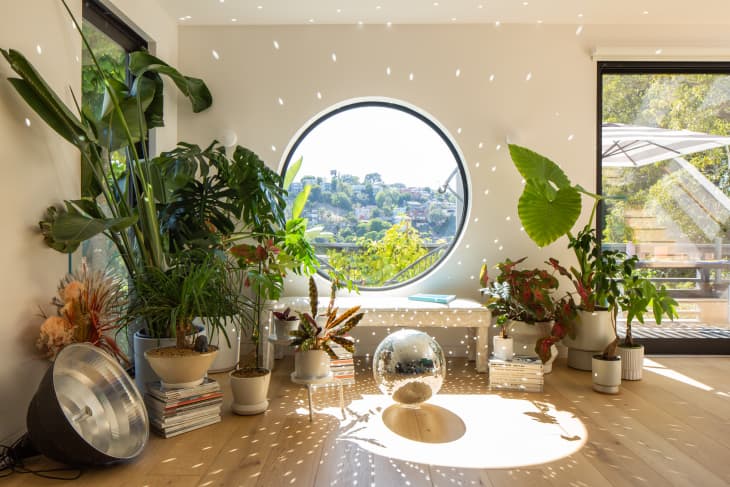
Tropical home design flourishes in environments where radiance and organic textures coexist seamlessly. In many coastal and equatorial regions, sunlight is abundant, shaping interiors that feel warm, open, and visually invigorating. A well curated layout embraces this natural illumination and transforms each corner into a lively oasis. This is where Sunlit room design becomes essential, guiding the use of light and space to produce an atmosphere that is both functional and deeply restorative.
Harnessing Sunlight as a Primary Design Element
Sunlight does more than simply brighten a room. It alters mood, enhances color accuracy, and emphasizes the intrinsic beauty of natural materials. Tropical homes take advantage of this dynamic by incorporating expansive windows, clerestory openings, and wide glass doors. These features invite sunlight to cascade through the interior, creating an ever shifting play of brightness and shadow.
Positioning plays a critical role. East facing spaces exude soft, luminous morning light, ideal for bedrooms or reading corners. West facing rooms, on the other hand, capture the intense golden hues of late afternoon. Architects often adjust window sizes or include light filtering solutions to balance the warmth and brightness throughout the day. The goal is simple: allow the home to breathe with the rhythm of the sun.
Integrating Organic Materials for Authentic Ambiance
The charm of tropical interiors lies in the authenticity of their materials. Wooden surfaces, cane details, and stone textures work harmoniously when illuminated by natural light. Each surface reacts uniquely to the sun, creating a layered visual experience that evolves hour by hour. This interplay contributes to the distinctive identity of tropical spaces.
Bamboo paneling can cast slender, elongated shadows that shift as the sun moves. Polished teak floors may glow with a warm undertone, amplifying the room’s ambience. Woven rattan furniture interacts beautifully with bright light, highlighting its intricate craftsmanship. These elements do not simply serve aesthetic purposes; they immerse the occupant in an environment that feels tactile, grounded, and inviting.
Color Palettes That Complement Sunlit Interiors
Colors behave differently under natural light compared to artificial illumination. Tropical design embraces hues that respond gracefully to brightness, including soft neutrals, earthy browns, and subtle greens. These tones remain visually soothing despite intense sunlight.
In sunlit areas, white walls create a luminous backdrop that reflects light across the space. This enhances spatial perception and makes rooms appear significantly larger. Warm beige or pale sand tones provide a more grounded feeling without reducing brightness. Meanwhile, accents of coral, sage, or turquoise can add dimension without overwhelming the senses.
Balancing these shades ensures the interior retains a tranquil and cohesive aesthetic. Layers of color interplay subtly with the sunlight, reinforcing the room’s tropical essence.
Strategic Ventilation for Comfort and Freshness
Brightness alone does not define a sunlit tropical home. Ventilation is equally important. Tropical climates are known for humidity, and sunlit rooms benefit greatly when breezes flow freely. Cross ventilation is often achieved by aligning windows and openings on opposing walls. This steady airflow prevents heat accumulation, ensuring the space remains comfortable throughout the day.
Wooden louvers and operable shutters also contribute to airflow while moderating light intensity. They allow fine control over the amount of sunlight entering the room, reducing glare without compromising illumination. Their presence introduces a timeless tropical character while performing a practical function.
Furniture Placement That Maximizes Radiance
Thoughtful arrangement of furniture is essential in sunlit rooms. Heavy, bulky items can interrupt the flow of light. Designers often prioritize pieces with open structures, such as rattan chairs, cane sideboards, or slender wood framed sofas. These furnishings allow brightness to travel unimpeded across the space.
Placing seating areas near windows encourages inhabitants to enjoy views of surrounding greenery. Tables positioned close to natural light sources become ideal spots for reading, writing, or dining. Meanwhile, reflective or semi reflective surfaces, such as glass tabletops or polished ceramics, amplify the sunlight’s reach, subtly brightening shaded corners.
Indoor Greenery That Thrives in Sunlit Environments
Plants are indispensable in tropical design. Sunlight nourishes their growth, adding vibrancy and organic rhythm to the home. Species such as bird of paradise, palm varieties, and pothos thrive under bright natural light, making them ideal companions for sunlit rooms.
Greenery softens architectural lines and reintroduces a sense of nature within the built environment. Large planters or tall indoor trees create vertical interest, while smaller pots on shelves or tables add intimacy. Their presence enhances the room’s appeal, reinforcing a connection to tropical landscapes.
Textural Layers That Elevate Visual Depth
Textures play a crucial role in shaping the character of sunlit interiors. Linen drapery, breathable cotton upholstery, and handwoven mats harmonize beautifully with abundant light. These materials diffuse sunlight gently, giving the room a tranquil and airy ambience.
Curtains crafted from lightweight fabrics can filter light without darkening the space. Natural fibers such as jute or sisal add grounding elements that complement the brightness. The combination of varied textures creates dimension, allowing the interior to feel visually rich without appearing crowded.
Architectural Features That Support Sunlit Living
Tropical homes often incorporate architectural elements designed specifically for sunlit environments. High ceilings help disperse heat and allow sunlight to spread wider across the interior. Extended roof overhangs provide shade to prevent overheating while still permitting soft ambient light to enter. Skylights strategically placed over hallways or staircases introduce pockets of illumination that otherwise would be dim.
About the Author

:max_bytes(150000):strip_icc()/elebash_1113_02-2000-d93cd8f43c274b0f8d95f2805c75a55d.jpg "Tropical Home Design with Island Vibes")


:max_bytes(150000):strip_icc()/Traditional-living-room-with-gilt-mirror-58bc74e83df78c353c0df95a.png "Classic Interior Style with Grand Accents")