
Creating a Rich texture design in classic interior style is about weaving layers of tactile and visual complexity to produce spaces that are opulent, inviting, and timeless. Texture becomes a language of sophistication, allowing each surface, fabric, and finish to tell its own story. The interplay between soft fabrics, polished woods, and reflective metals elevates interiors from simple elegance to immersive richness.
Architectural Foundations
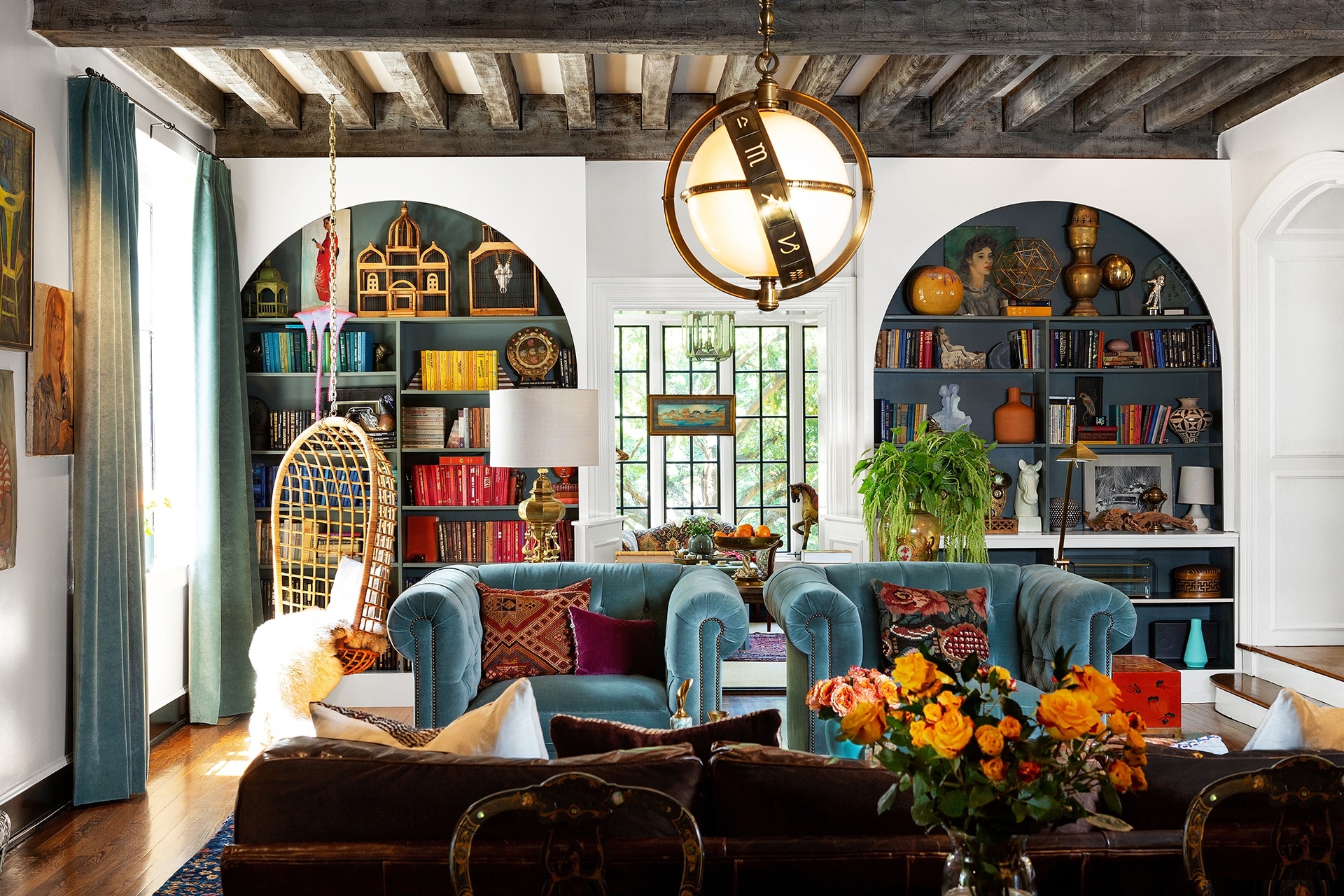
The framework of a classic interior with rich textures begins with architectural precision. Intricate moldings, coffered ceilings, and paneled walls establish a foundation for layering textures without chaos. These structural elements provide visual interest and rhythm, while arched doorways, embellished cornices, and detailed wainscoting contribute to a sense of permanence and luxury. The architecture itself becomes a textured backdrop that enhances every decorative element.
Color Palette and Layering
Color choices are integral to emphasizing rich texture design. Warm neutrals, deep jewel tones, and subtle metallic accents allow surfaces and fabrics to speak without overwhelming the eye. Layering shades—such as combining champagne with soft taupe or emerald with muted olive—creates depth, while carefully placed accents of gilded gold or aged brass punctuate spaces with understated glamour. Color works in tandem with texture, creating a harmonious, multidimensional aesthetic.
Furniture and Upholstery
Furniture selection is critical in defining textured interiors. Upholstered sofas in velvet or damask invite touch, while carved wooden tables and cabinets provide tactile contrast. Tufted chairs, channeled sofas, and intricately inlaid pieces enhance visual interest and formality simultaneously. Arrangement emphasizes symmetry and proportion, ensuring each piece interacts with others to maintain cohesion in both texture and design, amplifying the richness of the overall interior.
Textiles and Fabrics
Textiles are the cornerstone of rich texture design. Silk draperies, handwoven rugs, and embroidered cushions provide layers of tactile and visual intrigue. Mixing fabrics—velvet with linen, brocade with wool—creates contrast that enhances the sophistication of the room. Draperies with subtle patterns, layered bedding, and plush throws add depth and warmth, ensuring the space feels both luxurious and livable.
Flooring and Rugs
Flooring anchors the textured environment. Hardwood with a satin finish, marble with delicate veining, or natural stone adds grounding sophistication. Area rugs in intricate patterns or hand-knotted textures define spaces, create warmth, and introduce tactile variety underfoot. Layered rugs can further enhance dimensionality, producing an interior that feels thoughtfully curated and texturally engaging.
Lighting to Accentuate Texture
Lighting is essential to highlight the richness of textures. Chandeliers with crystal or glass components cast reflective glimmers across surfaces, while wall sconces and table lamps provide layered illumination. Natural light interacts with textured walls, fabrics, and finishes, revealing depth and subtle nuances. Careful positioning ensures shadows and highlights accentuate the dimensionality of every element, reinforcing the richness of the design.
Decorative Accents and Artwork
Accents and artwork introduce additional layers of texture. Sculptural pieces in bronze, ceramic, or stone create tactile interest, while framed paintings or textured wall art provide visual depth. Decorative trays, vases, and figurines in diverse materials complement furniture and fabrics, reinforcing a sense of luxury and attention to detail. Each object is carefully curated to enhance the layered sophistication of the rich texture design.
Window Treatments
Window treatments extend the textural narrative. Heavy, luxurious drapes contrast with sheer layers to balance light and softness. Patterns, weaves, and embroidered details draw attention to the interplay of materials, while flowing fabrics introduce movement and elegance. Draperies harmonize with upholstery, rugs, and accent pieces, ensuring the room’s textured identity remains consistent and cohesive.
Balancing Richness and Comfort
While richness in texture conveys luxury, classic interiors with layered materials must remain inviting. Plush seating, soft rugs, and tactically placed textiles ensure that spaces are comfortable as well as visually compelling. The combination of high-quality materials and thoughtful layout produces interiors that are not only elegant but also functional and livable.
Layering and Depth
True mastery of rich texture design lies in layering. Combining architectural elements, textiles, finishes, and decorative accents produces interiors with depth, intrigue, and sophistication. Each layer interacts with the others, guiding the eye across surfaces and through spaces, creating a visual and tactile journey. This meticulous layering transforms classic interiors into environments that feel abundant, harmonious, and timeless, embodying the essence of richness and refinement.
About the Author


:max_bytes(150000):strip_icc()/Traditional-living-room-with-gilt-mirror-58bc74e83df78c353c0df95a.png "Classic Interior Style with Grand Accents")
:max_bytes(150000):strip_icc()/elebash_1113_02-2000-d93cd8f43c274b0f8d95f2805c75a55d.jpg "Tropical Home Design with Island Vibes")