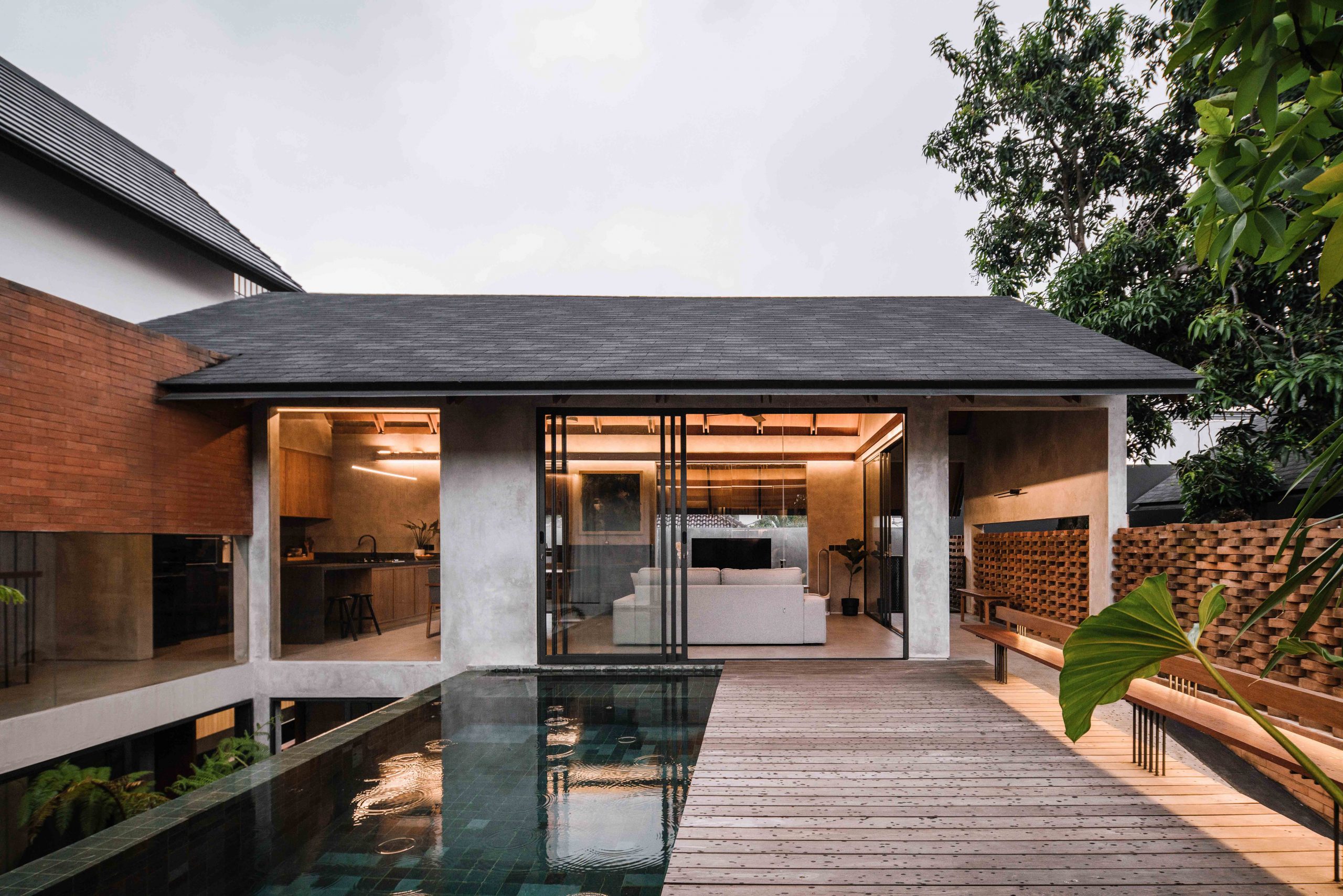
The Enduring Allure of Vintage Elegance
In a world where trends come and go with alarming speed, vintage elegance remains a steadfast beacon of timeless beauty. The allure of vintage decor lies not just in its aesthetic appeal, but in its ability to evoke nostalgia, warmth, and a sense of history. Unlike fleeting fads, vintage pieces carry stories and craftsmanship that modern reproductions often struggle to replicate. Whether you reside in a sprawling countryside manor or a cozy urban apartment, incorporating vintage elements into your home decor can transform it into a sanctuary of refined charm. This article explores how to seamlessly blend vintage elegance with contemporary living, ensuring your space exudes sophistication that stands the test of time.
Why Vintage Decor Stands the Test of Time
Vintage decor endures because it prioritizes quality, craftsmanship, and authenticity—qualities that are increasingly rare in today’s mass-produced world. The materials used in vintage pieces, such as solid wood, wrought iron, and genuine leather, are built to last, unlike their contemporary counterparts that often prioritize cost efficiency over durability. Additionally, vintage decor taps into a universal human connection to the past, offering a comforting sense of continuity and connection. The patina that develops on antique furniture, the soft hues of aged textiles, and the intricate details of bygone craftsmanship all contribute to a lived-in, soulful ambiance that new items simply cannot match.
The Psychological Appeal of Vintage Spaces
Beyond aesthetics, vintage decor holds psychological benefits that enhance well-being. Studies have shown that environments rich in textured, warm, and familiar elements can reduce stress and foster a sense of calm. Vintage pieces often feature organic shapes, earthy tones, and a mix of patterns that create a harmonious, inviting atmosphere. The imperfections found in antique items—such as a slightly uneven glaze on a ceramic vase or the gentle wear of a well-loved armchair—add character and tell a story, making a space feel uniquely personal and lived-in. In an era dominated by sleek, minimalist, and often impersonal interiors, vintage decor offers a refreshing antidote by infusing spaces with personality and depth.
Key Elements of Timeless Vintage Decor
To achieve a vintage-inspired home, focus on incorporating these fundamental elements that define the style. The goal is not to create a museum-like replica of a past era, but to curate a harmonious blend of old and new that feels cohesive and intentional. Below are the core components to consider when infusing your space with vintage elegance.
1. Furniture: The Backbone of Vintage Style
Furniture serves as the foundation of any vintage-inspired interior. When selecting vintage pieces, prioritize quality craftsmanship and timeless designs that transcend fleeting trends. Look for:
- Mid-Century Modern Classics: Pieces from the 1950s and 1960s, such as Eames-style chairs, teak sideboards, and tapered-leg coffee tables, are icons of vintage elegance. Their clean lines and organic forms make them versatile additions to any room.
- Victorian and Edwardian Accents: Richly carved wooden furniture, such as claw-foot tables, tufted Chesterfield sofas, and ornate armoires, add a touch of opulence and history. These pieces often feature dark woods like mahogany or walnut and intricate detailing.
- Art Deco Glamour: For a more glamorous vintage aesthetic, consider geometric patterns, mirrored surfaces, and materials like chrome, glass, and lacquer. Art Deco pieces, such as sunburst mirrors and lacquered cabinets, bring bold sophistication to a space.
- Rustic and Farmhouse Finds: Distressed wooden tables, ladder-back chairs, and enamelware cabinets evoke a cozy, rural charm. These pieces are perfect for creating a warm, inviting atmosphere in kitchens and dining areas.
2. Color Palettes: Soft, Muted, and Harmonious
Vintage color palettes are characterized by their softness, warmth, and subtlety. Unlike the high-contrast, bold hues of contemporary design, vintage colors evoke a sense of nostalgia and tranquility. Consider the following shades for your space:
- Earthy Neutrals: Beige, cream, taupe, and soft gray form the backbone of vintage color schemes. These tones create a serene backdrop that allows other elements to shine.
- Pastel Hues: Delicate pinks, mint greens, powder blues, and buttery yellows were popular in the 1920s through the 1950s. These colors work beautifully in bedrooms, bathrooms, and living areas.
- Rich Jewel Tones: Deep emerald, sapphire, ruby, and amethyst were favored in Victorian and Art Deco interiors. Use these hues sparingly as accents to add drama and sophistication.
- Muted Patterns: Florals, stripes, gingham, and damask prints in soft, faded tones were staples of vintage design. Incorporate these patterns through wallpaper, upholstery, or textiles to add depth and character.
3. Textiles: Layering for Warmth and Texture
Textiles are the heart of vintage decor, adding warmth, comfort, and visual interest to a space. Vintage-inspired textiles often feature natural fibers, intricate patterns, and a lived-in feel. Consider incorporating the following:
- Persian and Oriental Rugs: A vintage Persian rug, with its rich colors and intricate patterns, can anchor a room and tie together disparate elements. Look for rugs with a slightly worn, faded appearance for an authentic look.
- Lace and Crochet: Delicate lace doilies, tablecloths, and curtains add a touch of old-world charm to kitchens, bedrooms, and bathrooms. Crocheted throws and blankets draped over sofas or armchairs bring cozy texture to living spaces.
- Velvet and Silk: These luxurious fabrics were staples of vintage decor, often used in upholstery, curtains, and throw pillows. Velvet in jewel tones or muted jewel hues adds a touch of glamour, while silk in soft pastels lends an air of elegance.
- Quilts and Patchwork: Handmade quilts and patchwork blankets are not only visually appealing but also carry a sense of history. Display them on beds, sofas, or as wall hangings to add a touch of rustic warmth.
4. Lighting: The Soul of the Space
Lighting plays a crucial role in vintage decor, as it sets the mood and highlights the beauty of other elements. Vintage lighting fixtures are often works of art in themselves, featuring intricate metalwork, stained glass, or delicate fabric shades. Consider the following options:
- Chandeliers and Pendant Lights: A crystal chandelier or a wrought-iron pendant light can serve as the centerpiece of a dining room or foyer. Look for pieces with a patina or aged finish to enhance their vintage appeal.
- Table and Floor Lamps: Table lamps with ceramic bases, stained glass shades, or brass accents add a touch of elegance to bedside tables and desks. Floor lamps with curved stems or Tiffany-style shades bring warmth to living rooms and reading nooks.
- Wall Sconces: Wrought-iron or brass sconces with candle-style bulbs create a romantic, old-world ambiance. These fixtures are perfect for hallways, bedrooms, and powder rooms.
- Vintage Bulbs and Shades: Opt for Edison-style bulbs or frosted glass shades to mimic the soft, warm glow of vintage lighting. These details enhance the authenticity of your decor.
5. Decorative Accents: The Finishing Touches
Decorative accents are where you can truly express your personality and tell a story through your vintage-inspired space. These smaller elements add depth, character, and a sense of history. Consider the following ideas:
- Antique Mirrors: A large, ornate mirror with a gilded or distressed frame can make a bold statement in an entryway or living room. Mirrors not only reflect light but also create the illusion of a larger space.
- Vintage Artwork: Framed prints, oil paintings, or posters from past eras add a layer of sophistication. Look for art deco, mid-century, or Victorian pieces to complement your decor theme.
- Porcelain and Ceramics: Collect vintage teapots, vases, and figurines to display on shelves or mantels. Look for pieces with floral motifs, intricate patterns, or hand-painted details.
- Brass and Copper Accents: Brass candlesticks, copper trays, and bronze sculptures add a touch of elegance and warmth. These metals develop a beautiful patina over time, enhancing their vintage charm.
- Vintage Books and Globes: Stacked leather-bound books and antique globes on a bookshelf or desk evoke a sense of intellectual curiosity and nostalgia. These items are perfect for creating a cozy reading nook.
Blending Vintage and Modern: Tips for a Cohesive Look
While vintage decor is undeniably charming, it’s essential to strike a balance between old and new to avoid creating a space that feels like a relic from the past. The key is to blend vintage elements with contemporary pieces to create a harmonious, lived-in look. Here’s how to achieve that perfect fusion:
1. Start with a Neutral Base
Begin with a neutral color palette for walls, floors, and larger furniture pieces. This provides a blank canvas that allows vintage accents to stand out without overwhelming the space. Soft whites, warm grays, and muted beiges work well as a backdrop for both vintage and modern elements.
2. Mix Furniture Styles Strategically
Pair vintage furniture with modern pieces to create a balanced, eclectic look. For example:
- Place a sleek, contemporary sofa alongside a vintage armchair with a tufted back and wooden frame.
- Pair a mid-century modern dining table with modern chairs featuring clean lines and minimalist designs.
- Use a vintage sideboard as a statement piece in a room with otherwise modern furnishings.
This approach ensures that your space feels curated rather than cluttered, with each piece contributing to the overall aesthetic.
3. Layer Textures and Patterns
Vintage decor thrives on texture and pattern, so don’t be afraid to mix and match fabrics, rugs, and wallpapers. However, to keep the look cohesive, limit the color palette to two or three dominant shades and use patterns in varying scales. For example:
- Pair a bold floral curtain with a striped throw pillow and a solid-colored rug.
- Layer a Persian rug with a neutral jute rug to add warmth and texture to a living room.
- Combine a velvet upholstered chair with a linen sofa and a woven basket for added depth.
4. Use Vintage Pieces as Statement Items
Instead of filling your space with too many vintage items, choose a few standout pieces that serve as focal points. For example:
- A vintage chandelier in the dining room.
- A statement armchair in the living room.
- A bold, patterned rug in the bedroom.
Surround these pieces with modern elements to create a balanced, visually appealing space.
5. Incorporate Vintage-Inspired Accents
If authentic vintage pieces are out of reach or don’t suit your lifestyle, opt for vintage-inspired decor that mimics the look without the high price tag or maintenance. For example:
- Choose furniture with vintage-inspired silhouettes, such as a Chesterfield-style sofa or a mid-century modern chair.
- Select textiles with vintage patterns, such as damask, toile, or gingham, to add a nostalgic touch.
- Use wallpaper with a retro design, such as a floral or geometric pattern, to create a vintage-inspired accent wall.
These pieces allow you to achieve the vintage look without sacrificing modern convenience or comfort.
Where to Find Authentic Vintage Treasures
If you’re eager to incorporate authentic vintage pieces into your home, knowing where to look is half the battle. While online marketplaces offer convenience, local sources often provide unique finds with a story. Here are some of the best places to hunt for vintage treasures:
1. Antique Shops and Boutiques
Antique shops are treasure troves of vintage finds, from furniture and lighting to decorative accents and jewelry. These stores often curate their collections carefully, ensuring each piece is in good condition and has a unique appeal. Build a relationship with local antique dealers—they can offer insights into the history of their pieces and may even notify you when new items arrive that fit your style.
2. Thrift Stores and Charity Shops
Thrift stores and charity shops are budget-friendly havens for vintage enthusiasts. While you may need to dig through racks of clothing or shelves of knick-knacks, the thrill of finding a hidden gem is unmatched. Keep an eye out for:
- Vintage glassware and pottery.
- Retro kitchenware, such as Pyrex bowls or enamelware mugs.
- Old books, records, and postcards.
- Furniture with classic designs, such as a mid-century dresser or a Victorian side table.
3. Flea Markets and Vintage Fairs
Flea markets and vintage fairs are ideal for discovering one-of-a-kind pieces and meeting other collectors. These events often feature a mix of dealers selling everything from furniture and lighting to clothing and accessories. Some popular flea markets include:
- The Rose Bowl Flea Market (Los Angeles, USA): One of the largest flea markets in the world, offering a vast array of vintage and antique items.
- Portobello Road Market (London, UK): A historic market known for its antiques, vintage clothing, and collectibles.
- Les Puces de Vanves (Paris, France): A renowned flea market with a focus on vintage furniture, art, and decorative objects.
Before attending, check the event’s website for details on vendors, themes, and admission fees.
4. Estate Sales and Auctions
Estate sales and auctions provide an opportunity to purchase vintage pieces with a rich history, often from private collections. Estate sales are typically held when a homeowner passes away, downsizes, or clears out their home. These sales offer a wide range of items, from furniture and artwork to household goods and collectibles. Auctions, whether online or in-person, can also yield incredible finds, especially for rare or high-value items like vintage jewelry or fine art.
To make the most of estate sales and auctions:
- Research beforehand: Look for sales in your area and check online listings for a preview of the items available.
- Arrive early: The best pieces often go quickly, so arriving early gives you the first pick of the day.
- Set a budget: It’s easy to get caught up in the excitement of bidding, so establish a spending limit beforehand.
- Ask questions: If items are unmarked or you’re unsure of their value, don’t hesitate to ask the estate sale organizers for details.
5. Online Marketplaces
For those who prefer the convenience of shopping from home, online marketplaces offer a vast selection of vintage items. Some popular platforms include:
- Etsy: A hub for handmade and vintage goods, where you can find everything from antique jewelry to retro home decor.
- eBay: A global marketplace with a wide range of vintage items, from furniture to collectibles. Use filters to narrow down your search by era, style, and condition.
- 1stDibs: A curated online marketplace specializing in high-end antique and vintage furniture, lighting, and art.
- Chairish: A platform focused on vintage and secondhand furniture, with a user-friendly interface for browsing and purchasing.
When shopping online, always check seller reviews, ask for additional photos, and inquire about the item’s condition and history to ensure you’re getting an authentic and high-quality piece.
Maintaining and Caring for Vintage Pieces
Investing in vintage decor is not just about aesthetics—it’s also about preserving history and craftsmanship. Proper care and maintenance ensure that your vintage treasures remain in excellent condition for years to come. Here’s how to care for different types of vintage items:
1. Furniture
Vintage furniture often requires gentle care to prevent damage and preserve its beauty. Follow these tips to keep your pieces in top condition:
- Dust regularly: Use a soft, lint-free cloth to remove dust and debris. Avoid feather dusters, as they can scratch delicate surfaces.
- Use coasters and placemats: Protect wooden surfaces from water rings and heat damage by using coasters under glasses and placemats under hot dishes.
- Avoid direct sunlight: Prolonged exposure to sunlight can fade upholstery and wood finishes. Position furniture away from windows or use UV-protective window film.
- Clean gently: For wooden furniture, use a mild wood cleaner or a solution of equal parts vinegar and water. Avoid harsh chemicals that can strip the finish. For upholstered pieces, use a vacuum with an upholstery attachment to remove dust and debris.
- Address scratches and dents: For minor scratches on wood, use a wax stick or a mixture of equal parts vinegar and olive oil. For deeper scratches, consult a professional furniture restorer.
2. Textiles
Vintage textiles, such as rugs, curtains, and upholstery, require careful handling to prevent fraying, fading, or mildew. Follow these guidelines to preserve their beauty:
- Vacuum regularly: Use a vacuum with a brush attachment to remove dust and dirt from rugs and upholstery. Avoid using a beater bar, as it can damage delicate fibers.
- Rotate rugs: To prevent uneven wear, rotate your rugs every few months, especially in high-traffic areas.
- Avoid direct sunlight: Prolonged exposure to sunlight can cause fabrics to fade. Use curtains or blinds to filter light when necessary.
- Spot clean carefully: For stains, use a mild detergent or a specialized fabric cleaner. Test the cleaner on a small, hidden area first to ensure it doesn’t cause discoloration.
- Store properly: If storing textiles, such as quilts or tablecloths, place them in a cool, dry, and dark environment. Use acid-free tissue paper to wrap delicate items and avoid plastic bags, which can trap moisture.
3. Lighting
Vintage lighting fixtures, such as chandeliers, lamps, and sconces, require regular maintenance to ensure they function safely and look their best. Here’s how to care for them:
- Dust regularly: Use a soft cloth to clean glass shades, metal fixtures, and fabric lampshades. Avoid using water or harsh chemicals on metal parts, as they can cause corrosion.
- Check wiring: If you have an antique electrical fixture, have its wiring inspected by a professional to ensure it meets modern safety standards. Avoid using vintage fixtures with frayed or damaged cords.
- Replace bulbs carefully: Use the correct wattage for vintage lamps to prevent overheating. Consider using LED bulbs, which are energy-efficient and produce less heat.
- Polish metal fixtures: For brass or copper fixtures, use a specialized metal polish or a mixture of lemon juice and baking soda to restore their shine. Wipe off the polish with a soft cloth to avoid residue.
4. Decorative Accents
Small decorative items, such as mirrors, artwork, and ceramics, require gentle handling to prevent damage. Follow these tips to keep them in pristine condition:
- Handle with care: When moving or cleaning delicate items, use both hands to support their weight and avoid dropping them.
- Clean gently: For mirrors and glass, use a glass cleaner and a soft cloth. For framed artwork, dust the frame and glass with a soft brush or cloth. Avoid using water near the edges of the frame, as it can damage the backing.
- Store properly: When not in use, store delicate items in padded boxes or on padded shelves. Wrap mirrors and artwork in acid-free paper to protect them from scratches.
- Display thoughtfully: Avoid placing decorative items in direct sunlight or humid environments, as these conditions can cause fading, warping, or mold growth.
Inspiring Vintage Decor Ideas for Every Room
Vintage elegance can be adapted to suit any room in your home, from the grand foyer to the cozy bedroom. Below are inspiring ideas to help you infuse each space with timeless charm and sophistication.
1. The Entryway: A Grand First Impression
The entryway sets the tone for your home, making it the perfect place to incorporate vintage elegance. Consider the following ideas to create a welcoming and stylish entrance:
- Statement Lighting: Hang a vintage chandelier or a wrought-iron pendant light above the entry table to create a focal point. Choose a fixture with a patina or aged finish for added character.
- Antique Mirror: Place a large, ornate mirror with a gilded or distressed frame in the entryway to reflect light and create the illusion of a larger space. Add a small side table or console beneath the mirror to display a vase of fresh flowers or a vintage tray.
- Vintage Rug: Lay down a Persian or Oriental rug with rich colors and intricate patterns to anchor the space. Choose a rug with a slightly worn, faded appearance for an authentic look.
- Decorative Accents: Display a collection of vintage postcards, framed family photos, or small sculptures on a console table. Add a vintage umbrella stand or a brass coat rack to enhance the old-world charm.
2. The Living Room: A Cozy Retreat
The living room is the heart of the home, where comfort and style come together. Incorporate vintage elements to create a space that feels inviting and timeless:
- Vintage Seating: Invest in a vintage sofa or armchair with a tufted back, rolled arms, or wooden legs. Pair it with a modern accent chair or a sleek, contemporary sofa for a balanced look.
- Layered Textiles: Use a mix of vintage-inspired textiles to add warmth and texture. Layer a Persian rug with a neutral jute rug, and drape a crocheted throw over the sofa. Add throw pillows in floral or damask patterns for a pop of color.
- Statement Lighting: Hang a vintage chandelier or a pair of brass wall sconces to create a warm, inviting glow. Use table lamps with ceramic bases or stained glass shades to add soft lighting.
- Decorative Accents: Display a collection of vintage books, a brass candlestick set, or a vintage globe on a coffee table or bookshelf. Add a vintage clock or a small sculpture to complete the look.
3. The Dining Room: A Gathering Place
The dining room is where memories are made, and vintage decor can enhance the sense of occasion. Create a space that feels elegant and timeless with these ideas:
- Vintage Dining Table: Choose a dining table with a classic design, such as a farmhouse table, a mid-century modern pedestal table, or a Victorian extension table. Pair it with vintage-inspired chairs, such as ladder-back chairs or upholstered dining chairs with wooden frames.
- Chandelier or Pendant Lights: Hang a vintage chandelier or a pair of pendant lights above the dining table to create a focal point. Opt for a fixture with a crystal or wrought-iron design for added elegance.
- Table Linens: Use vintage-inspired tablecloths, placemats, and napkins in soft, muted tones or bold patterns. Layer a lace or embroidered tablecloth with a neutral runner for a sophisticated look.
- Decorative Accents: Display a collection of vintage teacups, a brass candlestick set, or a vintage fruit bowl on a sideboard or buffet. Add a framed vintage map or a still-life painting to the walls for a touch of old-world charm.
4. The Bedroom: A Serene Sanctuary
The bedroom should be a peaceful retreat, and vintage decor can create a sense of tranquility and romance. Transform your bedroom into a cozy sanctuary with these ideas:
- Vintage Bed: Choose a bed with a classic design, such as a canopy bed, a wrought-iron bed frame, or a mid-century modern platform bed. Layer the bed with vintage-inspired bedding, such as a quilt, a crocheted throw, or a linen duvet cover.
- Soft Lighting: Use a combination of table lamps, wall sconces, and a vintage-inspired bedside lamp to create a warm, inviting glow. Opt for lamps with ceramic bases, stained glass shades, or brass accents.
- Textured Textiles: Layer a vintage Persian rug with a neutral jute rug, and drape a lace canopy or a sheer curtain over the bed. Add throw pillows in floral or damask patterns for a touch of elegance.
- Decorative Accents: Display a collection of vintage perfume bottles, a vintage jewelry box, or a small sculpture on a bedside table. Add a framed vintage botanical print or a landscape painting to the walls to enhance the serene atmosphere.
5. The Kitchen: A Retro Revival
The kitchen is the heart of the home, and vintage decor can give it a charming, retro feel. Create a space that feels nostalgic and inviting with these ideas:
- Vintage-Inspired Cabinets: If you’re remodeling or updating your kitchen, consider using vintage-inspired cabinetry with glass-front doors, beadboard panels, or painted finishes in soft pastels or bold jewel tones.
- Retro Appliances: Incorporate retro-style appliances with rounded edges and pastel colors, such as a vintage-style refrigerator or a colorful stand mixer. These appliances add a playful touch to the space.
- Vintage Tableware: Display vintage-inspired dishware, such as Pyrex bowls, enamelware mugs, or vintage glassware, on open shelving or a kitchen island. Use gingham or floral-patterned tea towels to add a touch of nostalgia.
- Decorative Accents: Hang a vintage clock, a collection of vintage postcards, or a framed vintage advertisement on the walls. Add a vintage-style kitchen scale or a brass teapot to the countertop for a finishing touch.
6. The Bathroom: A Vintage Spa
The bathroom is an often-overlooked space where vintage decor can create a luxurious, spa-like atmosphere. Transform your bathroom into a serene retreat with these ideas:
- Vintage-Inspired Fixtures: If you’re remodeling, consider installing vintage-style fixtures, such as a claw-foot bathtub, a pedestal sink, or a brass faucet. These fixtures add a touch of old-world elegance to the space.
- Soft, Muted Tones: Use a soft, muted color palette for walls, tiles, and textiles. Consider shades like sage green, buttery yellow, or powder blue for a vintage-inspired look.
- Vintage Textiles: Hang a lace or embroidered shower curtain, and use vintage-inspired towels in soft, neutral tones or bold patterns. Add a vintage-style bath mat or a woven basket for storage.
- Decorative Accents: Display a collection of vintage perfume bottles, a vintage soap dish, or a small sculpture on the vanity. Hang a framed vintage botanical print or a landscape painting on the wall to enhance the serene atmosphere.
Creating a Vintage-Inspired Home on a Budget
Achieving a vintage-inspired home doesn’t have to break the bank. With a little creativity and resourcefulness, you can curate a stylish, timeless space without overspending. Here are some budget-friendly tips to help you embrace vintage elegance on a budget:
1. Shop Secondhand
Thrift stores, flea markets, and online marketplaces are treasure troves for affordable vintage finds. Keep an open mind and be patient—you never know what hidden gems you might discover. Some tips for shopping secondhand include:
- Visit local thrift stores: Make it a habit to browse thrift stores regularly, as their inventory changes frequently. Look for items like vintage glassware, ceramics, and small furniture pieces.
- Attend flea markets: Flea markets often have vendors selling vintage items at lower prices than antique shops. Arrive early for the best selection, and don’t be afraid to haggle.
- Browse online marketplaces: Websites like eBay, Etsy, and Facebook Marketplace offer a vast selection of vintage items at various price points. Set up alerts for specific items to stay informed about new listings.
2. DIY and Upcycle
Give new life to old or worn-out items with a little DIY magic. Upcycling not only saves money but also allows you to create one-of-a-kind pieces that reflect your personal style. Here are some ideas to get you started:
- Paint and distress furniture: Sand and repaint an old dresser or side table in a vintage-inspired color, such as sage green, butter yellow, or muted pink. Use a dark wax or glaze to distress the edges for an aged look.
- Refinish hardware: Replace outdated cabinet knobs and drawer pulls with vintage-inspired hardware. You can also spray paint existing hardware in a metallic finish, such as brass or copper, to update its look.
- Create a gallery wall: Frame vintage postcards, old photographs, or thrifted artwork to create a personalized gallery wall. Mix and match frames for an eclectic look, and use a soft, neutral color palette to tie the display together.
- Revive textiles: Transform old curtains, tablecloths, or bed linens into throw pillows, tote bags, or wall hangings. Use fabric paint or embroidery to add vintage-inspired patterns or designs.
3. Mix Vintage and Modern
You don’t need to fill your home with vintage items to achieve a vintage-inspired look. Instead, focus on blending a few key vintage pieces with modern furnishings to create a balanced, eclectic space. For example:
- Pair a vintage armchair with a sleek, contemporary sofa.
- Use a vintage rug as an accent piece in a room with modern furniture.
- Display a few vintage collectibles on a modern bookshelf or console table.
This approach allows you to create a vintage-inspired space without overwhelming your home with too many old items.
4. Focus on Small Details
Small details can make a big impact when it comes to vintage decor. Focus on affordable, easy-to-find items that add a touch of nostalgia to your space:
- Vintage-inspired lighting: Look for table lamps, floor lamps, or string lights with a retro design. You can find affordable options at stores like IKEA, Target, or World Market.
- Patterned textiles: Incorporate vintage-inspired patterns, such as gingham, floral, or damask, through affordable throw pillows, curtains, or table runners.
- Vintage-style artwork: Frame vintage-inspired prints, such as old advertisements, botanical illustrations, or travel posters. You can find these prints online or at thrift stores for a few dollars each.
- Decorative accents: Display a collection of vintage bottles, jars, or tins on open shelving or a kitchen counter. Add a few vintage-style books or a small plant to complete the look.
5. Borrow and Swap
If you’re on a tight budget, consider borrowing or swapping vintage items with friends or family members. Host a vintage swap party where everyone brings a few vintage pieces to trade, or borrow items from loved ones for a temporary display. This is a great way to refresh your space without spending a dime.
Final Thoughts: Embracing Timeless Beauty
Vintage elegance is more than just a design trend—it’s a celebration of craftsmanship, history, and the enduring appeal of the past. By incorporating vintage-inspired pieces into your home, you create a space that feels warm, inviting, and rich with stories. Whether you’re drawn to the opulence of Art Deco, the simplicity of mid-century modern, or the rustic charm of farmhouse decor, vintage style offers endless possibilities for self-expression.
Remember, the key to achieving a vintage-inspired home is balance. Mix old and new, layer textures and patterns, and focus on quality over quantity. Don’t be afraid to experiment and make the space your own—after all, the most beautiful interiors are those that reflect the personality and passions of their inhabitants.
As you embark on your vintage decor journey, keep an open mind and a keen eye for hidden treasures. Whether you stumble upon a vintage rug at a flea market, inherit a family heirloom, or simply find joy in a thrifted vase, each piece will contribute to the timeless elegance of your home. So go ahead—embrace the past, celebrate the present, and create a space that feels both nostalgic and new.
About the Author


:max_bytes(150000):strip_icc()/Traditional-living-room-with-gilt-mirror-58bc74e83df78c353c0df95a.png "Classic Interior Style with Grand Accents")