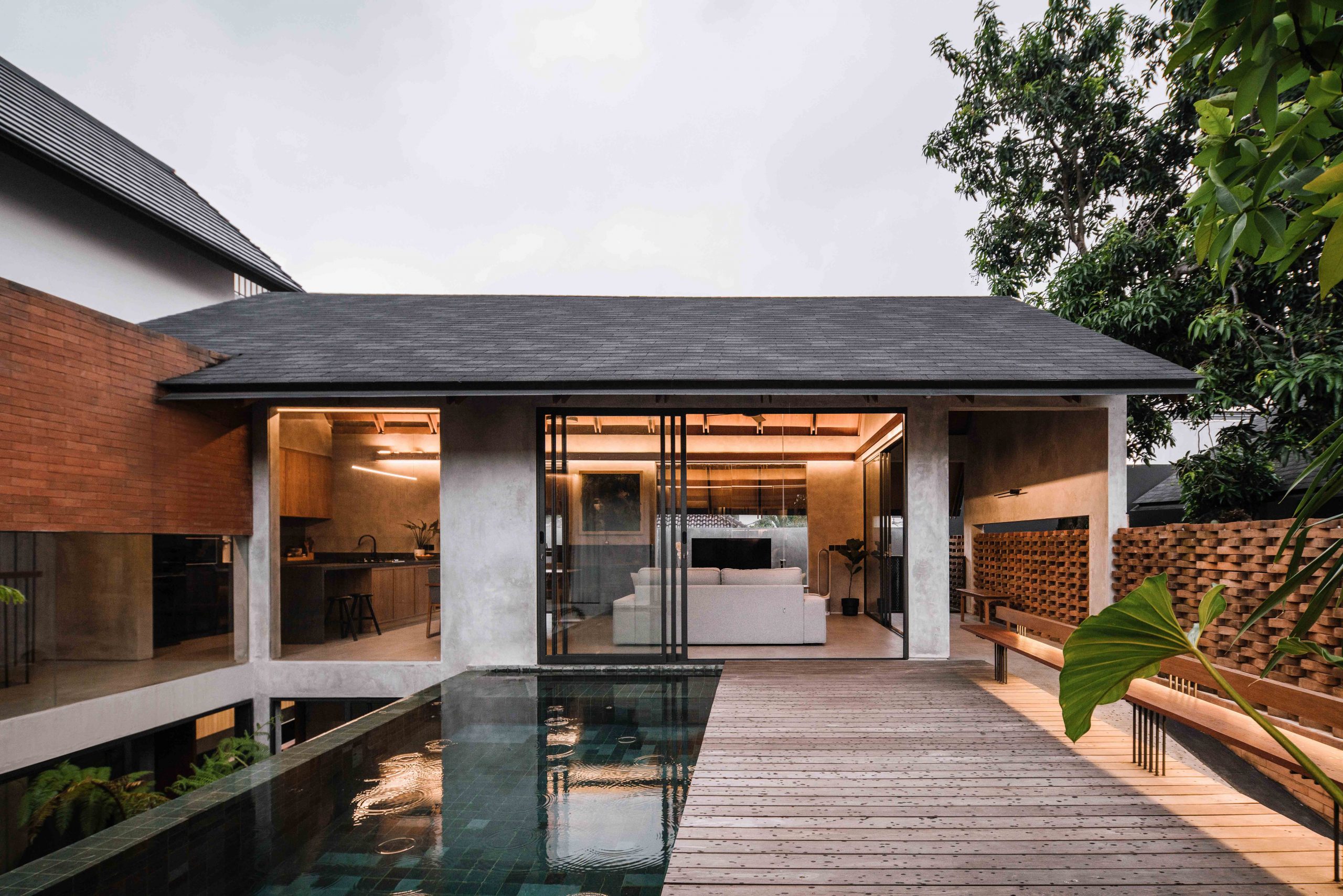
10 Simple Minimalist Decor Ideas to Transform Your Space
In a world filled with constant noise and clutter, minimalist decor offers a refreshing escape. It’s not about stripping your space of personality but rather about curating what truly matters. Minimalist design emphasizes clean lines, intentional pieces, and a sense of calm. Whether you’re looking to refresh a single room or overhaul your entire home, these simple minimalist decor ideas will help you create a space that feels open, intentional, and serene.
1. Declutter First: The Foundation of Minimalism
Before introducing new decor, start by removing what you don’t need. Minimalism begins with a blank canvas, so clear out unnecessary items, donate what you no longer use, and keep only what serves a purpose or brings joy. This step is crucial—it sets the tone for a cleaner, more organized space. Use the “one in, one out” rule to maintain balance as you decorate.
2. Choose a Neutral Color Palette
A minimalist space relies on a restrained color scheme, typically dominated by neutral tones like whites, beiges, grays, and soft blacks. These colors create a calming backdrop that allows furniture and decor to stand out. If you crave a bit of warmth, incorporate earthy tones like terracotta or muted greens. Avoid bold patterns or overly bright colors, as they can disrupt the minimalist aesthetic.
3. Invest in Multi-Functional Furniture
Minimalist spaces thrive on functionality without sacrificing style. Look for furniture pieces that serve multiple purposes, such as a storage ottoman, a sleek sofa bed, or a dining table with built-in shelving. These items help reduce clutter while maximizing usability. Opt for furniture with clean lines and minimal ornamentation to maintain the minimalist vibe.
4. Keep Surfaces Clear and Clean
Cluttered countertops, tables, and shelves disrupt the minimalist aesthetic. Aim to keep surfaces as clear as possible, with only a few carefully chosen items on display. For example, a single vase with fresh flowers or a minimalist tray holding a few essentials can add visual interest without overwhelming the space. Storage solutions like hidden cabinets or drawers can help conceal items you use daily.
5. Incorporate Natural Elements
Bringing the outdoors in is a hallmark of minimalist design. Natural materials like wood, stone, and linen add warmth and texture to a space while maintaining simplicity. Consider a wooden dining table, a jute rug, or a stone coffee table. Plants are another great way to introduce nature—choose low-maintenance options like snake plants or ZZ plants to add life without clutter.
Here are a few minimalist-friendly natural elements to consider:
- A single large plant in a simple pot
- Wooden cutting boards displayed on open shelving
- Linen or cotton throw pillows for a cozy yet clean look
- Marble or concrete accents for a touch of elegance
6. Use Lighting to Create Ambiance
Lighting plays a pivotal role in minimalist design, as it can transform the mood of a room. Opt for fixtures with clean, simple designs—think pendant lights, floor lamps with slender silhouettes, or recessed lighting. Avoid ornate or overly decorative pieces. Natural light is equally important, so use sheer curtains or blinds that allow sunlight to filter in while maintaining privacy.
7. Limit Decorative Accents
In a minimalist space, less is more when it comes to decor. Instead of filling shelves with knick-knacks, choose a few meaningful pieces that align with your aesthetic. A single piece of art, a stack of books, or a minimalist sculpture can make a statement without overwhelming the room. Rotate decor seasonally to keep the space feeling fresh and intentional.
Here are some minimalist decor ideas for your walls and shelves:
- A single large piece of artwork in a simple frame
- Floating shelves with a curated selection of books and objects
- A minimalist mirror to reflect light and create the illusion of space
- Geometric wall hangings or macramé pieces with clean lines
8. Opt for Built-In Storage Solutions
Built-in storage helps maintain a clutter-free environment by keeping items out of sight. Consider built-in bookshelves, under-stair storage, or concealed cabinets in the kitchen or bathroom. If built-ins aren’t an option, invest in furniture with hidden storage, such as beds with drawers or coffee tables with lift-up tops. The key is to keep storage solutions seamless and unobtrusive.
9. Focus on Quality Over Quantity
Minimalism is about intentionality, and that extends to your purchases. Instead of buying cheap, disposable decor, invest in high-quality pieces that will stand the test of time. A well-crafted sofa, a durable dining table, or a timeless rug may cost more upfront but will pay off in the long run. Quality items not only look better but also reduce the need for frequent replacements, aligning with the minimalist ethos.
10. Embrace Negative Space
Negative space—the empty areas around and between objects—is a fundamental principle of minimalist design. It allows the eye to rest and appreciates the items you’ve chosen to display. Avoid overcrowding shelves or tables; instead, leave breathing room between pieces. This approach creates a sense of openness and tranquility, making your space feel more inviting and less chaotic.
Final Thoughts: Less Really Is More
Transforming your space with minimalist decor doesn’t require a complete overhaul or a large budget. By focusing on intentionality, simplicity, and functionality, you can create a home that feels both stylish and serene. Start small—perhaps with a single room or even just a corner—and build from there. The goal isn’t perfection but rather a space that reflects your values and brings you peace. As you embrace minimalism, you’ll likely find that less really is more.
About the Author