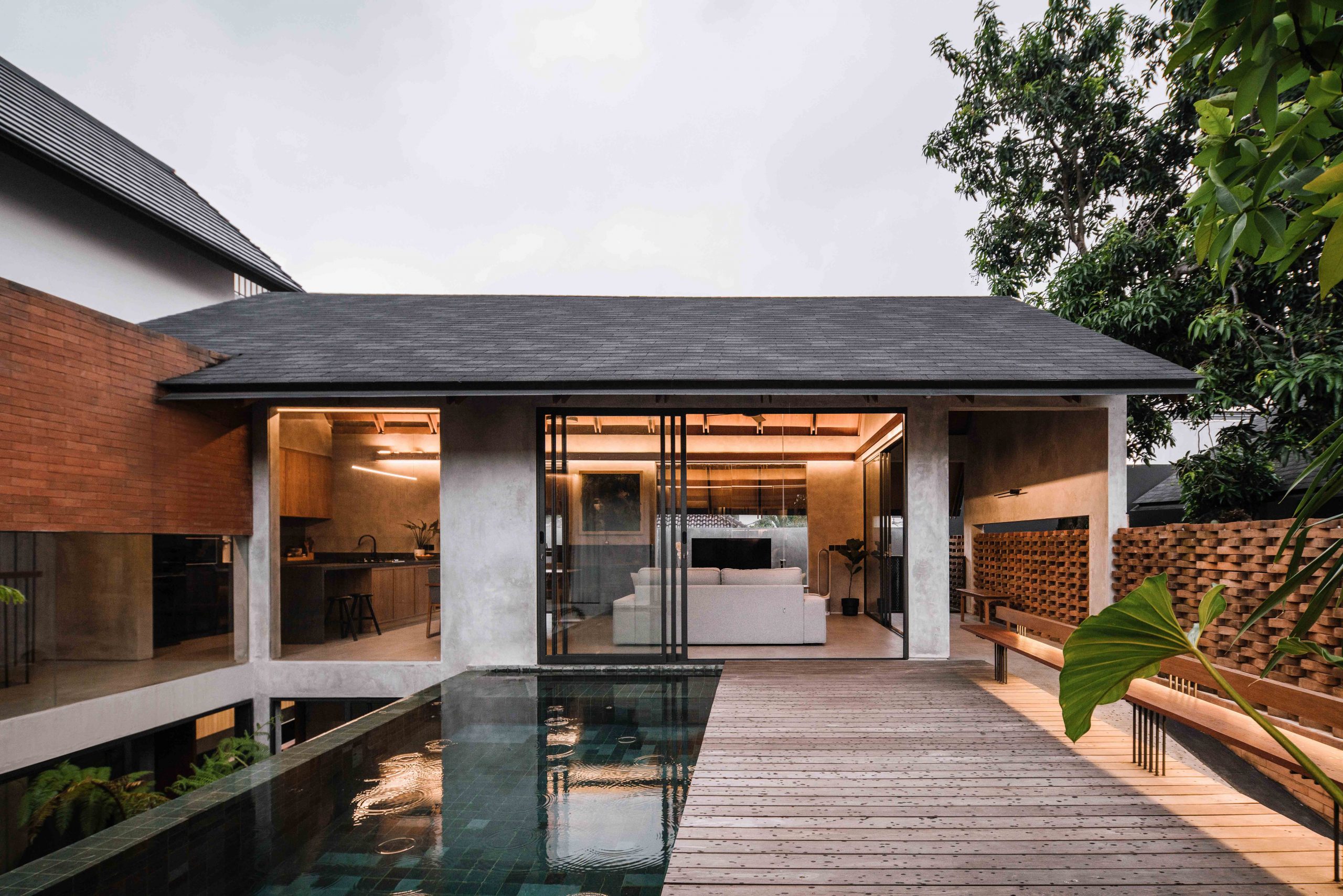
Industrial Dreams: Where Raw Meets Refined
The industrial aesthetic is more than just a design trend—it’s a celebration of raw materials, unpolished textures, and the unapologetic beauty of function. It’s a style that transforms the utilitarian into the extraordinary, where exposed beams, weathered metal, and concrete floors tell a story of purpose and authenticity. Whether in architecture, fashion, or interior design, the industrial aesthetic thrives on the marriage of rawness and refinement, creating spaces and products that are both rugged and elegant. This fusion of the unfinished and the sophisticated has captivated creatives and homeowners alike, offering a visual and tactile experience that feels grounded yet aspirational.
The Roots of Industrial Aesthetics
The Birth of an Industrial Revolution
The industrial aesthetic traces its origins to the late 18th and early 19th centuries, when the Industrial Revolution reshaped economies and landscapes. Factories, warehouses, and mills became symbols of progress, characterized by their large windows, exposed brick, and sturdy ironwork. As these structures aged, their weathered facades and structural imperfections began to evoke a sense of history and character. By the mid-20th century, artists and designers started repurposing these spaces, giving birth to the industrial style as we know it today. The loft apartments of New York City in the 1960s and 70s, where artists converted abandoned factories and warehouses into living and working spaces, became the epicenter of this movement.
From Utility to Aesthetic
Industrial design principles prioritize function over ornamentation. Materials like steel, iron, concrete, and reclaimed wood are celebrated for their durability and inherent beauty. The style embraces imperfections—scratches on metal, cracks in concrete, and the patina of aged wood—seeing them as proof of a material’s journey rather than flaws. This philosophy aligns with the modern appreciation for sustainability, as repurposed and recycled materials reduce waste and honor the past. The industrial aesthetic isn’t just about looking rugged; it’s about embodying a mindset that values resourcefulness and authenticity.
Industrial Design in Contemporary Spaces
Architecture: The Raw and the Refined
In modern architecture, the industrial aesthetic manifests through open floor plans, high ceilings, and large, unadorned windows that flood interiors with natural light. Exposed ductwork, concrete pillars, and polished concrete floors are not hidden but highlighted, creating a sense of transparency and honesty in design. One striking example is the conversion of old industrial buildings into luxury residences, where original brick walls and steel beams are preserved alongside contemporary furnishings. This juxtaposition of old and new creates dynamic spaces that feel both timeless and cutting-edge.
Another trend in industrial architecture is the use of modular and prefabricated elements. Shipping containers, for instance, have been transformed into stylish homes, offices, and even hotels. These structures retain their industrial character—corrugated metal exteriors, bold lines, and a no-frills approach to construction—while being adapted for modern living. The result is a sleek yet rugged aesthetic that speaks to efficiency and innovation.
Interior Design: Embracing the Unfinished
When it comes to interior design, the industrial aesthetic is all about layering textures and materials to create depth and interest. Think of a living room with a distressed leather sofa paired with a metal coffee table, a concrete side table, and Edison bulb lighting. The color palette is typically neutral, with shades of grey, black, brown, and muted blues or greens, which enhance the raw, organic feel of the space. Furniture often features clean lines and simple silhouettes, allowing the materials themselves to take center stage.
Lighting plays a crucial role in industrial interiors. Pendant lights with exposed bulbs, cage-style fixtures, and fixtures made from repurposed industrial components add warmth and character. Meanwhile, rugs with geometric patterns or vintage-inspired designs can soften the starkness of the raw materials, balancing the overall look. The key is to create a space that feels lived-in and authentic, where every element has a purpose and a story.
Industrial Fashion: Rugged Meets Runway
The Rise of Workwear in High Fashion
Industrial aesthetics have also made a significant impact on fashion, particularly in the rise of workwear-inspired designs. Brands like Carhartt, Dickies, and Red Wing have long catered to laborers and tradespeople, producing durable, functional clothing that stands the test of time. In recent years, these brands have gained a cult following among fashion enthusiasts, who appreciate their utilitarian charm and rugged appeal. High-end designers have also embraced this trend, incorporating workwear elements like heavy-duty fabrics, riveted details, and utilitarian pockets into their collections.
Key Elements of Industrial Fashion
The industrial fashion movement is defined by several key elements:
- Durable Fabrics: Heavy-duty materials like canvas, denim, leather, and wool are staples. These fabrics are not only tough but also develop a desirable patina over time.
- Functional Details: Pockets, straps, buckles, and D-rings are common, emphasizing the practical origins of the garments. These details also add a tactile quality that enhances the industrial aesthetic.
- Neutral Color Palettes: Earthy tones like khaki, olive, brown, black, and grey dominate the industrial fashion scene, reflecting the raw materials used in construction and manufacturing.
- Layering: Industrial fashion thrives on layering, whether it’s a flannel shirt over a thermal base layer or a chore coat over a sweater. Layering not only adds visual depth but also provides versatility for different weather conditions.
- Vintage and Upcycled Pieces: The industrial aesthetic often incorporates vintage or second-hand items, giving them new life. This aligns with the movement’s emphasis on sustainability and resourcefulness.
Sustainability and the Industrial Wardrobe
One of the most compelling aspects of industrial fashion is its alignment with sustainability. By focusing on durable, high-quality materials and timeless designs, the industrial wardrobe reduces the need for fast fashion and disposable clothing. Brands that prioritize ethical production and transparent supply chains further enhance the appeal of this aesthetic. For consumers, investing in industrial-style pieces means building a wardrobe that is both stylish and responsible, where every item is made to last.
The Industrial Aesthetic Beyond Design
Art and Photography: Capturing the Industrial Sublime
The industrial aesthetic extends beyond physical spaces and clothing; it also influences art and photography. Artists like Edward Burtynsky and photographers such as Bernd and Hilla Becher have dedicated their careers to documenting industrial landscapes, from abandoned factories to sprawling refineries. Their work captures the beauty in decay, the symmetry in machinery, and the grandeur of human-made structures. These images evoke a sense of nostalgia and wonder, highlighting the often-overlooked artistry in industrial environments.
Music and Culture: The Sound of Industry
Industrial music, a genre that emerged in the 1970s, is another cultural manifestation of the industrial aesthetic. Known for its harsh, mechanical sounds and themes of alienation and dehumanization, the genre reflects the industrial landscape’s gritty, unfiltered reality. Bands like Nine Inch Nails, Kraftwerk, and Throbbing Gristle embody this ethos, using synthesizers, distorted guitars, and industrial noises to create a sound that feels both futuristic and timeless. Beyond music, the industrial aesthetic permeates cyberpunk culture, where dystopian themes and high-tech, low-life imagery create a visual and auditory experience that feels both raw and refined.
How to Incorporate Industrial Style Into Your Life
Start with Your Space
If you’re looking to bring the industrial aesthetic into your home, start with foundational elements like flooring and walls. Polished concrete floors, exposed brick walls, or even a single accent wall with textured plaster can set the tone. Furniture with metal frames, reclaimed wood tables, and leather upholstery will enhance the industrial vibe. Don’t shy away from mixing materials—pair a sleek glass table with a rusted metal chair, or combine a velvet sofa with a steel side table. The contrast will create visual interest and depth.
Lighting is another area where you can make a big impact. Look for fixtures with an industrial feel, such as cage pendants, pipe lighting, or vintage-style Edison bulbs. These pieces not only illuminate your space but also serve as statement pieces that define the aesthetic.
Dress the Part
Incorporating industrial style into your wardrobe can be as simple as investing in a few key pieces. Start with a durable denim jacket, a pair of well-worn work boots, or a sturdy canvas tote bag. Layering is key, so consider adding a flannel shirt, a wool sweater, or a chore coat to your rotation. Accessories like leather belts, metal watches, and wool beanies can also enhance the look. For a more polished take, opt for neutral colors and minimalist designs that keep the focus on the materials and construction.
When shopping for industrial-style clothing, prioritize quality and craftsmanship. Brands that specialize in workwear, heritage-inspired fashion, or sustainable clothing are great places to start. Thrift stores and vintage shops can also be treasure troves for unique, one-of-a-kind pieces that add character to your wardrobe.
Find Inspiration in Unexpected Places
The industrial aesthetic isn’t confined to any single medium. Look to abandoned buildings, old machinery, and even urban landscapes for inspiration. Take photographs of textures you love—peeling paint, rusted metal, or weathered wood—and use them as reference points for your next project. Visit flea markets, salvage yards, or industrial supply stores to find materials and objects that speak to you. The beauty of the industrial aesthetic lies in its versatility; it can be adapted to suit any space, style, or personality.
The Future of Industrial Aesthetics
Sustainability as the New Standard
As sustainability becomes an increasingly important consideration in design and fashion, the industrial aesthetic is poised to evolve in exciting ways. The emphasis on repurposed and recycled materials aligns perfectly with the growing demand for eco-friendly products. Designers are experimenting with innovative materials like recycled steel, reclaimed plastic, and bio-concrete, pushing the boundaries of what the industrial aesthetic can achieve. These advancements not only reduce environmental impact but also open up new creative possibilities.
Technology and the Industrial Aesthetic
Technology is also playing a significant role in shaping the future of industrial design. Smart home devices with minimalist, industrial-inspired designs are becoming more popular, blending functionality with sleek aesthetics. In fashion, wearable technology is being integrated into workwear and utilitarian clothing, creating garments that are both stylish and practical. As 3D printing and other advanced manufacturing techniques become more accessible, we can expect to see even more creative applications of industrial principles in everyday products.
The Enduring Appeal of Raw Beauty
Ultimately, the industrial aesthetic endures because it resonates with something fundamental in the human experience. It celebrates the beauty of imperfection, the resilience of raw materials, and the power of function. It reminds us that even in a world dominated by digital perfection, there is value in the tactile, the unpolished, and the real. Whether through architecture, fashion, or art, the industrial aesthetic continues to inspire us to see the extraordinary in the ordinary and to embrace the raw beauty of the world around us.
About the Author