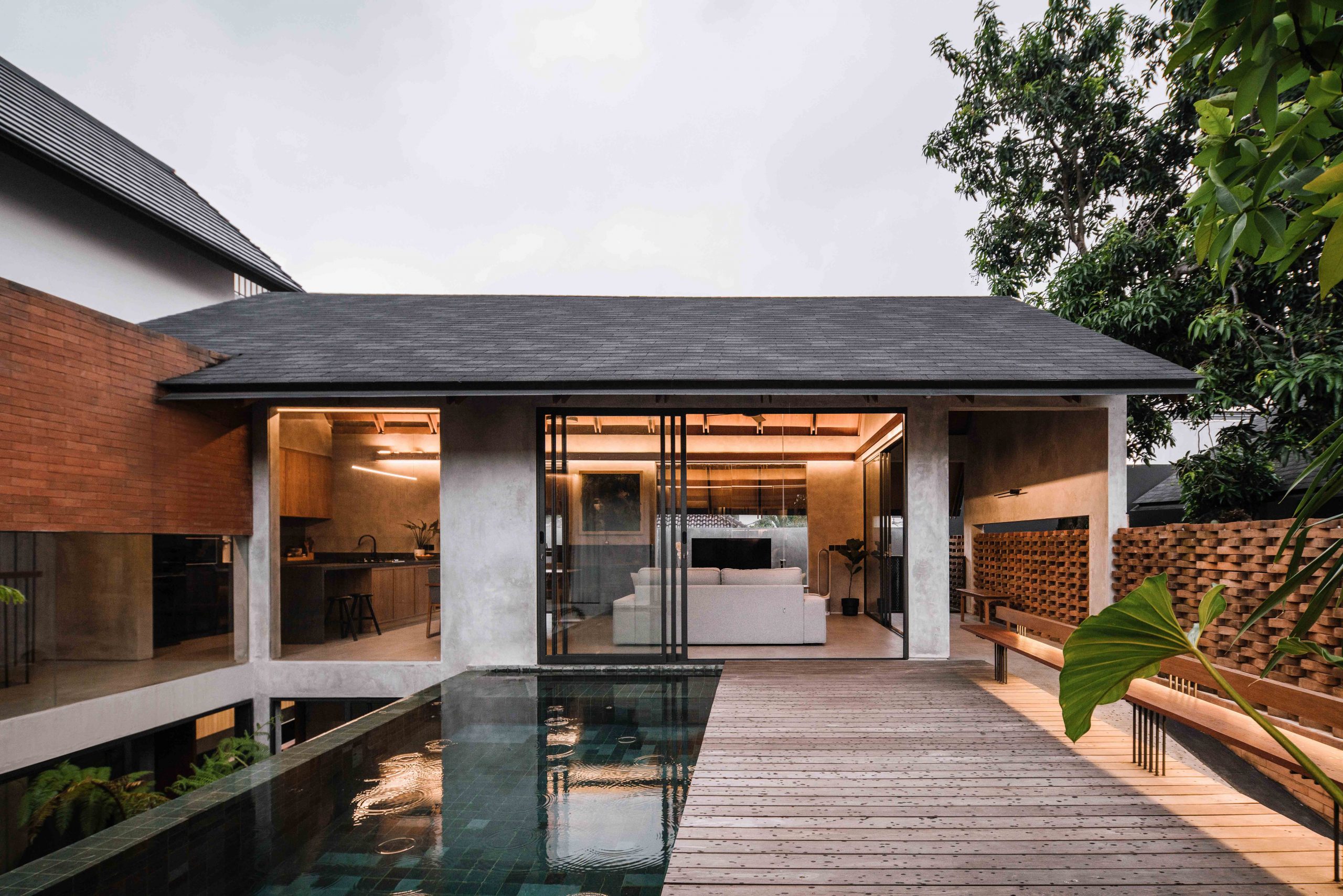
10 Ways to Master the Art of Minimalist Interior Design
Minimalist interior design is more than just an aesthetic choice—it’s a philosophy that emphasizes simplicity, functionality, and intentionality. Rooted in the idea that less is more, this design approach creates spaces that feel open, calm, and clutter-free. Whether you’re redesigning a small apartment or refining a large home, mastering minimalism can transform your living environment into a serene sanctuary. Below, we explore ten key strategies to help you achieve a clean, sophisticated, and purposeful minimalist space.
The Philosophy Behind Minimalism
Minimalist design originated in the early-to-mid 20th century, influenced by movements like Bauhaus and Japanese Zen. At its core, it rejects excess in favor of essentials, prioritizing quality over quantity. This mindset extends beyond furniture and decor—it’s about curating a life that values purpose and presence. By focusing on what truly matters, minimalist interiors cultivate a sense of clarity and tranquility, free from visual noise and unnecessary distractions.
Start with a Neutral Color Palette
The foundation of minimalist design lies in a carefully chosen color scheme. Neutral tones—such as whites, beiges, grays, and soft blacks—create a cohesive backdrop that enhances the sense of space and light. These colors also serve as a canvas for texture and subtle contrast, preventing the room from feeling flat or sterile. When selecting hues, opt for matte or low-sheen finishes to maintain a soft, understated elegance. Avoid bold or clashing colors, as they can disrupt the visual harmony that defines minimalist spaces.
Focus on Functionality and Purpose
Every piece of furniture and decor in a minimalist home should serve a clear purpose. This principle, often referred to as “form follows function,” ensures that your space remains uncluttered and efficient. Before purchasing an item, ask yourself: Is this necessary? Will it improve my daily life? Items should be multi-functional where possible—for example, a storage ottoman can double as seating and a place to hide blankets. By prioritizing utility, you eliminate excess and create a space that is both beautiful and practical.
Avoid Overcrowding with Thoughtful Placement
Even with a neutral palette and functional furniture, a room can feel cluttered if items are not carefully arranged. In minimalist design, negative space—empty areas between objects—is just as important as the objects themselves. Leave breathing room around furniture, and avoid placing too many items on surfaces like shelves or tables. Group decor in small, intentional clusters rather than scattering it randomly. This approach not only enhances visual flow but also invites a sense of calm and order into the space.
Invest in High-Quality, Timeless Furniture
Minimalist design favors longevity over trends. Instead of filling your home with inexpensive, disposable furniture, invest in well-crafted pieces that withstand the test of time. Look for clean lines, simple silhouettes, and natural materials like solid wood, leather, or metal. Furniture with hidden storage—such as platform beds with drawers or sleek media consoles—helps maintain a tidy appearance. While high-quality pieces may come with a higher price tag, their durability and timeless appeal make them a worthwhile investment for any minimalist space.
Embrace Natural Light and Open Spaces
Natural light is a cornerstone of minimalist interior design. Large windows, sheer curtains, and unobstructed sightlines allow light to flood the room, creating an airy and inviting atmosphere. If privacy is a concern, opt for translucent materials like linen or frosted glass instead of heavy drapes. To maximize openness, keep floor plans uncluttered and avoid dividing spaces with unnecessary walls or barriers. In smaller rooms, use mirrors strategically to reflect light and give the illusion of more space. The result is a bright, energizing environment that feels both expansive and serene.
Choose Minimalist Art and Decor
Decor in a minimalist home should be intentional and sparse. Select art that resonates with you on a personal level but avoids overwhelming the space—think single large-scale pieces rather than walls covered in small prints. Similarly, decor items like vases, candles, or books should be kept to a minimum and displayed thoughtfully. When choosing patterns or textures, opt for subtle variations, such as a textured throw blanket or a geometric rug with understated tones. The goal is to create visual interest without sacrificing the clean lines and simplicity that define minimalism.
Keep Surfaces Clear and Organized
Clutter is the enemy of minimalist design. Countertops, tables, and shelves should remain clear of unnecessary items, with only a few carefully selected objects allowed to occupy the space. Use hidden storage solutions—such as cabinets, baskets, or built-in shelving—to tuck away everyday essentials like remotes, chargers, or mail. In the kitchen, keep appliances minimal and store utensils in drawers rather than in containers on the counter. A clean surface not only enhances the minimalist aesthetic but also makes it easier to maintain a tidy home.
Incorporate Textural Contrast
While minimalism often relies on a neutral color palette, texture plays a crucial role in adding depth and warmth to the space. Incorporate materials like wool, linen, stone, or wood to create subtle layers of contrast. For example, pair a smooth concrete coffee table with a chunky knit throw, or layer a sleek leather sofa with a linen cushion. These textures add visual interest without disrupting the clean, uncluttered look. The key is to balance these elements so they complement rather than compete with the overall design.
Edit Ruthlessly and Regularly
Minimalism is not a one-time project—it’s an ongoing practice of editing and refining. Regularly assess your belongings and ask whether each item still serves a purpose or brings you joy. Donate, recycle, or sell things that no longer fit your lifestyle or aesthetic. This process of decluttering extends beyond physical objects; it also applies to digital spaces, such as organizing files on your computer or unsubscribing from unnecessary emails. By consistently curating your environment, you ensure that your home remains a true reflection of your values and a peaceful retreat from the outside world.
Conclusion: Designing a Mindful Home
Mastering the art of minimalist interior design is about more than just aesthetics—it’s about creating a home that nurtures your well-being and aligns with your values. By embracing simplicity, functionality, and intentionality, you can transform your space into a sanctuary of calm and clarity. Start with a neutral palette, prioritize quality over quantity, and regularly edit your belongings to maintain a clutter-free environment. With these ten strategies, you’ll cultivate a minimalist home that is not only beautiful but also deeply meaningful.
About the Author