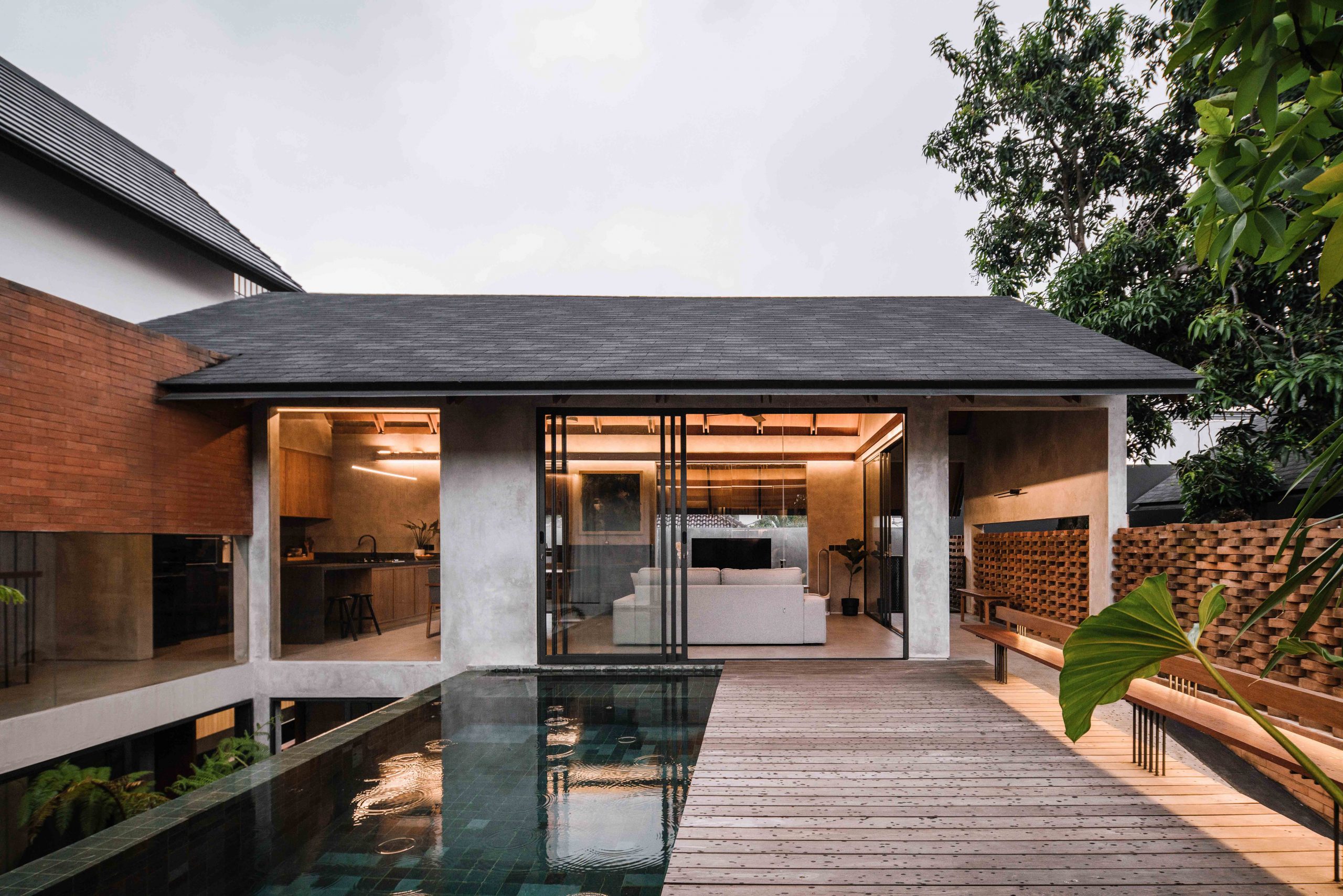
The Aesthetic Evolution of Modern Industrial Design: Where Function Meets Beauty
Industrial design has undergone a remarkable transformation over the past century, shifting from purely functional objects to pieces that celebrate both utility and artistry. What was once driven by efficiency and mass production has evolved into a discipline where aesthetics play a pivotal role. This evolution reflects broader cultural shifts, technological advancements, and a growing appreciation for the interplay between form and function. Today, modern industrial design is not just about creating products that work—it’s about shaping experiences, evoking emotions, and redefining how we interact with the built environment.
From Utility to Art: The Roots of Industrial Design
The origins of industrial design can be traced back to the Industrial Revolution, a period that prioritized functionality and standardization. Early 20th-century designers like Raymond Loewy and Walter Gropius championed the idea that objects should be both practical and visually appealing. Loewy’s iconic designs, such as the 1940s streamlined locomotives and the Coca-Cola bottle, exemplified how industrial products could transcend their utilitarian origins to become cultural symbols. Meanwhile, the Bauhaus movement, with its mantra of “form follows function,” laid the groundwork for a more holistic approach to design, blending craftsmanship with industrial processes.
By the mid-20th century, industrial design had matured into a distinct profession, with designers collaborating closely with engineers, manufacturers, and marketers. The post-war era saw a surge in consumerism, driving demand for products that were not only efficient but also stylish. This period gave rise to iconic designs such as the Eames Lounge Chair, which combined ergonomic comfort with timeless elegance. These early examples set the stage for the aesthetic evolution of industrial design, proving that function and beauty were not mutually exclusive but complementary forces.
The Digital Revolution: Redefining Aesthetics in the 21st Century
The advent of digital technology has revolutionized industrial design, introducing new tools, materials, and possibilities. Computer-aided design (CAD) and 3D printing have democratized the creative process, allowing designers to experiment with complex geometries and bespoke forms that were once impossible to produce. This technological leap has also accelerated the shift toward customization, enabling consumers to personalize products to an unprecedented degree. Brands like Apple and Dyson have leveraged digital innovation to create products that are not only highly functional but also visually striking, often blurring the line between technology and art.
Moreover, the digital age has fostered a culture of sustainability and ethical design. As awareness of environmental and social responsibility grows, industrial designers are increasingly prioritizing eco-friendly materials, energy efficiency, and modularity. The aesthetic evolution of modern industrial design now includes a strong emphasis on circularity—designing products that can be easily disassembled, recycled, or repurposed. This shift reflects a broader cultural movement toward mindfulness and responsibility, where beauty is no longer just skin-deep but is deeply intertwined with the lifecycle of an object.
The Role of Minimalism and Maximalism in Contemporary Design
Contemporary industrial design is a tapestry of contrasting philosophies, with minimalism and maximalism both playing influential roles. Minimalism, characterized by clean lines, neutral palettes, and uncluttered forms, continues to dominate, particularly in tech and furniture design. Brands like Muji and Apple exemplify this approach, creating products that are sleek, intuitive, and devoid of unnecessary ornamentation. The minimalist aesthetic aligns with modern sensibilities, emphasizing clarity, efficiency, and a sense of calm in an increasingly chaotic world.
On the other end of the spectrum, maximalism has seen a resurgence, celebrating bold colors, intricate patterns, and eclectic forms. Designers like Karim Rashid and Patricia Urquiola have embraced this style, infusing industrial products with personality and playfulness. Maximalist design often draws inspiration from nature, urban culture, and global traditions, resulting in objects that are vibrant, expressive, and deeply individual. The coexistence of these two philosophies highlights the diversity of contemporary industrial design, where there is no single “correct” aesthetic—only a spectrum of choices that reflect the values and preferences of both designers and consumers.
The Human Touch: Ergonomics and Emotional Design
As industrial design has evolved, so too has its focus on the human experience. Ergonomics, once an afterthought, is now a cornerstone of the discipline, with designers prioritizing comfort, usability, and accessibility. This shift is evident in products like Herman Miller’s Aeron Chair or the Xbox adaptive controller, both of which were designed with diverse user needs in mind. By integrating human-centric principles, industrial designers are creating products that not only perform well but also enhance the quality of life for their users.
Beyond ergonomics, emotional design has emerged as a key consideration. Coined by Don Norman, emotional design refers to the practice of creating products that evoke specific feelings—whether joy, nostalgia, or tranquility. This approach is particularly evident in the automotive industry, where brands like Tesla and Polestar use sleek, futuristic aesthetics to convey innovation and sophistication. Similarly, home appliances like the Dyson Supersonic Hair Dryer are designed to appeal to the senses, combining sleek visuals with tactile satisfaction. By understanding the emotional resonance of design, industrial designers can forge deeper connections between people and the objects they use daily.
Sustainability as a New Standard: The Future of Industrial Design
The future of industrial design is inextricably linked to sustainability. As climate change and resource depletion become increasingly urgent concerns, designers are reimagining the lifecycle of products to minimize environmental impact. This includes the use of biodegradable materials, such as mycelium-based packaging or recycled plastics, as well as the adoption of circular design principles, where products are designed to be easily repaired, upgraded, or recycled. Brands like Patagonia and IKEA are leading the charge, proving that sustainability and aesthetics can coexist harmoniously.
Another trend shaping the future of industrial design is the integration of smart technology. IoT-enabled products, from smart thermostats to connected kitchen appliances, are transforming how we interact with our environments. Designers are tasked with creating intuitive interfaces and seamless user experiences that blend physical and digital realms. For example, the Nest Learning Thermostat’s minimalist design and self-learning capabilities exemplify how technology can enhance both functionality and aesthetics. As smart devices become ubiquitous, industrial designers will play a crucial role in ensuring that these products are not only efficient but also visually cohesive and user-friendly.
Case Studies: Designs That Redefine Function and Form
- Apple Watch Series 8: A masterclass in minimalist design, the Apple Watch combines a sleek, monolithic form with advanced health-tracking features. Its seamless integration of hardware and software sets a new standard for wearable technology.
- Fjällräven Kånken Backpack: Originally designed in 1978 for Swedish schoolchildren, the Kånken has become a global icon. Its simple, durable design and vibrant colors reflect a commitment to both functionality and sustainability.
- Tesla Cybertruck: Love it or hate it, the Cybertruck’s angular, futuristic design challenges conventional notions of automotive aesthetics. Its stainless steel exoskeleton and minimalist interior push the boundaries of industrial design in the automotive sector.
- IKEA SINNERÄSET Storage System: This modular storage solution exemplifies democratic design—functional, affordable, and stylish. Its adaptable design allows users to customize their space, reflecting the growing demand for flexible, user-centered products.
- Dyson Airwrap: Combining cutting-edge technology with elegant design, the Airwrap reimagines the hairdryer as a multi-functional styling tool. Its sleek silhouette and intuitive controls make it a standout in the beauty tech space.
The Designer’s Dilemma: Balancing Innovation and Practicality
For industrial designers, the challenge lies in striking a balance between innovation and practicality. Pushing the boundaries of form and function requires creativity, but it must also align with the realities of manufacturing, cost, and user needs. This tension is evident in the rise of parametric design—a method that uses algorithms to generate complex, organic forms. While parametric design can produce stunningly intricate structures, such as Zaha Hadid’s architecture or the FluidForms collection, it also presents challenges in terms of scalability and production efficiency.
Another dilemma is the pressure to create “disruptive” designs that capture market attention. In an era of social media and viral trends, designers are often tasked with creating products that are not just functional but also Instagram-worthy. This can lead to a focus on novelty over usability, as seen in some of the more gimmicky smart home devices that prioritize aesthetics over practicality. The key for modern designers is to navigate this landscape thoughtfully, ensuring that innovation serves a genuine purpose rather than merely chasing fleeting trends.
Conclusion: The Ever-Evolving Canvas of Industrial Design
Industrial design is a dynamic field that continues to evolve in response to technological, cultural, and environmental shifts. From the streamlined elegance of early 20th-century designs to the sustainable, human-centric approaches of today, the discipline has proven its ability to adapt and innovate. The future of industrial design will likely be shaped by even greater integration of technology, a deeper commitment to sustainability, and an ever-expanding definition of what constitutes “good” design.
As consumers become more discerning and design-savvy, the role of the industrial designer will extend beyond mere product creation. Designers will need to be storytellers, environmental advocates, and cultural commentators, crafting objects that resonate on multiple levels. Whether through minimalist elegance, maximalist exuberance, or sustainable innovation, modern industrial design will continue to reimagine function, proving that the most enduring designs are those that enrich our lives in both practical and profound ways.
About the Author