Blending Worlds: Crafting Uniquely Eclectic Interiors with Unexpected Charm
In a world where design trends often lean toward minimalism or maximalism, the eclectic interior style stands as a bold testament to individuality and creativity. Eclectic design is not merely about mixing different styles—it’s about curating a space that reflects your personality, experiences, and passions. It’s a celebration of contrasts, where vintage meets modern, rustic harmonizes with industrial, and global influences intertwine seamlessly. The result? A home that feels uniquely yours, brimming with character and unexpected charm. Whether you’re drawn to the warmth of a bohemian tapestry draped over a sleek mid-century sofa or the unexpected pairing of a chandelier with a reclaimed wood dining table, eclectic interiors invite you to break free from convention and embrace the joy of the unconventional.
The Philosophy Behind Eclectic Design
At its core, eclectic design is rooted in the idea of selective harmony. Unlike traditional or contemporary styles that adhere to specific rules, eclecticism thrives on juxtaposition and balance. It’s about creating a cohesive narrative out of disparate elements, ensuring that each piece contributes to the overall story of the space. The key lies in understanding the principles of unity and rhythm. While the style encourages bold choices, it’s not a free-for-all. Thoughtful curation is essential—every item should have a purpose, whether functional, sentimental, or purely aesthetic. The goal is to create a space that feels intentional, not cluttered, and where every object has its place in the grand tapestry of the room.
Foundations of Eclectic Interiors
Building an eclectic interior starts with a strong foundation. Unlike other styles that dictate a specific color palette or material palette, eclecticism is far more flexible. However, there are a few guiding principles to ensure the space doesn’t veer into chaos.
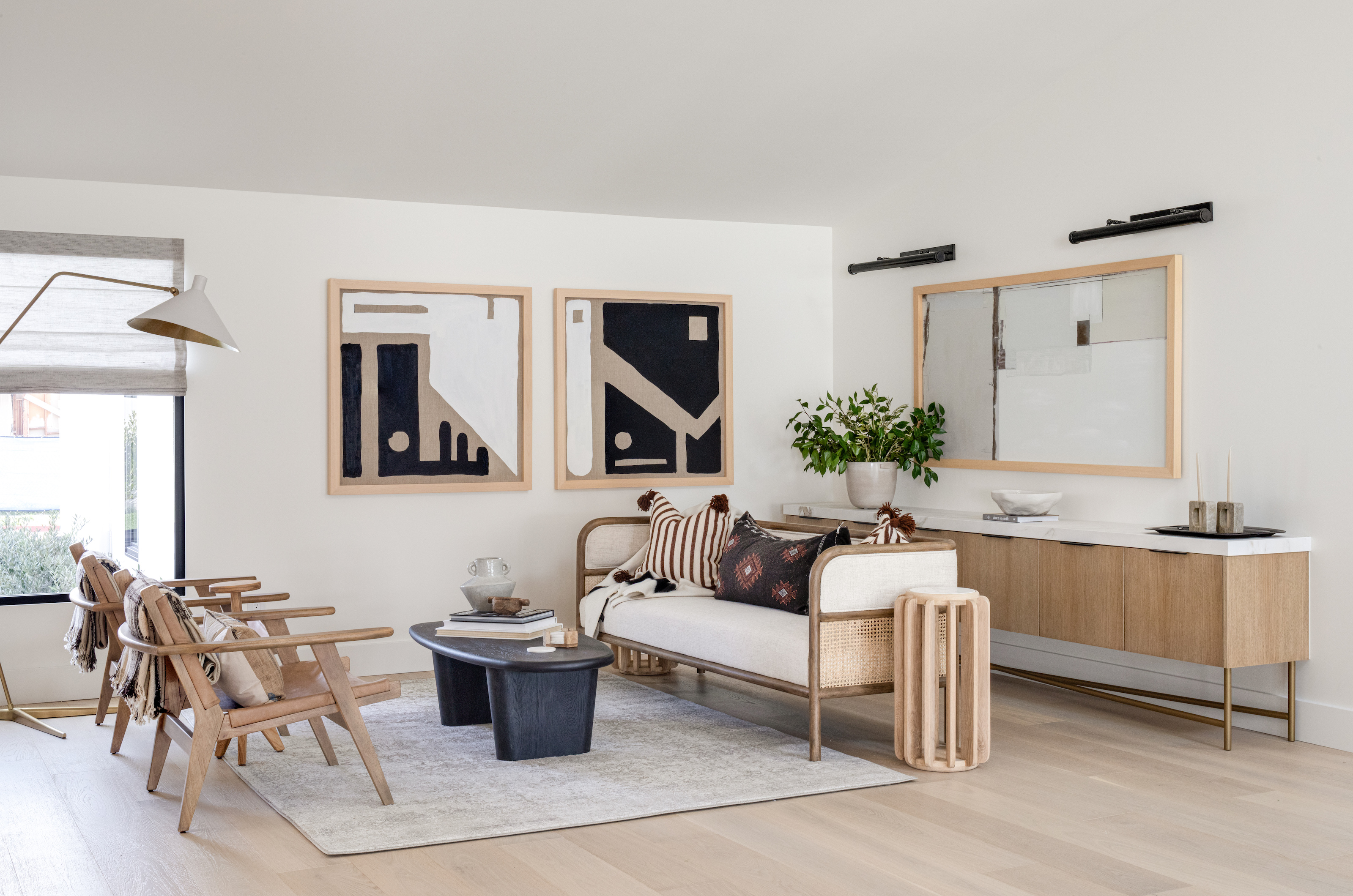
- A Neutral Base: Start with a neutral backdrop—think white walls, light wood floors, or a soft gray sofa—to anchor the space. This allows vibrant colors, patterns, and textures to shine without overwhelming the room.
- Layered Textures: Eclectic interiors thrive on texture. Mix materials like velvet, linen, rattan, metal, and glass to create depth and tactile interest. A plush Persian rug might sit alongside a sleek glass coffee table, while a woven basket adds organic warmth to the mix.
- A Cohesive Color Story: While eclectic spaces embrace a variety of hues, they often share a common thread. This could be a recurring color in small doses, a consistent undertone (like warm terracotta or cool sage), or a unifying theme (such as earthy tones or jewel tones).
- Balanced Proportions: Pay attention to scale. A large, oversized armchair can balance a cluster of small decorative objects, while a tall bookshelf can anchor a wall filled with eclectic artwork.
Mixing Styles with Confidence
The magic of eclectic design lies in its ability to blend seemingly incompatible styles into a harmonious whole. The trick is to find a unifying element that ties the disparate pieces together. Here’s how to make it work:
1. Start with a Dominant Style
Even in eclectic spaces, one style often takes the lead. This could be a mid-century modern sofa, a rustic farmhouse dining table, or a Scandinavian minimalist bed. Let this anchor piece guide your choices for the rest of the room.
2. Introduce Complementary Styles
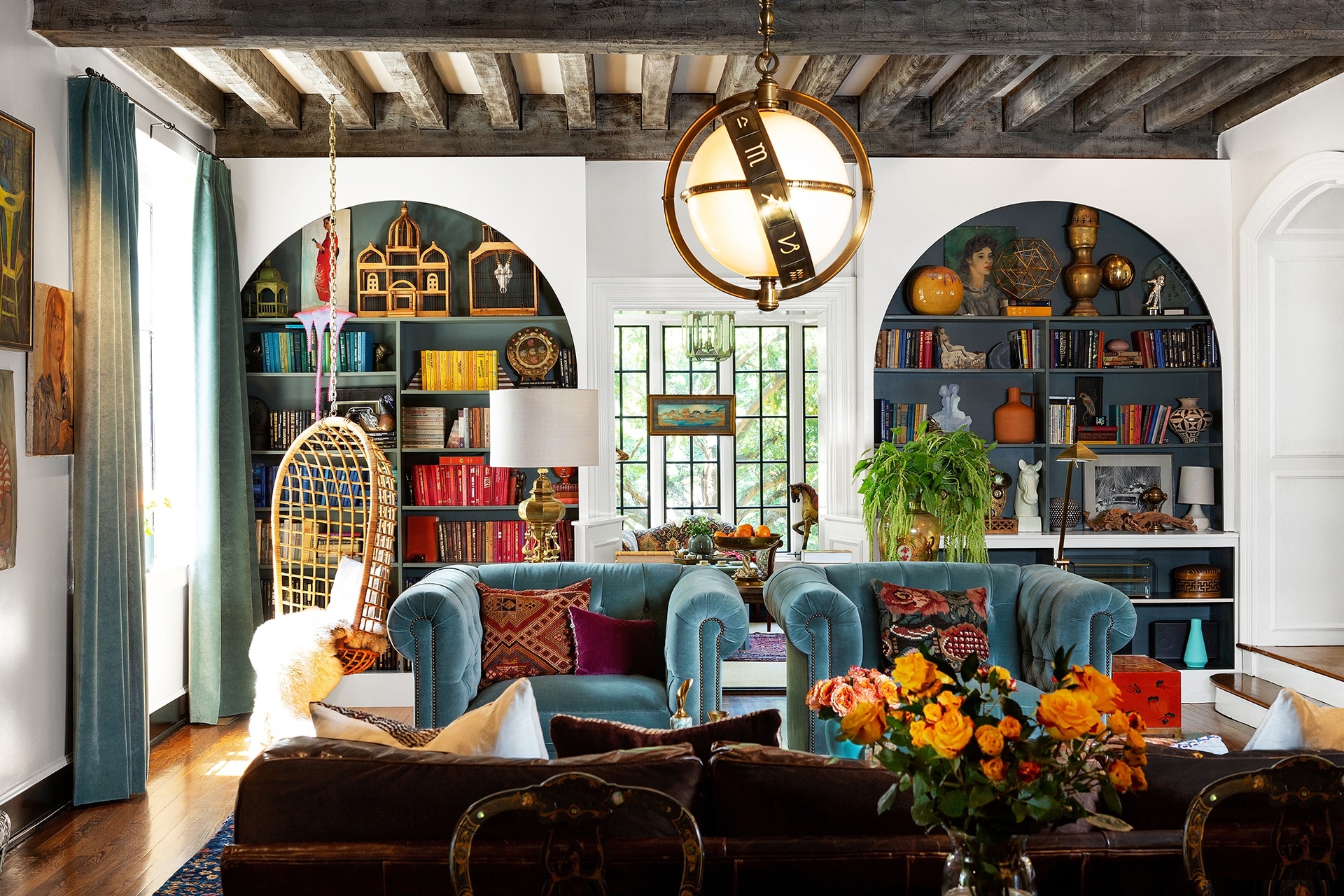
Once you have your anchor, layer in complementary styles. For example, if your anchor is a classic Chesterfield sofa, you might pair it with a contemporary abstract painting, a vintage Persian rug, and a modern acrylic side table. The contrast creates visual interest while the shared elements (like the sofa’s tufted details) tie the look together.
3. Play with Eras and Origins
Eclectic interiors often span decades and cultures. Don’t be afraid to mix a 1970s lava lamp with a Moroccan pouf or a Victorian mirror with a modernist chair. The key is to find connections—whether through color, material, or form. For instance, a globetrotter might blend African tribal art with Japanese shoji screens, while a lover of history might mix Art Deco with industrial elements.
4. Use Patterns as a Bridge
Patterns are a powerful tool in eclectic design. They can unite different styles by creating a visual rhythm. A bold geometric rug might tie together a bohemian macramé wall hanging, a mid-century modern sofa, and a collection of global textiles. The trick is to limit the number of patterns to avoid visual clutter, and to ensure they share a common color or motif.
The Role of Art and Personality
In an eclectic interior, art isn’t just decoration—it’s a reflection of your soul. Galleries walls become a canvas for self-expression, where vintage posters sit beside original paintings, and sculptures share space with family photographs. The more personal the art, the more meaningful the space becomes. Consider incorporating:
- Travel Souvenirs: A mask from Bali, a vintage postcard from Paris, or a piece of driftwood from a beach vacation can add layers of meaning.
- Heirlooms and Vintage Finds: Family heirlooms, thrifted treasures, or inherited furniture infuse the space with history and sentimental value.
- DIY and Handmade Pieces: Whether it’s a hand-painted vase, a woven wall hanging, or a custom mosaic table, handmade items add authenticity and charm.
- Global Artifacts: Incorporate pieces from different cultures, such as a Moroccan lantern, a Thai silk pillow, or a South African beadwork sculpture. These items tell a story and invite conversation.
Unexpected Pairings That Work
Some of the most memorable eclectic interiors thrive on unexpected combinations. Here are a few pairings that never fail to impress:
- Glam and Grunge: A crystal chandelier dripping over a distressed leather sofa creates a striking contrast between luxury and edge.
- Modern and Vintage: A sleek, white kitchen island paired with antique bar stools blends contemporary functionality with nostalgic charm.
- Organic and Industrial: A reclaimed wood dining table surrounded by metal-framed chairs marries natural warmth with urban edge.
- Bohemian and Minimalist: A single, oversized floor cushion in a neutral palette contrasts beautifully with a pared-back, white-on-white living room.
- Rustic and High-Tech: A farmhouse coffee table holding a state-of-the-art smart speaker and a minimalist floor lamp creates a juxtaposition of old and new.
Lighting: The Unsung Hero of Eclectic Design
Lighting is the secret weapon of eclectic interiors. It sets the mood, highlights key pieces, and adds another layer of personality. Mix and match lighting styles to enhance the eclectic vibe:
- Statement Fixtures: A bold chandelier, a sculptural floor lamp, or a vintage pendant light can serve as a focal point in the room.
- Layered Lighting: Combine ambient lighting (like a central chandelier) with task lighting (a desk lamp or under-cabinet lights) and accent lighting (like LED strips or a spotlight on a piece of art).
- Unconventional Sources: Use unexpected lighting elements, such as neon signs, string lights, or even candles in mismatched holders, to add warmth and whimsy.
- Global Influences: Incorporate lighting fixtures from different cultures, like a Moroccan brass lantern, a Japanese paper pendant, or a stained-glass Tiffany-style lamp.
Common Pitfalls and How to Avoid Them
While eclectic design offers endless possibilities, it’s easy to veer into territory that feels chaotic rather than curated. Here are a few common mistakes and how to steer clear of them:
- Overcrowding: Just because you can mix doesn’t mean you should. Too many objects can make a space feel cluttered rather than curated. Stick to a few standout pieces per area and keep surfaces relatively clear.
- Ignoring Scale: Large furniture in a small room or tiny decor in a vast space can throw off the balance. Always consider the proportions of your room and furniture.
- Neglecting Negative Space: Eclectic spaces need breathing room. Leave some walls or tabletops bare to let the eye rest and appreciate the details.
- Forgetting Functionality: While aesthetics are important, your space should also serve your needs. Ensure that mixed styles don’t compromise comfort or usability.
- Lack of Cohesion: Even in eclecticism, there should be a thread that ties the room together. This could be a recurring color, material, or theme. Without it, the space can feel disjointed.
Eclectic Interiors Around the World
To draw inspiration, look to designers and homeowners who have mastered the art of eclectic design. Some iconic examples include:
- Parisian Chic: A Parisian apartment might blend a Louis XVI armchair with a contemporary abstract painting, a vintage Persian rug, and a modern glass coffee table. The key is the balance between opulence and simplicity.
- New York Loft Style: In a converted industrial loft, a steel beam might coexist with a velvet chaise lounge, a vintage jukebox, and a collection of modern art. The contrast between raw and refined creates a dynamic space.
- Boho Traveler’s Haven: A home filled with souvenirs from around the world—Moroccan lanterns, Indian block prints, African masks—creates a global eclectic vibe. Layered textiles, earthy tones, and plenty of plants enhance the bohemian feel.
- Scandinavian Eclectic: Even in minimalist Scandinavian design, eclecticism can shine. A white-on-white room might feature a single bold piece, like a mustard-yellow armchair or a black-and-white geometric rug, to add a touch of personality.
Tips for Beginners: How to Start Your Eclectic Journey
If eclectic design feels overwhelming, start small. Here’s a step-by-step guide to help you ease into the style:
- Choose a Starting Point: Pick one room or even one corner to experiment with. This could be a gallery wall, a bookshelf, or a single accent wall.
- Stick to a Limited Palette: Choose 2-3 base colors and 1-2 accent colors to keep the space cohesive. This doesn’t mean everything has to match—just that the hues should complement each other.
- Thrift and Collect: Visit flea markets, antique shops, and thrift stores with an open mind. Look for pieces that speak to you, even if they don’t fit a specific style. Over time, you’ll curate a collection that tells your story.
- Experiment with Arrangements: Don’t be afraid to move furniture and decor around until you find a layout that feels balanced. Eclectic spaces often evolve over time, so give yourself permission to play.
- Edit Ruthlessly: If a piece no longer resonates with you or disrupts the harmony of the space, let it go. Eclectic design is about intentionality, not accumulation.
The Future of Eclectic Design
As the world becomes more connected and individualistic, eclectic design continues to gain popularity. People are moving away from cookie-cutter spaces and embracing interiors that reflect their unique journeys. The rise of global travel, online marketplaces, and social media platforms like Pinterest and Instagram has made it easier than ever to source eclectic pieces from around the world. Additionally, the blending of styles mirrors the increasingly diverse and hybrid nature of modern life. Whether it’s through sustainable design, a mix of vintage and contemporary, or the fusion of cultural influences, eclectic interiors are here to stay.
In a world that often feels divided, eclectic design reminds us of the beauty in diversity. It encourages us to celebrate differences, mix traditions, and create spaces that are as unique as we are. So go ahead—blend your worlds, break the rules, and craft a home that’s unmistakably yours.
About the Author