Achieving a sense of tranquility and connection to the environment is central to natural harmony concepts, where Bohemian interior design intertwines organic materials, earthy tones, and artisanal craftsmanship to create spaces that feel simultaneously grounded and free-spirited. This approach prioritizes balance, using nature as both inspiration and material, weaving wood, stone, textiles, and greenery into a cohesive aesthetic that promotes serenity and visual flow. Every element, from furniture to décor, contributes to an overarching atmosphere of calm and effortless elegance.
Earthy Color Palettes and Tactile Warmth
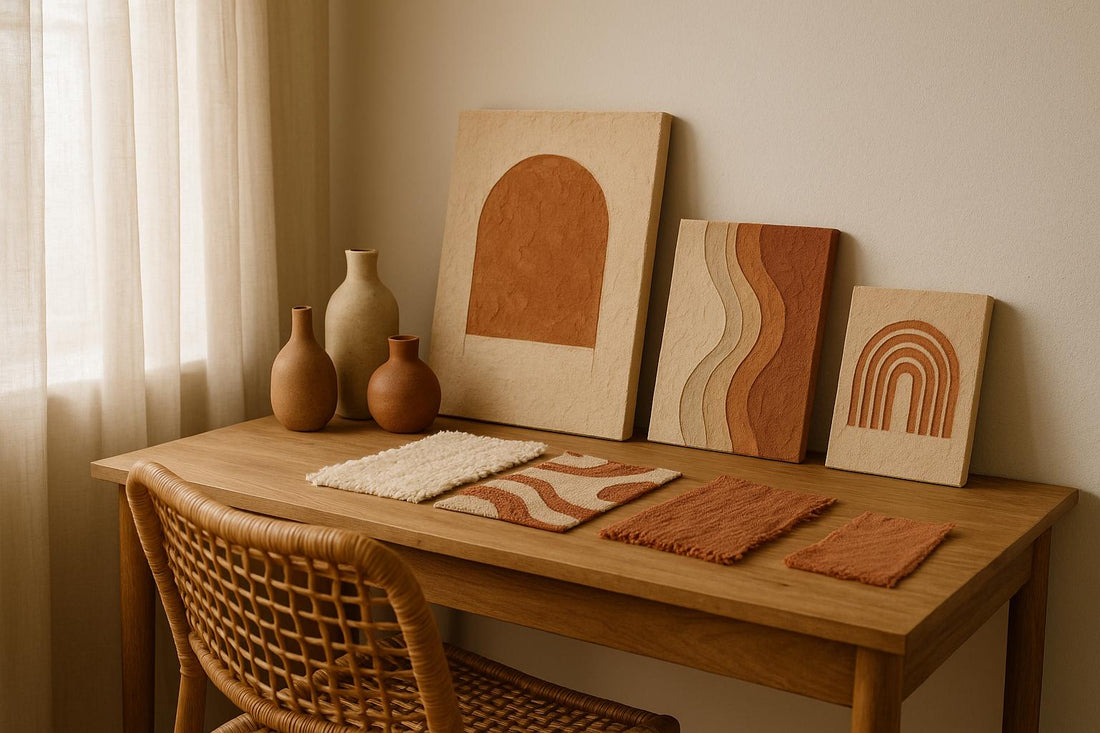
Natural harmony in Bohemian interiors is often expressed through subdued, earthy color palettes. Soft ochres, muted terracottas, sandy beiges, mossy greens, and gentle clay tones form a backdrop that feels nurturing and organic. These colors can be punctuated with deeper accents like burnt sienna or forest green to create depth without overwhelming the senses. Layered textiles, such as handwoven rugs, linen throws, and cotton cushions, enhance tactile warmth and invite touch, reinforcing the sense of comfort and groundedness within the space.
Organic Materials and Textures
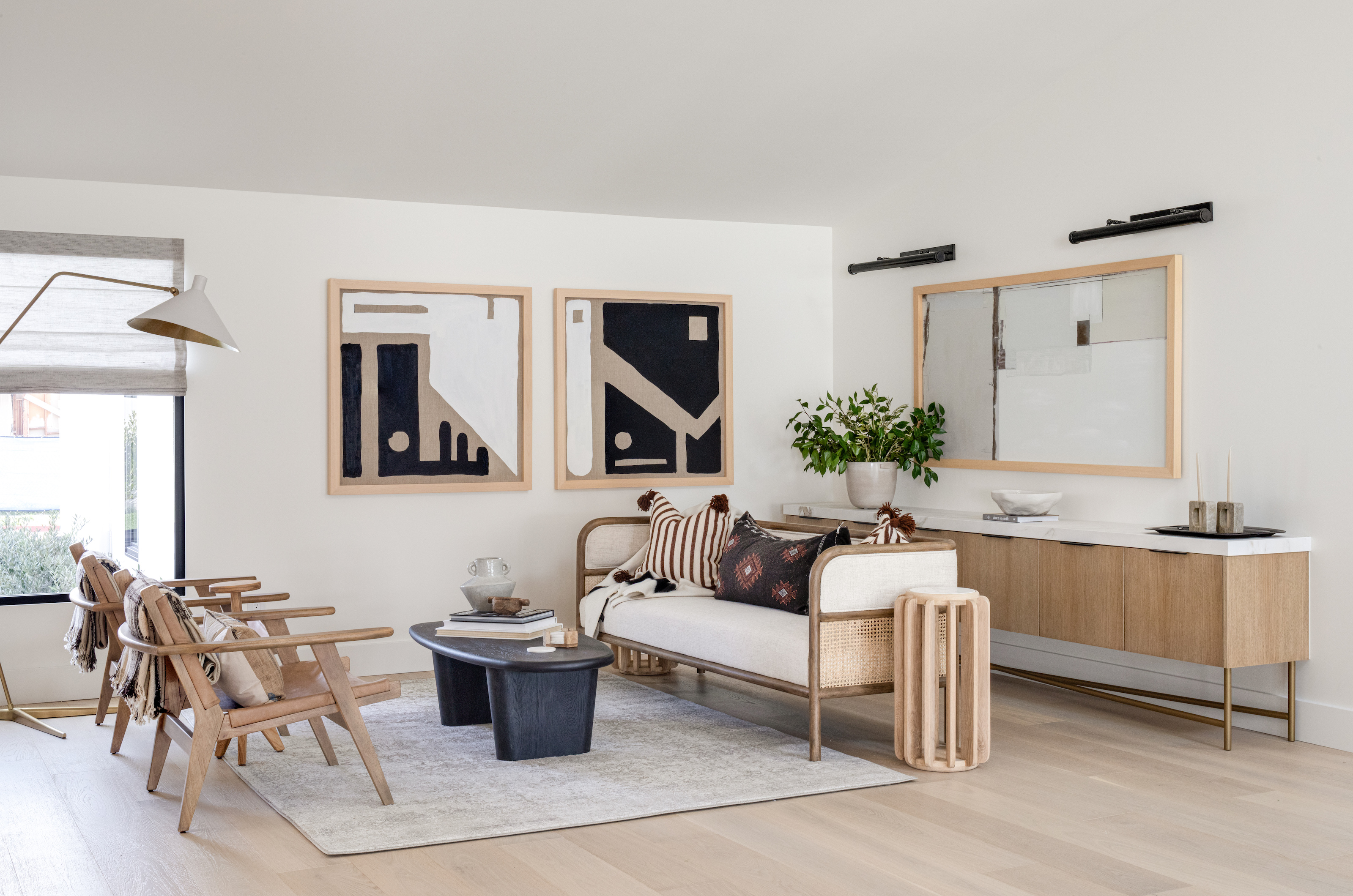
Wood, rattan, wicker, and bamboo are staples in interiors inspired by natural harmony concepts. Furniture crafted from reclaimed or sustainably sourced timber carries both visual interest and environmental mindfulness. Stone countertops, ceramic vases, and clay pots further anchor spaces in an organic narrative. Layered textures—rough-hewn wood alongside smooth ceramics, coarse woven fibers against soft linens—create a multidimensional experience that engages the senses and maintains the aesthetic equilibrium that defines this Bohemian style.
Incorporating Greenery and Biophilic Elements
Plants play an indispensable role in cultivating natural harmony. Potted greenery, trailing vines, and indoor trees not only purify the air but also visually soften interiors, bridging the gap between indoor and outdoor spaces. Vertical gardens or hanging planters can introduce unexpected focal points, while small herb gardens or terrariums bring intimacy and practicality. Integrating plants in varying heights, textures, and foliage density ensures that the natural energy flows seamlessly through the room, contributing to both wellness and design sophistication.
Layering Patterns with Subtlety
While bold patterns are often associated with Bohemian décor, natural harmony concepts favor subtle, nature-inspired motifs. Leaf prints, botanical embroideries, geometric patterns reminiscent of natural forms, and tribal designs executed in muted tones add interest without disrupting the calm. Layering these patterns in rugs, pillows, curtains, and wall hangings generates visual texture while maintaining a cohesive, serene aesthetic. Balance between pattern, color, and negative space is crucial, allowing each element to breathe and complement the overall harmony.
Artisanal and Handcrafted Accents
Handmade elements reinforce the connection to nature and authenticity. Ceramics with irregular glazing, hand-carved wooden furniture, woven baskets, and artisanal lighting fixtures contribute unique textures and forms. These pieces reflect human touch and craftsmanship, cultivating a sense of individuality that complements the natural rhythm of the space. Each handcrafted item functions as both décor and narrative, telling stories of material, labor, and tradition while enriching the sensory environment.
Flexible and Flowing Layouts
Natural harmony extends to spatial planning. Open layouts and gentle transitions between areas promote flow and movement, mirroring the organic rhythms found in nature. Furniture arrangements that favor circular or asymmetrical groupings encourage conversation and engagement while maintaining comfort. Zones for relaxation, work, or socializing can coexist fluidly, with visual and physical cues such as rugs, lighting, or plants defining spaces without rigid partitions. This fluidity enhances the sense of balance and allows the environment to adapt naturally to the needs of its inhabitants.
Natural Light and Ambient Illumination
Maximizing natural light is essential in achieving natural harmony. Large windows, sheer curtains, and reflective surfaces ensure that daylight permeates the room, highlighting textures, colors, and greenery. When artificial lighting is required, soft, warm-toned bulbs, pendant lamps crafted from natural fibers, and candlelight complement the organic palette and reinforce a sense of intimacy and calm. Light becomes both functional and atmospheric, emphasizing the tranquility central to this Bohemian approach.
Mindful Accessories and Minimal Clutter
While Bohemian style often embraces layered décor, natural harmony concepts emphasize mindful curation. Accessories such as driftwood sculptures, stone figurines, woven baskets, and terracotta vessels enhance aesthetic cohesion while avoiding visual chaos. Minimal clutter allows spaces to breathe, supporting mental clarity and relaxation. Each item is selected with intention, creating a serene rhythm where design and nature coalesce seamlessly.
Natural harmony concepts in Bohemian interior design transform homes into sanctuaries of balance, sensory richness, and visual tranquility. Through earthy colors, organic materials, layered textures, greenery, and artisanal accents, interiors become immersive environments that nurture both body and spirit, fostering a profound connection to the natural world.
About the Author