
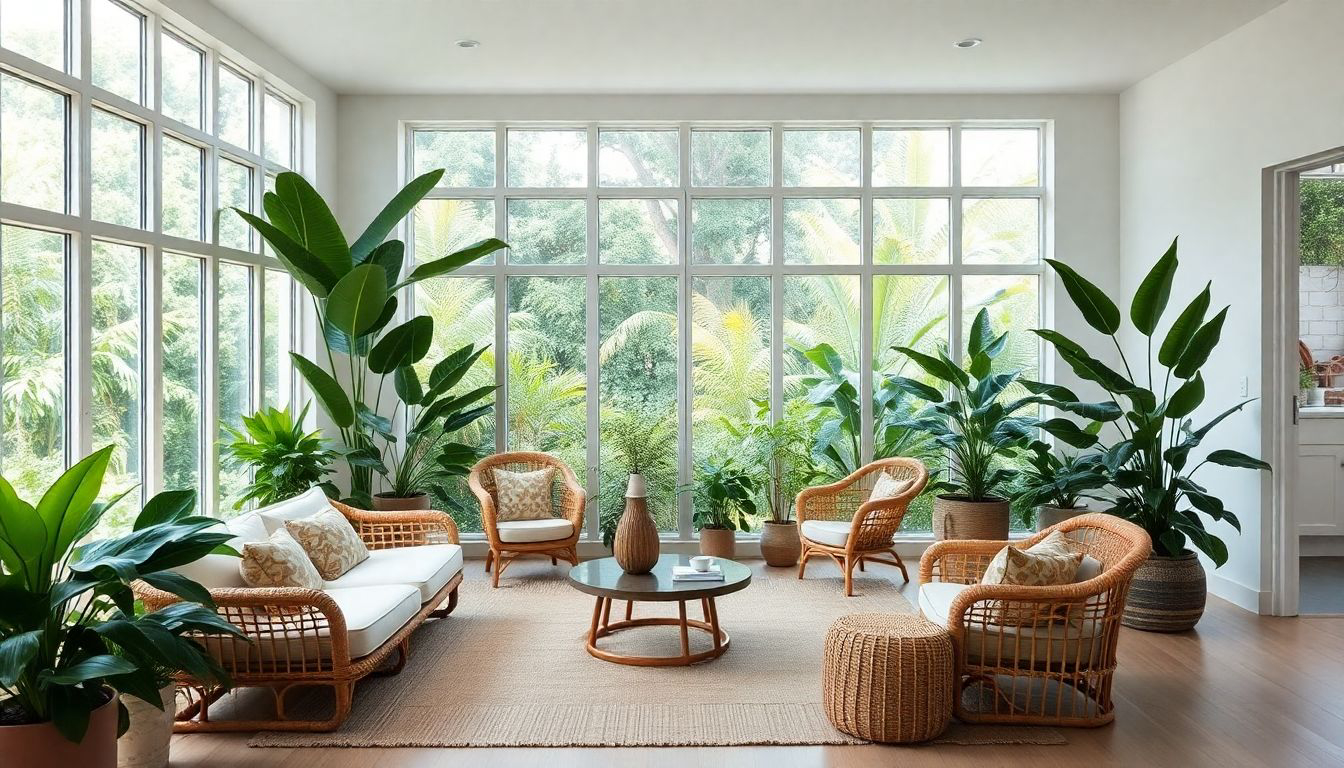
Embracing Calming neutral tones in tropical home design cultivates an atmosphere of serenity and understated elegance. These hues, ranging from sandy beiges to soft taupes and muted creams, create a subtle yet impactful foundation for interiors that aspire to be both tranquil and sophisticated. In tropical settings, where natural light floods interiors and greenery abounds, calming neutrals act as a soothing counterbalance, highlighting textures and natural elements while maintaining visual cohesion throughout the home.
Enhancing Light and Space
One of the foremost advantages of incorporating calming neutral tones is their ability to amplify natural light. Reflective surfaces paired with soft, muted shades create a luminous environment, allowing rooms to appear more expansive and inviting. Walls painted in gentle ivory or sandy beige offer an ideal backdrop for tropical homes, providing a canvas that complements both natural materials and vibrant greenery.
Mirrors and light-colored furnishings further enhance this effect, bouncing sunlight across the room and creating a dynamic interplay between brightness and shadow. The result is a space that feels open, airy, and effortlessly connected to the outdoor environment.
Harmonizing with Natural Materials
Neutral palettes in tropical design work seamlessly with organic materials. Timber, rattan, bamboo, and natural stone gain prominence when paired with calming neutral tones, allowing textures to become a focal point rather than competing with bold colors. Wooden beams and woven furniture resonate with soft backgrounds, emphasizing craftsmanship and adding depth to interiors.
Natural fibers in upholstery, rugs, and decorative elements harmonize with these tones, creating tactile richness without overwhelming the visual serenity of the space. The combination of natural materials and muted colors evokes a tactile dialogue that enhances comfort and authenticity.
Creating a Sense of Flow
Calming neutral tones promote fluidity and continuity across interconnected areas. In open concept layouts, these shades unify different zones—living, dining, and kitchen—allowing transitions to feel seamless. The subtlety of the palette ensures that each space retains its functional identity without disrupting visual harmony.
Area rugs, textured wall panels, and strategically placed furniture can demarcate zones while maintaining cohesion. This approach enhances movement within the home, supporting both daily routines and social gatherings while preserving the calming atmosphere.
Complementing Tropical Greenery
In tropical homes, greenery is often a central design feature. Calming neutral tones provide an ideal backdrop to accentuate the vibrant hues of indoor plants, palms, and potted trees. The contrast between muted interiors and lush foliage enhances visual interest while preserving tranquility.
Neutral backgrounds allow plants to become living artwork, drawing the eye to their natural forms and colors. The effect is a seamless integration of interior and exterior environments, fostering a connection to nature that is both calming and invigorating.
Layering Textures for Depth
To avoid monotony, tropical interiors often layer textures over neutral backdrops. Linen curtains, jute rugs, woven baskets, and bamboo furniture introduce tactile variety, transforming simplicity into sophistication. These textures interact with calming neutral tones to create a multidimensional environment that feels both relaxed and curated.
Soft textiles, coupled with organic materials, reinforce the tropical aesthetic, providing warmth and subtle contrast. Even minimal decor gains impact when placed within this harmonious, understated framework.
Strategic Use of Accents
While neutral tones dominate, selective accents can enhance visual interest without compromising serenity. Hints of muted greens, terracotta, or soft blues in cushions, artwork, or decorative objects introduce subtle vibrancy. These accents should remain restrained, maintaining balance while supporting the overarching calming effect.
Metallic touches in gold or brass can also elevate interiors. When used sparingly in lighting fixtures, hardware, or accessories, they reflect light and add a layer of sophistication, harmonizing with the neutral palette and tropical materials.
Promoting Psychological Calm
Beyond aesthetics, calming neutral tones influence perception and mood. Studies have shown that muted shades reduce stress and foster mental clarity, creating an environment conducive to relaxation. In tropical homes, where outdoor activity and social interaction are integral, these tones provide restorative spaces for contemplation and unwinding.
Bedrooms, living areas, and reading nooks benefit particularly from soft neutral palettes, as they enhance comfort while allowing natural elements like sunlight and greenery to take center stage. The interplay of light, material, and color fosters an immersive sense of tranquility.
Integrating Outdoor and Indoor Spaces
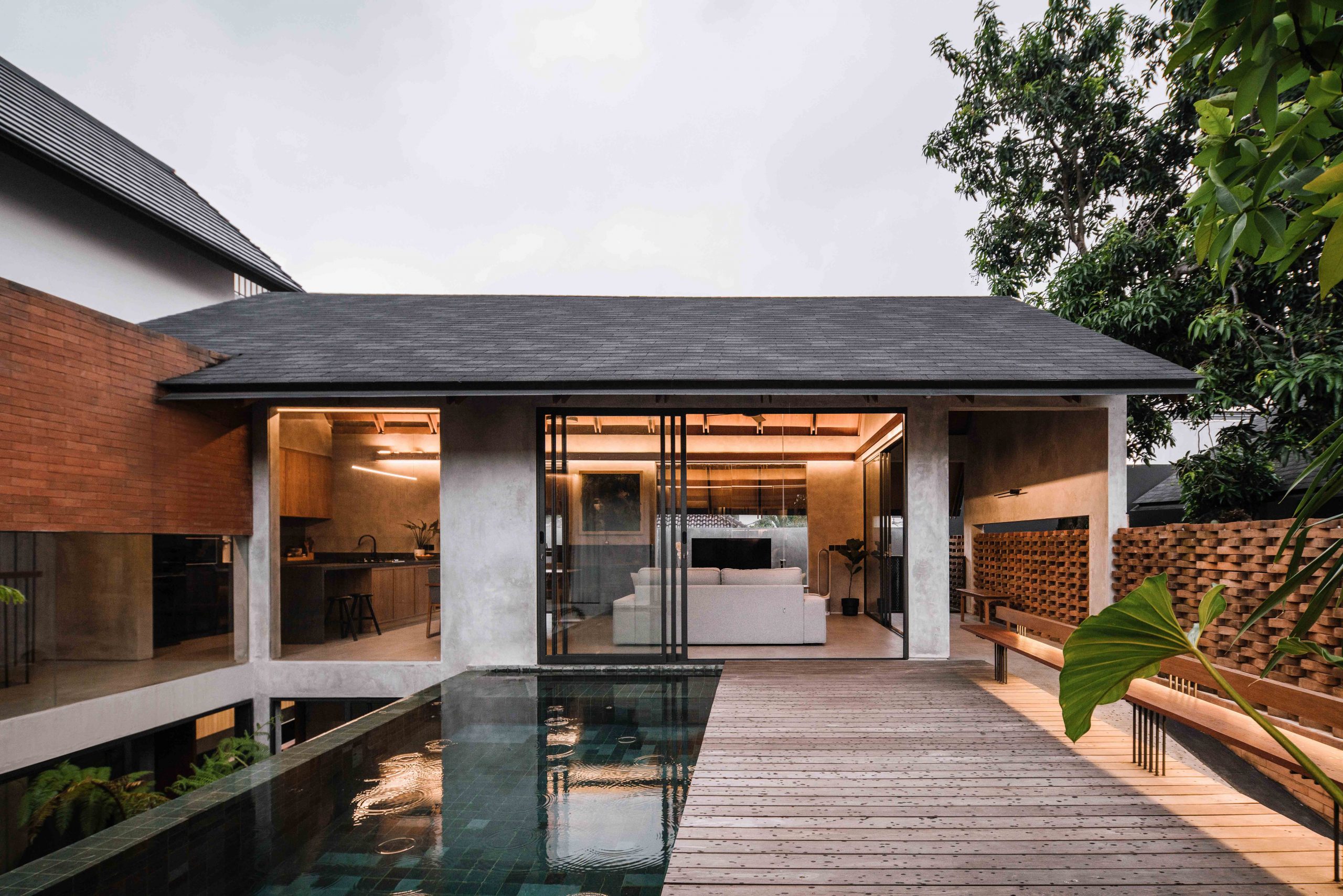
Calming neutral tones also facilitate a seamless dialogue between indoor and outdoor areas. Patios, decks, and verandas painted or furnished in complementary shades extend interior serenity to exterior living spaces. Neutral tones unify visual experiences across boundaries, ensuring that the transition from indoors to outdoors feels organic and harmonious.
This integration is central to tropical design philosophy, where nature and interior living coexist. Through muted colors, the home maintains cohesion and encourages engagement with the environment without visual disruption.
Final Considerations
Calming neutral tones in tropical home design are more than a stylistic choice—they are a foundation for creating balance, serenity, and sophistication. When combined with natural materials, greenery, and thoughtful textures, these hues enable interiors to feel expansive, inviting, and timeless. By layering subtle accents, optimizing light, and fostering indoor-outdoor connectivity, homeowners can achieve a tropical sanctuary that embraces both elegance and comfort.
About the Author

:max_bytes(150000):strip_icc()/elebash_1113_02-2000-d93cd8f43c274b0f8d95f2805c75a55d.jpg "Tropical Home Design with Island Vibes")


