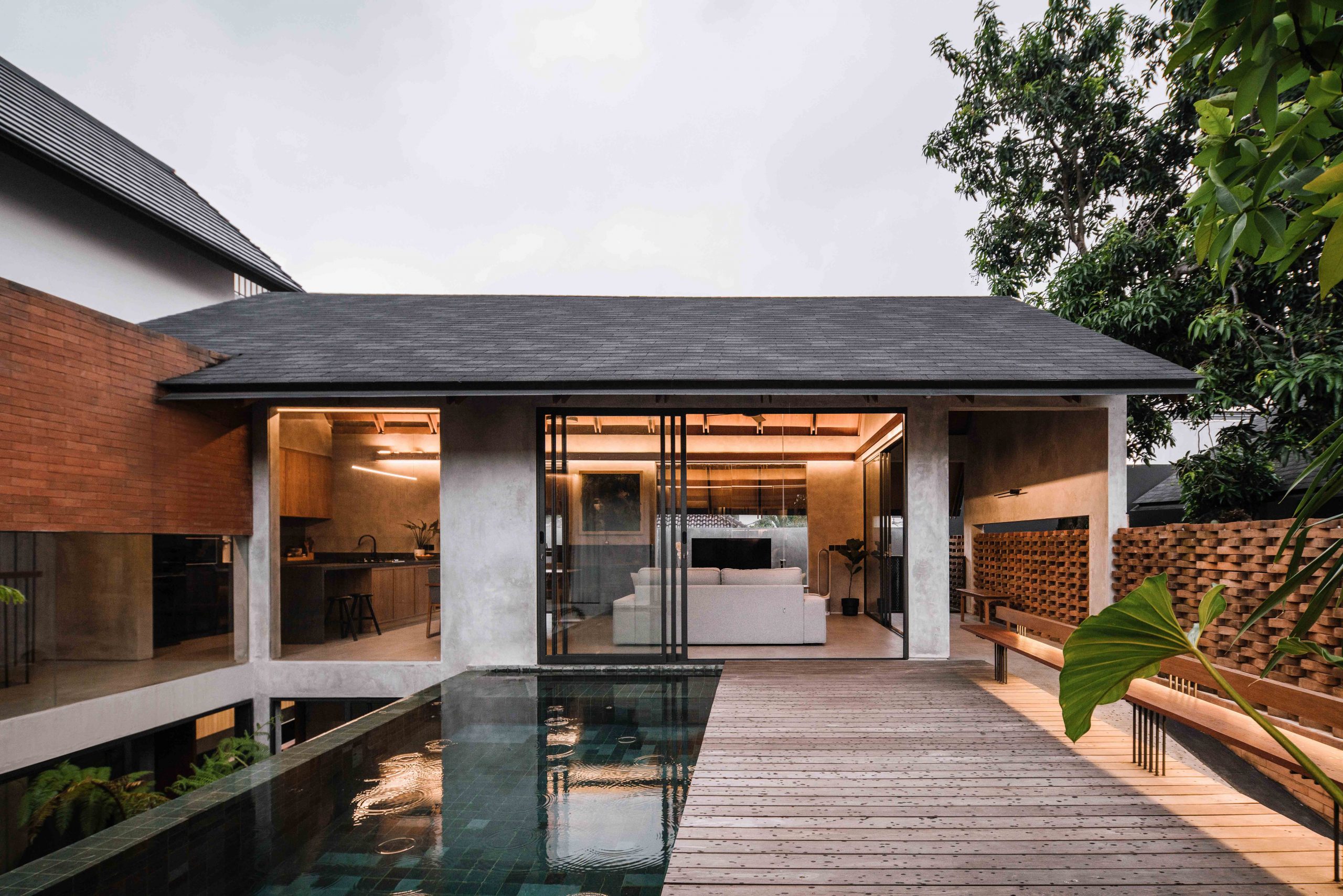
The Rise of Industrial Chic: A Bold Design Movement
Industrial chic is more than just a design trend—it’s a statement. Emerging from the repurposing of old factories, warehouses, and industrial spaces, this aesthetic celebrates raw, unrefined beauty while prioritizing functionality. Unlike traditional interiors that often rely on polished finishes and ornate details, industrial chic embraces exposed brick, weathered metal, and utilitarian fixtures. It’s a nod to the past, where form follows function, and every element serves a purpose. Over the past decade, this style has evolved from a niche preference among urban dwellers to a mainstream design choice, appealing to those who crave authenticity and a touch of urban grit in their living or working spaces.
The appeal of industrial chic lies in its versatility. Whether incorporated into a minimalist loft, a cozy café, or a corporate office, the style adapts effortlessly. It bridges the gap between the raw and the refined, creating spaces that feel both timeless and contemporary. As sustainability becomes a growing concern, industrial chic also aligns with eco-conscious design principles, as it often involves upcycling and reusing materials rather than discarding them.
Core Elements of Industrial Chic Design
At its heart, industrial chic is defined by a few key characteristics that set it apart from other design styles. These elements work together to create a cohesive, visually striking aesthetic that feels both grounded and effortlessly cool.
Exposed Structural Elements
One of the most defining features of industrial chic is the celebration of structural elements that are typically hidden in traditional interiors. This includes:
- Exposed brick walls: Leaving brick walls bare, with their natural textures and imperfections, adds warmth and history to a space.
- Visible ductwork and pipes: Often left unpainted or painted in neutral tones, these elements add an authentic industrial touch.
- Concrete floors and ceilings: Polished or stained concrete floors provide a sleek, durable base, while exposed ceiling beams and concrete ceilings enhance the raw aesthetic.
- Steel and metal frameworks: Metal railings, support columns, and staircases are left in their natural state, often with a weathered patina.
Raw and Unfinished Materials
Industrial chic thrives on materials that look and feel unprocessed. The goal is to showcase the inherent beauty of these materials, whether they’re:
- Reclaimed wood: Used for flooring, furniture, or accent walls, reclaimed wood adds warmth and character with its knots, grain, and rich patina.
- Weathered metal: Corrugated metal, iron, and steel are often used in furniture, lighting, and decorative elements to evoke a factory or workshop feel.
- Distressed leather: In furniture like sofas or chairs, distressed leather develops a rich, lived-in look that enhances the industrial vibe.
- Plywood and MDF: Left unpainted or stained in natural tones, these materials are used for shelving, cabinetry, and furniture to maintain a raw, utilitarian appeal.
Neutral and Earthy Color Palettes
Industrial chic relies on a muted color palette that emphasizes the textures and materials rather than bold hues. Common color choices include:
- Shades of gray: From light concrete tones to dark charcoal, gray is a staple in industrial interiors.
- Warm browns: Earthy tones like tan, taupe, and deep browns complement the natural materials used in the design.
- Black and dark metals: Black fixtures, hardware, and furniture add contrast and depth to the space.
- Muted greens and blues: Occasionally, soft green or blue accents are used to add a touch of color without overwhelming the raw aesthetic.
Functional and Minimalist Furniture
Furniture in an industrial chic space is as much about utility as it is about style. Pieces are often:
- Low-profile and streamlined: Think of long dining tables, modular sofas, and platform beds that prioritize comfort without sacrificing space.
- Made from metal and wood: Combining these materials creates a balanced look—wood adds warmth, while metal provides durability and an industrial edge.
- Repurposed or upcycled: Vintage factory carts, military-style lockers, and workbenches are often transformed into unique furniture pieces.
- Multi-functional: In smaller spaces, furniture often serves dual purposes, such as a storage bench that doubles as seating.
How to Incorporate Industrial Chic into Different Spaces
Industrial chic isn’t limited to loft apartments or urban warehouses—it can be adapted to almost any space, from homes to commercial settings. The key is to balance the raw aesthetic with elements that make the space feel livable and intentional.
Residential Spaces: Homes and Apartments
For homeowners or renters looking to infuse industrial chic into their living spaces, the approach can be as subtle or as bold as desired. Here’s how to do it in different rooms:
Living Room
Transform your living room into a cozy yet edgy retreat with these ideas:
- Accent wall: Create an accent wall using exposed brick, concrete panels, or reclaimed wood.
- Statement lighting: Opt for pendant lights with metal shades, Edison bulbs, or cage-style fixtures to enhance the industrial feel.
- Open shelving: Install metal or wooden floating shelves to display books, plants, and decorative items like vintage cameras or industrial tools.
- Layered textiles: Combine leather, wool, and linen in neutral tones to soften the hard surfaces and add warmth.
Kitchen
The kitchen is a perfect place to embrace industrial chic, especially with its natural association with cooking and utility:
- Stainless steel appliances: These blend seamlessly with the industrial aesthetic while offering a sleek, modern look.
- Butcher block countertops: Paired with metal stools at an island, these add warmth and functionality.
- Open shelving with metal brackets: Display dishes, glasses, and copper cookware for a functional yet stylish setup.
- Industrial-style faucet: Choose a bridge faucet or one with a vintage-inspired design to elevate the space.
Bedroom
An industrial chic bedroom should feel like a sanctuary while maintaining its rugged charm:
- Platform bed with metal frame: A low-profile bed with a steel or iron frame grounds the space.
- Exposed ceiling beams: If possible, leave ceiling beams visible to add height and character.
- Layered lighting: Combine a statement pendant light with bedside table lamps featuring metal or concrete bases.
- Textured bedding: Use linen or canvas duvet covers, chunky knit throws, and leather or faux fur pillows for contrast.
Commercial Spaces: Offices and Cafés
Industrial chic isn’t just for homes—it’s a popular choice for commercial interiors, particularly in settings where creativity and functionality are paramount. Businesses that benefit from this aesthetic include co-working spaces, cafés, retail stores, and even corporate offices.
Co-Working Spaces
Co-working spaces thrive in industrial chic environments because the aesthetic fosters a sense of innovation and collaboration. Key features include:
- Open floor plans: Large, open spaces with minimal partitions allow for flexibility and a sense of community.
- Exposed ductwork and pipes: These elements add visual interest while keeping costs low.
- Modular furniture: Desks and seating arrangements can be easily reconfigured to suit different needs.
- Greenery and natural light: Large windows, skylights, and indoor plants soften the industrial look and improve air quality.
Cafés and Restaurants
Cafés and restaurants with an industrial chic design often feel trendy and inviting, attracting customers who appreciate a modern yet relaxed atmosphere. Consider these elements:
- Reclaimed wood tables: Paired with metal chairs or stools for a mix of warmth and edge.
- Statement bar counters: Use concrete or butcher block for counters, combined with metal stools and pendant lighting.
- Vintage signage: Incorporate old advertisements or typography for a touch of nostalgia.
- Industrial lighting: Pendant lights with exposed bulbs or cage designs create a warm, ambient glow.
Retail Stores
Retail stores that embrace industrial chic often feel edgy and modern, appealing to younger demographics. Strategies include:
- Minimalist shelving: Use metal grid shelving or wooden crates for product displays.
- Exposed brick or concrete walls: These serve as a backdrop for merchandise while adding texture.
- Industrial-style mannequins: Vintage or metallic mannequins can enhance the store’s aesthetic.
- Neutral color schemes: Stick to earthy tones and grays to keep the focus on the products.
DIY Tips for Achieving an Industrial Chic Look
Creating an industrial chic space doesn’t always require a complete overhaul—sometimes, small, intentional changes can make a big impact. Here are some DIY tips to help you achieve the look on a budget:
Upcycling Materials
One of the most rewarding aspects of industrial chic is the opportunity to upcycle materials. Here’s how to get creative:
- Pallet wood furniture: Sand and stain pallet wood to create coffee tables, bookshelves, or even bed frames.
- Metal pipes and fittings: Use these to build lamp bases, curtain rods, or shelving units.
- Old industrial crates: Stack them to create storage units, side tables, or even a unique headboard.
- Vintage doors: Remove the hardware, sand, and repaint an old door to use as a headboard or dining table.
DIY Lighting Solutions
Lighting plays a crucial role in industrial chic, and DIY projects can add a personal touch:
- Exposed bulb pendants: Purchase or make pendant lights with visible Edison-style bulbs and metal shades.
- Pipe lighting fixtures: Use black iron pipes to create custom chandeliers or wall sconces.
- Concrete lamps: Mix concrete in molds to create minimalist lamp bases, paired with metal hardware.
- Industrial-style floor lamps: Combine a base made from reclaimed wood or metal piping with a lampshade made from wire mesh or linen.
Painting and Finishing Techniques
Achieving the right finish is key to nailing the industrial chic look. Try these techniques:
- Whitewashing brick: Apply a diluted white paint to brick walls to soften their appearance while keeping the texture visible.
- Distressing wood: Use sandpaper or a wire brush to create a worn, aged look on furniture pieces.
- Rust effects: For metal accents, apply a rust-converting primer or use a dry-brushing technique with metallic paint to create an aged patina.
- Concrete staining: Stain concrete floors or countertops with acid-based or water-based stains to add depth and color.
Thrift Store and Salvage Finds
Thrift stores, flea markets, and salvage yards are treasure troves for industrial chic decor. Keep an eye out for:
- Vintage toolboxes: Use them as side tables, storage, or even sinks in a workshop-style bathroom.
- Old factory carts: These can be repurposed as coffee tables, bar carts, or even room dividers.
- Metal lockers: Perfect for adding storage to a home office or entryway.
- Industrial shelving units: Look for metal grid shelving or wooden crate-style units to display books or decor.
The Future of Industrial Chic: Trends and Innovations
As design trends evolve, industrial chic continues to adapt, incorporating new materials, technologies, and cultural influences. Here’s what the future might hold for this enduring aesthetic:
Sustainable Industrial Design
With sustainability at the forefront of design conversations, industrial chic is embracing eco-friendly practices. This includes:
- Use of recycled materials: From reclaimed wood to recycled metal, designers are prioritizing materials that reduce environmental impact.
- Energy-efficient lighting: LED Edison bulbs and smart lighting systems are being integrated into industrial spaces to improve energy efficiency.
- Biophilic design elements: Adding plants, natural light, and organic textures to balance the industrial hard edges with soft, natural elements.
Technology Integration
As smart home technology becomes more accessible, industrial chic interiors are finding ways to incorporate it seamlessly:
- Concealed charging stations: Discreet outlets and wireless charging pads are integrated into furniture and surfaces to maintain the clean lines of industrial spaces.
- Smart lighting controls: Users can adjust the ambiance of a room with app-controlled lighting systems that mimic the look of industrial fixtures.
- Hidden appliances: Appliances like refrigerators and dishwashers are designed to blend in with the industrial aesthetic, often in stainless steel or matte black finishes.
Hybrid Aesthetics
Industrial chic is increasingly blending with other design styles to create fresh, innovative looks:
- Industrial Scandinavian: Combining the minimalist, functional approach of Scandinavian design with industrial materials and textures.
- Industrial Bohemian (IndoBoHo):strong> Merging the raw, edgy elements of industrial chic with the eclectic, layered look of bohemian style.
- Industrial Coastal: Incorporating light, airy elements with industrial textures to create a relaxed yet stylish beachy vibe.
Adaptive Reuse and Urban Renewal
As cities continue to grow, there’s a renewed focus on adaptive reuse—transforming old industrial buildings into functional spaces. This trend not only preserves architectural history but also reduces the need for new construction. Expect to see more:
- Converted warehouses into residential lofts: These spaces retain their industrial features while being renovated into comfortable homes.
- Office buildings turned into co-living spaces: Combining residential and commercial elements to create dynamic, community-focused environments.
- Art galleries and cultural hubs: Industrial spaces are ideal for showcasing art due to their raw, open layouts and high ceilings.
Conclusion: Why Industrial Chic Endures
Industrial chic is more than a passing trend—it’s a design philosophy that celebrates authenticity, functionality, and the beauty of imperfection. Whether you’re drawn to its rugged charm, its adaptability, or its alignment with sustainable practices, there’s no denying the lasting appeal of this aesthetic. From DIY projects that repurpose old materials to high-end commercial spaces that embrace raw textures, industrial chic offers endless possibilities for creating spaces that feel both timeless and contemporary.
As we look to the future, industrial chic will continue to evolve, blending with new technologies and design movements while staying true to its roots. For those willing to embrace its bold, unpolished aesthetic, the rewards are well worth the effort—a space that feels uniquely yours, rich with character and purpose.
About the Author