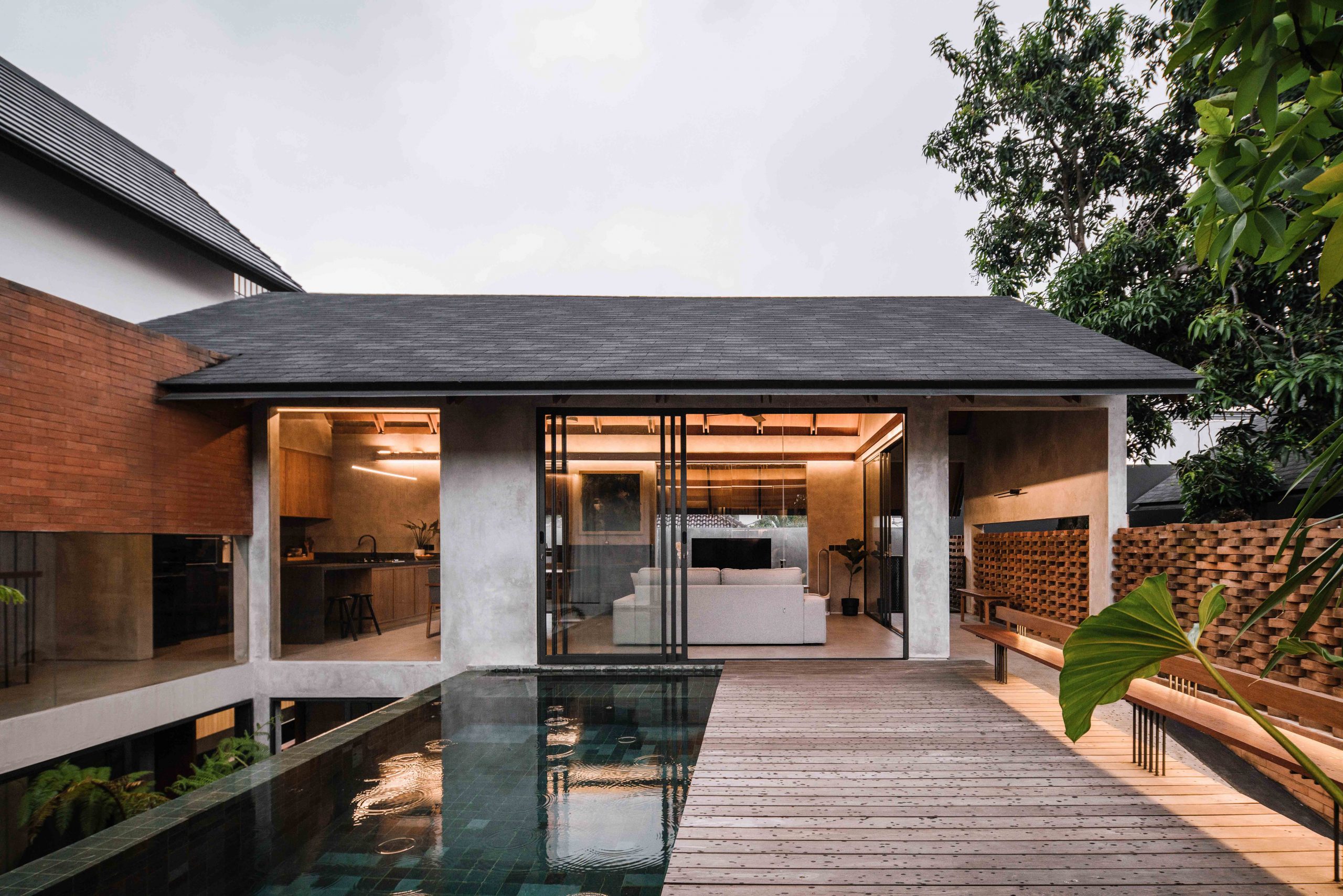
# Minimalist Interior: Less Clutter, More Calm
## Introduction to Minimalist Interior Design
Minimalist interior design has gained widespread popularity in recent years, and for good reason. At its core, minimalism is about creating spaces that are free from unnecessary distractions, allowing the mind to focus and relax. By stripping away excess and prioritizing functionality, minimalist interiors cultivate a sense of calm and order. This design philosophy doesn’t mean living with bare walls or empty rooms; instead, it emphasizes intentionality in every object and space.
The appeal of minimalism lies in its ability to transform cluttered environments into tranquil sanctuaries. In a world filled with constant noise and stimulation, a minimalist home offers a retreat where simplicity reigns. Whether you live in a spacious house or a compact apartment, minimalism can be adapted to suit any lifestyle, making it a versatile and timeless approach to interior design.
## The Philosophy Behind Minimalism
Minimalism is more than just a design trend—it’s a mindset. Rooted in the idea that “less is more,” this philosophy encourages individuals to focus on what truly matters by eliminating the non-essential. In interior design, this translates to carefully selecting furniture, decor, and even daily objects that serve a purpose or bring joy.
The minimalist philosophy also aligns with principles of sustainability and mindfulness. By owning fewer items, we reduce waste and make more conscious choices about what we bring into our lives. This approach fosters gratitude and appreciation for the items we do possess, rather than constant desire for more.
## Benefits of a Minimalist Home
Adopting a minimalist interior offers numerous benefits beyond aesthetics. Here are some of the key advantages:
### Reduced Stress and Anxiety
Clutter can overwhelm the mind, making it difficult to relax. A minimalist space promotes mental clarity by providing a clean, organized environment free from visual chaos.
### Easier Maintenance
With fewer items to clean and organize, maintaining a minimalist home requires less time and effort. This allows for more leisure and less stress in daily routines.
### Enhanced Focus and Productivity
A tidy space reduces distractions, making it easier to concentrate on work or creative projects. Minimalist interiors encourage intentional living, which can improve productivity and efficiency.
### Financial Savings
Minimalism discourages impulsive purchases, leading to smarter spending habits. By investing in high-quality, durable items rather than cheap, disposable ones, you save money in the long run.
### Greater Sense of Freedom
Letting go of excess possessions can create a sense of lightness and freedom. Living with less allows you to focus on experiences and relationships rather than material goods.
## Key Principles of Minimalist Interior Design
To achieve a minimalist home, it’s important to follow some fundamental principles:
### Functionality Over Aesthetics
Every item in a minimalist space should serve a purpose. Decor should be functional as well as visually appealing, ensuring that form follows function.
### Neutral Color Palettes
Minimalist interiors often feature neutral colors like white, beige, gray, and black. These tones create a calming atmosphere and serve as a backdrop for other design elements.
### Open and Uncluttered Spaces
Avoid overcrowding rooms with too much furniture or decor. Leave ample space for movement and airflow, allowing the eye to rest and the mind to relax.
### Quality Over Quantity
Invest in well-made, durable pieces rather than filling your home with cheap, disposable items. Quality furniture and decor not only last longer but also enhance the overall aesthetic.
### Thoughtful Storage Solutions
Ample storage is essential in a minimalist home to keep clutter out of sight. Opt for hidden storage options, such as built-in cabinets or multi-functional furniture, to maintain a clean look.
## How to Declutter Your Space
Decluttering is the first step in creating a minimalist interior. Here’s a step-by-step guide to help you get started:
### Start Small
Begin with one area at a time, such as a drawer or a shelf. Small victories build momentum and make the process less overwhelming.
### Adopt the “One In, One Out” Rule
For every new item you bring into your home, remove an old one. This helps maintain a balanced amount of possessions over time.
### Sort Items into Categories
Create piles for items you want to keep, donate, sell, or discard. Be honest with yourself about what you truly need and use.
### Use the KonMari Method
Made popular by Marie Kondo, this method involves holding each item and asking whether it sparks joy. If it doesn’t, consider letting it go.
### Create Zones for Different Activities
Assign specific areas for different purposes, such as work, relaxation, and hobbies. This helps prevent clutter from spreading across your home.
### Regularly Reassess Your Belongings
Minimalism is an ongoing process. Schedule periodic decluttering sessions to keep your space tidy and intentional.
## Choosing Minimalist Furniture
Furniture plays a crucial role in defining the look and feel of a minimalist interior. When selecting pieces, prioritize simplicity, functionality, and quality. Here are some tips for choosing minimalist furniture:
### Opt for Clean Lines
Minimalist furniture is characterized by sleek, straight lines and smooth surfaces. Avoid ornate or overly decorative pieces that can clutter the visual space.
### Select Neutral Colors
Stick to neutral tones like white, black, gray, and natural wood finishes. These colors create a cohesive and calming atmosphere.
### Prioritize Multi-Functional Pieces
Choose furniture that serves multiple purposes, such as a sofa bed, a storage ottoman, or a dining table with built-in shelves. This maximizes space and reduces clutter.
### Invest in Quality Materials
Durable materials like solid wood, metal, and high-quality fabrics ensure that your furniture lasts longer and maintains its appearance over time.
### Keep Proportions in Mind
Choose furniture that fits the scale of your space. Oversized pieces can overwhelm a room, while undersized ones may feel lost.
## Minimalist Decor and Accents
While minimalist interiors prioritize simplicity, decor and accents still play a role in adding personality and warmth. The key is to choose items that are meaningful and intentional. Here are some ideas for minimalist decor:
### Natural Elements
Incorporate natural materials like wood, stone, and linen to add texture and warmth. Plants are also a great way to bring life and freshness into a space.
### Artwork with Purpose
Select art pieces that resonate with you and enhance the overall aesthetic. Opt for simple, framed prints or sculptures that make a statement without overwhelming the space.
### Textiles with Subtle Patterns
Use throw pillows, blankets, and rugs with subtle patterns or textures to add depth and interest. Stick to neutral or earthy tones to maintain a cohesive look.
### Minimalist Lighting
Lighting fixtures should be functional and stylish. Choose pendant lights, floor lamps, or wall sconces with clean, simple designs.
### Personal Touches
Display a few cherished items, such as a favorite book, a family heirloom, or a travel souvenir. These personal touches add character without cluttering the space.
## Minimalism in Different Rooms
Minimalism can be applied to every room in your home, from the living room to the bedroom to the kitchen. Here’s how to incorporate minimalist principles into different spaces:
### Living Room
Keep the living room open and uncluttered. Choose a neutral color palette and select furniture with clean lines. Use a single statement piece, such as a sofa or a piece of artwork, to anchor the space.
### Bedroom
Create a serene and restful bedroom by keeping surfaces clear and using simple, functional furniture. Opt for a platform bed with built-in storage and minimal bedding in neutral tones.
### Kitchen
A minimalist kitchen focuses on functionality and organization. Use closed storage to hide clutter, and choose appliances and utensils that are essential and well-designed. Keep countertops clean and free from unnecessary items.
### Bathroom
In the bathroom, opt for sleek fixtures and minimal decor. Use neutral tiles and simple storage solutions, such as floating shelves or recessed cabinets, to keep the space tidy.
### Home Office
A minimalist home office promotes focus and productivity. Choose a clean, uncluttered desk and keep only the essentials within reach. Use cable management systems to maintain a tidy workspace.
## Common Mistakes to Avoid in Minimalist Design
While minimalism offers many benefits, it’s easy to make mistakes that can undermine the aesthetic and functionality of your space. Here are some common pitfalls to avoid:
### Over-Emptying the Space
Minimalism isn’t about having completely bare rooms. It’s about intentionality, so include a few meaningful pieces to add warmth and personality.
### Ignoring Comfort
A minimalist space should still feel inviting and comfortable. Avoid sacrificing comfort for the sake of aesthetics by choosing furniture and decor that prioritize both style and coziness.
### Neglecting Storage
Even in a minimalist home, storage is essential. Failing to incorporate adequate storage solutions can lead to clutter and disorganization.
### Following Trends Blindly
Minimalism is about personal preference, not trends. Avoid choosing items solely because they’re popular; instead, select pieces that resonate with you and fit your lifestyle.
### Skimping on Quality
Investing in cheap, low-quality items can detract from the minimalist aesthetic and lead to frequent replacements. Prioritize quality to ensure your space remains timeless and functional.
## Minimalism for Small Spaces
Living in a small space doesn’t mean you have to sacrifice minimalism. In fact, small homes and apartments can greatly benefit from a minimalist approach. Here’s how to make the most of a compact living area:
### Use Vertical Space
Maximize storage by utilizing vertical space with shelves, wall-mounted storage, and tall cabinets. This keeps floors clear and creates the illusion of more space.
### Choose Multi-Functional Furniture
Opt for pieces that serve multiple purposes, such as a Murphy bed that doubles as a sofa or a dining table that folds away when not in use.
### Keep Pathways Clear
Ensure that walkways and entry points remain unobstructed to create a sense of openness and ease of movement.
### Embrace Light Colors
Light colors on walls, floors, and furniture can make a small space feel larger and more open. Avoid dark or heavy colors that can make the room feel cramped.
### Use Mirrors Strategically
Mirrors reflect light and create the illusion of depth, making a small space feel more expansive. Place mirrors opposite windows or in narrow hallways to enhance the effect.
## The Psychological Impact of Minimalism
The benefits of minimalism extend beyond the physical space—it also has a profound impact on mental well-being. Here’s how minimalism can improve your psychological health:
### Reduces Decision Fatigue
A cluttered environment bombards the brain with unnecessary stimuli, leading to decision fatigue. A minimalist space simplifies choices, allowing you to focus on what matters.
### Promotes Mindfulness
Living with less encourages you to be more mindful of your surroundings and the items you own. This heightened awareness fosters gratitude and contentment.
### Enhances Sleep Quality
A tidy bedroom free from visual clutter can promote better sleep by creating a calming and restful environment.
### Encourages Intentional Living
Minimalism invites you to question your habits and priorities. By focusing on what truly matters, you can align your lifestyle with your values and goals.
### Lowers Stress Levels
Clutter has been linked to increased stress and anxiety. A minimalist home, on the other hand, promotes relaxation and peace of mind.
## Minimalism and Sustainability
Minimalism and sustainability go hand in hand. By consuming less and choosing quality over quantity, you reduce your environmental footprint. Here’s how minimalism contributes to a more sustainable lifestyle:
### Reduces Waste
Owning fewer items means producing less waste. Minimalism encourages recycling, repurposing, and mindful consumption, all of which benefit the environment.
### Supports Ethical Consumerism
Choosing durable, high-quality products reduces the demand for cheap, disposable goods. This supports ethical manufacturing practices and fair labor standards.
### Encourages Mindful Purchases
Minimalism fosters a mindset of intentionality, making you more conscious of your purchases. This reduces impulse buying and promotes sustainable consumption habits.
### Promotes Reuse and Repurposing
Before discarding an item, consider whether it can be repurposed or given a second life. Minimalism encourages creativity in reusing and upcycling objects.
### Lowers Energy Consumption
A smaller, clutter-free space requires less energy to heat, cool, and maintain. This contributes to a reduced carbon footprint and lower utility bills.
## Embracing Minimalism in Daily Life
Minimalism isn’t just about the physical space—it’s a lifestyle choice that can transform how you live each day. Here are some ways to incorporate minimalism into your daily routine:
### Simplify Your Wardrobe
Adopt a capsule wardrobe with a limited number of versatile, high-quality pieces. This reduces decision fatigue and makes getting dressed in the morning effortless.
### Practice Gratitude
Take time each day to appreciate the items you own and the experiences you have. Gratitude fosters contentment and reduces the desire for more.
### Limit Digital Clutter
Extend minimalism to your digital life by decluttering your devices, unsubscribing from unnecessary emails, and organizing files. A clean digital space enhances focus and productivity.
### Prioritize Experiences Over Possessions
Invest in experiences rather than material goods. Travel, hobbies, and quality time with loved ones bring more lasting joy than fleeting purchases.
### Set Intentional Goals
Align your daily actions with your long-term goals. Minimalism encourages you to focus on what truly matters, whether it’s career growth, relationships, or personal development.
## Conclusion: Creating a Calmer, More Intentional Home
Minimalist interior design is more than just a trend—it’s a transformative approach to living. By embracing simplicity, intentionality, and mindfulness, you can create a home that nurtures calm, clarity, and well-being. Whether you’re starting with a single room or decluttering your entire space, the principles of minimalism offer a pathway to a more fulfilling and sustainable lifestyle.
Remember, minimalism isn’t about deprivation or sacrifice. It’s about curating a space that reflects your values, supports your needs, and brings you joy. As you embark on this journey, focus on progress rather than perfection. With each item you let go and each space you simplify, you move one step closer to a home—and a life—that is truly yours.