
Introduction & Background
In a world where technology evolves at lightning speed, the role of industrial design has become more critical than ever. No longer confined to mere aesthetics, modern industrial design is a driving force behind innovation, sustainability, and user-centric experiences. It shapes the objects we use daily, the spaces we inhabit, and even the way we interact with technology. From smart home devices to cutting-edge medical equipment, industrial design is the invisible hand that transforms raw ideas into tangible, functional, and beautiful solutions.
This transformation is not just about making products look sleek or futuristic. It is about reimagining the everyday, challenging conventional norms, and creating designs that are both practical and visionary. As industries embrace digitalization, automation, and eco-consciousness, industrial design has emerged as a key player in shaping our futuristic world. But how exactly is it doing so? What principles guide this evolution, and what are its most groundbreaking applications? Let us explore how modern industrial design is reinventing the ordinary and paving the way for a smarter, more sustainable future.
Concept & Overview
At its core, modern industrial design is the art and science of creating functional, ergonomic, and visually appealing products that meet the needs of users in an ever-changing world. It blends creativity with engineering, aesthetics with usability, and tradition with innovation. Unlike traditional design, which often prioritized form over function, contemporary industrial design takes a holistic approach, considering every aspect of a product’s lifecycle, from material sourcing to end-of-life disposal.
Key to this evolution is the integration of technology. Designers now leverage advanced tools like 3D modeling, virtual reality, and generative design algorithms to prototype and refine their ideas with unprecedented precision. Sustainability has also taken center stage, with designers focusing on recyclable materials, energy efficiency, and circular economy principles. The result is a new generation of products that are not only smarter and more efficient but also more responsible toward the planet.
Another defining feature of modern industrial design is its emphasis on human-centered design. By employing techniques like user research, usability testing, and empathy-driven prototyping, designers ensure that their creations resonate with real people. This shift from a product-centric approach to a people-centric one has led to designs that are intuitive, inclusive, and adaptable to diverse needs.
Key Features & Highlights
- User-Centric Innovation: Modern industrial design prioritizes the end-user, using data and feedback to create products that solve real problems. Whether it is a smartphone with an ergonomic grip or a kitchen appliance with intuitive controls, the focus is on enhancing daily experiences.
- Sustainable Materials & Processes: Designers are increasingly opting for biodegradable, recycled, or upcycled materials to minimize environmental impact. Innovations in material science, such as bio-based plastics and mycelium-based composites, are opening new possibilities for eco-friendly design.
- Smart & Connected Products: The rise of the Internet of Things (IoT) has blurred the line between physical and digital design. Smart devices like wearables, home automation systems, and connected vehicles rely on industrial design to blend functionality with seamless connectivity.
- Generative & AI-Enhanced Design: Artificial intelligence and machine learning are revolutionizing the design process. Generative design tools can explore thousands of configurations in seconds, optimizing for weight, strength, and material usage, leading to lighter, stronger, and more efficient products.
- Minimalism & Modularity: Clean lines, uncluttered interfaces, and modular designs are becoming the norm. Modular products allow users to upgrade or customize components without replacing the entire item, reducing waste and extending product lifecycles.
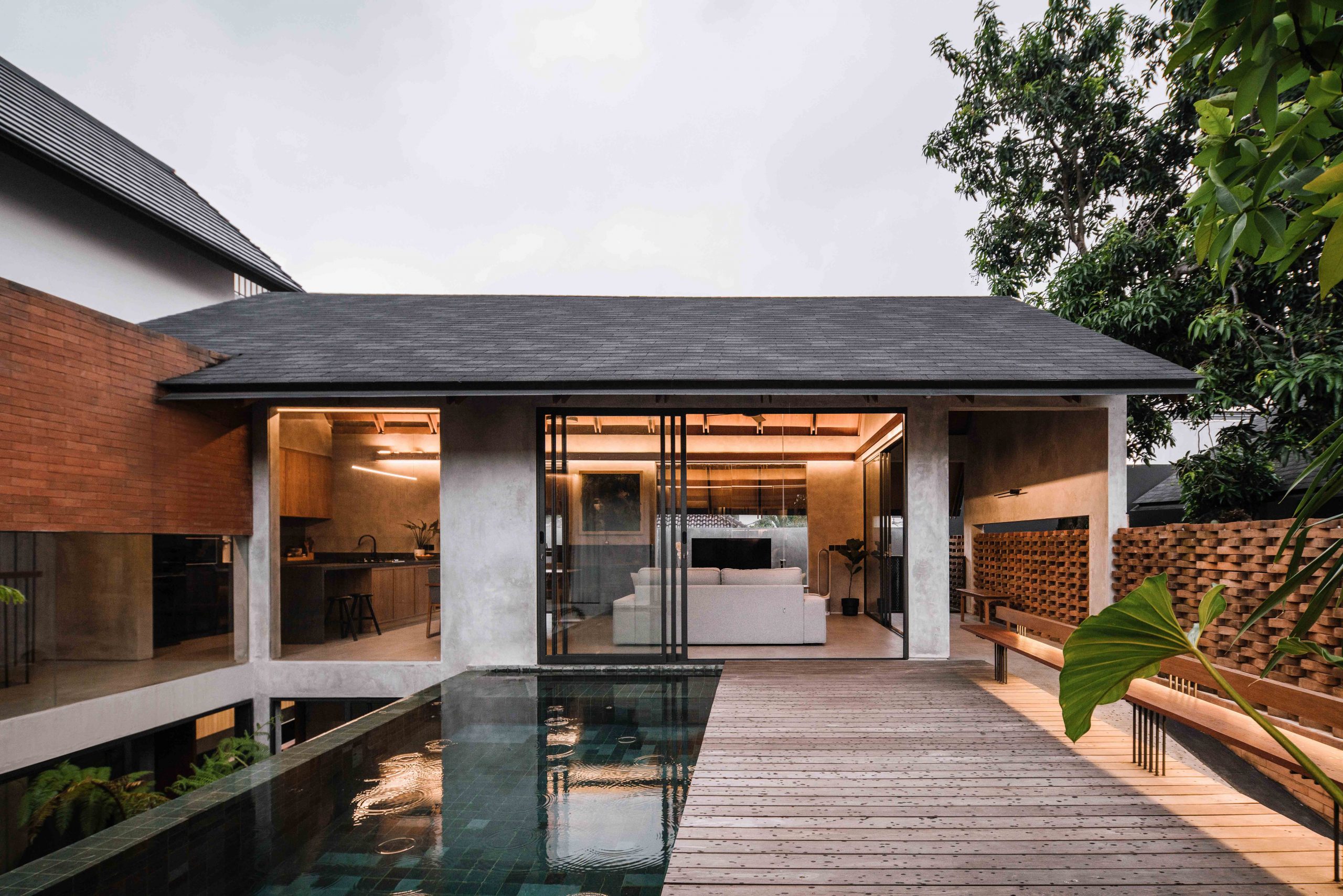
- Biophilic Design: Inspired by nature, biophilic design incorporates natural elements like wood, stone, and greenery into products and spaces. This approach not only enhances aesthetics but also promotes well-being and reduces stress in urban environments.
- Circular Economy Principles: Industrial designers are adopting circular economy models, where products are designed to be reused, repaired, or recycled. This shift challenges the traditional “take-make-dispose” mindset and fosters a more sustainable relationship between humans and their environment.
Frequently Asked Questions / Pros & Cons
What is the primary goal of modern industrial design?
Primary Goal: The primary goal is to create products that are functional, aesthetically pleasing, and sustainable, while also meeting the evolving needs of users. Modern industrial design seeks to bridge the gap between innovation and practicality, ensuring that cutting-edge technology is accessible and intuitive for everyday use.
How does industrial design contribute to sustainability?
Contribution to Sustainability: Industrial design contributes to sustainability by prioritizing eco-friendly materials, energy-efficient manufacturing processes, and designs that encourage longevity and recyclability. Designers also focus on reducing waste through modularity, repairability, and the use of renewable resources, ensuring that products have a minimal environmental footprint throughout their lifecycle.
What are the challenges faced by industrial designers today?
Key Challenges: Some of the biggest challenges include balancing aesthetics with functionality, keeping up with rapidly advancing technology, and ensuring designs are inclusive and accessible to all users. Additionally, designers must navigate ethical considerations, such as data privacy in smart products and the environmental impact of material sourcing. Economic constraints and market demands can also pose hurdles in achieving truly innovative and sustainable designs.
Can industrial design influence consumer behavior?
Influence on Consumer Behavior: Absolutely. Industrial design plays a significant role in shaping consumer preferences by making products more desirable, intuitive, and user-friendly. Thoughtful design can encourage sustainable behaviors, such as reducing energy consumption or opting for longer-lasting products. For example, a well-designed reusable water bottle can replace single-use plastics, while a smartphone with a sleek, durable build can reduce the temptation to upgrade frequently.
What is the future of industrial design in the next decade?
Future Trends: The future of industrial design will likely be shaped by advancements in AI, biotechnology, and sustainable materials. We can expect to see more personalized and adaptive products, thanks to AI-driven customization. Biotechnology may introduce living materials or biodegradable components into product design. Additionally, the integration of design with smart cities and autonomous vehicles will redefine urban living. The focus will remain on creating solutions that are not only technologically advanced but also socially responsible and environmentally conscious.
Practical Guidance & Solutions
For businesses and designers looking to embrace modern industrial design principles, here are some actionable steps to get started:
For Designers and Engineers
- Prioritize User Research: Invest time in understanding the needs, pain points, and behaviors of your target users. Conduct surveys, interviews, and usability tests to gather insights that will inform your design process.
- Embrace Sustainable Practices: Choose materials and manufacturing processes that align with circular economy principles. Consider the entire lifecycle of your product, from sourcing to end-of-life disposal, and aim for designs that are recyclable, repairable, or biodegradable.
- Leverage Technology: Utilize advanced tools like generative design software, 3D printing, and virtual reality to prototype and refine your ideas. These technologies can help you explore innovative solutions and reduce material waste during the development phase.
- Focus on Inclusivity: Design products that are accessible to a diverse range of users, including those with disabilities. Ensure that your designs accommodate different physical abilities, cultural backgrounds, and age groups to create truly inclusive solutions.
For Businesses and Manufacturers
- Adopt a Holistic Approach: Break down silos between design, engineering, marketing, and sustainability teams. A collaborative approach ensures that all aspects of the product, from functionality to environmental impact, are considered from the outset.
- Invest in Education and Training: Equip your team with the latest skills and knowledge in sustainable design, digital tools, and user-centered methodologies. Encourage continuous learning to keep up with industry trends and technological advancements.
- Foster a Culture of Innovation: Create an environment where experimentation and risk-taking are encouraged. Reward creative problem-solving and support pilot projects that push the boundaries of traditional design.
- Communicate Transparently: Share your design philosophy and sustainability commitments with consumers. Transparency builds trust and can differentiate your brand in a competitive market. Highlighting the story behind your products can also foster a deeper connection with your audience.
For Consumers
- Support Sustainable Brands: Choose products from companies that prioritize ethical sourcing, sustainability, and inclusive design. Look for certifications like Fair Trade, Cradle to Cradle, or Energy Star to identify responsible options.
- Repair and Reuse: Instead of discarding products at the first sign of wear or malfunction, consider repairing or refurbishing them. Many modern designs are built to last, and repairing them can extend their lifespan and reduce waste.
- Provide Feedback: Share your experiences and suggestions with manufacturers and designers. Your input can drive improvements and inspire innovations that better meet your needs and those of your community.
- Stay Informed: Keep up with trends in industrial design and sustainability to make more conscious purchasing decisions. Understanding the impact of your choices empowers you to support a more sustainable and innovative future.
Conclusion
Modern industrial design is more than a trend; it is a transformative force that is reshaping the way we live, work, and interact with the world around us. By blending creativity with technology, sustainability with functionality, and aesthetics with empathy, designers are reinventing the everyday and paving the way for a futuristic world that is smarter, more inclusive, and more harmonious with nature.
As we look to the future, the possibilities are limitless. From AI-driven customization to living materials, the next decade promises to bring even more groundbreaking innovations that challenge our perceptions of what is possible. Yet, at the heart of this evolution lies a simple truth: great design is not just about what products look like or how they function. It is about how they make us feel, how they improve our lives, and how they contribute to a better world for generations to come.
So, the next time you pick up a well-designed object or step into a thoughtfully crafted space, take a moment to appreciate the invisible artistry at play. It is a reminder that the future is not something we wait for; it is something we create, one design at a time.
About the Author



:max_bytes(150000):strip_icc()/elebash_1113_02-2000-d93cd8f43c274b0f8d95f2805c75a55d.jpg "Tropical Home Design with Island Vibes")