Information
Cinthia Luse: Honest Home Improvement and Real Estate Guides
Real project costs, honest buying advice and plain-English guides across five sections.
Best Home Improvement Projects 2026: 6 Renovations That Pay
The best home improvement project is the one that still looks sensible five years after the dust settles. We ranked six 2026 renovations by payback, disruption and the chance of a nasty surprise mid-build.
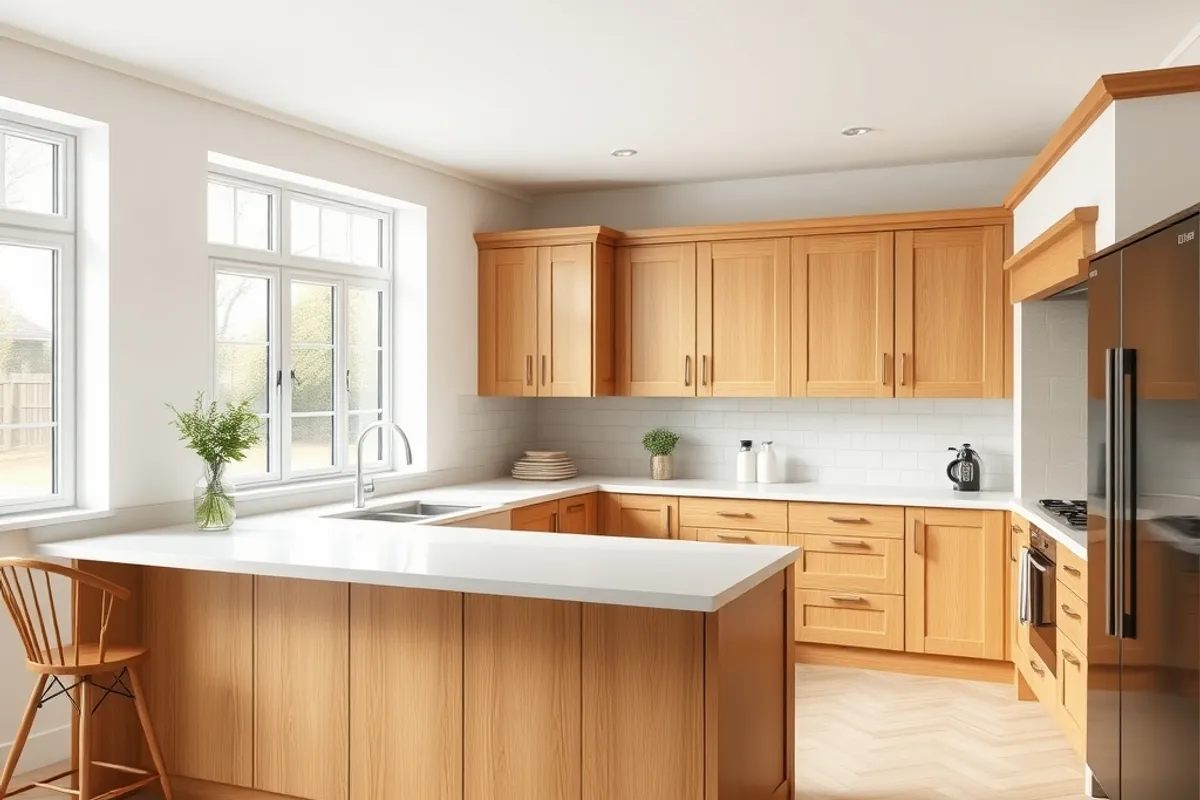
Best Energy-Efficient Home Upgrades 2026: 6 Smart Picks
Energy upgrades only pay when the house, the climate and the incentive line up. Here are six 2026 improvements that survive that test, with real cost ranges and the order we would install them.
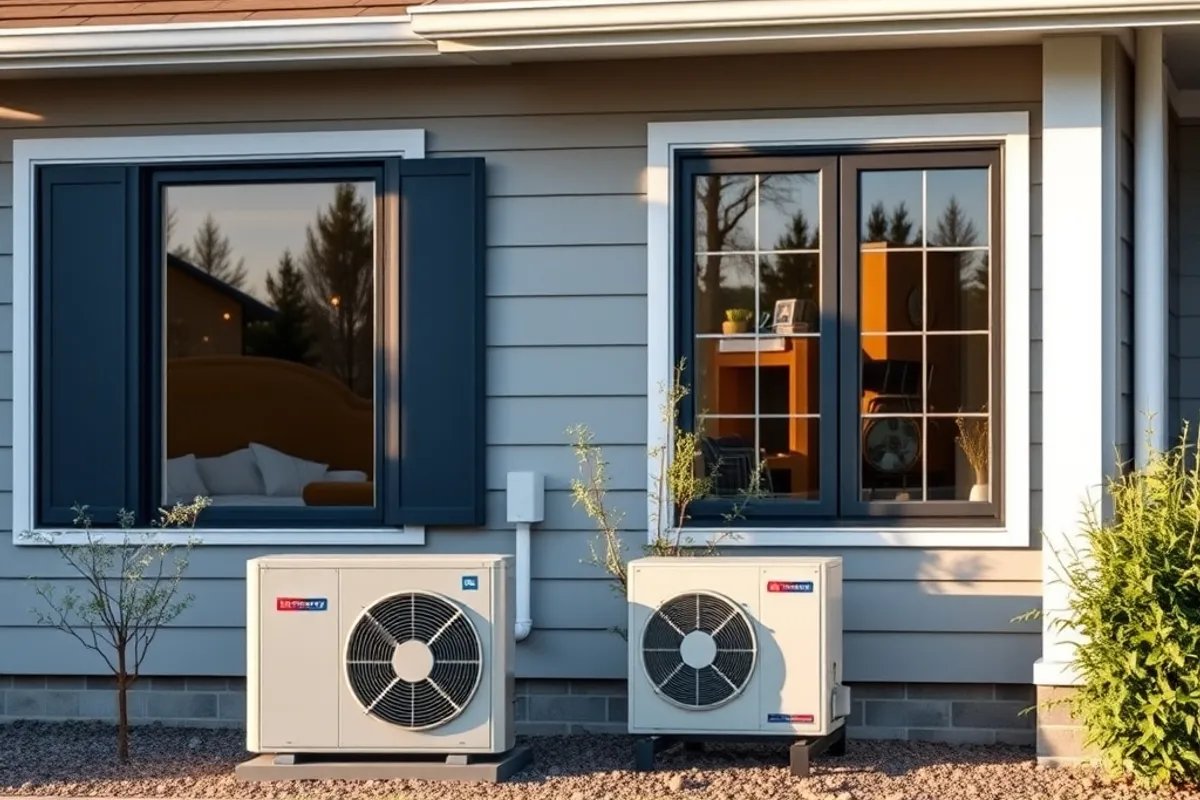
Best Real Estate Investment Markets 2026: 6 Cities to Watch
The best rental markets in 2026 are not the ones with the loudest growth headlines. They are the places where jobs, rents and purchase prices still line up after insurance and taxes are paid.

First-Time Home Buyer Guide 2026: 10 Steps Without Panic
Buying your first home in 2026 is less about finding the perfect house and more about keeping your options open while the paperwork moves. These ten steps keep the process calm and the budget honest.
Best Interior Design Styles 2026: 6 Looks That Last
A style is not a shopping list. The looks that survive 2026 are the ones that fit the building, the light and the way you actually live, rather than the version staged for a photograph.
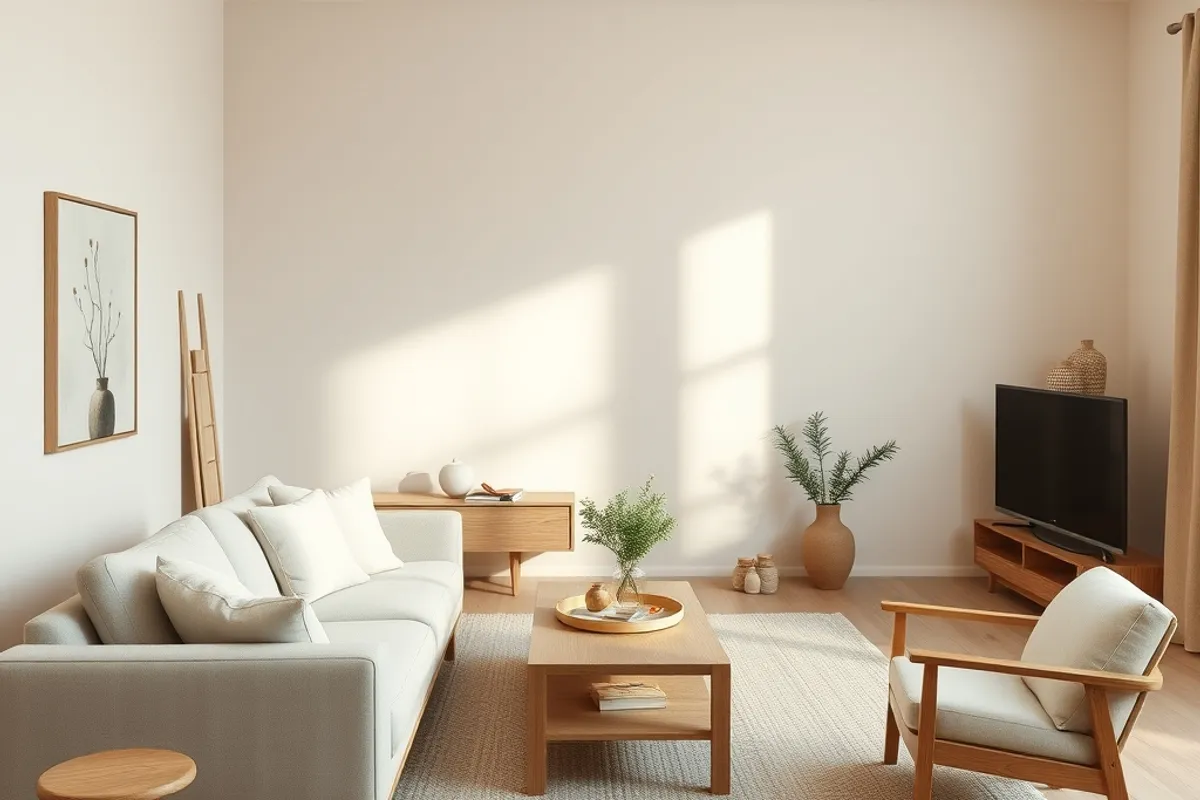
Small Space Decorating Guide 2026: 10 Rules That Work
Small rooms do not need clever tricks as much as they need accurate measurements and a ruthless edit. These ten rules make a compact flat work without pretending it is a loft.
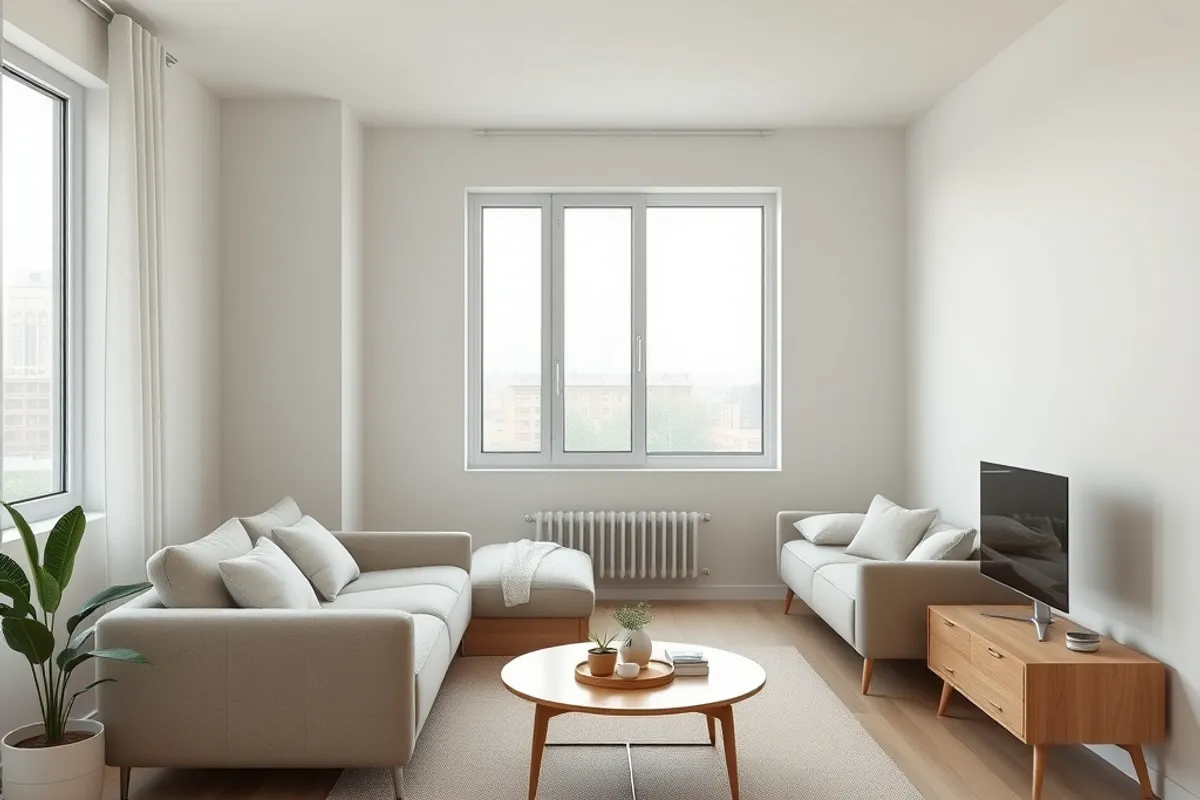
How to Choose a Contractor in 2026: 10 Red Flags to Avoid
Most renovation disasters are visible before the first hammer swings. A licence check, three references and a contract that names the payment schedule will filter out the crews that cost you the most.
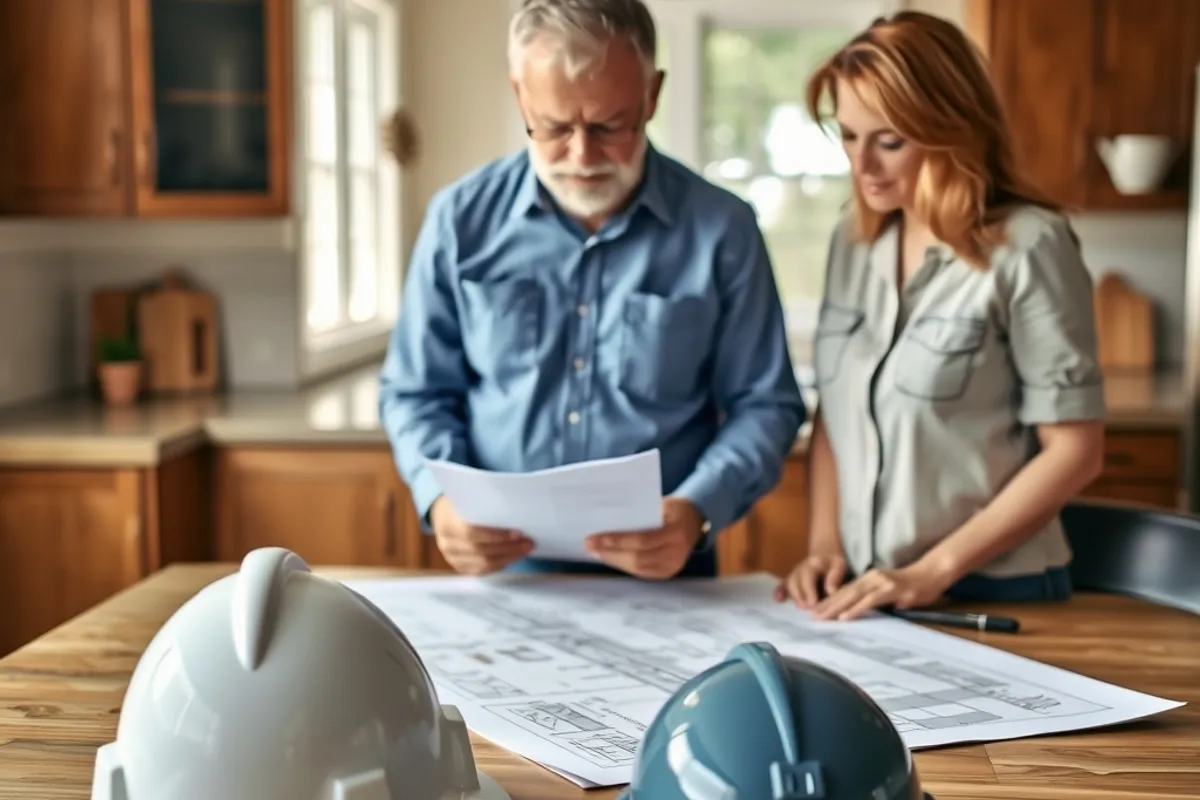
Best Kitchen Remodel Contractors 2026: 6 Hiring Tips
A kitchen remodel has more trades, more decisions and more ways to overspend than any other room. Hiring the right contractor starts with a scope you control, not a showroom tour.
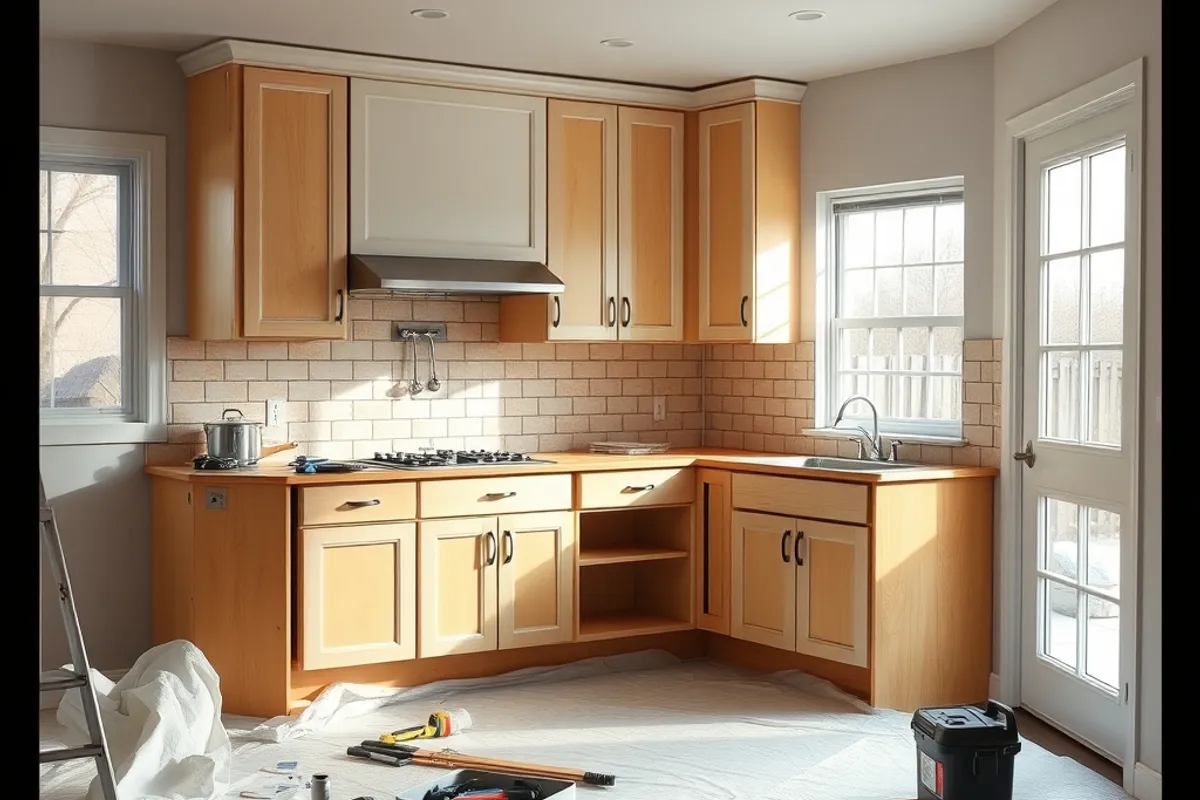
Best Bathroom Renovation Ideas 2026: 6 Budget Picks
A bathroom can be rebuilt for 6,000 dollars or 60,000, and the difference is rarely visible from the doorway. These six 2026 ideas spend where you touch the room every day and save where nobody will notice.
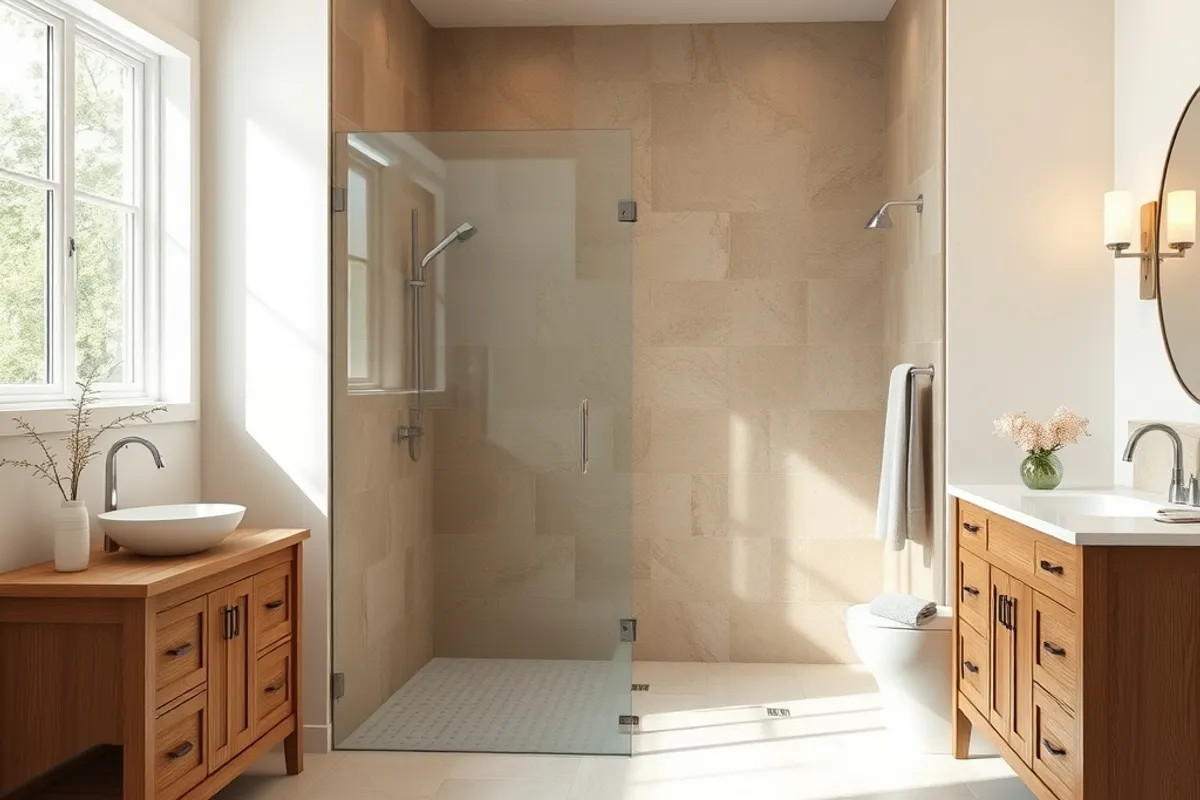
DIY Home Renovation Guide 2026: 10 Weekend Projects
Weekend projects are the best way to learn a house, as long as you choose work that fails safely. These ten jobs improve a home without touching gas, mains wiring or anything that holds up the roof.
Top Headlines
-
Best Home Improvement Projects 2026: 6 Renovations That Pay
-
Best Energy-Efficient Home Upgrades 2026: 6 Smart Picks
-
Best Real Estate Investment Markets 2026: 6 Cities to Watch
-
First-Time Home Buyer Guide 2026: 10 Steps Without Panic
-
Best Interior Design Styles 2026: 6 Looks That Last
-
Small Space Decorating Guide 2026: 10 Rules That Work